French Chore Coat Authenticity Checker
Not sure if that jacket in the vintage shop is a true Bleu de Travail? Answer these questions to find out.
Fill in the details on the left to analyze the jacket's features against the traditional French Chore Coat specifications.
You’ve probably seen them on the rails in Dublin’s vintage shops or spotted them on influencers strolling through Temple Bar. They look rugged, slightly boxy, and incredibly practical. But what is a French chore coat? If you’re wondering why this specific type of jacket has become a staple in wardrobes from Cork to Galway, you’re not alone. It’s more than just a piece of clothing; it’s a slice of industrial history that survived because it was built to last.
In Ireland, where the weather can shift from sunshine to sideways rain in ten minutes, we appreciate gear that works. We don’t have time for delicate fabrics that shrink after one wash in a rainy Tuesday downpour. The French chore coat, or *bleu de travail*, fits our needs perfectly. It’s tough, breathable, and looks better as it ages. Whether you’re working on a farm in Tipperary or commuting on the Luas in Dublin, understanding this garment helps you build a wardrobe that respects both style and substance.
The Origins: From Factory Floors to Fashion Runways
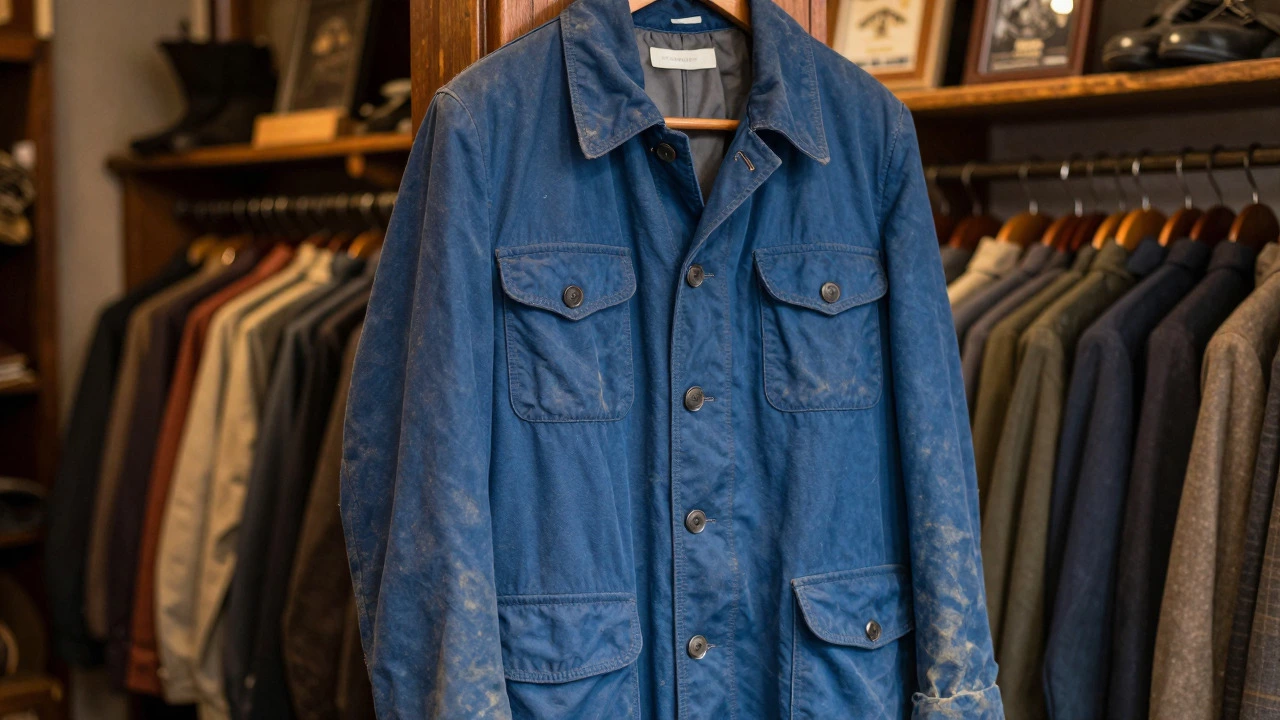
To understand the coat, you have to look at where it came from. In the early 20th century, France needed durable clothing for its growing industrial sector. Farmers, mechanics, and railway workers didn’t need fancy suits; they needed protection from dirt, grease, and the elements. Enter the French Chore Coat, defined by a utilitarian work jacket characterized by a straight cut, large patch pockets, and heavy-duty cotton fabric, originally designed for manual laborers in France during the late 19th and early 20th centuries.
These jackets were mass-produced but rarely branded with flashy logos. Instead, they were stamped with factory codes or ministry numbers. This anonymity is part of their charm today. When you buy a vintage chore coat in a shop like Retrograde in Dublin or a charity shop in Belfast, you might find a stamp inside the collar indicating it belonged to the French railways (SNCF) or the postal service. It’s tangible history you can wear.
The design wasn’t about aesthetics; it was pure function. The boxy fit allowed for layering over thick sweaters-something we know well here in Ireland during those biting Atlantic winds. The high collar protected necks from cold drafts. And those four front pockets? They weren’t for holding smartphones. They were for holding tools, seeds, or lunch tins. Today, we use them for keys and wallets, but the utility remains.
Anatomy of the Jacket: What Makes It Unique?
Not every blue denim jacket is a chore coat. To spot the real deal, you need to know the key features. Unlike American denim jackets which often feature zippers and slimmer cuts, the French chore coat is distinct in its construction.
| Feature | French Chore Coat | Standard Denim Jacket |
|---|---|---|
| Closure | Button-front (often hidden placket) | Zippers or visible buttons |
| Pockets | Four large external patch pockets | Two chest flap pockets, two side pockets |
| Fabric | Heavyweight drill cotton or canvas | Denim twill |
| Fit | Straight, boxy, roomy for layers | Tapered waist, fitted shoulders |
| Hem | Straight hem | Often curved or banded |
The fabric is crucial. Most authentic chore coats are made from Drill Cotton, a tightly woven, durable cotton fabric known for its resistance to abrasion and tearing, commonly used in military and work uniforms. This material breathes better than synthetic polyester blends, which means you won’t sweat through your shirt when the sun finally breaks through the clouds over the Cliffs of Moher. It also softens significantly over time, developing a unique patina that reflects your lifestyle.
Another hallmark is the "hidden button placket." Many modern reproductions skip this, but traditional designs hide the buttons under a strip of fabric. This prevented snagging on machinery-a critical safety feature in factories. For the modern wearer, it creates a clean, minimalist line that pairs easily with everything from jeans to chinos.
Why It Works So Well in the Irish Climate
Ireland’s weather is unpredictable. You might start your day in Galway needing a waterproof shell, only to find yourself overheating in a humid office in Dublin by noon. Layering is essential, and the chore coat is the perfect mid-layer. It’s substantial enough to block the wind but light enough to remove without fuss.
Consider the practicality for someone living in a coastal town like Howth or Kinsale. Salt air can be harsh on leather jackets, causing them to crack or mold if not meticulously cared for. Wool coats absorb moisture and take hours to dry. The cotton drill of a chore coat handles dampness gracefully. It dries relatively quickly and doesn’t hold onto smells as stubbornly as wool. Plus, if you get caught in a sudden shower while cycling along the Grand Canal, you don’t panic. You wring out the sleeve and keep going.
There’s also an economic angle. With the cost of living rising across Ireland, investing in one high-quality, versatile jacket makes sense. A new, cheap synthetic jacket might last two winters before peeling or losing shape. A good quality reproduction chore coat, costing between €80 and €150, will last decades. Vintage originals found in markets like the Dublin Flea Market can go for much more, depending on condition and rarity, but they are heirlooms in waiting.
Styling Tips for the Modern Irish Wardrobe
You don’t need to look like a 1940s mechanic to wear a chore coat. The beauty of this garment lies in its versatility. Here is how to integrate it into your daily rotation:
- The Casual Commuter: Pair a navy blue chore coat with dark raw denim jeans and white sneakers. Add a grey crew-neck t-shirt underneath. This look is understated and works perfectly for casual Fridays in tech offices around Sandyford.
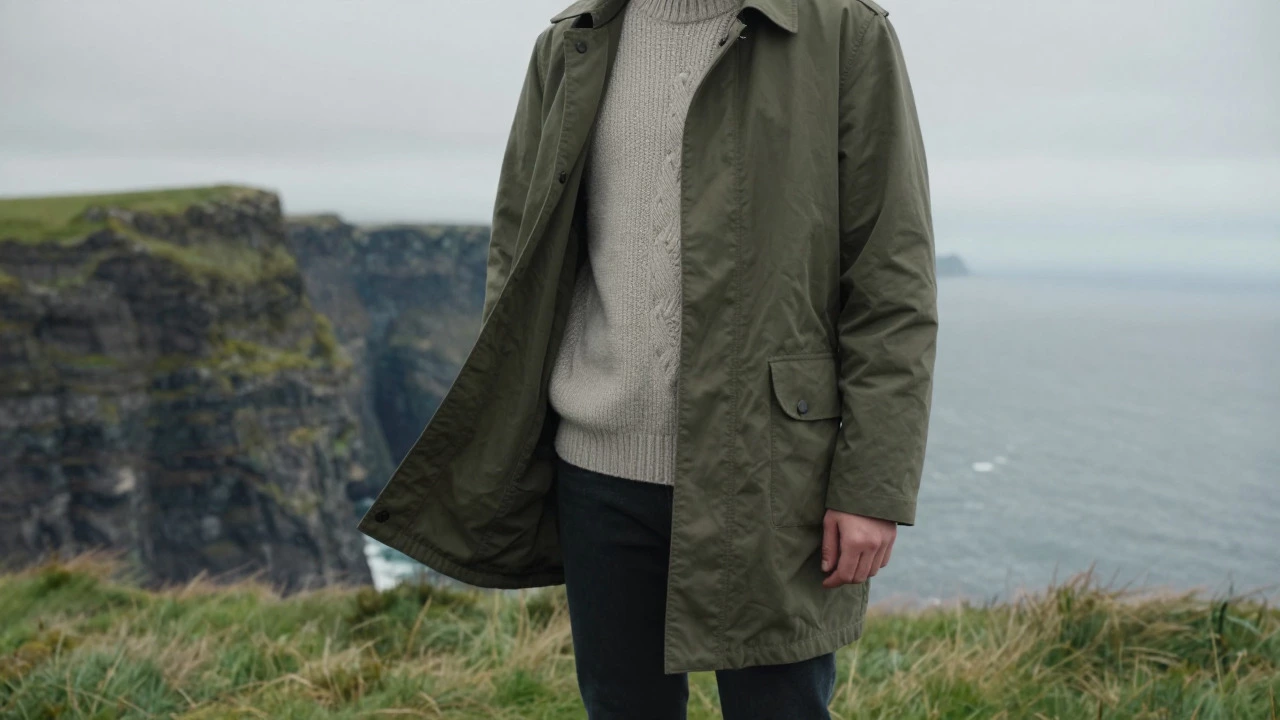
- The Weekend Explorer: Heading to the Wicklow Mountains? Wear the coat over a chunky knit sweater. The boxy fit accommodates the bulk of the knit without pulling at the seams. Finish with sturdy boots suitable for muddy trails.
- Smart-Casual Hybrid: Believe it or not, a black or charcoal chore coat can dress up. Try wearing it over a crisp white shirt and tailored trousers. Leave the top button undone. It adds a touch of nonchalance to an otherwise formal outfit, ideal for a pub meet-up after work.
Color matters. While indigo blue is the classic choice, you’ll also find olive green, black, and beige versions. In Ireland, earth tones blend beautifully with the landscape. An olive green coat looks natural against the backdrop of rural Connemara, while a deep indigo provides a sharp contrast against urban concrete settings.

Where to Find Them in Ireland
If you’re hunting for a genuine article, you have several options. For vintage enthusiasts, cities like Dublin and Cork offer rich treasure hunts. Check out specialist vintage stores such as Retrograde in Dublin, which often stocks curated European workwear. Always inspect the stitching and check for moth holes in older pieces. Authenticity lies in the details: look for the original stamps, the weight of the fabric, and the quality of the buttons (often Bakelite or bone).
For those who prefer brand-new items with guaranteed sizing, many contemporary brands now produce high-quality reproductions. Brands like Levi’s, Carhartt WIP, and specialized Japanese labels (like Buzz Rickson’s or The Real McCoy’s) manufacture faithful recreations. These are available online through Irish retailers or international sites that ship to Ireland. Be aware of customs duties if ordering from outside the EU post-Brexit, though many larger retailers handle this efficiently.
Local tailors can also help. If you find a vintage piece that’s slightly too big, a tailor in Limerick or Belfast can adjust the sleeves or taper the waist without compromising the structural integrity of the coat. Just ensure they understand the importance of maintaining the original seam allowances.
Maintenance: Keeping Your Coat Alive
Cotton drill is resilient, but it requires some care. Avoid washing it after every wear. Spot-clean minor stains with a damp cloth and mild soap. When you do wash it, turn it inside out and use cold water. Hot water can cause significant shrinking, especially in vintage pieces that haven’t been pre-shrunk.
Air drying is best. Hanging it in a warm, ventilated area prevents the fabric from becoming stiff. If you must use a tumble dryer, keep it on low heat. Over-drying can make the cotton brittle over time. Ironing isn’t usually necessary unless you want a crisp look; the natural creases add character. If you do iron, use steam to relax the fibers rather than direct high heat.
Is a French chore coat waterproof?
No, it is not inherently waterproof. The heavy cotton drill fabric is water-resistant to a degree and dries quickly, but it will soak through in heavy rain. For Irish downpours, you may need a waxed finish or a separate rain shell worn over it.
How should a chore coat fit?
It should fit loosely. The traditional design is boxy to allow for layering over shirts and sweaters. If it feels tight across the shoulders or restricts arm movement, it’s likely too small. Sleeves should hit right at the wrist bone.
Can I wear a chore coat in summer in Ireland?
Yes, particularly lighter-weight versions or unlined models. Cotton breathes well, making it comfortable for cool summer evenings. However, avoid wearing it during heatwaves as the fabric can retain heat compared to linen or thin synthetics.
What is the difference between a chore coat and a shacket?
A shacket (shirt-jacket) is typically lighter, softer, and often made from flannel or lightweight cotton. A chore coat is heavier, structured, and made from durable drill or canvas. The chore coat is built for hard work; the shacket is built for comfort.
Are vintage chore coats worth the price?
If you value history and unique character, yes. Vintage coats have developed a patina that cannot be replicated. However, they require careful inspection for damage. New reproductions offer consistency and modern sizing standards, often providing better value for money.