Suit Fit Recommendation Tool
Select your body type and priority to find the perfect fit for your frame.
Recommended Fit: Tailored Fit
This is the sweet spot for most men with larger frames, offering a tapered look without the restriction.
Tailoring Tip:
Ask your tailor to "suppress the waist" to create a subtle V-shape and avoid the boxy look.
Fabric Advice:
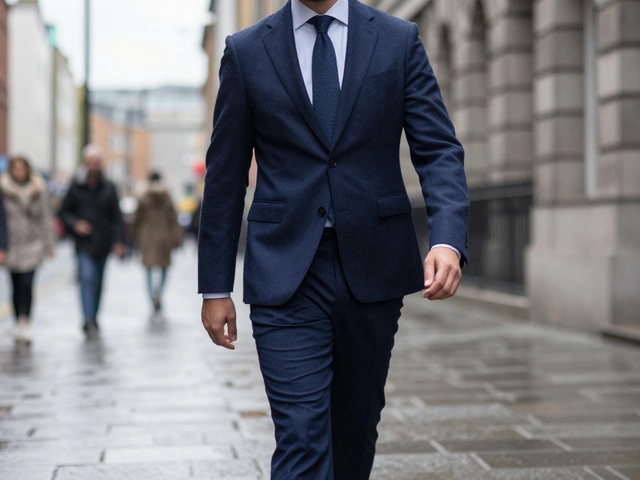
Stick to matte navy or charcoal high-twist wools for a slimming effect.
There is a common myth floating around the dressing rooms of Grafton Street that if you're a bigger man, you should stick to baggy, oversized clothing to "hide" your frame. But let's be honest: wearing a suit that's three sizes too large doesn't make you look slimmer; it makes you look like you're wearing a tent. The real question for many men in Ireland is whether they can actually pull off a slim-fit look without feeling like they're wrapped in sausage casing. The short answer is yes, but the "slim-fit" on the label isn't always the "slim-fit" your body actually needs.
Key Takeaways for a Better Fit
- Avoid "Skinny Fit"; aim for "Slim Fit" or "Tailored Fit" based on your actual measurements.
- The shoulder seam must sit exactly where your shoulder ends to prevent a sloppy look.
- Prioritize a professional tailoring session over a perfect off-the-rack find.
- Darker colors and matte fabrics are your best friends for a streamlined silhouette.
Understanding the Slim-Fit Paradox
When we talk about Slim-Fit Suits is a style of tailoring characterized by a narrower cut through the chest, waist, and trousers to create a more contoured silhouette , we aren't talking about tight clothes. For a bigger guy, a slim-fit suit is actually about removing excess fabric that creates bulk. Imagine a traditional "classic fit" suit; it often leaves a huge gap between the waist and the arm, making you look wider than you are. A slim or tailored fit hugs the body more closely, which ironically creates a sharper, leaner line.
The trick is understanding that "slim" is relative. A slim-fit suit for a man with a 46-inch chest is fundamentally different from one for a man with a 38-inch chest. The goal isn't to squeeze into a smaller size, but to find a cut that follows your natural shape without pulling at the buttons. If you see "X" creases forming across your stomach when you button the jacket, it's too tight. If the fabric billows at the sides, it's too loose.
The Golden Rules for Big and Tall Men
If you're shopping for a wedding in Galway or a corporate event in the Docklands, keep these specific rules in mind. First, look at the shoulders. The Shoulder Pads is the internal reinforcement used in suit jackets to define the shoulder line should be minimal. Heavy padding on a large frame adds unnecessary volume and can make you look like a linebacker from the 80s. A "natural shoulder" or unconstructed jacket is far more flattering for bigger guys.
Second, pay attention to the jacket length. A jacket that is too short will make your midsection look wider and your legs look disproportionately long. Ensure the jacket covers your seat. In the Irish market, you'll find that some high-street brands cut their jackets shorter to follow global trends, but for a larger build, a slightly longer hem provides a much more balanced proportion.
| Fit Type | Chest & Waist | Leg Cut | Best For... |
|---|---|---|---|
| Classic Fit | Roomy/Loose | Straight/Wide | Extreme comfort, traditional style |
| Tailored Fit | Slightly tapered | Tapered but relaxed | The "Sweet Spot" for most big guys |
| Slim Fit | Close to body | Narrow/Tapered | Athletic builds or those who love a sharp look |
| Skinny Fit | Very Tight | Tight/Hugging | Avoid at all costs for larger frames |
Fabric Choices that Slim Your Silhouette
Not all fabrics are created equal. When you're browsing shops in the English Market in Cork or visiting a boutique in Dublin, pay close attention to the weight and texture of the wool. Heavy, chunky tweeds are a staple of Irish Heritage Clothing is traditional garments made from native materials like Donegal tweed and linen, often reflecting rural Irish life , but they can add significant visual bulk if not worn carefully. If you want a slim-fit look, opt for high-twist wools or a lightweight "Cool Wool" blend.
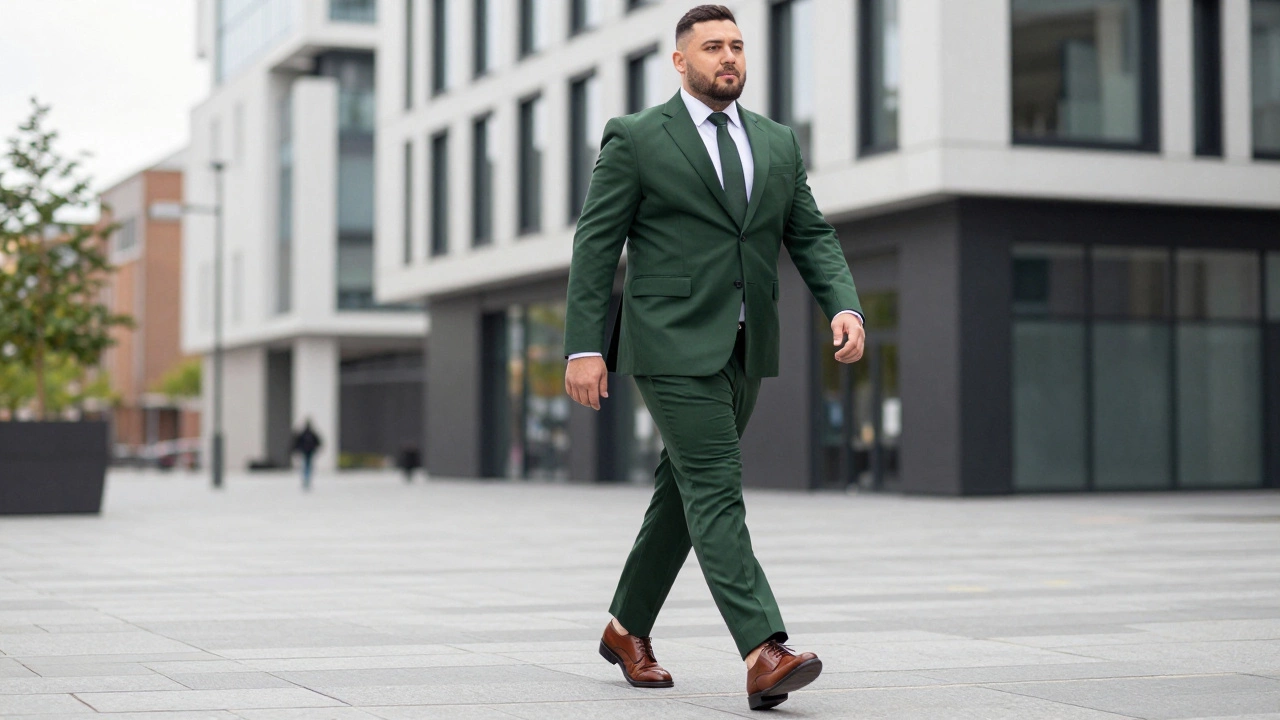
Stick to matte finishes. Avoid shiny fabrics or loud patterns. A shiny fabric reflects light off the widest parts of your body, effectively highlighting the areas you might want to downplay. Instead, a deep charcoal, navy, or forest green in a matte finish absorbs light and streamlines your figure. If you must do a pattern, go for a subtle pinstripe. Vertical lines are a classic cheat code for adding perceived height and reducing perceived width.
Taming the Trousers
The trousers are where most big guys go wrong with slim-fit suits. The goal is a "tapered" look, not a "tight" look. You want the trousers to follow the line of your leg without clinging to your calves. If the fabric is pulling tight across your thighs (the dreaded "elephant leg" look), you need to size up in the waist and then have a tailor take in the waistline.
One critical detail is the break-the fold where your trousers hit your shoes. A "full break" (lots of fabric bunching at the ankle) makes you look shorter and sloppier. Aim for a "half break' or a "slight break." This clean line from hip to ankle creates an illusion of length, which helps the slim-fit aesthetic work in your favor. Avoid cuffs on the bottom of the trousers; they create a horizontal line that visually "cuts" your leg, making you appear shorter.
The Role of the Irish Tailor
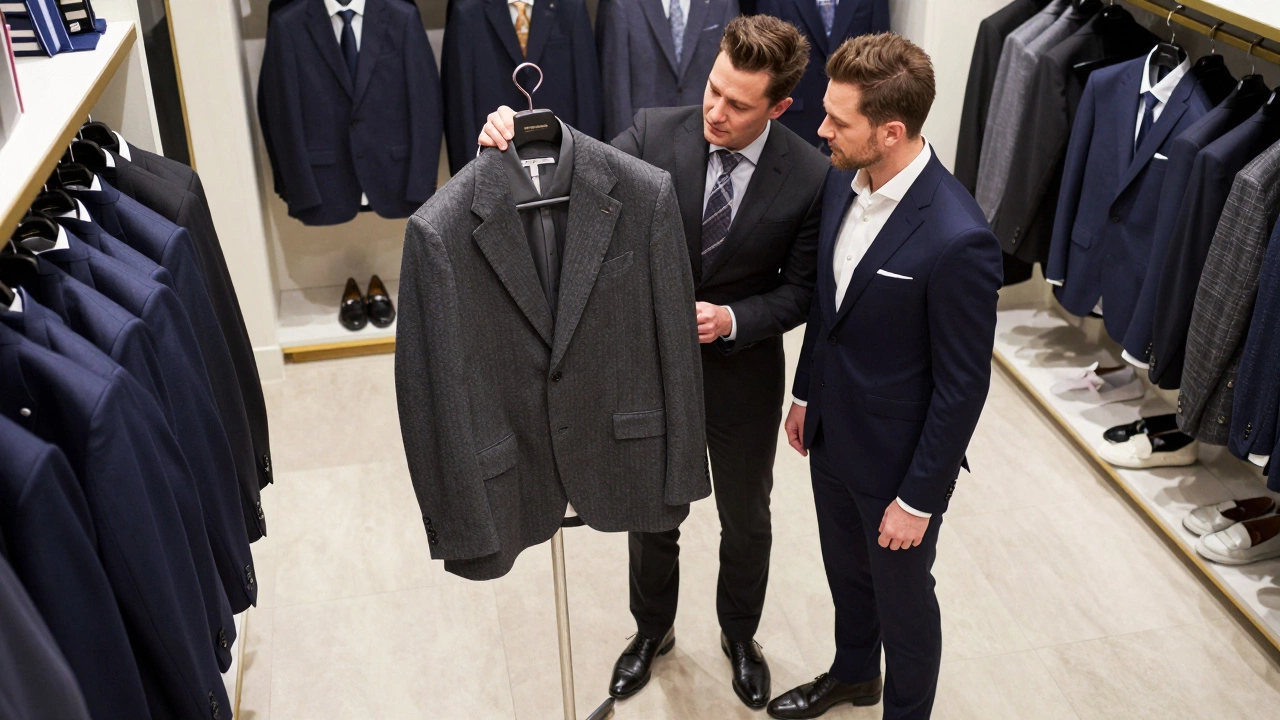
Here is the secret: no suit off the rack fits perfectly, especially for men with non-standard proportions. Whether you buy from a luxury store on Henry Street or a mid-range chain, the magic happens at the tailor. In Ireland, we have a fantastic tradition of bespoke and made-to-measure services. A Bespoke Tailor is a professional who creates a custom garment from scratch based on an individual's unique measurements can do things an off-the-rack suit never will.
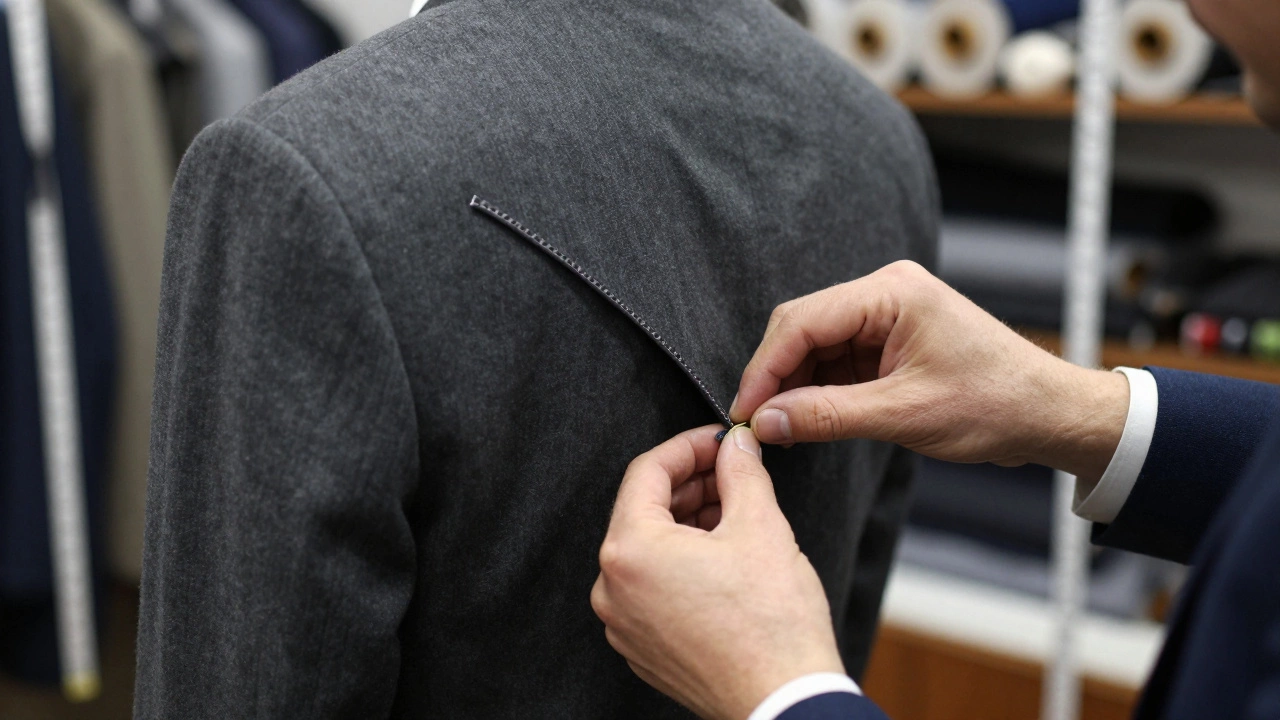
Ask your tailor to "suppress the waist" of the jacket. This means taking in the fabric at the sides to create a subtle V-shape, which mimics an athletic build and prevents the "boxy" look. Also, ensure the sleeve length is perfect; showing about half an inch of shirt cuff makes the whole outfit look intentional and precise. When the details are sharp, the overall silhouette looks slimmer, regardless of your actual size.
Styling Tips for the Final Touch
How you wear the suit is just as important as how it fits. For bigger men, the shirt choice is vital. Wear a crisp, well-fitted dress shirt that isn't too tight around the neck or chest. If the shirt billows out at the waist (the "muffin top" effect), use shirt stays or get the shirt darted. A clean tuck is essential for a slim-fit suit to look polished.
Regarding accessories, keep the scale in proportion. A tiny, skinny tie on a large frame looks out of place. Choose a tie with a medium width-around 3 to 3.25 inches. This balances your proportions. Similarly, choose a sturdy pair of leather oxfords or brogues. A shoe that is too slim or dainty can make your upper body look even heavier by comparison. A solid, well-structured shoe anchors the entire look.
Will a slim-fit suit make me look fatter?
Actually, a properly fitted slim or tailored suit usually makes you look thinner than a baggy classic fit. The problem arises when people buy a size too small. As long as the fabric doesn't pull or crease at the buttons, the narrower cut removes the excess bulk that often makes big men look larger.
Should I avoid slim-fit trousers if I have thick thighs?
You don't have to avoid them, but you should avoid "skinny" cuts. Look for "tapered" trousers. This means they have room in the thigh but narrow down toward the ankle. This gives you the slim look without sacrificing comfort or looking like you're wearing leggings.
Where can I find the best suits for big men in Ireland?
For off-the-rack options, many major retailers in Dublin and Cork offer "Big and Tall" ranges. However, for the best results, visit a specialist tailor. Whether it's a high-end shop on Savile Row-inspired streets in Dublin or a local expert in your town, a tailor can adjust a slim-fit suit to your specific proportions.
What colors are most flattering for a larger frame?
Dark, matte colors are the most slimming. Charcoal grey and navy blue are the gold standards. Avoid light greys, tans, or bright colors for the main suit, as these reflect more light and can emphasize volume. If you want a color, try a deep burgundy or forest green.
Can I wear a slim-fit suit for a casual event?
Yes, you can. Try pairing a slim-fit navy blazer with a tapered chino pant. This "broken suit" look is very popular in Irish business-casual settings. Just ensure the blazer still fits well in the shoulders and doesn't pull at the waist.
Next Steps for Your Wardrobe Upgrade
If you're ready to ditch the oversized suits, start with one "power suit" in navy or charcoal. Don't worry if it's not perfect the moment you leave the store; buy the size that fits your largest part (usually the shoulders or thighs) and take it to a professional tailor. In Ireland, many shops have in-house tailors who can handle basic hems and waist adjustments on the spot.
For those who find off-the-rack options frustrating, consider a made-to-measure service. It removes the guesswork and ensures the "slim" part of the fit is tailored exactly to your curves. Once you see how a structured, tapered silhouette transforms your appearance, you'll never go back to the baggy fits of the past.