Ireland 2026 Jacket Finder
Answer a few quick questions and we'll point you to the jacket that fits how you actually live in Ireland this autumn.
Technical Trench
Bridges office wear and outdoor activity with a water-repellent finish.
Walking through Grafton Street or the docks in Dublin right now, you’ll notice a distinct shift in how people are layering up. The days of heavy, unstructured puffer coats dominating the sidewalk are fading. Instead, there is a clear move toward functionality that doesn’t sacrifice style, driven by the unpredictable nature of Irish weather. As we head into late summer and early autumn, the question isn't just "what looks good," but "what can handle a sudden downpour while I’m waiting for the Luas?"
The current landscape for outerwear in the Republic is defined by three main pillars: technical performance, heritage revival, and sustainable materials. You don't need to spend a fortune to look put-together; you just need to understand which specific styles are gaining traction among locals and visitors alike this year.
The Return of the Technical Trench
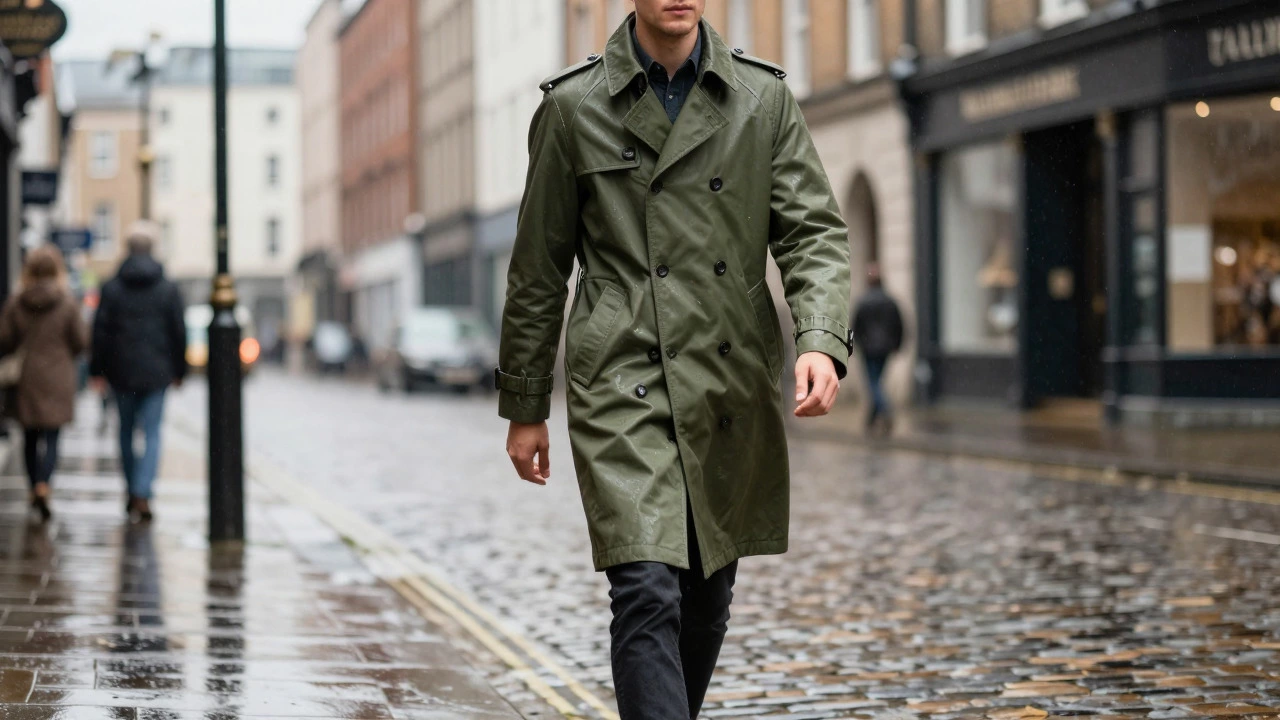
If you think trench coats are only for dry London afternoons, think again. In Ireland, the traditional beige gabardine trench has been re-engineered. The trend for 2026 is the "technical trench," which features waterproof membranes, sealed seams, and often a removable lining. Brands like Barbour have long held a place in the Irish wardrobe due to their durability, but newer players are stepping in with sleeker silhouettes.
Why is this trending? Because it bridges the gap between office wear and outdoor activity. Imagine wearing a structured wool-blend jacket to a meeting in Temple Bar, then walking out into a sideways drizzle without needing an umbrella. The key here is fabric. Look for cotton blends with a water-repellent finish (DWR) rather than pure plastic-like synthetics. It keeps you dry from light rain and wind, which are far more common than torrential storms in most parts of the country outside of coastal areas like Donegal or Kerry.
- Material: Cotton-polyester blends with DWR coating.
- Cut: Slightly oversized for layering over sweaters.
- Color: Olive green, charcoal grey, and classic navy are dominating high street racks in Dublin and Cork.
Heritage Meets High Street: The Quilted Vest Revival
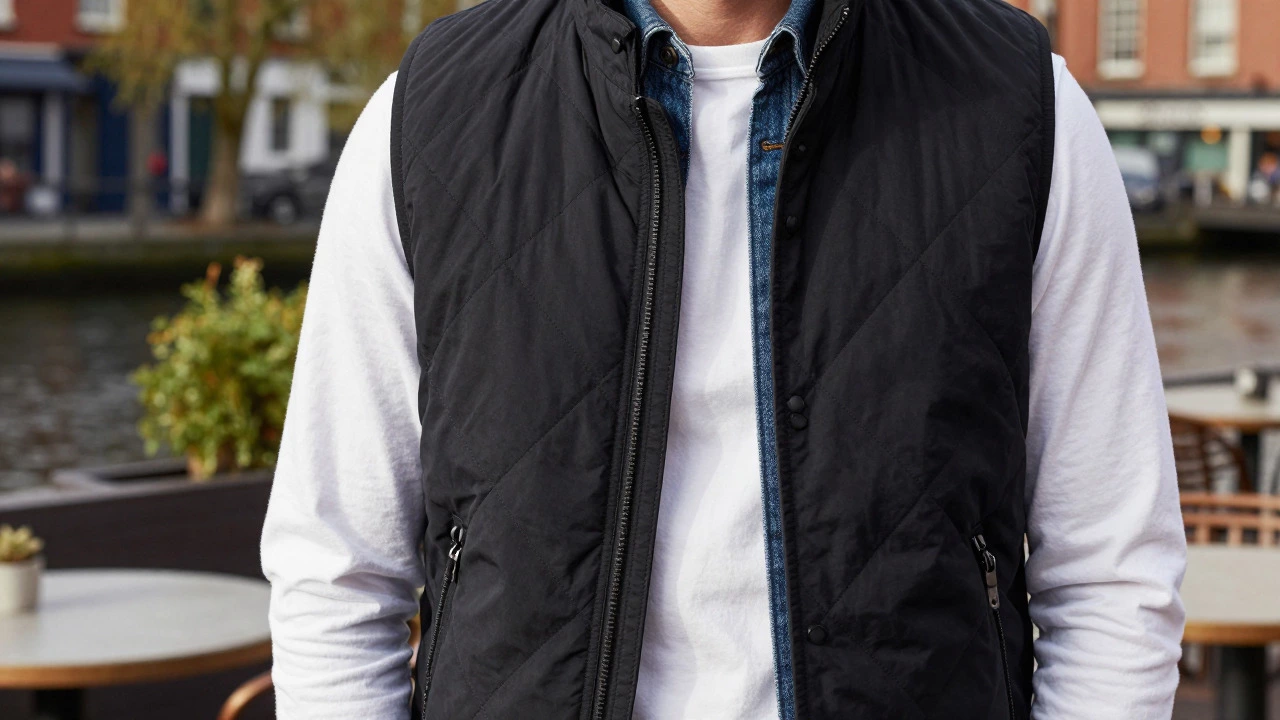
You’ve likely seen these everywhere. The quilted vest, or gilet, has moved from purely functional hiking gear to a staple of urban Irish fashion. Why? Because Irish mornings can be crisp, but midday sun might actually warm up the air if you’re lucky. A vest allows you to keep your core warm without overheating when you’re active.
This trend is heavily influenced by the local love for outdoor sports. Whether you’re cycling along the Grand Canal or walking the cliffs at Howth Head, the vest offers mobility. Local brands and independent shops in areas like Ranelagh and Clontarf have stocked up on minimalist designs. We’re seeing a lot of matte finishes and subtle branding. It’s no longer about loud logos; it’s about clean lines that pair well with a denim jacket or a smart shirt.
| Style | Best For | Weather Resistance | Price Range (EUR) |
|---|---|---|---|
| Technical Trench | Office/Commute | High (Wind/Light Rain) | €150 - €400 |
| Quilted Vest | Layering/Active | Low (Wind only) | €80 - €200 |
| Waxed Canvas Workwear | Weekends/Casual | Very High (Heavy Rain) | €200 - €500 |
| Oversized Bomber | Nightlife/Street Style | Medium (Wind) | €100 - €300 |
Waxed Canvas: The Undisputed King of Irish Rain
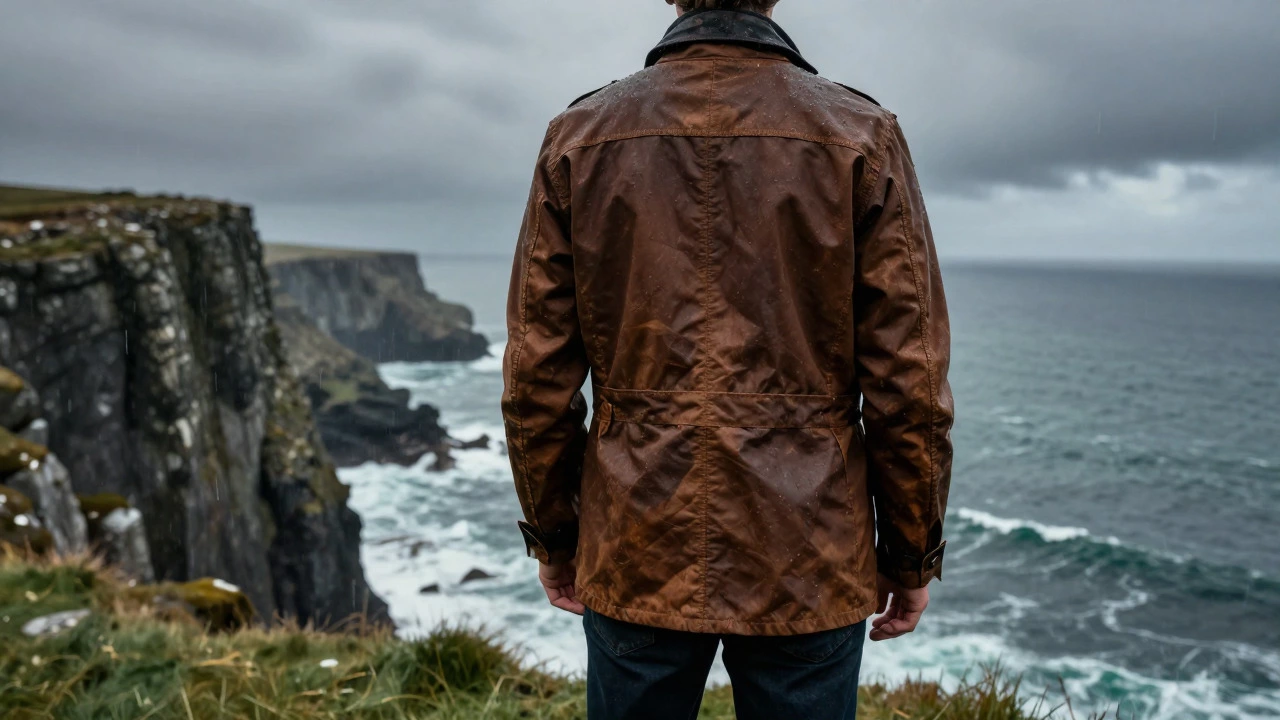
Let’s be honest: nothing beats waxed canvas when the sky turns black over Galway or Limerick. This material, traditionally used in workwear, has become a fashion statement. It breathes, it gets better with age, and it handles sustained rainfall far better than synthetic shells that can trap heat and make you sweat inside.
The trend this year is moving away from the bulky, rural aesthetic toward slimmer fits. You’re seeing waxed jackets paired with chinos and sneakers rather than cargo pants and boots. This "smart casual" approach is perfect for the weekend. It’s durable enough for a trip to the pub in Kilkenny or a day out in the Wicklow Mountains, yet polished enough for a dinner reservation in the city center. Remember, waxed canvas needs re-waxing every few months to maintain its waterproof properties, so factor that maintenance into your purchase decision.
Sustainability: The New Luxury
Irish consumers are increasingly conscious of where their clothes come from. With fast fashion taking a hit, the focus has shifted to longevity and circular fashion. Thrift stores in Dublin, such as those in the Smithfield area, are buzzing with activity. People are hunting for vintage leather biker jackets and wool overcoats that have already survived decades of abuse.
New releases are also reflecting this. Look for jackets made from recycled polyester or organic cotton. Brands are highlighting their supply chains, showing you exactly where the fabric was spun and sewn. If you’re buying new, check for certifications like GOTS (Global Organic Textile Standard) or OEKO-TEX. It’s not just a buzzword anymore; it’s a selling point that resonates strongly with the local demographic, particularly among younger professionals in tech hubs like Silicon Docks.
Practical Tips for Shopping in Ireland
Timing is everything. The best deals on outerwear usually appear in the January sales and again in the late August/early September clearance periods. Since we are currently in August, you might find some end-of-season discounts on heavier winter items starting to appear online, though physical stores in Dublin and Belfast may still be holding off until the weather truly turns.
- Check the fit first: Irish winters require layering. Ensure you can fit a thick merino wool sweater underneath your jacket without feeling restricted.
- Test the zippers: Cheap hardware fails fast. A smooth, metal zipper is a sign of quality that will last through multiple seasons.
- Consider the hood: If you live in a windy area like the west coast, a fixed hood is often more practical than a detachable one, as it provides better protection against gusts.
- Look for local stockists: Independent boutiques often carry unique pieces that aren’t available in large chain stores. Visiting shops in areas like Temple Bar or the Georgian Quarter in Dublin can yield hidden gems.
What to Avoid
While trends change, some mistakes remain constant. Avoid thin, non-waterproof fabrics for primary outerwear. If you rely on public transport or walk significant distances, a flimsy jacket will leave you soaked and cold within minutes. Also, steer clear of overly trendy micro-details that might look dated in six months. Stick to timeless cuts-A-line, straight, or slightly tapered-that will still look sharp next year.
Finally, don’t ignore the color palette. While bold colors exist, neutral tones (black, grey, navy, olive, brown) dominate the Irish market because they are versatile and hide dirt better. Given the frequent rain and mud, this is a practical choice as much as a stylistic one.
Frequently Asked Questions
Is a puffer jacket still fashionable in Ireland?
Yes, but primarily for extreme cold or outdoor activities. For everyday urban wear, puffers are being replaced by sleeker, thinner insulated vests or hybrid jackets that offer warmth without the bulk. They are less popular for commuting or office settings due to their sporty appearance.
What is the best material for Irish rain?
Waxed canvas and Gore-Tex are the top contenders. Waxed canvas is breathable and durable, ideal for all-day wear. Gore-Tex is superior for heavy, sustained rain and wind, making it better for hikers or those in very exposed coastal locations.
Where can I buy sustainable jackets in Dublin?
You can find sustainable options in independent boutiques in Ranelagh and Clontarf, as well as in second-hand stores in Smithfield and the Liberties. Major retailers like Next and M&S also have dedicated sustainable ranges, though checking their origin labels is recommended.
How should I care for a waxed canvas jacket?
Avoid machine washing unless specified. Spot clean stains with a damp cloth. Re-wax the jacket every 6-12 months depending on usage to maintain waterproofness. Store it hanging in a cool, dry place to prevent mildew.
Are oversized jackets suitable for the Irish climate?
Yes, provided the fabric is substantial. Oversized cuts allow for better layering, which is crucial for variable temperatures. However, ensure the sleeves are long enough to cover your wrists, as wind chill can be significant even in moderate temperatures.