Irish Climate T-Shirt Quality Checker
Enter your t-shirt specifications below to get a quality score and specific advice for wearing it in Ireland's damp, changeable weather.
Verdict
Analysis results will appear here.
Specific Advice for Ireland
You know the feeling. You’re standing outside in Dublin, maybe near Grafton Street or waiting for a bus in Galway, and the rain has just stopped but the dampness is still clinging to everything. Your t-shirt feels heavy, clammy, and honestly, a bit miserable. Or maybe you’re at a festival like Electric Picnic, sweating through your shirt under the sun, wishing it would dry faster. The problem usually isn’t the brand on the tag; it’s the cotton inside it. In Ireland, where our weather can shift from drizzle to sunshine in ten minutes, picking the right fabric isn’t just about style-it’s about comfort.
So, what actually makes a t-shirt feel premium? Is it the price tag? The thread count? The origin of the fiber? Let’s cut through the marketing noise. We’ll look at the specific types of cotton that perform best in our temperate, humid climate, how to spot quality without touching the fabric, and which local brands are getting it right.
The Core Problem: Why Most T-Shirts Fail Us
Most cheap t-shirts you find in high-street chains use short-staple cotton. Think of cotton fibers like human hair. Short-staple fibers are like frizzy, uneven strands. They twist together loosely during spinning, creating yarn that is weak and prone to breaking. When these break, they form pills-those annoying little bobbles on your chest after three washes. Worse, short-staple cotton doesn’t breathe well because the weave is often loose to save money, or tight but rough, trapping heat against your skin.
In Ireland, humidity is the enemy. Our average relative humidity hovers around 80-90% much of the year. If your t-shirt absorbs moisture but doesn’t release it, you get that cold, wet-back sensation that lingers long after you’ve come indoors. High-quality cotton solves this by using longer, stronger fibers that create smoother, tighter weaves. These fabrics wick moisture away from your body more efficiently and dry faster when the wind picks up along the Atlantic coast.
Decoding Cotton Types: Which One is Best?
Not all cotton is created equal. Here are the main players you need to know about, ranked by their suitability for everyday wear in Ireland.
| Cotton Type | Fiber Length (Staple) | Softness & Durability | Best For | Irish Climate Suitability |
|---|---|---|---|---|
| Upland Cotton | Short to Medium | Average durability, can feel scratchy initially | Budget basics, fast fashion | Poor - retains moisture, slow drying |
| Supima Cotton | Extra Long (1.5x standard) | Very soft, highly durable, resists pilling | Premium everyday wear, layering | Excellent - smooth surface sheds water/moisture |
| Pima Cotton | Long | Soft, good durability, slightly less than Supima | Mid-range quality shirts | Good - better breathability than Upland |
| Organic Cotton | Varies (often Upland or Pima) | Softens with wash, eco-friendly | Sensitive skin, sustainability focus | Variable - depends on staple length, not just farming method |
Supima Cotton is widely considered the gold standard for t-shirts. It’s a type of extra-long-staple (ELS) cotton grown primarily in the USA, Peru, and Australia. Because the fibers are so long, they can be spun into finer, stronger yarns. This means the fabric is smoother. Why does smoothness matter in Ireland? Smooth fibers don’t trap as much dirt or bacteria, and they allow air to circulate closer to your skin. Brands like Uniqlo (their U series) and many boutique Irish makers use Supima blends because they hold their shape after repeated washing in hard water-which, let’s face it, is a reality in many parts of Dublin and Cork.
Pima Cotton is similar but generally shorter than Supima. It’s a solid middle ground. If you see "Peruvian Pima" on a label, pay attention. Peru produces some of the world’s finest ELS cotton due to its unique microclimates. Peruvian Pima t-shirts are incredibly soft, almost silk-like. However, they can be delicate. In a rainy city like Belfast or Limerick, you might want something a bit more robust for daily commuting, so check the weight (GSM).
Understanding Weight: GSM Matters More Than You Think
You’ll often see "GSM" listed in product descriptions. It stands for Grams per Square Meter. It tells you how heavy the fabric is. For t-shirts, this is critical for fit and feel.
- Lightweight (130-150 GSM): These are thin, breezy tees. Great for a hot July day in Kilkenny, but they can become translucent if you sweat. They also tend to lose shape quickly. Avoid these if you plan to wear them as an undershirt.
- Medium Weight (160-180 GSM): The sweet spot for most people. This is what you want for a standalone t-shirt in spring or autumn. It’s opaque, holds its structure, and provides enough insulation for a light breeze off the sea without overheating you indoors.
- Heavyweight (190-250+ GSM): These are thick, structured shirts. Popular in streetwear culture. They last forever and drape heavily. In Ireland, these are excellent for winter layering under a jacket. They block wind effectively. But beware: if you go into a heated pub in Temple Bar wearing a 250 GSM tee, you will overheat. They take longer to dry, too.
For the typical Irish wardrobe, aiming for 170-180 GSM is a safe bet. It’s versatile enough for a casual Friday office outfit or a weekend hike in the Wicklow Mountains.
Construction Details That Signal Quality
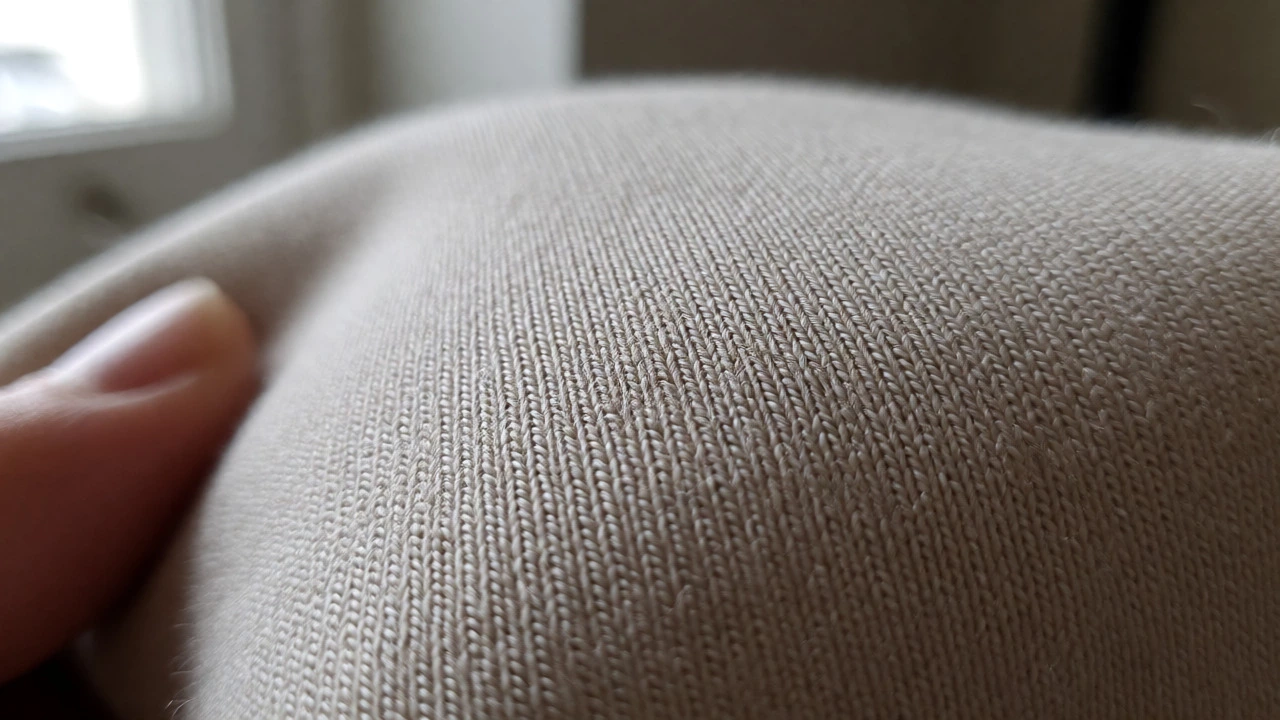
Fabric type is half the battle. How the shirt is built determines if it survives the Irish laundry cycle. Hard water in places like Waterford or Dundalk can degrade poor-quality dyes and seams. Look for these signs:
- Tubular Knit: Cheap shirts are cut from flat fabric and sewn at the sides. This creates a seam that twists after washing. Quality shirts are knitted as a tube, meaning no side seams. This prevents twisting and improves comfort.
- Reinforced Necklines: Check the collar. Does it have a tape running across the shoulders inside? This "neck tape" reinforces the neckline, stopping it from stretching out into a bowl shape. Without it, your favorite tee looks old after six months.
- Double-Stitched Hems: Run your finger along the bottom hem and sleeves. Single stitching is fine, but double stitching adds durability. Given that we wear clothes frequently here, durability saves money in the long run.
- Pre-Shrunk vs. Sanforized: All good cotton is pre-shrunk. "Sanforized" is a specific industrial process that ensures shrinkage stays below 1%. Always check for this. There’s nothing worse than buying a large in O’Connell Street only to find it fits like a medium after one wash.
Local Context: Buying Cotton in Ireland
The Irish market has shifted. We used to rely entirely on UK imports, but now there’s a strong push for local manufacturing and ethical sourcing. When shopping in Ireland, consider these factors:
Water Quality: Irish tap water varies. In some areas, it’s very hard. Hard water deposits minerals on fabric, making it stiff over time. High-quality cotton with a tight weave resists this better than loose-knit cheap cotton. Washing with a small amount of white vinegar occasionally can help maintain softness, regardless of the cotton type.
Seasonality: Irish retail seasons are weird. Summer stock arrives late and leaves early. If you’re looking for lightweight summer cottons, buy them in May, not July. By then, sizes are gone. Conversely, heavyweight cottons are available year-round. Stores like Brown Thomas or independent boutiques in Dublin’s City Centre often carry higher-end European cottons (like those from Portugal or Italy) that handle our damp chill better than mass-produced Asian alternatives.
Ethical Sourcing: Irish consumers are increasingly conscious of supply chains. Look for certifications like GOTS (Global Organic Textile Standard). While GOTS certifies the farming and processing, it doesn’t guarantee the cotton is long-staple. You can have organic short-staple cotton, which is eco-friendly but may pill easily. Ideally, find a brand that uses both organic farming and long-staple seeds. Some Irish startups are doing exactly this, partnering with farms in Turkey or India that specialize in ELS varieties.
How to Test Quality Before You Buy
If you’re in a store in Cork or Galway, you can do quick checks:
- The Stretch Test: Hold the fabric up to the light. Can you see through it? If it’s a medium-weight tee, it shouldn’t be sheer. Pull it gently sideways. Does it bounce back instantly? Good recovery means elastane or high-quality knitting. If it stays stretched, it’s low-grade.
- The Scratch Test: Rub the fabric against your cheek. Premium cotton feels cool and smooth. Cheap cotton feels warm and slightly fuzzy or abrasive.
- The Seam Inspection: Turn the shirt inside out. Look at the shoulder seams. Are they straight? Is the fabric puckered? Puckering indicates tension issues in manufacturing, which leads to premature tearing.
Remember, price is a decent indicator, but not a perfect one. You can find great 180 GSM Supima tees online for €25-€35. Paying €60 doesn’t always mean better cotton; sometimes you’re paying for the logo or the packaging. Focus on the specs: Staple length, GSM, and construction details.
Caring for Your Cotton in the Irish Climate
Even the best cotton dies if treated poorly. Our damp environment requires specific care:
- Drying: Avoid radiators. Direct heat shrinks cotton and breaks fibers. Use a dehumidifier in your home instead. It’s a game-changer for drying clothes indoors in winter without them smelling musty.
- Washing: Wash in cold water (30°C max). Hot water sets stains and fades colors. Use liquid detergent rather than powder, as powder can leave residues in hard water areas.
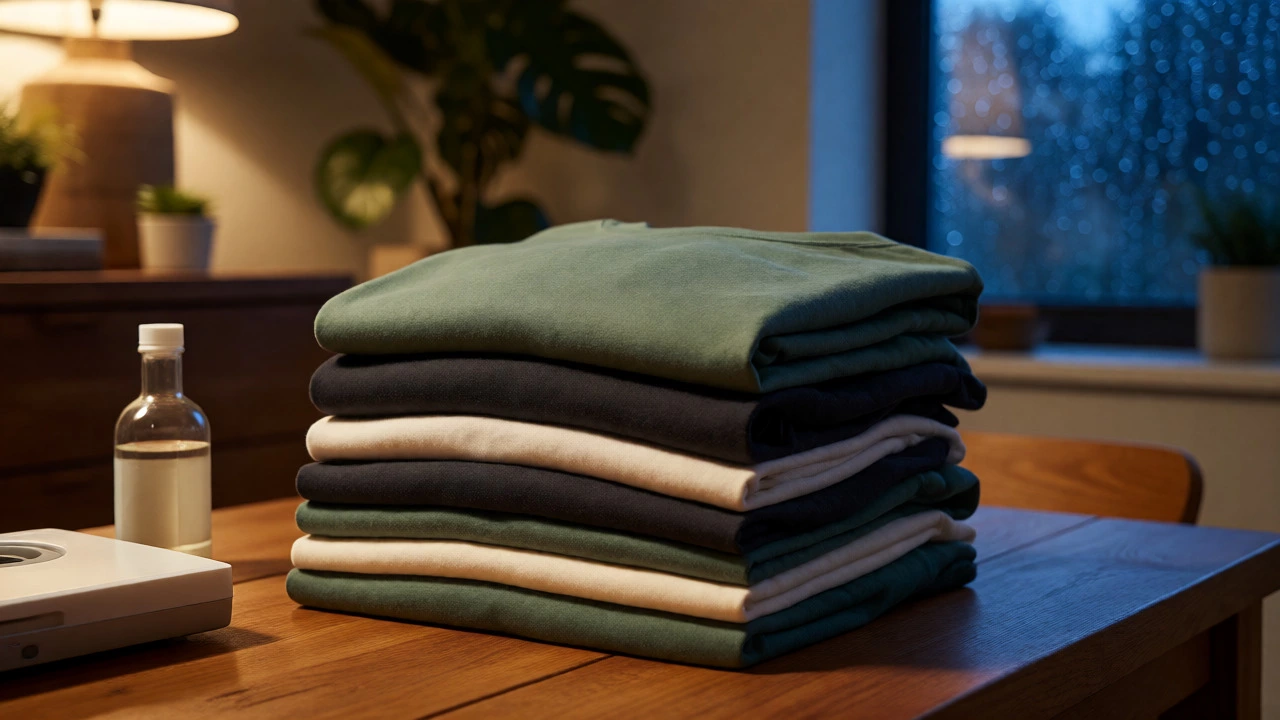
- Storage: Don’t hang t-shirts on wire hangers; they stretch the neck. Fold them. Stack them. This preserves the shape, especially for heavier cottons.
Choosing the best cotton for t-shirts in Ireland comes down to balancing comfort, durability, and climate adaptation. For most people, a medium-weight (170-180 GSM) Supima or Pima cotton tee offers the best performance. It handles our humidity, lasts through hard-water washes, and looks sharp whether you’re in a boardroom in Sandyford or a café in Ranelagh. Skip the cheap, short-staple options. Invest in fewer, better shirts. Your skin-and your wallet-will thank you.
Is organic cotton better than regular cotton for t-shirts?
Not necessarily in terms of durability or softness. Organic certification refers to how the cotton was grown (no synthetic pesticides), not the length of the fiber. An organic short-staple cotton shirt may pill faster than a conventional Supima cotton shirt. For quality, prioritize fiber length (staple) first, then consider organic status if environmental impact is your priority.
What GSM should I choose for t-shirts in Ireland?
For general use, 160-180 GSM is ideal. It’s substantial enough to be opaque and durable but light enough to breathe during mild summers. If you live in a particularly windy coastal area or prefer layering in winter, consider 190-220 GSM for added wind resistance and warmth.
Why do my t-shirts shrink in the wash?
Cotton naturally shrinks when exposed to heat and agitation. To prevent this, buy shirts labeled "pre-shrunk" or "sanforized." Additionally, wash in cold water and avoid tumble drying on high heat. Air drying or using a low-heat setting preserves the size and integrity of the fibers.
Is Supima cotton worth the extra cost?
Yes, if you value longevity and comfort. Supima fibers are 45% longer than regular cotton, resulting in a smoother, stronger fabric that resists pilling and fading. Over time, a Supima shirt maintains its shape and softness far better than cheaper alternatives, offering better value despite the higher upfront price.
Can I wear cotton t-shirts in the rain?
You can, but cotton absorbs water readily. In light drizzle, a medium-weight cotton tee is fine. In heavy rain, it will become heavy and cold. For frequent exposure to rain, consider blending cotton with synthetic fibers or wearing a waterproof outer layer. Pure cotton is best saved for dry days or indoor wear.