3-in-1 Jacket Configuration Tool
Select Your Scenario
❄️Winter Storm
Cold & WetAtlantic gales, freezing temps, heavy rain. Full protection needed.
Both Layers🌧️Spring Drizzle
Mild & RainyCool temperatures with steady rain. Need waterproofing without overheating.
Shell Only☀️Autumn Hike
Dry & CoolCrisp, dry conditions. Maximum breathability with warmth during activity.
Liner OnlyJacket Configuration
Shell
Liner
Active Features:
Recommended For:
- Coastal walks in strong winds
- Winter commuting in rain
- Mountain hiking in bad weather
If you live in Ireland, you know the drill. One minute it’s sunny in Dublin, and the next, you’re dodging hailstones on O'Connell Street. Our weather doesn't just change; it shifts moods faster than a politician in Dáil Éireann. This is why the standard coat often fails us. You need something that can handle a drizzle in Galway one hour and a biting wind off the Atlantic in Kerry the next. Enter the 3 in 1 jacket. It’s not just a fashion statement; it’s a survival tool for the Irish climate.
A 3-in-1 jacket is exactly what it sounds like: two jackets in one shell. You get an outer waterproof shell and an inner insulated liner. You can wear them together for freezing cold days, separate them for mild but wet afternoons, or just use the shell when you’re running around town. For anyone navigating the unpredictable Irish seasons, this versatility is gold.
The Anatomy of a 3-in-1 Jacket
To understand why these jackets work so well here, we need to break down the components. Think of it as layering logic built into a single garment.
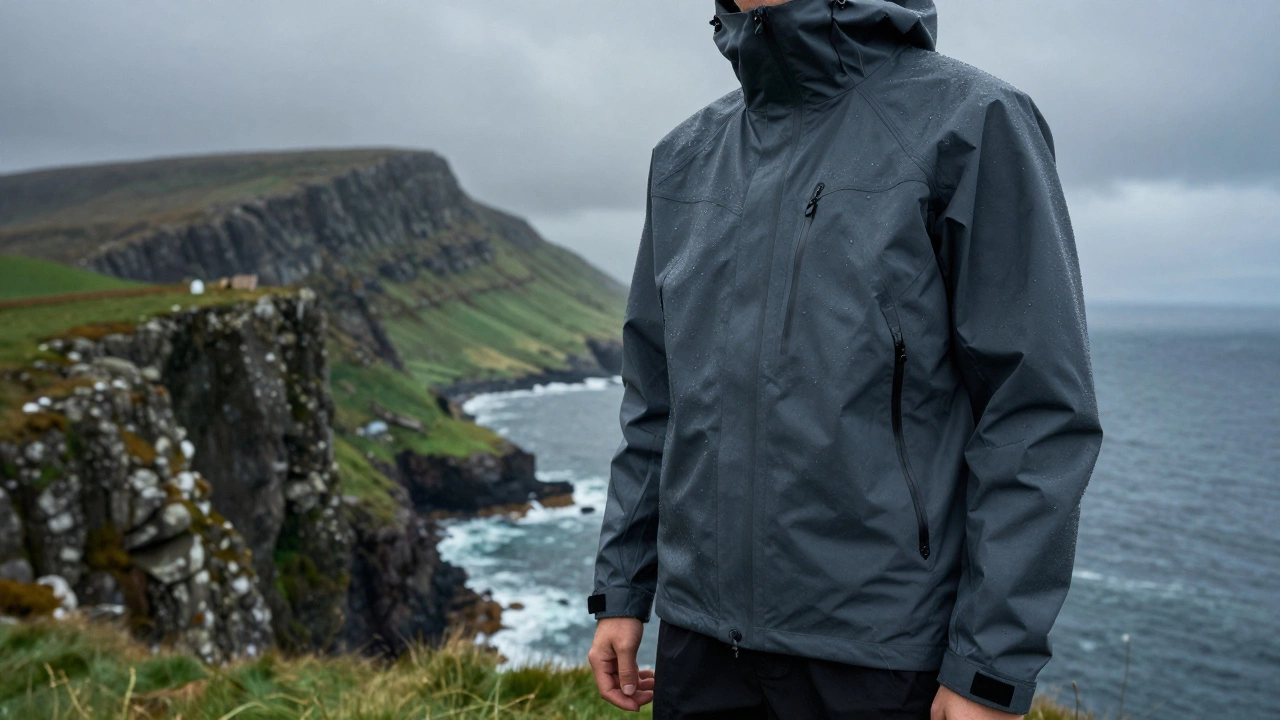
The Outer Shell is your first line of defense against the rain. In Ireland, "water-resistant" isn't enough. You need fully waterproof fabric, usually made from materials like Gore-Tex or proprietary membranes from brands like Patagonia or Arc'teryx. These shells block wind and water while letting sweat escape (breathability). If you’ve ever hiked the Wicklow Mountains only to get soaked from the inside out because your jacket didn’t breathe, you know how important this is.
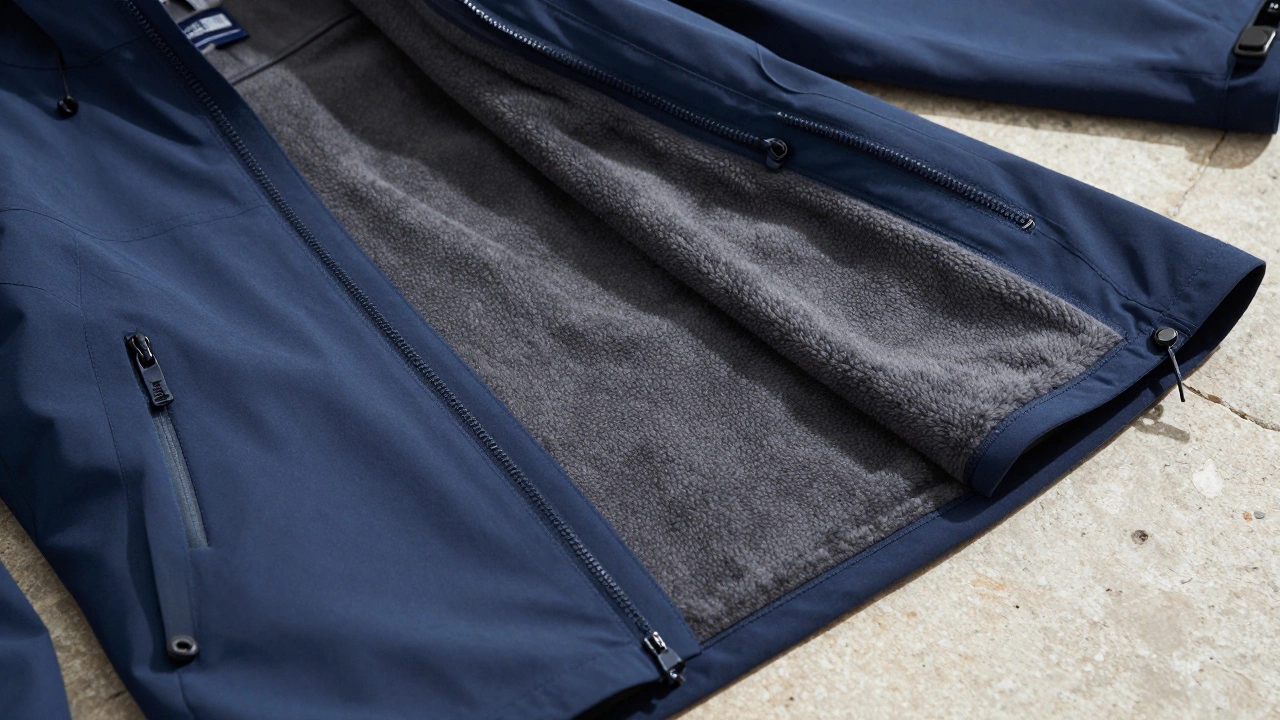
The Inner Liner provides warmth. This is typically a fleece or a synthetic down alternative. Down is great for dry cold, but in Ireland, moisture is always present. Synthetic insulation retains heat even when damp, making it a smarter choice for our humid climate. Fleece liners are also highly breathable, which helps if you’re active-like walking the dog in Phoenix Park or commuting by bike through Cork.
The Connection System allows the two layers to zip together seamlessly. Most modern 3-in-1s have zippers along the sleeves and hem that lock the layers into a single unit. Some high-end models even allow you to adjust ventilation by partially unzipping the connection points.
Why Ireland Needs Versatile Outerwear
Ireland’s microclimates are tricky. The west coast gets hammered with Atlantic storms, while the east might enjoy a crisp, dry day. A single-purpose jacket limits where you can go and what you can do. Here is how a 3-in-1 system adapts to real-life Irish scenarios:
- The Commuter: Imagine catching the Luas in Dublin. It’s raining sideways. You wear the shell. Once you reach the office and take it off, you hang the shell up. You don’t need the heavy insulation indoors.
- The Hiker: You start a hike at the base of Slieve Donard in Northern Ireland. It’s cool but dry. You wear just the fleece. As you climb higher, the temperature drops, and mist rolls in. Zip the shell over the fleece. Now you’re warm and dry without carrying extra weight.
- The Traveler: Visiting the Cliffs of Moher? Wind chill is no joke there. The combined jacket blocks that relentless gustiness better than any single layer could.
This adaptability means you aren’t buying three different coats for spring, autumn, and winter. You’re buying one system that covers all bases. It’s cost-effective and saves closet space-a win for anyone living in a compact city apartment.
Key Features to Look For
Not all 3-in-1 jackets are created equal. When shopping in stores like Dunnes Stores, Brown Thomas, or specialized outdoor shops like Snow + Rock, keep an eye on these specifics:
| Feature | What to Look For | Why It Matters in Ireland |
|---|---|---|
| Waterproof Rating | Minimum 10,000mm | Handles heavy Atlantic downpours without leaking. |
| Breathability | High (RET < 6) | Prevents sweating during active pursuits like cycling or hiking. |
| Hood Design | Adjustable, storm-proof | Must stay put in strong winds common in coastal areas like Westport. |
| Insulation Type | Synthetic (PrimaLoft, Coreloft) | Retains warmth when wet, unlike natural down. |
| Pockets | Zippered, accessible in both modes | Keep your phone safe from rain whether wearing shell alone or combined. |
Pay attention to the hood. In Ireland, a floppy hood is useless. You need one with a stiff brim and multiple adjustment points so it seals around your face. Also, check the cuffs. Velcro straps are essential for stopping wind from whipping up your sleeves while you’re trying to read a menu in a windy pub in Galway.
Top Brands Available in the Irish Market
You’ll find a mix of global giants and value-focused retailers here. Here’s who makes the cut for quality and availability:
- Patagonia: Known for durability and ethical manufacturing. Their Torrentshell 3L paired with a Nano Puff is a classic combo, though they also sell integrated 3-in-1s. Perfect for the eco-conscious consumer.
- Columbia: Offers excellent value. Their Omni-Tech technology provides reliable waterproofing at a lower price point than premium brands. Widely available in department stores across Ireland.
- Marmot: A favorite among serious hikers. Their PreCip Eco shell is lightweight and durable, ideal for long treks in the Wild Atlantic Way region.
- Dunnes Stores / Own Brands: For budget-conscious shoppers, local retailers often stock decent quality 3-in-1s under their own labels. They may lack high-tech specs but serve well for casual urban use.
When choosing, consider your primary activity. If you’re mostly walking the dog and commuting, Columbia or a store brand works fine. If you’re tackling the MacGillycuddy’s Reeks in County Kerry, invest in Patagonia or Marmot.
How to Care for Your 3-in-1 Jacket
Ireland’s damp environment breeds mold and mildew if you’re not careful. Proper care extends the life of your jacket significantly.
- Wash Regularly: Dirt and body oils clog the waterproof membrane. Wash the shell and liner separately according to care labels. Use a technical wash detergent, not regular soap.
- Reproof Annually: Over time, the DWR (Durable Water Repellent) coating wears off. You’ll see water soaking into the fabric instead of beading up. Apply a spray-on or wash-in reproofing treatment before the rainy season hits.
- Dry Thoroughly: Never store a damp jacket. Hang it up to air dry completely. Storing it wet leads to unpleasant odors and fabric degradation.
- Store Open: Keep the jacket unzipped and hung on a wide hanger. Compression bags are for transport, not long-term storage.
Ignoring maintenance turns a £200 jacket into a £50 raincoat within two years. Treat it right, and it’ll last you a decade.

Common Mistakes to Avoid
Many people buy a 3-in-1 jacket and never use it correctly. Here’s what to watch out for:
- Buying Too Big: Remember, you’re layering two garments. If the shell is too loose, it will flap around in the wind. If it’s too tight, you won’t fit the liner underneath. Try it on with both layers zipped together.
- Using the Wrong Insulation: Don’t buy a down-filled liner if you plan to use it in wet conditions. Down clumps when wet and loses its insulating power. Stick to synthetic fill for Ireland.
- Neglecting Ventilation: Even with breathable fabrics, you’ll sweat during exertion. Use pit zips or unzip the front slightly to let heat escape. Overheating is more dangerous than being cold.
Is a 3-in-1 Jacket Worth the Investment?
Let’s talk numbers. A good 3-in-1 jacket costs between €150 and €400. Compare that to buying a separate waterproof shell (€100-€200) and a quality fleece (€50-€100). The 3-in-1 often comes out cheaper or similar in price, but with the added benefit of integrated design and better fit.
More importantly, it reduces decision fatigue. In the morning, you don’t wonder, “Do I need a coat today?” You grab your 3-in-1, configure it based on the forecast, and go. That simplicity has value.
For residents of Ireland, where weather dictates daily life, a 3-in-1 jacket isn’t a luxury-it’s a necessity. It bridges the gap between summer showers and winter freezes, offering protection without bulk. Whether you’re exploring the rugged beauty of Connemara or just heading to the supermarket in Limerick, having the right gear makes all the difference.
Can I machine wash my 3-in-1 jacket?
Yes, most 3-in-1 jackets are machine washable. Always unzip the layers and wash them separately. Use a gentle cycle with cold water and a technical detergent designed for waterproof fabrics. Avoid fabric softeners as they can damage the waterproof coating.
Are 3-in-1 jackets suitable for extreme cold?
They are suitable for typical Irish winters, which rarely drop below freezing for extended periods. However, for extreme sub-zero temperatures, you might need additional mid-layers underneath the liner. The 3-in-1 system is best for variable conditions rather than static extreme cold.
Where can I buy a 3-in-1 jacket in Ireland?
You can find them in major department stores like Brown Thomas and Dunnes Stores, as well as outdoor specialists like Snow + Rock, Decathlon, and online retailers like Amazon.ie. Local sports shops in cities like Dublin, Cork, and Galway also carry reputable brands.
How do I know if my jacket needs reproofing?
If water stops beading up on the surface and starts soaking into the fabric, it’s time to reproof. You can test this by sprinkling water on the jacket. If it absorbs quickly, apply a DWR treatment to restore water repellency.
Can I use a 3-in-1 jacket for formal occasions?
Generally, no. Most 3-in-1 jackets have a sporty or technical look due to their zippers and bulky seams. However, some brands offer slimmer, more tailored designs that can pass as casual smart attire, especially when worn as just the shell.