Denim Dryer Risk Calculator
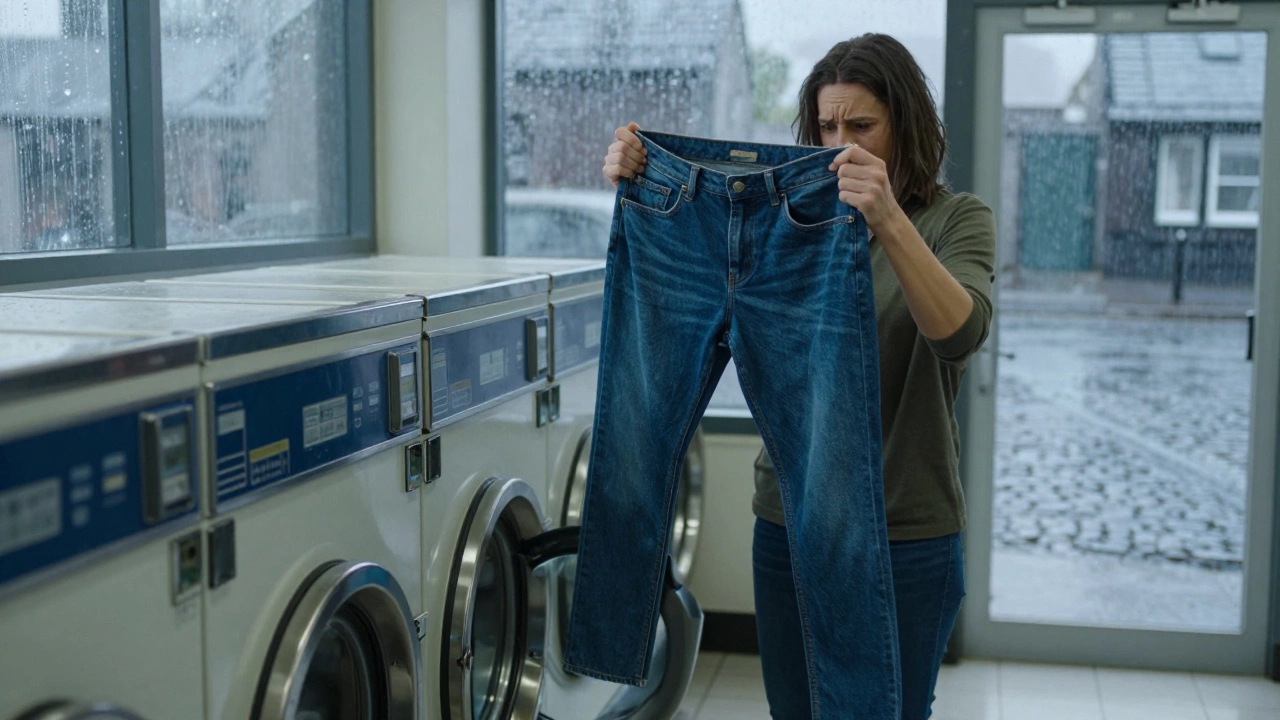
If you've ever stepped out of a Dublin laundrette feeling excited about your clean clothes, only to find your favourite pair of trousers suddenly sits two inches up your thighs, you know the frustration all too well.
The simple answer is yes, jeans shrink in the dryer, but it isn't guaranteed every single time. It depends entirely on what those jeans are made of and how hot that drum gets. If you live in Ireland, where the weather keeps many of us relying on machine drying rather than hanging outside in the damp chill, knowing how to handle your denim makes all the difference between keeping a perfect fit and ruining your wardrobe investment.
Why Does Denim Actually Shrink?
To understand why your trousers might change size, we need to look at the fibres themselves. Most classic jeans are woven from a sturdy cotton fabric. Cotton is a natural fibre, which means it behaves like a sponge when wet and reacts to heat by contracting.
When you buy new denim, the fabric has usually been "pre-shrunk" during manufacturing. Manufacturers anticipate that consumers will wash their jeans and want to minimise the risk of major size changes. However, pre-shrinking isn't magic. It reduces the likelihood of massive shrinkage, not the possibility of it happening at all.
Here is what happens inside the dryer: water molecules trapped in the fibres evaporate rapidly under high heat. As the moisture leaves, the fibres tighten up and twist together. Think of it like a rug left in the sun; it eventually curls at the edges because the tension shifts. When you put hot, damp cotton into a high-heat dryer cycle, you accelerate this process. Once the fibres have tightened, they stay tightened unless treated again with water and mechanical action.
Cotton Vs. Blends: The Difference in Shrinkage
Not all jeans are created equal. If you walk into a store like Dunnes Stores in Dundrum or head to a specialist shop on Grafton Street, you'll see a variety of materials listed on the hang tags.
Comparison of denim fabrics and shrinkage potential
| Material Composition | Shrinkage Risk | Recommended Dry Setting |
|---|---|---|
| 100% Cotton Denim | High (2-5%) | Air Dry / Low Heat Only |
| Cotton + Elastane (Stretch) | Moderate (0-3%) | Low Heat / Cool Iron |
| Polyester Blend Denim | Low (Minimal) | Normal Cycle Safe |
Raw or selvedge denim, often favoured by collectors in cities like Galway or Cork, consists almost entirely of cotton. These pairs are notorious for shrinking significantly in the first few washes. If you own these, avoid the dryer completely. In contrast, a standard pair of stretchy jeans containing synthetic polymers like polyester or elastane is much more forgiving. Synthetics do not contract as easily as natural fibres. They essentially act as a cage around the cotton, holding the shape even when heated.
This distinction is vital for students living in university accommodation across Ireland. Many student halls provide shared laundry facilities with powerful commercial dryers. Using the hottest setting there guarantees shrinkage for pure cotton jeans, while blended fabrics will likely bounce back to their original dimensions within days.
Decoding the Care Label
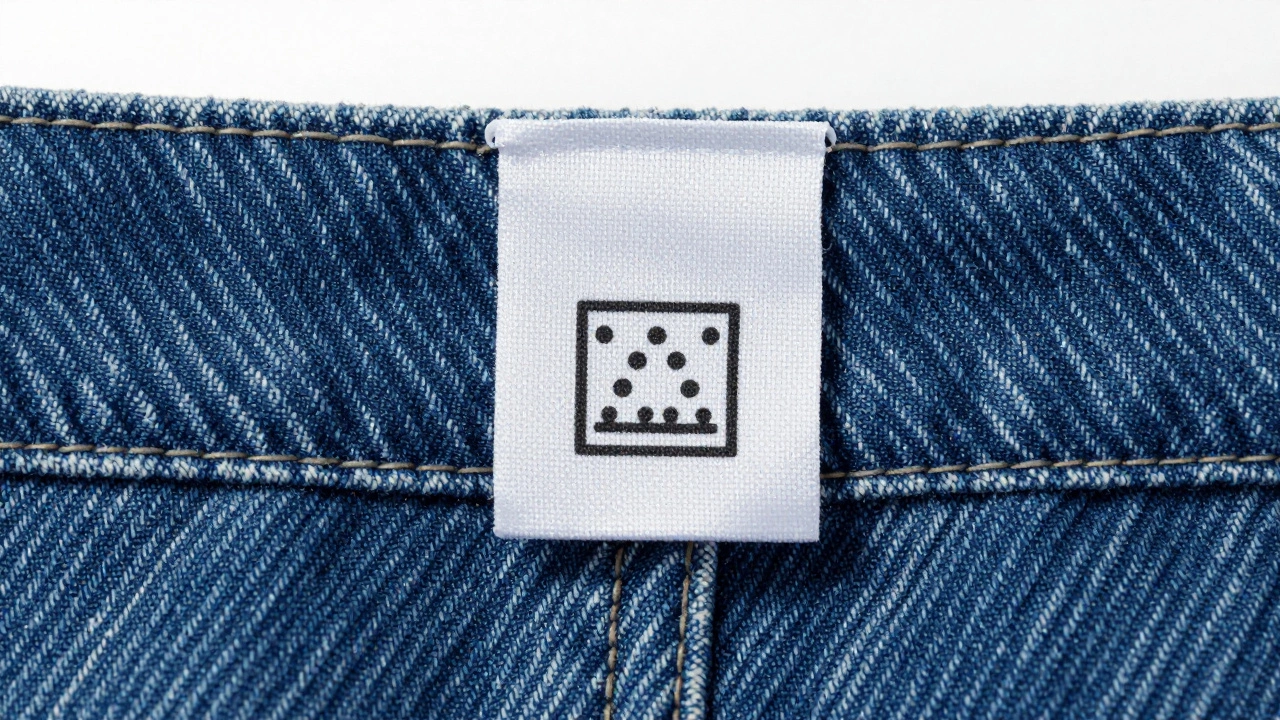
The safest way to treat your clothing is to follow the instructions printed on the garment itself. Inside the waistband or near the hem, you should find a care label. Look specifically for the laundry symbol featuring a square with a circle inside it. If there is a dot in the middle of the circle, it indicates a low temperature setting. If there are three dots, higher heat is permitted.
However, if you see an 'X' over that circle, you must never put the item in a tumble dryer. For many premium denim brands available in Ireland, you will often see this cross-out symbol. The manufacturers know that their design relies on specific measurements, and they cannot guarantee the fit after a machine dry cycle. Ignoring this warning is one of the fastest ways to ruin expensive clothing.
Risks Beyond Shrinkage
We tend to think only about length changing, but shrinkage affects width and weight too. Your jeans might not just get tighter around the waist; they could also become shorter in length and narrower at the hips. This distortion can make them uncomfortable to wear. Beyond fit, the tumbling action damages the fibres physically.
The constant friction against the metal drum of the dryer causes abrasion. Over time, this creates a faded, worn appearance known as "frosting" on pockets and seams. While some fashion trends aim for that distressed look, excessive drying ages the garment faster. In an Irish household trying to keep clothes looking presentable throughout the year, controlling the dry environment helps extend the lifespan of each piece significantly.
Fabrics also lose strength. Repeated exposure to the intense heat cycles weakens the weave. Eventually, the material becomes brittle. You might notice holes starting to appear at the knees or crotch before you expect them to happen. By choosing lower temperatures, you preserve the structural integrity of the fabric threads.
How to Dry Jeans Safely in Ireland
Living through Irish winters can mean our homes feel damp without central heating support. We rely heavily on drying cupboards and electric radiators. For delicate fabrics like raw denim, using these alternative methods is best.
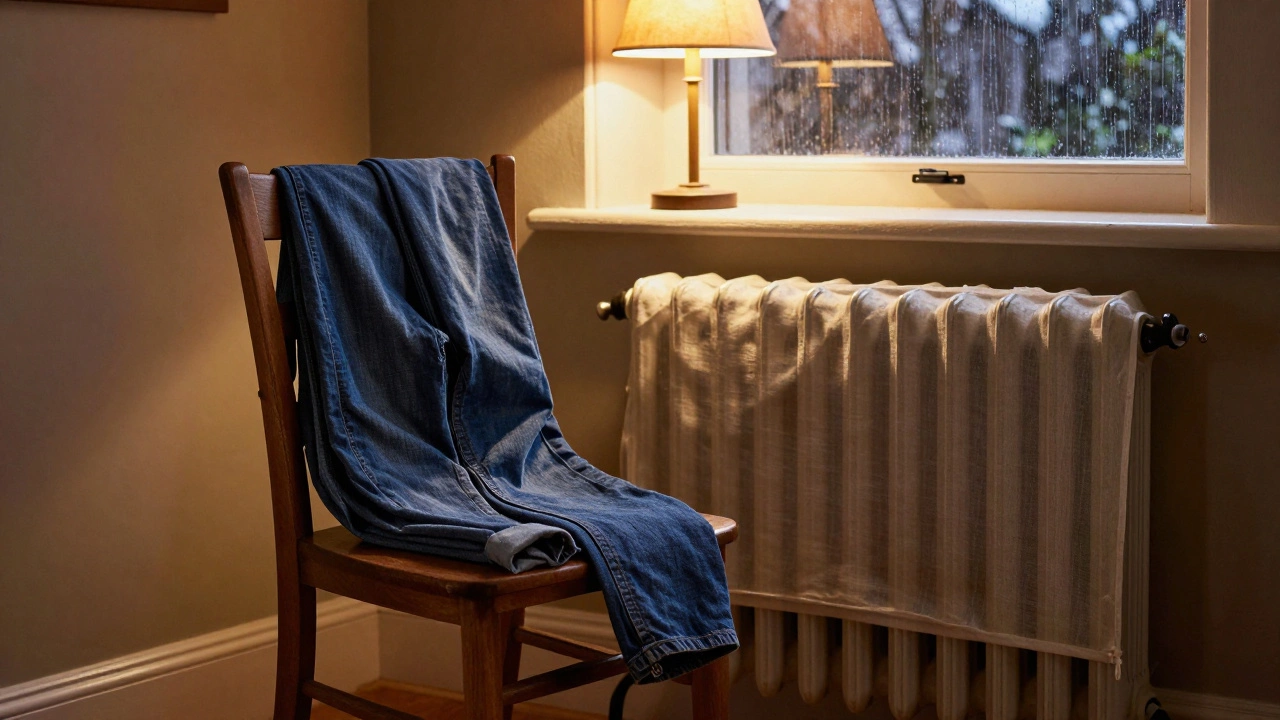
Line drying outside during the summer months in sunny spots like the Wild Atlantic Way or just your own backyard in County Meath works wonders. The sun acts as a natural bleacher and dries the clothes gently. In the rainy season, placing jeans on a radiator cover indoors works well enough. Just ensure air can circulate around them. Hanging them over a chair instead of folding them allows gravity to keep the shape intact.
If you absolutely must use a machine dryer, switch to the lowest heat setting available. Some modern machines have a specific "Delicates" or "Air Fluff" mode that tumbles the clothes without generating significant warmth. This removes moisture without shocking the fibres. Furthermore, take the jeans out while they are still slightly damp. Let them finish drying naturally on a hanger. This gives you control over the final fit and ensures you don't over-dry the material.
Resizing That Happened Too Much
Sometimes, mistakes happen. Maybe you bought a second-hand pair from a charity shop in Waterford or Kilkenny and got greedy with the washer settings. If your jeans are too small after the wash, all is not lost.
You can try stretching them back out. Fill a bucket with lukewarm water and add hair conditioner. Soak the jeans for about twenty minutes, then squeeze out the excess water without twisting the fabric. Put them on while they are damp and move around-squat, sit, stretch. Wear them until they dry completely. The conditioner softens the fibres allowing them to expand. It is not a perfect solution, but it can regain an inch or two of comfort.
Long-Term Care Tips
There are simple habits you can adopt to maintain quality denim. First, wash your jeans less frequently. Unless they are stained or odorous, turning them inside out and airing them out is usually sufficient. This reduces overall wear and tear.
Second, always zip up fly and button buttons before washing. This prevents snagging other clothes in the drum and protects the zipper teeth from getting bent by heavy spinning. Third, separate dark and light colours to prevent dye transfer, which ruins the aesthetic appeal of both loads.
If you are buying new jeans and want to prevent future issues, check the size tag carefully. Retailers in Ireland sometimes sell "vanity sizing" where sizes vary by brand. Knowing your exact hip and waist measurements helps you choose the right fit regardless of shrinkage risks.
Can I stop jeans from shrinking in the wash?
To stop shrinkage during washing, use cold water instead of warm or hot water. Cold water minimizes fibre contraction. Also, avoiding the agitation cycle on high speed helps reduce stress on the fabric.
How much do 100% cotton jeans shrink in the dryer?
On average, 100% cotton jeans can shrink anywhere from 1% to 5% after a single dryer cycle. This translates to roughly 0.5 to 2 inches in inseam length depending on the original cut.
Is it better to iron or tumble dry jeans?
Ironing is safer for the fabric but requires more effort. If you must smooth wrinkles, turn the jeans inside out and use a medium steam setting to protect the outer colour and texture from scorch marks.
Does stretching fix shrunken jeans permanently?
Manual stretching provides temporary relief. While the fibres expand initially, repeated heat or washing can cause them to contract again. Consistent low-heat drying maintains the size better.
Are synthetic blends less likely to shrink?
Yes, denim containing polyester or elastane resists shrinkage far better than pure cotton. The synthetic components hold their shape even when exposed to high heat environments.