Suit Quality Checker
Run through these 5 critical checks before buying your next suit. Select the option that best matches what you see/feel.
Your Verdict
Select options above
You’re standing in a fitting room on Grafton Street or browsing the racks at Brown Thomas, trying to figure out if that €400 suit is actually worth it compared to the €150 one you saw online. It’s a common dilemma for guys across Ireland, from corporate types in Dublin’s IFSC to grooms preparing for weddings in Cork. The truth is, most people can’t tell the difference until they’ve worn the cheap one for six months and noticed the shoulders sagging or the buttons popping off during a handshake. But if you know where to look, the secrets of men's suits are pretty easy to spot. You don’t need a degree in textile science to know if you’re getting your money’s worth; you just need to know what to check before you hand over your card.
Check the Fabric First
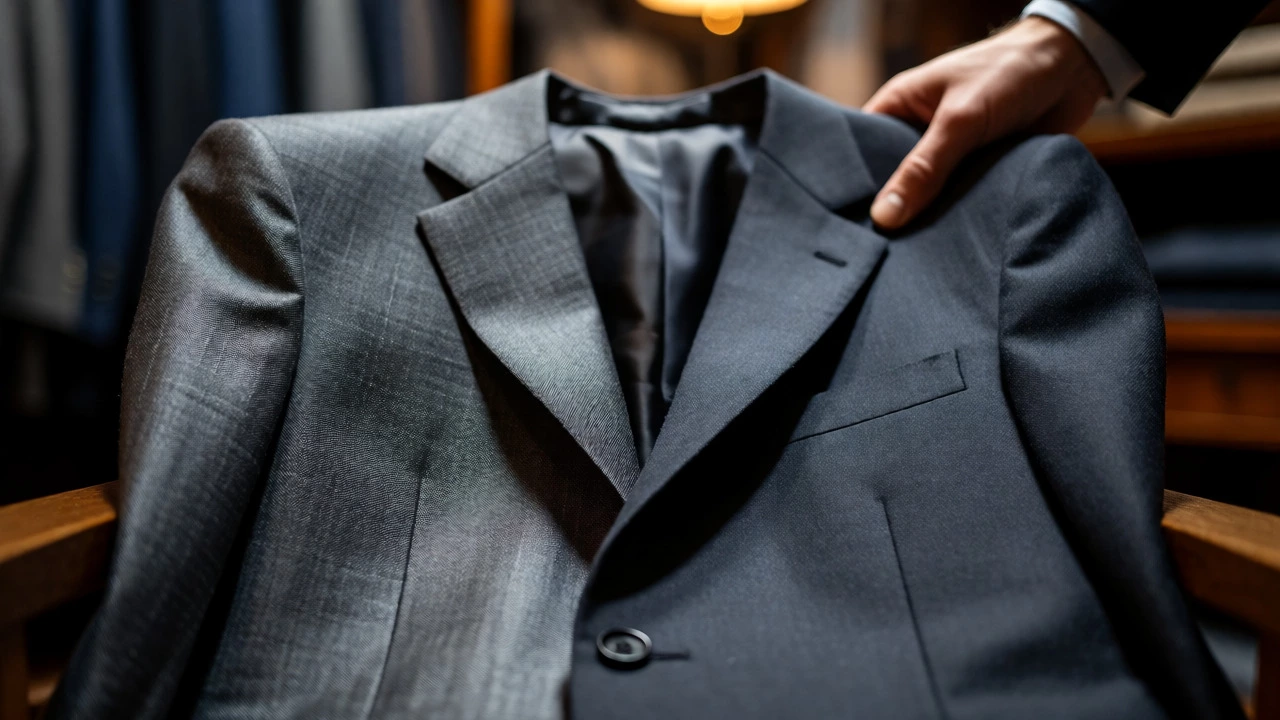
The first thing you should do is touch the cloth. A high-quality suit uses natural fibers like wool, cashmere, or silk, while cheaper options often rely on polyester blends. In Ireland, where the weather can swing from drizzle to sunshine in ten minutes, breathability matters. Run your hand over the lapel. Does it feel smooth and cool, or does it have a slight plastic-like slickness? That slickness usually signals synthetic materials. High-end suits often use Super 110s to Super 150s wool, which feels finer and drapes better. If the fabric feels stiff or makes a rustling sound when you move your arm, it’s likely a lower-grade material that won’t breathe well during a long day at work or a night out at a pub.
| Feature | Cheap Suit | Expensive Suit |
|---|---|---|
| Material | Polyester blend, rough wool | 100% Wool, Cashmere, Linen |
| Feel | Plastic-like, stiff, shiny | Soft, matte, breathable |
| Drape | Boxy, holds shape artificially | Flows naturally with body |
| Wrinkle Recovery | Holds creases permanently | Bounces back quickly |
Inspect the Construction Method
This is where the real cost hides. Most affordable suits found in chain stores like Next or H&M are "fused." This means the inner canvas layer is glued to the outer fabric. It’s faster and cheaper to make, but it creates a stiff, cardboard-like feel. Over time, especially after dry cleaning, the glue can bubble or separate, creating ugly wrinkles on the chest. An expensive suit, particularly those made by Irish tailors or reputable brands like O’Connell’s in Dublin, uses "half-canvas" or "full-canvas" construction. Here, a floating layer of horsehair or wool canvas is stitched between the lining and the fabric. This allows the suit to mold to your body over time and move with you. To test this, pinch the bottom of the lapel. If you can feel two distinct layers sliding against each other, it’s canvas. If it feels like one thick, solid piece, it’s fused.
Look at the Buttons and Buttonholes
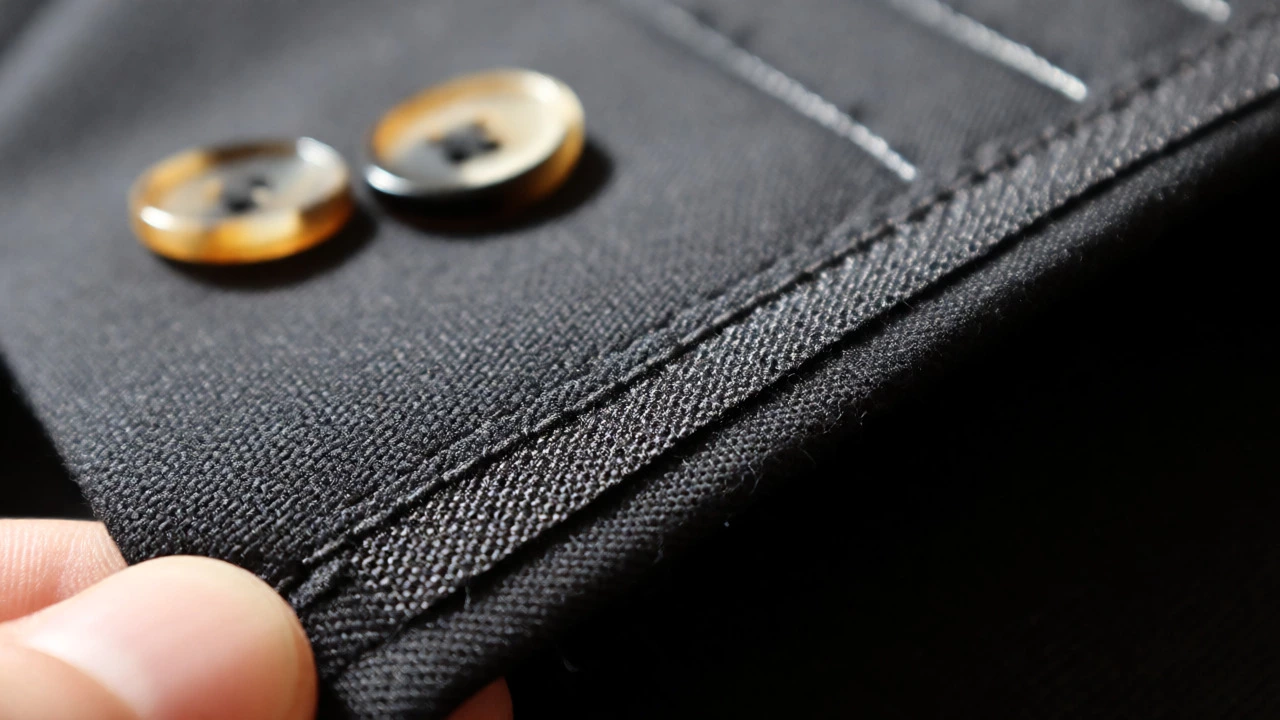
Don’t underestimate the hardware. Cheap suits use plastic buttons that look glossy and uniform. They also use thread that matches the button color exactly, which looks flat. High-end suits often feature buttons made from horn, mother-of-pearl, or corozo (a nut-based material). These have natural variations in color and texture. Hold a button up to the light; if it has depth and irregularities, it’s likely natural. Also, check the buttonholes. On a quality garment, the buttonhole stitching is dense, raised, and precise. On cheaper models, the stitching is sparse and may fray within a few wears. Some bespoke tailors in cities like Galway or Limerick will even leave the last buttonhole on the sleeve cuff unsewn, a traditional sign that the jacket hasn’t been altered yet, though many ready-to-wear luxury brands sew them closed for convenience.
Evaluate the Fit and Silhouette
A poorly fitted expensive suit still looks bad, but a cheap suit rarely fits perfectly off the rack because it’s cut for a generic average. Expensive suits account for posture and shoulder slope. Look at the shoulders. There should be no divots or wrinkles running diagonally from the neck to the arm. If the shoulder pads stick out beyond your natural frame, it’s a boxy, mass-produced cut. Check the collar too. The back of the jacket collar should sit flush against your shirt collar. If there’s a gap of more than a centimeter, the balance of the jacket is wrong. This is a critical flaw that no amount of ironing can fix. In Ireland, where we might wear heavier shirts or jumpers underneath, a proper fit ensures you aren’t looking bulky or constrained.

Examine the Stitching Details
Zoom in on the seams. Quality control is visible in the stitch density. Count the stitches per inch. A higher count (around 12-14 stitches per inch) indicates better craftsmanship and durability. Cheap suits often have loose threads or uneven spacing. Pay attention to the "surgeon’s cuffs"-the functional buttonholes on the sleeve. While not exclusive to expensive suits, they are a hallmark of tailored garments. More importantly, look at the interior. Flip the jacket inside out. Are the seams finished cleanly? Do you see serged edges or bound seams? Cheap suits often have raw, unfinished edges that unravel. A good lining, typically Bemberg cupro or silk, allows the jacket to slide easily over your shirt. If the lining is thin polyester that clings to static, you’ll feel uncomfortable throughout the day.
Consider the Long-Term Value
Buying a cheap suit might save you €200 today, but if it needs replacing every year due to wear and tear, you’re losing money. An expensive suit, properly maintained, can last five to ten years. Think about the cost-per-wear. If you wear a €600 suit twice a month for three years, it costs less per wear than a €150 suit you replace annually. Plus, there’s the confidence factor. Walking into a meeting in Dublin or attending a wedding in Kerry with a suit that fits well and looks sharp gives you an edge. Tailoring is key here. Even a mid-range suit can look premium if a local tailor adjusts the sleeves and waist. However, remember that tailoring cannot fix fundamental construction flaws like fused canvases or poor shoulder alignment.
Is a full canvas suit really necessary?
For everyday wear, half-canvas is often sufficient and offers a good balance of structure and flexibility. Full canvas is best for formal occasions or if you want the suit to mold perfectly to your body over many years. In Ireland’s variable climate, half-canvas provides enough breathability without the excessive weight of full canvas.
Can I wash a wool suit at home?
No, never machine wash a structured wool suit. The agitation and heat will shrink the fabric and ruin the canvas structure. Spot clean minor stains immediately and take the suit to a professional dry cleaner only when necessary, ideally once or twice a year. Between cleanings, hang it on a wide wooden hanger to let wrinkles fall out.
What is the best brand for suits in Ireland?
There is no single "best" brand, as it depends on your budget and style. For high-end bespoke, look at established Irish tailors in Dublin or Cork. For off-the-rack quality, international brands like Suitsupply or Reiss offer good value. Local Irish heritage brands often provide excellent customer service and alteration services included in the price, which adds significant value.
How much should I spend on my first good suit?
Aim for between €300 and €500 for your first serious suit. This range gets you into half-canvas construction with decent wool fabrics. Spending less often results in fused suits that look shiny under office lights. Spending significantly more is worthwhile only if you wear suits daily and require custom fit adjustments.
Do dark colors hide cheapness better?
Yes, darker colors like navy and charcoal grey are more forgiving of minor fabric imperfections and poor dye consistency. Lighter colors and bold patterns reveal every flaw in construction and fabric quality. If you are on a tight budget, sticking to solid dark neutrals is a smart strategy to maintain a polished appearance.