Sheepskin Boot Value Calculator
Select a boot type below to see its estimated value score and suitability for the Irish climate. Adjust the budget slider to see which options fit your wallet.
Choose a Brand/Type:
Analysis Result
Please select a boot type to view details.
You’ve seen them lining the cobblestones of Grafton Street, peeking out from under trench coats on a rainy Tuesday in Dublin, and worn by everyone from college students at Trinity to parents doing the school run in Cork. They’re warm, they’re fuzzy, and they’re undeniably iconic. But if you’ve ever paused while tying your laces-or rather, pulling on those soft sheepskin liners-you might have wondered: what does UGG stand for? Is it an acronym for some high-tech fabric? A secret code for "Ultra Good Grip"? Or maybe something about "Unbelievably Great Ground"?
The answer isn’t quite what most people expect. It’s not a corporate slogan invented in a boardroom. In fact, the term has roots that stretch back decades before the brand we know today existed. If you’re buying a pair here in Ireland, whether from Brown Thomas or a local boutique in Galway, understanding where the name comes from helps you appreciate why these boots cost what they do-and why they’re so perfectly suited to our damp, chilly climate.
The Short Answer: It’s Not Really an Acronym
Let’s clear up the biggest misconception right away. When people ask what does UGG stand for, they are usually looking for a neat little phrase like "Unique Gentle Grips." But historically, the word "ugg" wasn’t an acronym at all. It was slang.
In Australia and New Zealand, during the 1960s and 70s, surfers started using the term "ugg" as a shortened version of "ugly." Why ugly? Because early sheepskin boots looked clunky, bulky, and frankly, a bit strange compared to the sleek leather shoes everyone else was wearing. Surfers would come off the beach with wet feet, slip into these rough, homemade sheepskin boots to dry out, and joke about how "ugly" they looked. The name stuck because it was easy to say and fit the rugged, no-nonsense vibe of the surf culture.
UGG is a global footwear brand known for its sheepskin-lined boots, originally derived from Australian surf slang for 'ugly' due to the boots' bulky appearance. While often mistaken for an acronym, the term represents a category of footwear that prioritizes warmth and comfort over traditional aesthetics.
So, when you walk into a store in Dublin City Centre, you aren’t buying "Ultimate Ground Gear." You’re buying a piece of surf history that got rebranded. This distinction matters because there are thousands of "ugg-style" boots sold across Ireland that aren’t made by the official UGG brand (owned by Deckers Outdoor Corporation). Knowing this helps you avoid paying premium prices for generic pairs that might fall apart after one Irish winter.
From Aussie Surf Shacks to Irish Streets
How did a slang term for "ugly" become a fashion staple in Northern Europe? The journey took about thirty years. In the 1970s, American surfer Brian Smith noticed Aussies wearing these boots. He brought them to California, where they became popular among surfers and skaters. But it wasn’t until the late 1990s and early 2000s, when celebrities started wearing them, that UGG went mainstream globally.
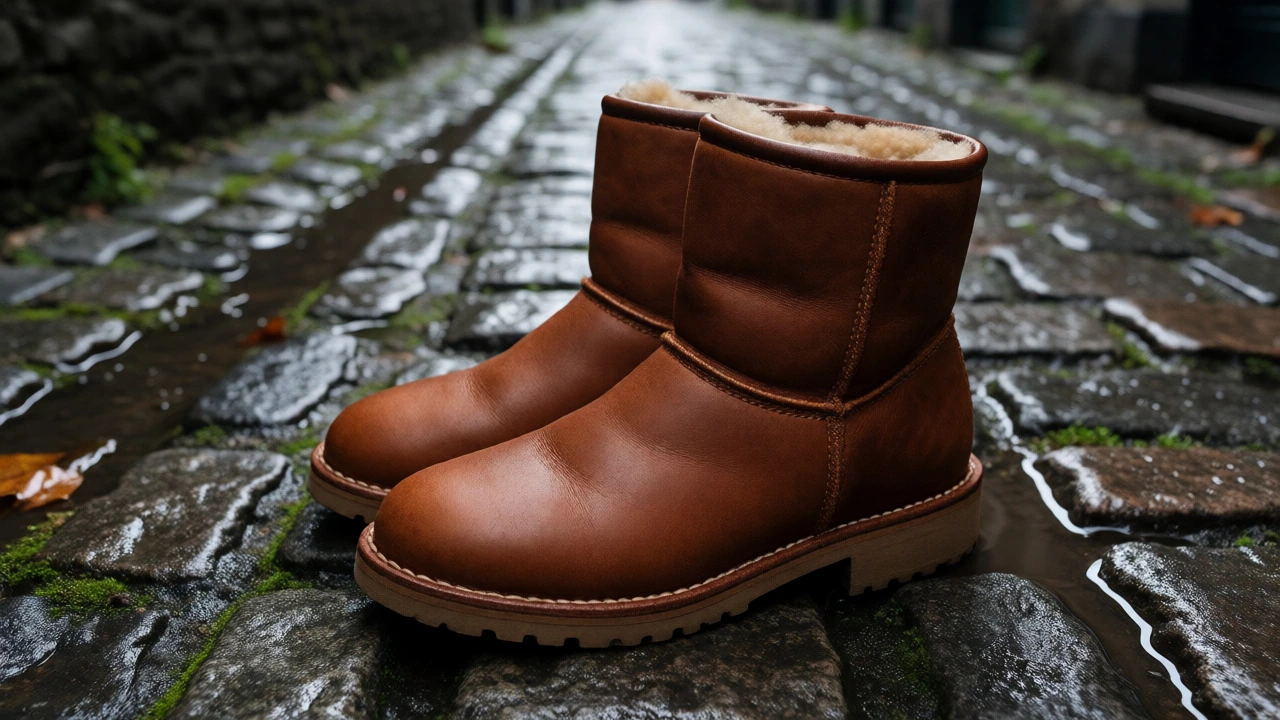
For us in Ireland, the timing was perfect. We don’t need heavy, stiff hiking boots for every day. We need something that handles the rain but keeps feet warm without making us look like we’re heading up Croagh Patrick. Sheepskin is naturally breathable yet insulating. Unlike synthetic materials that trap sweat and make feet cold once you stop moving, genuine sheepskin regulates temperature. That’s why you see them everywhere from the busy streets of Belfast to the quiet villages of Kerry.
It’s worth noting that the original "ugg" boots were handmade. Fishermen and farmers in Australia would use leftover sheepskins from their flocks to create simple slippers. There was no factory line, no quality control checklist. Today, the difference between authentic UGGs and cheap knock-offs found in discount stores is massive. Authentic boots use twin-face sheepskin-meaning the wool and skin are still attached-which provides that signature cushioning and durability.
Why the Name Confuses People (And How to Spot Fakes)
Because "ugg" started as a generic slang term, many manufacturers tried to claim it as a common noun. They argued that any sheepskin boot could be called an "ugg." However, Deckers Outdoor Corporation fought hard in court to protect the trademark. Now, legally, only boots made by the UGG brand can carry the name. Everything else is technically a "sheepskin boot," even if your friend calls hers "uggs."
This legal battle creates confusion for shoppers. If you’re browsing online sites shipping to Ireland, you might see listings for "Australian Ugg Boots" or "Emu Ugg Style." These are legitimate competitors, but they are different brands. Emu Australia, for instance, is a major rival that also uses high-quality sheepskin. The key is to check the label. Genuine UGGs will have specific branding on the heel or inside the boot.
| Brand | Origin | Material Quality | Avg. Price in EUR | Best For |
|---|---|---|---|---|
| UGG (Deckers) | USA/Australia Heritage | Twin-face Grade A Sheepskin | €180 - €250 | Status symbol, long-term durability |
| Emu Australia | Australia | High-grade Merino Wool | €140 - €200 | Value for money, similar comfort |
| Muk Luks | USA | Faux Fur/Synthetic options | €30 - €60 | Budget-friendly, indoor use |
| Generic Market Brands | Various | Variable (often thin lining) | €20 - €50 | Casual wear, short lifespan |
When shopping in Ireland, be wary of prices that seem too good to be true. A pair of real sheepskin boots costs money to produce. The tanning process alone takes weeks. If you find a pair for €25 in a market stall, it’s likely synthetic fur glued to rubber. It won’t breathe, and your feet will sweat in the mild Irish winters, leading to that unpleasant damp feeling we all hate.

Caring for Your Boots in the Irish Climate
Ireland’s weather is tough on footwear. We get rain sideways, mud on the grass, and occasional frost. If you’ve invested in a proper pair, you need to protect them. Many people assume sheepskin is waterproof. It isn’t. Water can penetrate the suede exterior if left untreated.
- Use a Waterproof Spray: Before you wear them outside for the first time, apply a suede protector spray. Reapply this every few months, especially if you’re walking through puddles in Limerick or Sligo.
- Dry Naturally: Never put wet boots near a radiator or fire. Heat shrinks the sheepskin and cracks the sole. Stuff them with newspaper and let them air dry in a room-temperature space.
- Brush the Suede: Use a dedicated suede brush to lift the nap. This restores the texture and hides scuffs from city pavements.
- Rotate Them: Don’t wear the same pair two days in a row. Letting them rest allows moisture from sweat to evaporate completely, keeping the interior fresh.
If you live in a coastal town like Wexford or Donegal, salt air can damage the leather faster. Wipe down the exterior with a damp cloth after exposure to sea spray. It’s a small step that extends the life of your boots by years.
The Cultural Shift: From "Ugly" to Essential
It’s ironic that boots named for being "ugly" are now considered chic. Fashion trends are cyclical, but UGGs have managed to stay relevant by evolving. They’re no longer just for lounging. Designers have created sleeker silhouettes, metallic finishes, and platform styles that work with dresses and jeans alike.
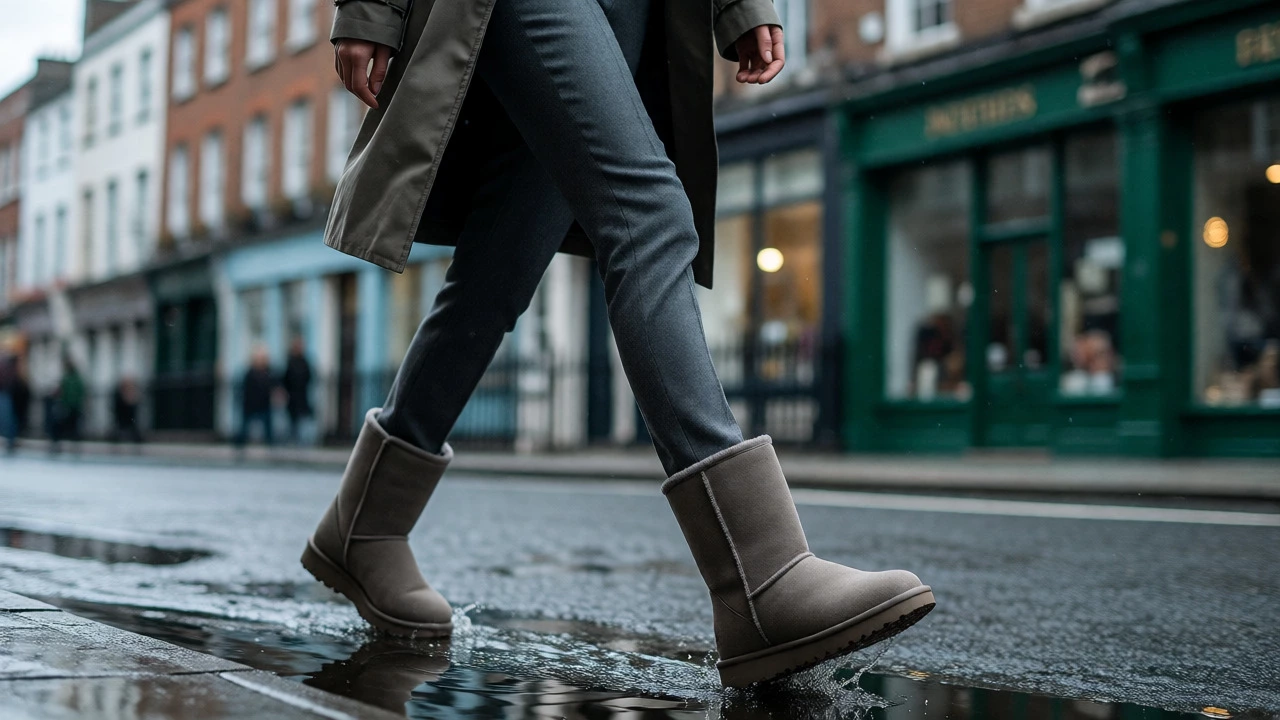
In Dublin, you’ll see them paired with tailored trousers for office workers who commute by bus or bike. The practicality wins out. Who wants cold toes during a meeting? The shift in perception shows that comfort doesn’t have to sacrifice style. As more people prioritize well-being and practicality over rigid fashion rules, the "ugg" aesthetic has become a symbol of relaxed confidence.
Furthermore, the conversation around sustainability is changing how we buy these boots. Consumers in Ireland are increasingly asking questions about sourcing. Where did the sheep come from? Were they treated ethically? Major brands are responding with transparency reports. If you care about ethical fashion, look for certifications regarding animal welfare. This adds another layer to the question of what "UGG" stands for-it’s becoming associated with responsible consumption, not just brand recognition.
Frequently Asked Questions
Does UGG actually stand for anything?
No, it is not an acronym. The term originated in Australia as slang for "ugly," referring to the bulky appearance of early sheepskin boots. Over time, it became a brand name and a generic term for sheepskin boots, though legally, only the UGG brand owns the trademark.
Are UGG boots waterproof?
Not inherently. While sheepskin is water-resistant to a degree, prolonged exposure to rain will soak through the suede. To keep feet dry in the Irish climate, you must treat the boots with a waterproofing spray specifically designed for suede and nubuck.
What is the difference between UGG and other sheepskin boots?
The main difference is the brand and material quality. Authentic UGGs use twin-face sheepskin, where the wool remains attached to the hide, providing superior insulation and durability. Cheaper alternatives often use synthetic linings or lower-grade skins that mat down quickly and offer less breathability.
Can I wear UGG boots in the rain in Ireland?
Yes, but with caution. Light drizzle is fine, especially if treated with protector spray. Heavy rain or standing water should be avoided. If they get soaked, stuff them with paper and let them dry slowly away from direct heat sources to prevent shrinking.
Why are UGG boots so expensive?
The cost reflects the raw materials and craftsmanship. Genuine sheepskin is a natural product that requires careful tanning and processing. Additionally, the brand pays for marketing, retail presence, and strict quality control standards that ensure the boots last for several seasons.
Is "ugg" a generic term or a brand name?
Legally, it is a registered trademark owned by Deckers Outdoor Corporation. Colloquially, many people use it as a generic term for any sheepskin boot. However, when shopping, always check the label to ensure you are buying from the specific brand if that is your preference.
Final Thoughts on Buying Smart
Next time someone asks you what does UGG stand for, you can tell them the truth: it stands for a history of surf culture, a lesson in branding, and a whole lot of warmth. Whether you choose the original brand or a high-quality alternative like Emu, the key is knowing what you’re paying for. In Ireland, where the weather dictates our wardrobe, investing in footwear that balances style with function is never a bad idea. Just remember to treat them with care, and they’ll keep your toes toasty for many winters to come.