Work Shoe Comfort Calculator
€170 | Best for: Nurses, Retail
If you’re on your feet from dawn until dusk-whether you’re serving coffee in a bustling Dublin café, stocking shelves in a Galway supermarket, or managing a busy shift in a Cork hospital-you know the drill. By 4 PM, your lower back is screaming, your arches feel like they’ve collapsed, and every step feels like walking on gravel. In Ireland’s wet climate and uneven pavements, finding the right pair of **comfortable work shoes** isn’t just about style; it’s about survival.
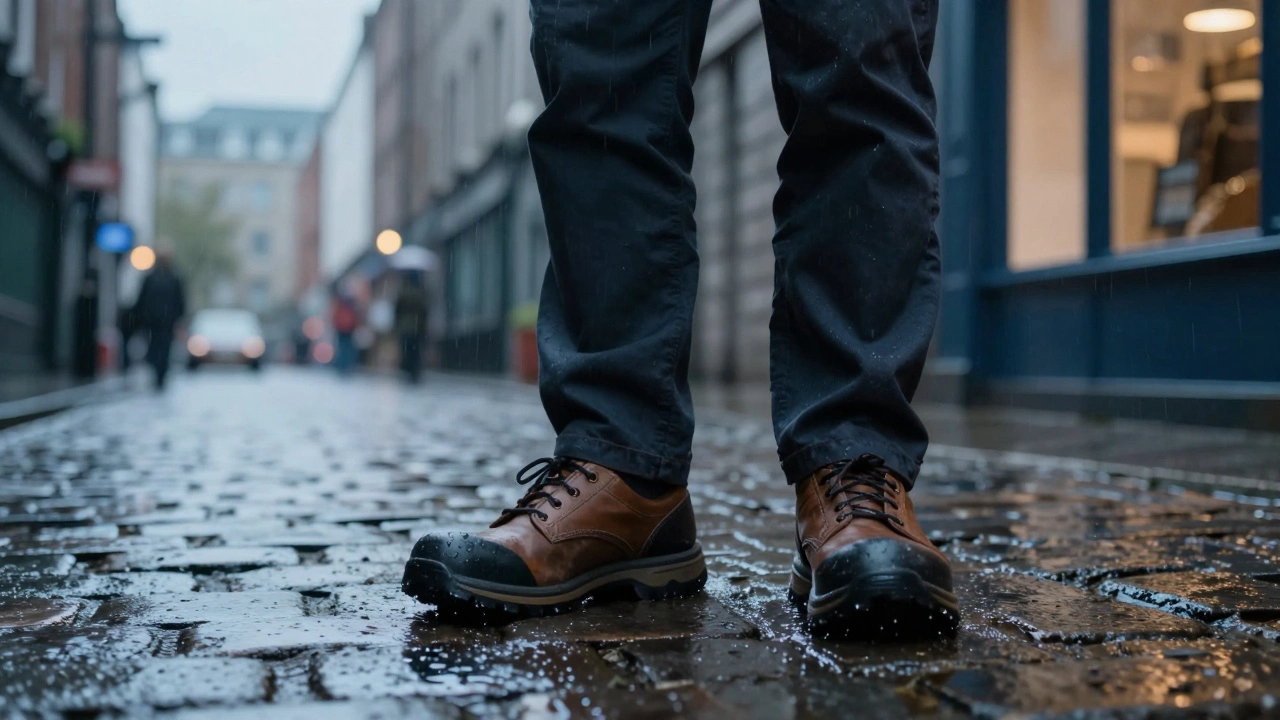
We don’t need to tell you that cheap trainers won’t cut it. You need support, durability, and grip that can handle everything from rain-slicked tiles in a Limerick kitchen to cobblestones outside a historic pub in Kilkenny. This guide breaks down exactly what makes a shoe comfortable for long shifts, which brands dominate the Irish market right now, and how to pick the perfect pair without breaking the bank.
Why Your Feet Hurt After an Eight-Hour Shift
Before we talk about specific models, let’s look at why standing still actually hurts more than walking. When you stand in one place, your muscles stop pumping blood back up to your heart. Gravity takes over, causing fluid to pool in your legs and feet. This leads to swelling, fatigue, and eventually, pain in your knees and lower back.
In Ireland, where many workplaces are older buildings with hard tile or concrete floors, this effect is amplified. Without proper cushioning, the impact travels straight up your skeletal system. The key isn’t just softness-it’s structure. A shoe needs to absorb shock while keeping your foot stable. If the sole is too squishy, your ankle rolls. If it’s too rigid, your joints ache. You need the Goldilocks zone: responsive cushioning with firm arch support.
The Non-Negotiable Features for Long-Shift Footwear
Not all "comfort" shoes are created equal. When shopping online or in stores across Dublin, Cork, or Belfast, check for these five critical features:
- Arch Support: Look for built-in orthotic support or removable insoles. Flat feet (common in Ireland) need extra lift to prevent plantar fasciitis.
- Cushioned Midsole: Materials like EVA foam or memory gel absorb impact. Brands like Hoka and Brooks excel here.
- Slip Resistance: Essential for kitchens and hospitals. Look for rubber outsoles with deep treads. In Ireland, where rain is frequent, this also helps on outdoor paths.
- Breathability: Mesh uppers keep feet dry. Wet feet lead to blisters and fungal infections, especially in humid Irish winters.
- Rocker Sole: A curved bottom encourages forward motion, reducing strain on your calves and Achilles tendon.
Avoid leather-only shoes unless they’re specifically designed for work. Traditional leather boots look smart but often lack the flexibility needed for all-day standing. Synthetic materials with mesh panels offer better airflow and lighter weight.
Top Shoe Picks for the Irish Market in 2026
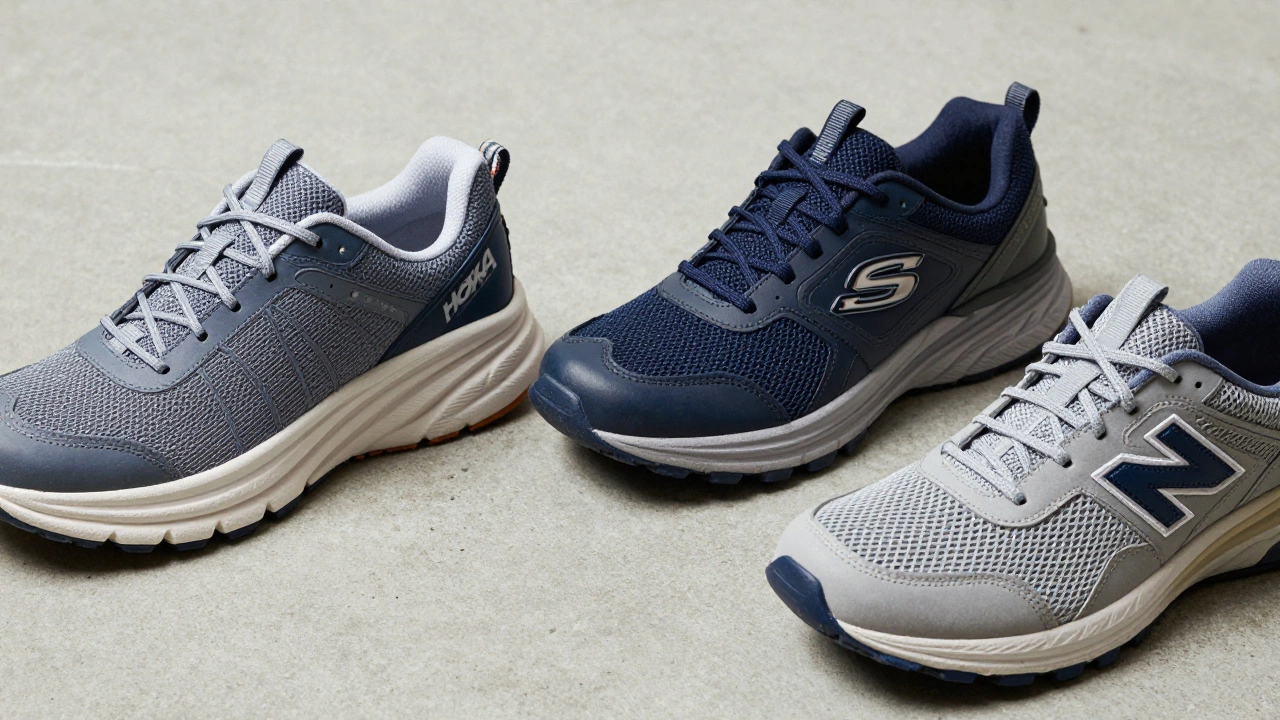
Based on reviews from healthcare workers, hospitality staff, and retail employees across Ireland, these are the top contenders for 2026:
| Shoe Model | Best For | Key Feature | Approx. Price (€) |
|---|---|---|---|
| Hoka Bondi 8 | Nurses, Retail | Maximum cushioning | 170 |
| Skechers Arch Fit | Kitchen Staff, Hospitality | Arch support + slip resistance | 90 |
| New Balance Fresh Foam X 880v13 | Mixed Use (Indoor/Outdoor) | Durability & stability | 140 |
| Allbirds Tree Runners | Office/Light Duty | Breathability & lightweight | 110 |
| Crocs LiteRide Clog | Medical/Clean-Up | Ease of cleaning | 65 |
Hoka Bondi 8: These are the heavyweights. With thick, marshmallow-like soles, they absorb almost all impact. Perfect if you have knee issues. However, they’re bulky and not ideal for narrow kitchen spaces.
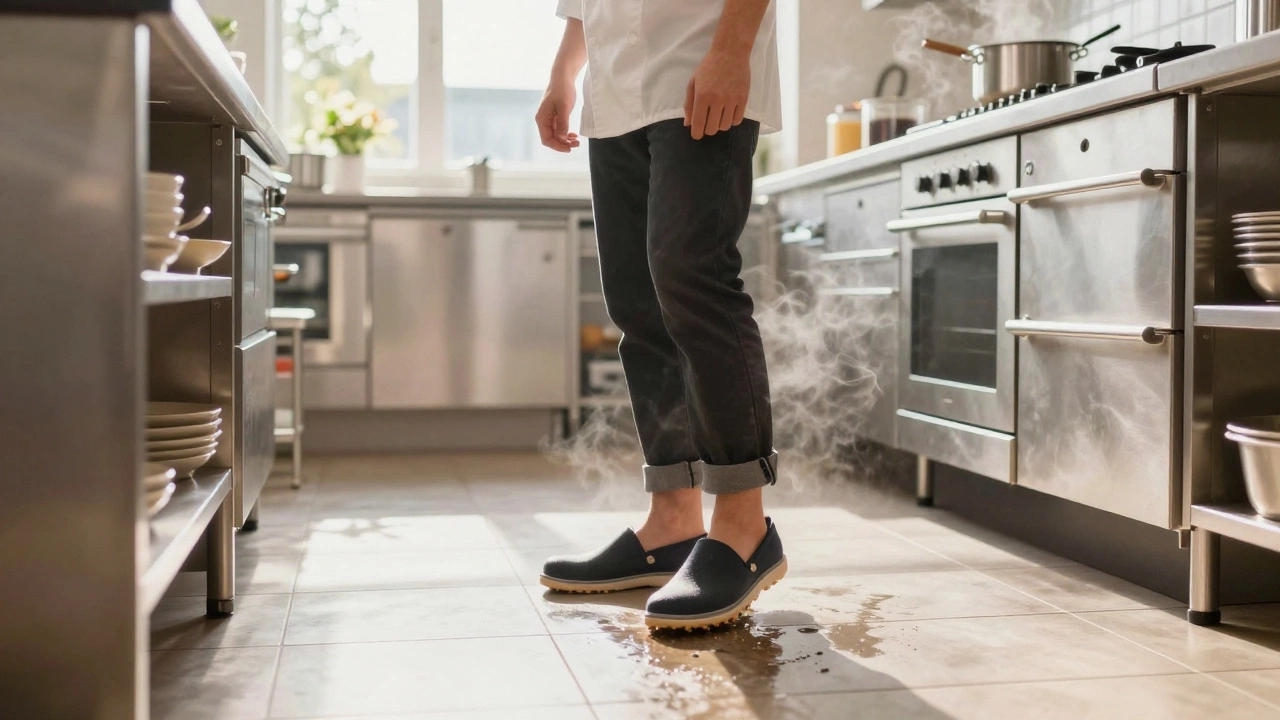
Skechers Arch Fit: A favorite among Irish chefs and servers. They’re affordable, machine-washable, and come with a podiatrist-certified arch support system. The slip-resistant sole handles spilled soup and rain equally well.
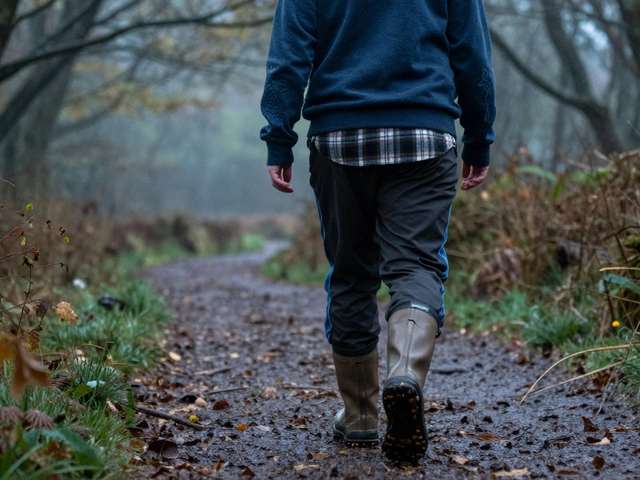
New Balance Fresh Foam: Great for those who walk between sites. If you’re a paramedic or delivery driver in rural counties like Mayo or Donegal, these offer the durability to handle gravel and mud.
Where to Buy Comfortable Work Shoes in Ireland
You don’t need to order from overseas. Several retailers stock high-quality options locally:
- Boots & Shoes Stores: Chains like Schuh and Sports Direct have wide selections in city centers. Try them on in-store to ensure proper fit.
- Specialist Orthopedic Shops: In Dublin, stores like "The Shoe Repair" or medical supply shops carry brands like Vionic and Dansko, which are pricier but last longer.
- Online Retailers: Sites like Amazon.ie and ASOS deliver quickly. Check return policies carefully-some don’t accept returns on worn shoes.
- Local Cobblers: Don’t throw away good shoes after six months. Take them to a local cobbler in your town (e.g., in Waterford or Sligo) for new insoles or heel repairs. It extends their life by years.
Pro Tips for Maximizing Comfort
Even the best shoes won’t help if you use them wrong. Here’s how to get the most out of your investment:
- Replace Insoles Every 6 Months: Cushioning compresses over time. Swap them out before you feel pain.
- Rotate Your Shoes: Wear two pairs alternately. This lets the foam rebound and reduces moisture buildup.
- Wear Moisture-Wicking Socks: Cotton traps sweat. Choose merino wool or synthetic blends. Brands like Smartwool or even basic Decathlon socks work well.
- Stretch Before and After Shifts: Do calf stretches and toe curls. It keeps your muscles flexible and prevents cramps.
- Check for Wear Patterns: If the sole is worn unevenly, your gait is off. See a physiotherapist if this happens frequently.
Common Mistakes to Avoid
Many people buy shoes based on looks alone. A sleek black loafer might look professional, but if it lacks arch support, it’s torture. Others buy size-up thinking it’ll be more comfortable. Too much space causes blisters and instability. Stick to your true size and prioritize function over fashion.
Also, avoid wearing the same shoes for weekends. Give your feet a break. Walk barefoot on grass when possible-it strengthens the small muscles in your feet that get weakened by stiff soles.
Frequently Asked Questions
What is the most comfortable shoe for standing all day in Ireland?
For most people, the Hoka Bondi 8 or Skechers Arch Fit are the top choices. Hoka offers maximum cushioning for joint pain, while Skechers provides excellent arch support and slip resistance at a lower price point. Both are widely available in Irish stores.
Are Crocs okay for working long hours?
Only if they’re the "LiteRide" or "Work" versions with arch support. Regular Crocs lack structure and can cause foot fatigue. They’re great for quick clean-ups but not for eight-hour shifts.
How often should I replace my work shoes?
Every 6-12 months, depending on usage. If you notice increased pain or visible wear on the sole, it’s time to replace them. Replacing insoles every 6 months can extend the shoe’s life.
Can I wear running shoes for work?
Yes, but choose neutral running shoes with good lateral support. Avoid racing flats or minimalist shoes. Running shoes are designed for forward motion, so they may not provide enough side-to-side stability for kitchen work.
Where can I buy orthopedic shoes in Dublin?
You can find orthopedic brands like Vionic, Dansko, and New Balance in major department stores like Brown Thomas or specialist shoe shops in Grafton Street. Online, Boots.com and Amazon.ie offer wide selections with fast delivery.