Irish Summer Dress Suitability Calculator
Select the attributes of your intended outfit to see if it's ready for Dublin's microclimates.
Suitability Score
Pro Tip
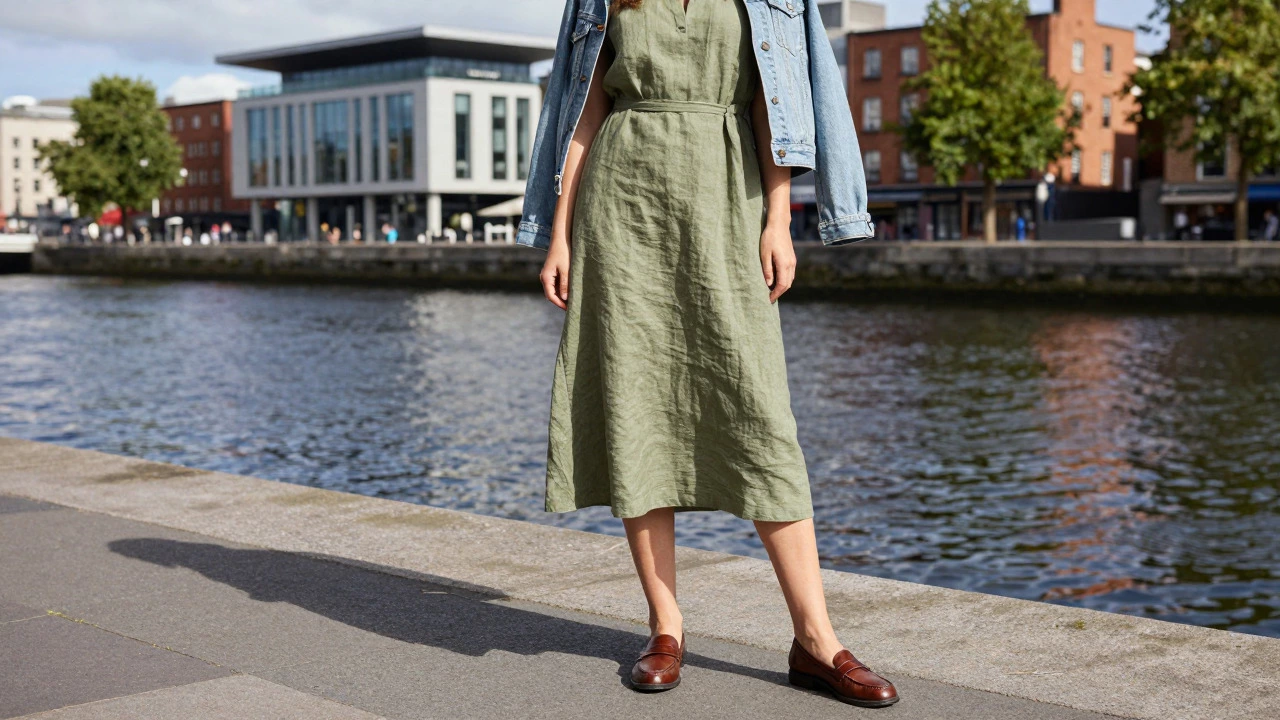
It’s July in Dublin. You step out for a pint at the Guinness Storehouse or a stroll along the Liffey, and you’re hit with that classic Irish contradiction: the sun is shining bright enough to warrant sunglasses, but a sudden gust off the river makes you wish you’d worn a jacket. This is the reality of dressing for summer here. A true summer dress isn’t just about looking good; it’s about surviving the microclimates of Ireland while staying stylish.
If you’ve ever packed a flimsy cotton slip dress for a trip to the Wild Atlantic Way only to shiver through dinner in Galway, you know the struggle. So, what actually defines a garment as a "summer" piece in our part of the world? It comes down to three non-negotiable factors: fabric weight, cut versatility, and color psychology. Let’s break down exactly what works when the mercury hits 20°C (68°F) and then drops back down by evening.
The Fabric Factor: Breathability vs. Windproofing
In many parts of Europe, a summer dress might be made of sheer chiffon or thin synthetic blends. In Ireland, those materials often fail us. Chiffon offers zero wind resistance, and synthetics trap heat during the rare humid days we get. Instead, look for natural fibers that breathe but have some structure.
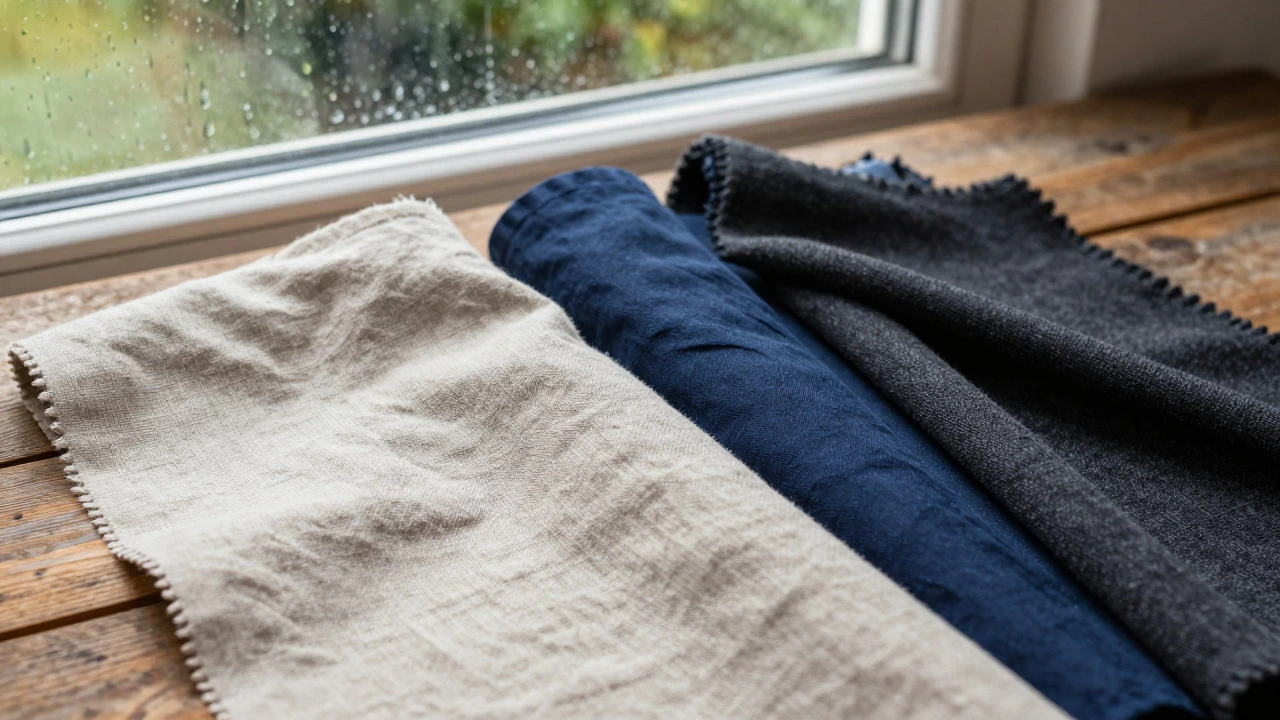
Linen is the gold standard for Irish summers. Yes, it wrinkles. Embrace it. That crumpled look signals you’ve been out enjoying the day, not sitting in an air-conditioned office. Linen wicks moisture away from your body, which is crucial if you’re walking up the Cliffs of Moher or navigating a crowded festival like Electric Picnic. Look for a linen-cotton blend if pure linen feels too stiff or expensive. These blends retain the breathability of linen but offer more drape and fewer sharp creases.
Cotton is another safe bet, but avoid ultra-thin voile unless you plan to layer heavily. Opt for mid-weight cotton poplin or jersey. Jersey knits are particularly forgiving because they stretch with movement and don’t cling when damp-a frequent occurrence near the coast. If you see a label saying "polyester," think twice. While modern tech-fabrics exist, most cheap polyester traps sweat and smells quickly after a day of exploring local markets in Temple Bar or the Liberties.
Cut and Silhouette: Layering is Key
A summer dress in Ireland must be layer-friendly. The silhouette should allow for a denim jacket, a cardigan, or a light trench coat to be thrown over it without looking bulky. Avoid tight sheath dresses that restrict movement under layers. Instead, aim for styles that create airflow:
- Shirt Dresses: These are versatile workhorses. Button them up for a professional look in Dún Laoghaire offices, or leave them open over a tank top for a casual weekend in Kildare. The collar adds structure that holds up against wind.
- Midi Lengths: Maximalist maxi dresses can drag in puddles or get caught in bike spokes. A midi length-ending below the knee-is practical for cobblestone streets in Cork City or wandering through gardens in Killarney. It keeps your legs warm if the breeze picks up but still shows skin for ventilation.
- Sleeve Options: Sleeveless is risky unless you have a shrug handy. Short sleeves or cap sleeves offer a middle ground. They provide just enough coverage to block direct UV rays on sunny days but don’t overheat you.
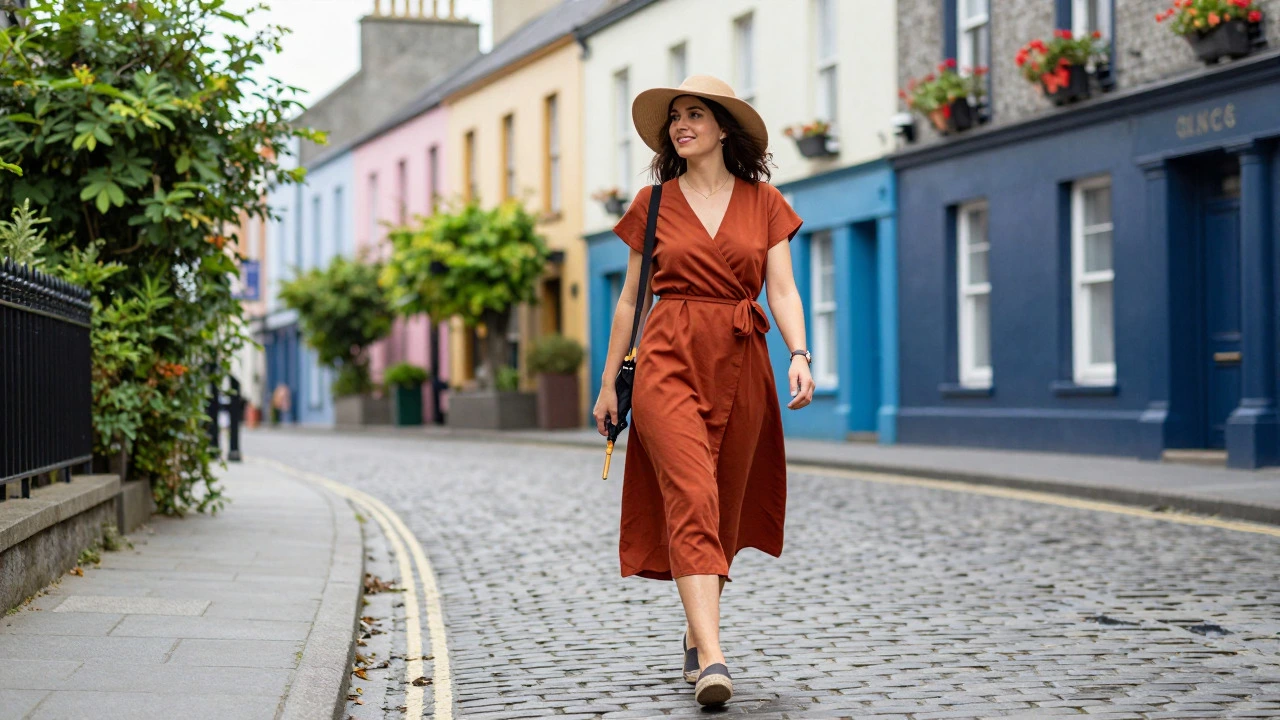
Consider the "wrap" style. Wrap dresses adjust to your body shape and can be tied tighter for warmth or looser for cooling. They also tend to have deeper V-necks, which help with airflow around the chest area-a small detail that makes a big difference in comfort.
Color Palette: Beyond Pastels
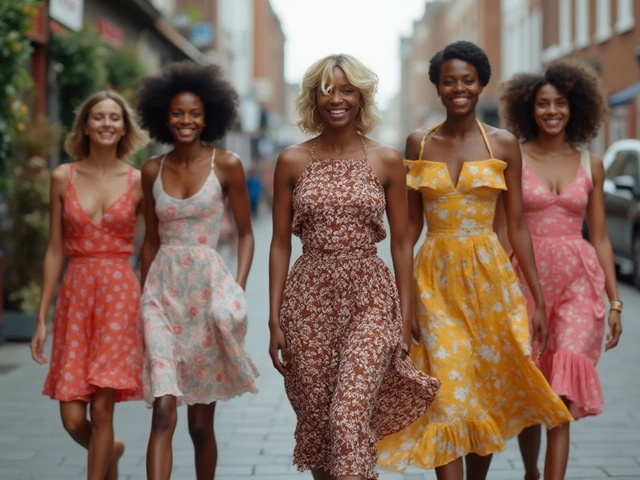
We often associate summer with pastels-soft pinks, blues, and yellows. While these are lovely, they show dirt easily. Ireland’s summer involves green grass, muddy paths, and occasional rain splashes. Darker tones or earthy hues can be surprisingly refreshing and practical.
Think olive green, navy, rust, or charcoal. These colors absorb less visual noise in urban settings like Dublin’s city center and blend beautifully with the lush landscapes of Connemara. Plus, darker colors hide stains from coffee spills at brunch spots in Merrion Square. If you love bright colors, opt for patterns rather than solid blocks. Florals or geometric prints distract from minor imperfections and add personality without sacrificing practicality.
White is tricky. It reflects heat, yes, but one drop of red wine at a wedding reception in Wexford ruins it. If you wear white, choose an off-white or cream shade, which looks more intentional and less prone to showing yellowing over time.
Footwear Pairing: From Cobblestones to Grass
Your dress choice dictates your footwear, and vice versa. High heels are rarely practical in Ireland unless you’re strictly indoors. Even then, consider the venue. Many traditional pubs have uneven stone floors. For outdoor events, sturdy sandals or espadrilles work well on dry ground, but always carry a backup pair of closed-toe shoes if rain is forecast.
Loafers or ballet flats are excellent companions for summer dresses. They’re easy to slip on and off, comfortable for long walks, and look polished enough for dinners in Galway Bay. Avoid stilettos if you’re planning to visit historic sites with gravel paths or grassy lawns. Your ankles will thank you later.
Local Brands and Shopping Tips
You don’t need to fly to Milan to find quality summer dresses. Ireland has a growing scene of local designers who understand our climate. Brands like Brown Thomas carries curated collections from Irish and international labels suited to local tastes. Look for boutiques in areas like Grafton Street or independent shops in Dundrum Town Centre that prioritize natural fibers.
Second-hand shopping is also huge here. Stores like Charity Shops across Dublin, Cork, and Limerick often have high-quality linen and cotton pieces at fraction of the retail price. It’s sustainable, budget-friendly, and you might find unique vintage finds perfect for summer festivals. Just check the care labels carefully-some older synthetics haven’t aged well.
| Fabric Type | Breathability | Wind Resistance | Best For |
|---|---|---|---|
| Linen | High | Medium | Hot, sunny days; festivals |
| Cotton Poplin | High | Low | City walks; office wear |
| Jersey Knit | Medium | High | Coastal trips; variable weather |
| Polyester | Low | High | Rainy backups; travel packing |
Accessories That Complete the Look
A summer dress in Ireland needs accessories that serve dual purposes. A wide-brimmed hat protects your face from UV rays but also shields your eyes from wind-driven rain. Silk scarves can be tied around your neck for warmth or used as a headband to keep hair out of your face during windy hikes.
Sunglasses are essential. Even on cloudy days, UV radiation penetrates clouds. Invest in polarized lenses to reduce glare from water surfaces like the River Shannon or coastal views. Finally, a compact umbrella or lightweight raincoat should always be in your bag. It’s not pessimistic; it’s prepared.
What is the best fabric for a summer dress in Ireland?
Linen is the best fabric due to its breathability and moisture-wicking properties. Cotton blends are also excellent choices. Avoid heavy synthetics that trap heat and smell.
Can I wear sleeveless dresses in Ireland in summer?
Yes, but always carry a light layer like a cardigan or denim jacket. Temperatures can drop quickly, especially near the coast or in the evenings.
Are maxi dresses suitable for Irish summers?
Maxi dresses can be impractical due to puddles and uneven terrain. Midi lengths are generally more versatile and easier to manage in urban and rural settings alike.
Where can I buy affordable summer dresses in Dublin?
Check out charity shops in neighborhoods like Ranelagh or Rathmines for high-quality second-hand options. Local boutiques on Grafton Street also offer curated selections.
How do I style a summer dress for unpredictable weather?
Layer with a trench coat or blazer. Choose closed-toe shoes like loafers instead of sandals. Carry a compact umbrella and wear a scarf for added warmth and style.