Denim Quality & Fit Score Calculator
Jean Specifications
Construction & Care Checklist
Quality Score
Expert Advice:
Based on your inputs, we'll provide specific advice for the Irish climate.
There is nothing quite as frustrating as spending €80 on a pair of jeans that bag out at the knees after three washes or fade into a ghostly white shade within a month. If you are shopping **in Ireland**, where the weather swings from bright sunshine to soaking rain in the span of an hour, finding high-quality denim isn't just about style-it’s about survival. We need trousers that can handle a commute through Dublin’s cobblestones, a hike up the Cliffs of Moher, and still look sharp enough for a pub crawl in Galway.
This guide cuts through the marketing noise to help you identify truly durable, comfortable, and stylish jeans suitable for the Irish climate and lifestyle. We will break down fabric composition, construction techniques, and fit strategies so you stop wasting money on fast fashion disasters.
The Fabric Test: What Makes Denim 'High Quality'?
The foundation of any good pair of jeans is the cotton. Not all cotton is created equal, and understanding the label is your first step toward better denim.
Oz Weight Matters
In the denim world, weight is measured in ounces per square yard (oz). For most people living in Ireland, the sweet spot is between 12oz and 14oz. Here is why:
- Under 10oz: These are thin, lightweight, and often see-through when wet. Great for a hot summer day in Cork, but they offer zero protection against our typical drizzly autumn winds.
- 12-14oz: This is the gold standard. It provides structure, durability, and enough warmth for mild days without making you sweat during a walk along the Liffey. It holds its shape well and resists tearing.
- Above 16oz: Known as "raw" or "heavyweight" denim. While incredibly durable, these can feel like wearing cast iron plates if you aren't used to them. They take months to break in and can be uncomfortably stiff in damp conditions.
Long-Staple Cotton
Look for terms like Egyptian Cotton or Pima Cotton. These varieties have longer fibers, which means fewer weak points in the yarn. Short-staple cotton pills easily and loses its integrity faster. If the tag just says "100% Cotton" without specifying the type, it is likely standard Upland cotton, which is fine for budget buys but less likely to last five years.
The Elasticity Factor
You will often see "98% Cotton, 2% Elastane" on labels. Elastane (or Spandex) adds stretch. In Ireland, where we value comfort and mobility, a small percentage of elastane is practical. It allows you to sit comfortably in a cramped booth in a Temple Bar pub or bend over to tie your hiking boots. However, too much elastane (over 3%) often leads to knee bagging. Aim for that 1-2% range for the best balance of comfort and longevity.
Construction Details That Signal Durability
Fabric is only half the battle. How the jeans are put together determines whether they survive the wash cycle or fall apart. When you are browsing in stores like Brown Thomas, Penneys, or independent boutiques in Grafton Street, inspect these specific areas:
- Stitching Consistency: Run your finger along the seams. The stitching should be tight, even, and free of loose threads. Look for chain-stitched hems rather than straight stitches; chain stitch is more flexible and durable, allowing the hem to move with your leg.
- Rivets and Buttons: Check the copper rivets at the stress points (pocket corners and base). They should be securely embedded, not sitting loosely on top of the fabric. A loose rivet is a sign of poor assembly that will lead to holes.
- Bar Tacks: Look for reinforced stitching called bar tacks at the belt loops and pocket openings. These little zig-zag patterns prevent the fabric from ripping under tension. If you plan to carry heavy items in your pockets-like a large smartphone or keys-bar tacks are non-negotiable.
- YKK Zippers: While not a guarantee of overall quality, a YKK zipper is a strong indicator of decent manufacturing standards. Cheap zippers jam, break, or corrode, especially in salty, humid coastal air.
Fit and Cut for the Irish Lifestyle
Fashion trends come and go, but the way jeans fit your body remains constant. In Ireland, we tend to favor practical fits that allow for layering, especially during the colder months from October to March.
Straight and Slim-Straight
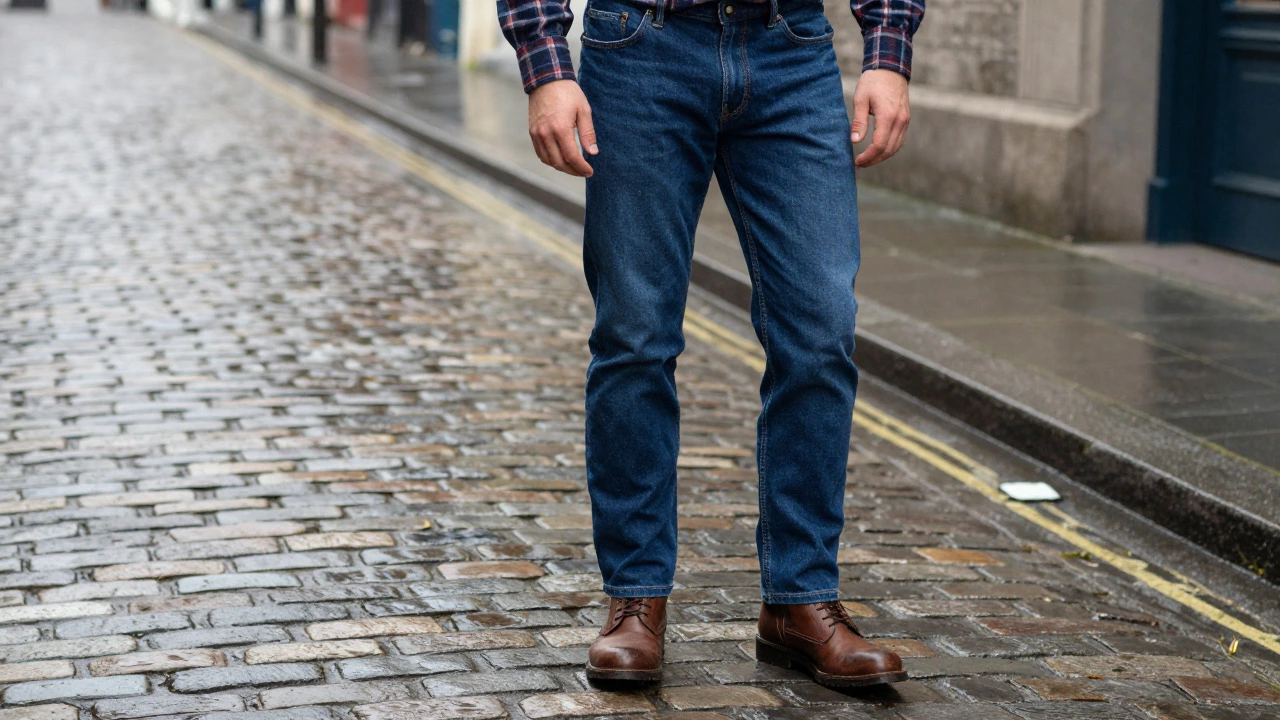
The straight cut is timeless. It works equally well with a flannel shirt and boots for a rural weekend in Donegal or with a blazer for a city office in Belfast or Dublin. Avoid skinny jeans if you plan to wear thick wool socks or insulated boots, as they can restrict circulation and cause discomfort in cold weather.
Rise Height
Consider the rise (the distance from the crotch to the waistband). Mid-rise jeans are generally the most versatile. Low-rise jeans can dig into your hips when you sit, while high-rise jeans might feel restrictive if you are layering with bulky sweaters. For many body types, a mid-rise offers the best compromise of comfort and coverage.
Length and Hemming
Ireland’s terrain varies from flat city streets to rugged countryside paths. Jeans that are too long will drag in puddles and get muddy. Ideally, your jeans should rest lightly on the top of your shoes with a slight break (fold) in the fabric. If you buy off-the-rack jeans that are too long, invest in a professional hem. A clean, raw-edge hem looks modern and prevents fraying.
Color and Wash: Practical Choices for Local Weather
The color of your jeans affects how they age and how easy they are to maintain. Given Ireland’s frequent rainfall and grey skies, some washes are more practical than others.
| Wash Type | Pros | Cons | Best For |
|---|---|---|---|
| Indigo (Raw) | Fades uniquely over time; very durable | Can bleed dye onto light clothes; stiff initially | Denim enthusiasts; daily wearers |
| Medium Blue | Versatile; hides minor stains well | Fades evenly, losing contrast over time | Everyday casual wear |
| Black/Dark Grey | Hides mud and dirt; looks sharper | Shows lint and pet hair; can crack at creases | Night outs; urban environments |
| Light Wash | Brightens up dull winter outfits | Shows every stain; wears thin quickly | Summer festivals; sunny days |
For a wardrobe staple in Ireland, I recommend starting with a medium-blue or dark indigo wash. These colors hide the inevitable splashes from rainy commutes and pair well with both earthy tones and bright accents common in Irish fashion.
Where to Buy Quality Jeans in Ireland
Shopping locally supports the community and often ensures better customer service for returns and exchanges. Here are some places to consider:
- Independent Boutiques: Stores in areas like Smithfield (Dublin), Eyre Square (Galway), or Patrick Street (Cork) often curate higher-quality brands that prioritize craftsmanship over volume.
- Specialist Denim Shops: Look for shops that specialize in denim. They often stock Japanese or American heritage brands known for superior fabric quality.
- Online Retailers with Irish Warehouses: Brands that ship from within the EU or UK can reduce delivery times and environmental impact. Check return policies carefully, as international shipping can complicate exchanges.
When buying online, pay close attention to size charts. Different brands use different measurements. Always measure your waist and inseam with a tape measure before ordering. If possible, try on similar styles in-store first to understand how a brand’s cut aligns with your body shape.
Caring for Your Jeans to Extend Their Life
High-quality jeans are an investment. To protect that investment, treat them gently. Over-washing is the number one killer of denim.
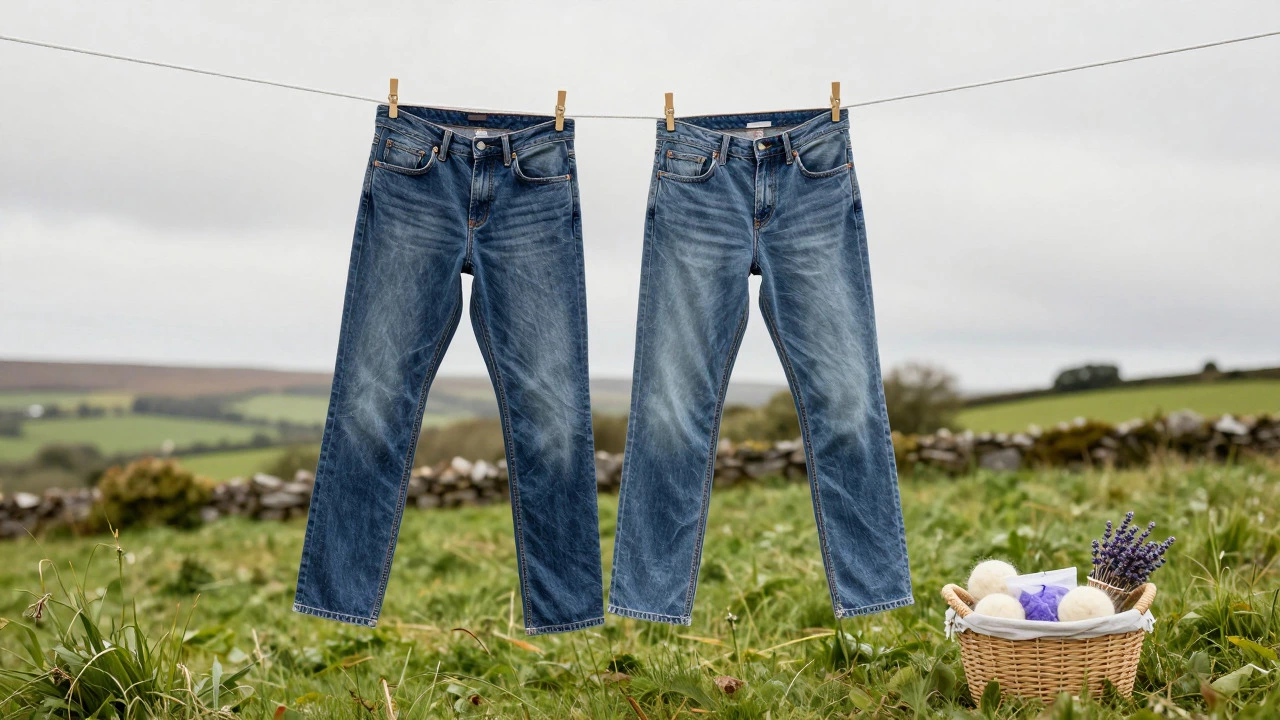
- Wash Less Frequently: Unless they smell bad or are visibly dirty, you can wear jeans multiple times before washing. Air them out by hanging them outside on a balcony or line in the garden. Fresh air and sunlight naturally deodorize fabric.
- Cold Water Only: Hot water shrinks cotton and fades dye. Always wash in cold water on a gentle cycle.
- Turn Inside Out: This protects the outer surface from friction against other clothes and the washing machine drum, reducing fading and pilling.
- Air Dry: Tumble dryers are harsh on denim. Hang your jeans to dry naturally. This preserves the elasticity of the fibers and prevents shrinkage.
- Freeze to Deodorize: For a quick refresh between washes, place jeans in a plastic bag and freeze them overnight. This kills odor-causing bacteria without water.
By following these care instructions, a pair of high-quality jeans can last for years, developing a unique patina that reflects your personal style and experiences.
Common Mistakes to Avoid
Even experienced shoppers make errors when buying jeans. Here are pitfalls to sidestep:
- Ignoring the Fit in the Store: Don’t buy jeans that are slightly too tight, hoping they will stretch significantly. Denim stretches minimally in width. If they pinch your thighs or waist now, they will be uncomfortable later.
- Chasing Trends Blindly: Distressed details, excessive rips, and unusual cuts may look trendy today but can date quickly. Stick to classic designs with minimal distressing for longer-lasting appeal.
- Skipping the Sit Test: Always sit down in the fitting room. Stand up again. Walk around. If the waistband digs in or the crotch feels strained, the fit is wrong, regardless of how good they look standing still.
What is the best weight of denim for Irish winters?
For Irish winters, aim for denim between 14oz and 16oz. Heavier fabrics provide better insulation and wind resistance. Pair these with thermal underwear layers if temperatures drop significantly below freezing.
Are organic cotton jeans better quality?
Organic cotton refers to how the crop was grown, not necessarily the fabric's durability. However, many brands using organic cotton also prioritize better construction and ethical labor practices. Look for certifications like GOTS (Global Organic Textile Standard) alongside weight and stitch quality indicators.
How do I know if my jeans are too big?
If you can pinch more than two inches of fabric at the waist, they are likely too big. Additionally, if the jeans sag significantly at the back pockets when you stand upright, the fit is incorrect. Properly fitted jeans should hug your body without constricting movement.
Is it worth paying more for premium brands?
Yes, if you value longevity. Premium brands often use higher-grade cotton, stronger stitching, and better hardware. While the upfront cost is higher, the cost-per-wear decreases over time because the jeans last longer and retain their shape and color better than cheaper alternatives.
Can I repair ripped jeans instead of buying new ones?
Absolutely. Repairing jeans extends their life and reduces waste. Small holes can be patched from the inside with matching fabric. Larger tears can be creatively mended using sashiko embroidery or decorative patches. Many local tailors in Ireland offer affordable repair services.