Irish Leather Jacket Coolness Calculator
Is your leather jacket still cool? Or is it just surviving the rain? Use this tool to evaluate your jacket against current Irish fashion standards (2026 Edition).
Jacket Profile
Fill out the form to see your score.
Your Coolness Score:
Why?
Tip: In Ireland, practicality is the ultimate style. Keep it dry!
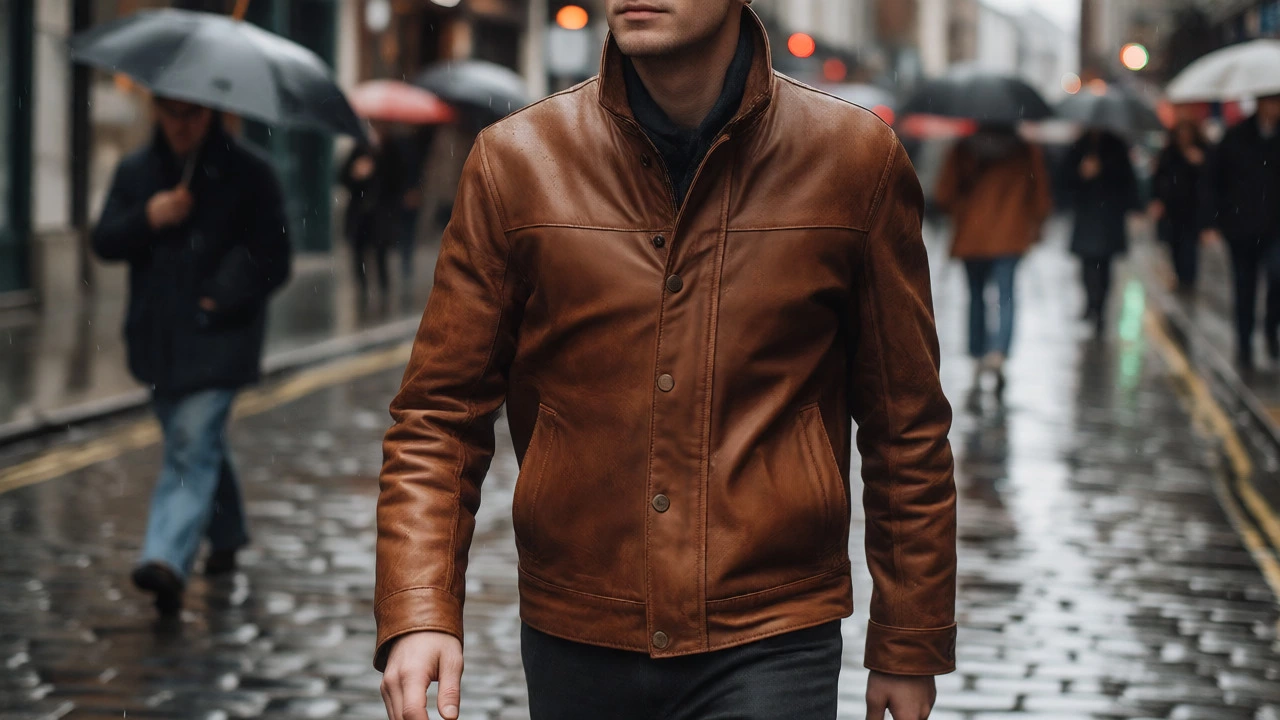
Walk down Grafton Street on a damp Tuesday afternoon in Dublin, and you’ll see it: the leather jacket is still everywhere. But is it actually cool, or are we just wearing them out of habit because they’re the only thing that survives an Irish drizzle without turning into a wet rag? It’s a question popping up in chat groups from Cork to Belfast. With fashion cycles moving faster than the Luas tram, people are wondering if the classic biker look has had its day, replaced by tech-fabric shells or oversized wool coats.
The short answer? No, leather jackets aren’t dead. In fact, in the Irish market, they’ve evolved. They haven’t become "uncool"; they’ve become more specific. You don’t wear a shiny, stiff motorcycle jacket to a casual coffee in Ranelagh anymore unless you want to look like you’re trying too hard. But a well-worn, matte-finish leather piece? That’s currency. Let’s break down why this garment remains a staple here, how the style has shifted for 2026, and what you should actually buy if you’re looking to refresh your wardrobe without wasting money on something that will rot in our humidity.
The Climate Factor: Why Ireland Keeps Leather Alive
Here’s the practical truth that global fashion trends often ignore: Ireland’s weather dictates our wardrobe more than any magazine cover does. We don’t have dry autumns. We have sideways rain, wind that cuts through Gore-Tex, and temperatures that hover between 5°C and 12°C for months on end. This environment created a specific demand for outerwear that is windproof, water-resistant (to a degree), and durable.
Leather is a natural insulator with high wind resistance. Unlike thin synthetic fabrics that flap around in a gale off the Atlantic, a proper leather jacket sits heavy and solid. When you’re waiting for a bus in Galway city centre or walking across Trinity College campus, that weight feels protective. Synthetic alternatives often fail here. Cheap faux leathers crack when exposed to our constant moisture changes, and thin nylon shells offer zero thermal mass. You need something that blocks the wind but breathes enough so you don’t sweat yourself cold when you step indoors into a heated pub.
This isn’t just about aesthetics; it’s about survival economics. Buying a cheap polyester coat every two years because it delaminates after one winter is more expensive than investing in a quality leather piece that lasts a decade. Irish consumers are savvy about value. We know that while a leather jacket costs more upfront-often €300 to €800 depending on the hide-the cost-per-wear is unbeatable. If you wear it three times a week for five years, you’re paying pennies per use. Try doing that with a trendy fast-fashion trench coat that loses its shape after six washes.
Trend Shift: From Biker Swagger to Quiet Luxury
If you think "leather jacket" still means a black, zip-up Perfecto with silver studs, you’re stuck in 2015. The definition of cool has shifted toward "quiet luxury" and minimalism. In Dublin’s creative hubs like Smithfield or the Docklands, you’ll notice fewer aggressive biker styles and more tailored, minimalist cuts.
The current trend favors:
- Muted Tones: Black is still king, but deep burgundy, forest green, and cognac brown are gaining traction. These colors pair better with the neutral palettes dominating Irish street style.
- Clean Lines: Minimal hardware. No giant zippers or dangling chains. The focus is on the cut and the quality of the hide.
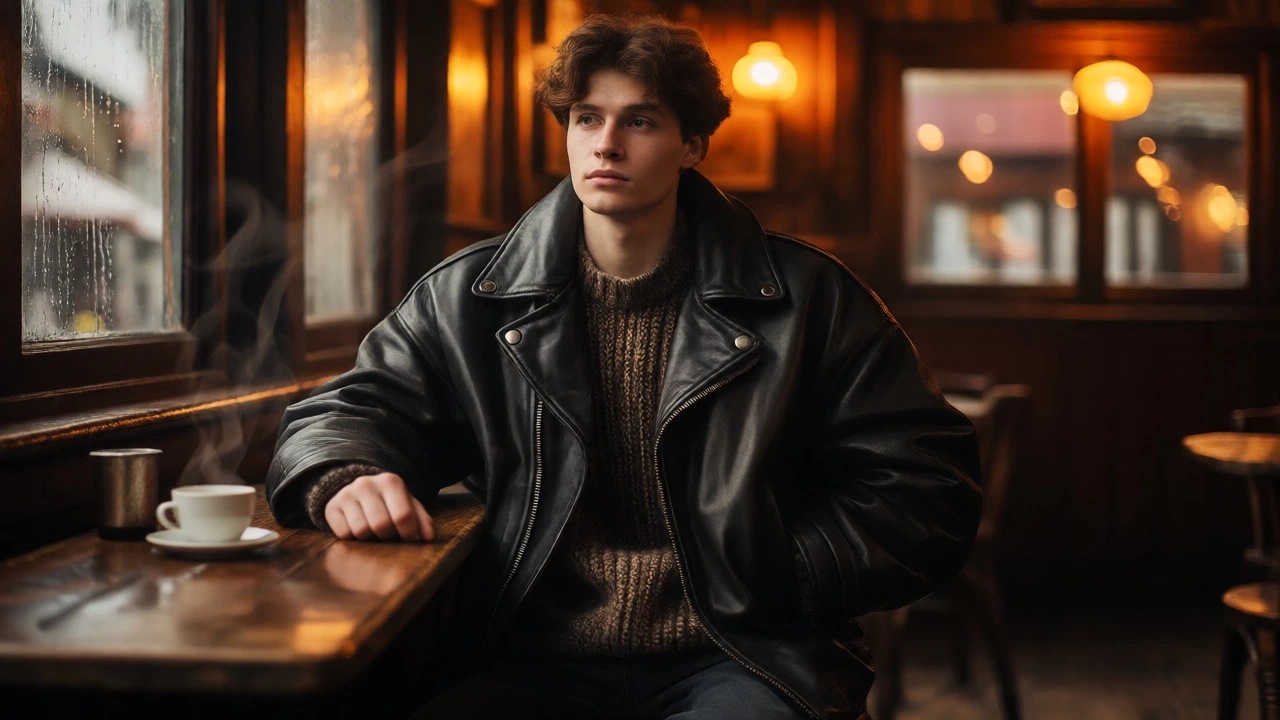
- Oversized Fits: Borrowing from the 90s revival, boxy, slightly cropped silhouettes are popular among Gen Z in cities like Limerick and Waterford. It’s less about looking tough and more about layering over hoodies or chunky knits.
This shift aligns with a broader move away from logo-heavy branding. People want garments that signal taste, not brand loyalty. A plain, high-quality leather jacket from a local artisan or a heritage brand signals confidence. It says you care about craft, which resonates deeply with the Irish appreciation for handmade goods and sustainability.
Sustainability and the Vintage Boom in Ireland
You can’t talk about fashion in Ireland right now without talking about sustainability. We’re a small nation, and the landfill crisis is real. Thrift culture is huge. Stores like Oxfam in Dublin, Goodbody’s in Cork, and independent vintage shops in Belfast’s Cathedral Quarter are packed with people hunting for pre-loved treasures.
Why? Because leather ages beautifully. Unlike plastic-based synthetics that shed microplastics into our rivers and oceans, genuine leather biodegrades eventually and improves with age. A second-hand leather jacket found in a charity shop for €40 is arguably cooler-and more ethical-than a new fast-fashion equivalent. The patina that develops on old leather tells a story. Maybe it was worn by someone cycling to work in the 80s, or maybe it survived a festival weekend in Sligo. That history adds character that no new item can replicate.
However, there’s a catch. Not all vintage leather is worth saving. Check for dryness. Our humid climate can cause mold if jackets are stored improperly, but it can also keep hides supple if cared for. Always inspect the lining and the seams. If the stitching is holding, the jacket is likely worth rescuing. Brands like Barbour (yes, they do leather) and heritage Irish makers have built reputations for durability that stands the test of time and resale value.
Faux vs. Real: The Ethical and Practical Debate
The rise of vegan fashion has challenged the dominance of animal hide. Many younger buyers in urban areas prefer faux leather due to ethical concerns regarding animal welfare and environmental impact. Modern polyurethane (PU) and recycled plastics have improved significantly. They look convincing and feel soft.
But here’s the practical reality check for our climate: Faux leather doesn’t breathe. In a crowded pub like Brazen Head in Dublin or during a commute on a packed Dart train, a non-breathable synthetic jacket can make you feel clammy and uncomfortable quickly. Genuine leather regulates temperature better. It absorbs some moisture and releases it, keeping you drier inside.
Additionally, durability varies wildly. Cheap faux leather peels. You’ve seen it-jackets that look great for six months, then start flaking white dust onto your shirts. Quality PU lasts longer, but rarely matches the lifespan of good cowhide or sheepskin. If you’re buying for longevity and comfort in variable Irish weather, real leather still holds the functional edge. If ethics are your primary driver, invest in high-end vegan materials from brands committed to circular economy principles, rather than cheap disposables.
Where to Buy: Navigating the Irish Market
Knowing where to shop matters as much as knowing what to buy. The Irish retail landscape offers distinct advantages depending on your budget and location.
| Source Type | Best For | Price Range (EUR) | Risk Factor |
|---|---|---|---|
| High Street Chains (Zara, H&M) | Trend-led faux leather | €60 - €120 | Low durability, poor fit for tall frames |
| Specialist Retailers (Schott NYC stockists, AllSaints) | Classic cuts, premium finishes | €350 - €700 | High initial cost, requires maintenance |
| Vintage/Thrift (Oxfam, Independent Shops) | Unique pieces, sustainability | €20 - €100 | Inconsistent sizing, condition risks |
| Local Artisans/Makers | Custom fit, ethical sourcing | €400+ | Longer wait times, limited availability |
For those in Dublin, visiting physical stores is crucial. Sizing varies drastically between brands. A medium in one store might be tight in another. Try before you buy. Look for retailers who offer alteration services, as adjusting sleeve length or waist intake is common and affordable here.
If you’re outside major cities, online shopping dominates, but be wary of return policies. Shipping back to UK or EU warehouses can sometimes incur customs delays or fees post-Brexit adjustments, though most major Irish sites handle this seamlessly. Always check the return window. Some high-street chains offer 30 days, but specialist boutiques may only offer exchanges.
Care Tips for Irish Humidity
Owning a leather jacket in Ireland requires a different care routine than owning one in Spain or California. Our damp air is both friend and foe. Too much moisture leads to mold; too little conditioning leads to cracking.
Follow these simple rules:
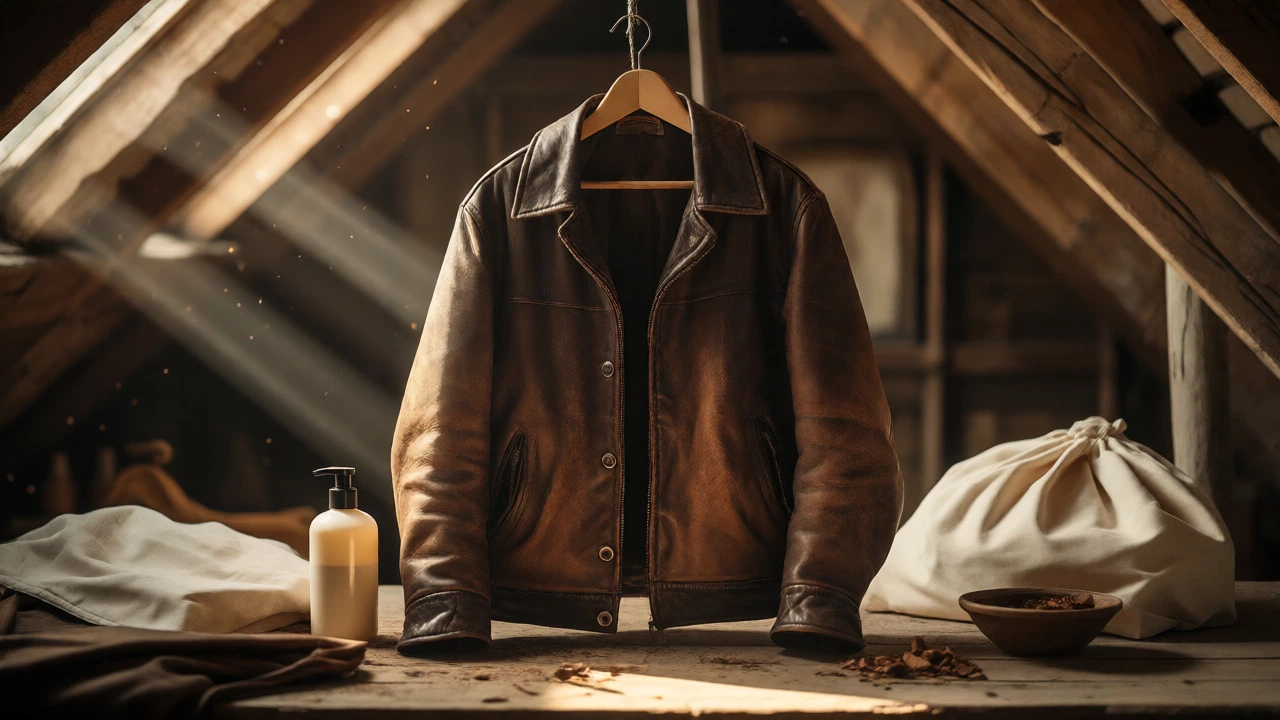
- Air it out: Never put a wet leather jacket directly onto a radiator. This dries it out too fast and causes cracks. Hang it in a well-ventilated room at room temperature until it’s completely dry.
- Condition regularly: Use a quality leather conditioner twice a year. Spring and autumn are ideal times. This replenishes oils lost to wind and rain exposure.
- Store properly: Use a wide wooden hanger. Wire hangers distort shoulders. Avoid plastic garment bags, which trap moisture. Cotton covers are better.
- Spot clean immediately: If you spill Guinness or coffee, blot it gently with a damp cloth. Don’t rub. Rubbing pushes stains deeper into the pores.
Ignoring these steps is the fastest way to kill the "cool" factor. A cracked, stained leather jacket looks neglected, not rugged. Maintenance is part of the ownership experience.
The Verdict: Is It Still Cool?
So, are leather jackets not cool anymore? Absolutely not. They’ve just matured. The era of using them purely as a rebellion symbol is fading. Now, they’re a tool for sophisticated dressing. They bridge the gap between smart and casual effortlessly. Wear one over a blazer for a night out in Dublin, or over a hoodie for a weekend trip to the Cliffs of Moher. It works.
The key is intentionality. Don’t buy a leather jacket because it’s "in style." Buy it because it fits your life, your climate, and your values. Whether you choose vintage, vegan, or traditional hide, the coolest jacket is the one you wear confidently and maintain well. In Ireland, where weather forces us to dress practically, that practicality is the ultimate form of style.
Is leather suitable for Irish rain?
Yes, provided it is treated with a water-repellent spray. Untreated leather can absorb water and become heavy, but modern treatments allow it to bead off light rain effectively. Always let it air dry naturally afterwards.
How much should I spend on a leather jacket in Ireland?
For genuine leather, expect to pay between €300 and €600 for quality entry-level pieces. Below €200, you are likely buying low-grade hide or faux leather. High-end designer brands exceed €800, but mid-range specialists offer better value for durability.
What color leather jacket is most versatile for Irish wardrobes?
Black is the safest choice for versatility, pairing with jeans, chinos, and dresses. However, dark brown or cognac is increasingly popular as it complements earth tones common in Irish knitwear and denim without looking as severe as black.
Can I wear a leather jacket to work in Dublin?
In creative industries, tech startups, and media, yes. In traditional corporate banking or legal firms, it depends on the office culture. A sleek, minimalist leather jacket can pass as smart-casual, but avoid distressed biker styles in formal settings.
How do I prevent my leather jacket from smelling damp?
Ensure it is fully dry before storing. Place cedar chips or activated charcoal sachets in your closet to absorb odors. Avoid storing it in airtight plastic bags, which trap humidity and promote mildew smells.