Jeans Value & Durability Calculator
Your Usage Profile
Select your usage frequency and enter details to see which brand offers the best value for your lifestyle.
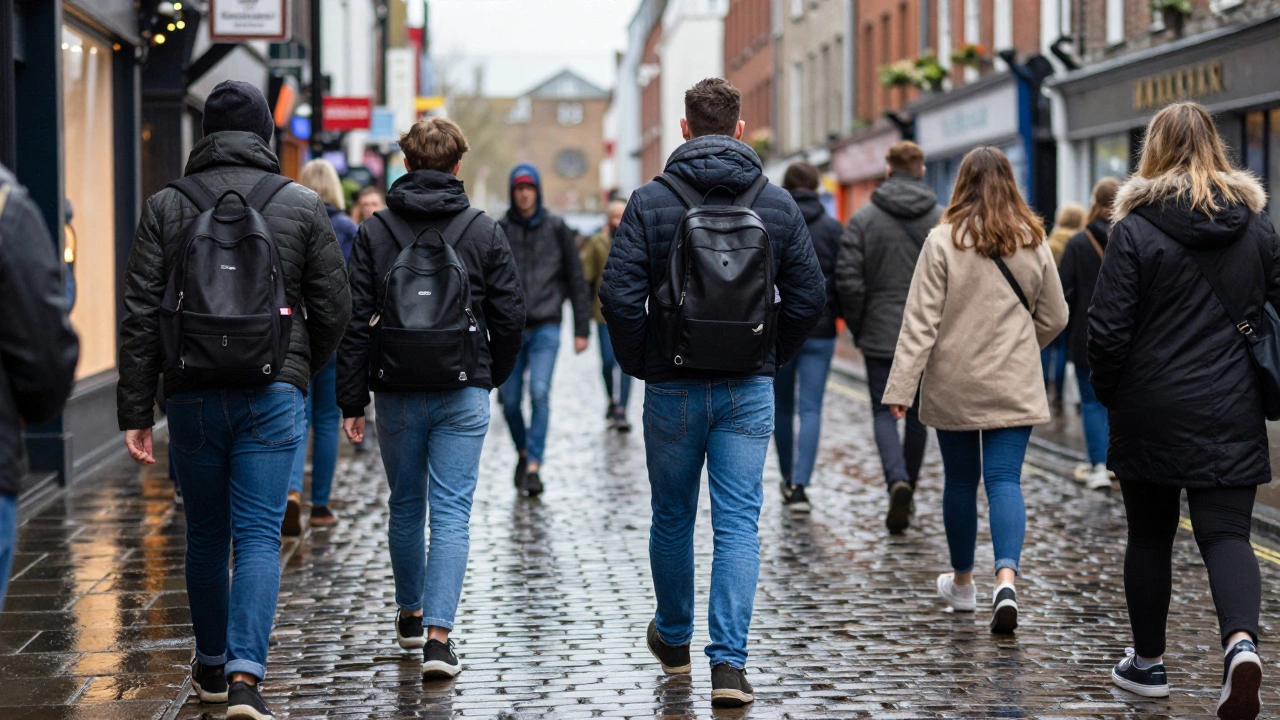
Walk down Grafton Street in Dublin on a rainy Tuesday, and you’ll see it: a sea of denim. From students heading to Trinity College to professionals rushing to meetings in the Docklands, jeans are the undisputed uniform of modern Ireland. But if you’ve ever stood in front of a rack at Brown Thomas or browsed online from your kitchen table in Cork, wondering which pair is actually worth your money, you might have asked yourself: who really dominates this market? The answer isn’t just about who has the biggest logo; it’s about who controls the supply chains, the retail shelves, and our wallets.
When we talk about who sells the most jeans in the world, the data points firmly to one name, but the reality for shoppers here in Ireland is far more nuanced. Understanding this landscape helps you make smarter choices, whether you’re hunting for vintage finds in Temple Bar or looking for durable workwear for a job site in Galway.
The Global Heavyweight: Levi Strauss & Co.
If there is a single entity that defines the category, it is Levi Strauss & Co., the American multinational corporation known as the world's largest designer, marketer, and distributor of denim apparel. Founded in San Francisco during the Gold Rush, the company didn't just invent blue jeans; they industrialized them. Today, Levi’s remains the top-selling jeans brand globally by revenue. In recent fiscal years, the company has reported annual revenues exceeding $6 billion, with a significant portion coming from their core denim products.
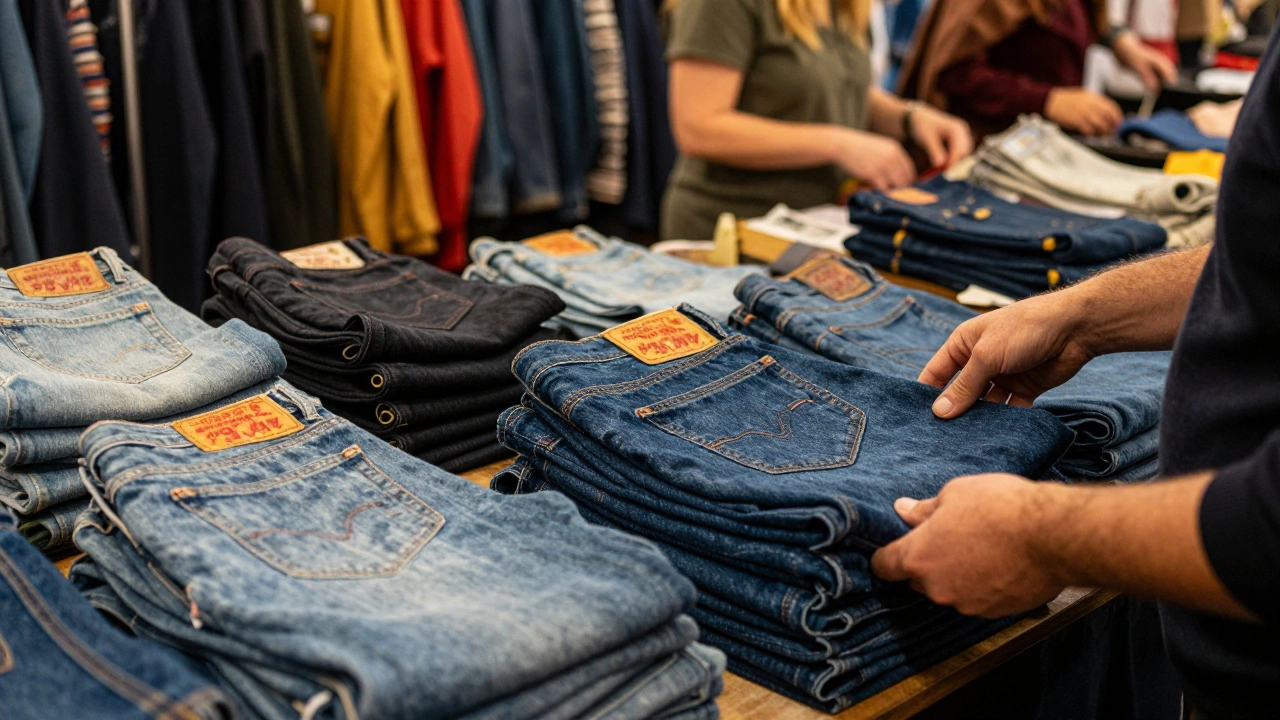
Why does Levi’s hold this crown? It comes down to brand equity and distribution. When you walk into a department store like Dunnes Stores or a specialist retailer like Jack Wills in Ireland, Levi’s is almost always front and center. They own the "501" silhouette, a cultural icon that transcends fashion trends. For an Irish consumer, buying Levi’s feels safe. You know the fit, you know the durability, and you know the resale value. If you buy a pair of vintage Levi’s 501s at a market in Kilkenny, you can likely sell them again five years later. That liquidity doesn’t exist with lesser-known brands.
| Brand | Global Rank (Approx.) | Price Range in Ireland (EUR) | Best For | Availability in Ireland |
|---|---|---|---|---|
| Levi's | #1 | €80 - €130 | Durability, Resale Value, Classic Fit | High (All major retailers) |
| Uniqlo | #2 (Volume) | €30 - €50 | Affordability, Basic Staples | Medium (Dublin, Cork, Limerick) |
| Wrangler | #3 | €40 - €70 | Workwear, Rugged Use | High (Department stores) |
| G-Star RAW | #5 | €90 - €150 | Fashion-Forward, Urban Style | Medium (Urban boutiques) |
| Lee | #6 | €40 - €60 | Comfort, Soft Washes | High (Supermarkets, Dept. Stores) |
The Volume King: Uniqlo and the Fast Fashion Shift
While Levi’s leads in revenue and prestige, Uniqlo, a Japanese casual wear designer and retailer that focuses on high-quality basics and innovative fabrics often competes for the title of selling the most units globally. Uniqlo’s strategy is different. They don’t rely on heritage marketing; they rely on accessibility and technology. Their "Smart Ankle Pants" and stretch denim lines have disrupted the market by offering comfort that rivals leggings at a fraction of the cost.
In Ireland, where the climate demands layers and practicality, Uniqlo has found a loyal following. With stores in Dundrum Town Centre, Citywest, and Cork, they offer a no-nonsense approach to denim. For a student in Galway or a young professional in Limerick trying to stretch their budget, Uniqlo provides a viable alternative to premium brands. However, the trade-off is longevity. While a pair of Levi’s might last you a decade with proper care, Uniqlo jeans may need replacing after two or three seasons of heavy wear. This distinction is crucial when calculating the true cost per wear.
The Irish Context: Where Do We Buy?
Understanding the global leaders is one thing, but navigating the Irish retail landscape requires local knowledge. Our shopping habits are shaped by a mix of traditional department stores, high-street chains, and a growing appreciation for second-hand culture.
Department Stores: Giants like Brown Thomas, Ireland's leading luxury department store based in Dublin and Dunnes Stores, a major Irish supermarket chain that also offers a wide range of clothing and home goods dominate the physical retail space. Brown Thomas carries premium denim brands like G-Star, Diesel, and high-end Levi’s collections. Dunnes, on the other hand, is the backbone of everyday shopping for millions. Their own-brand denim, along with licensed brands like Lee and Wrangler, offers incredible value. For many families in suburban areas like Swords or Bray, Dunnes is the primary source for family jeans.
High-Street Chains: Brands like Zara, a Spanish fast-fashion retailer known for trendy, affordable clothing and H&M, a Swedish multinational clothing-retail company known for low-cost fashion play a massive role in the volume game. They sell thousands of pairs of jeans every week across Ireland. While they aren’t the "most sold" brand globally in terms of pure legacy, their sheer volume in the Irish market is undeniable. They drive trend cycles, introducing skinny, wide-leg, and cargo styles faster than anyone else.
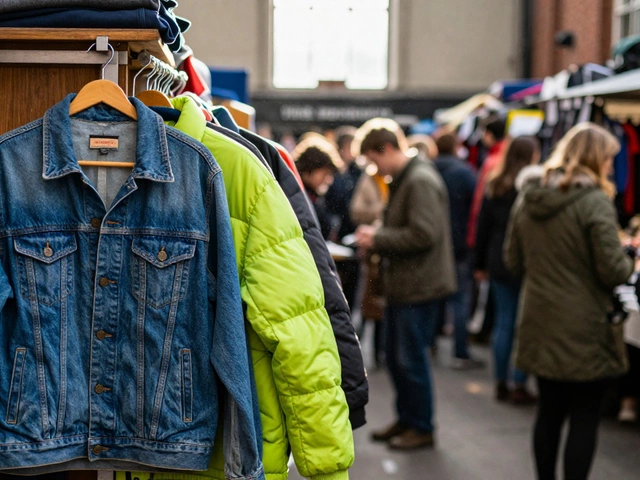
The Rise of Pre-Loved: There is a significant cultural shift happening in Ireland towards sustainability. Markets like Temple Bar Vintage Market, a popular weekend market in Dublin featuring vintage clothing and accessories and online platforms like Vinted have changed how we acquire denim. Many Irish consumers now prefer buying used Levi’s or Wrangler jeans rather than new ones. This not only saves money but also reduces waste. In cities like Cork and Limerick, charity shops such as the Spurge or local branch of the Society of St. Vincent de Paul are treasure troves for quality denim.
Why Durability Matters More in Ireland
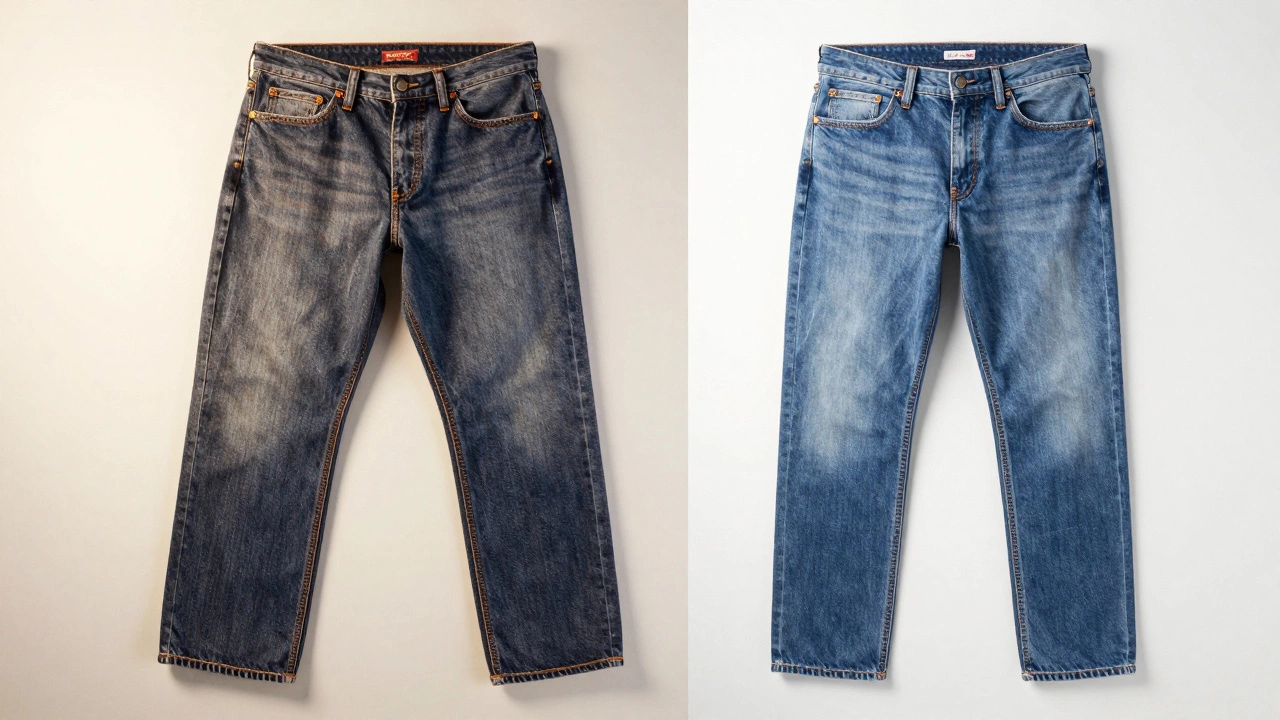
Ireland’s weather is a unique variable in the equation. Rain, wind, and dampness are constant companions. Cheap denim fades quickly and loses its shape when exposed to frequent washing and harsh conditions. This makes the initial investment in higher-quality jeans more justifiable here than in sunnier climates.
Consider the commute. If you’re cycling through Phoenix Park or walking along the Liffey in winter, you need fabric that withstands moisture and friction. Levi’s Selvedge or Wrangler Cowboy Cut jeans are designed for this kind of abuse. They stiffen up initially but mold to your body over time, creating a personalized fit that fast-fashion alternatives simply cannot replicate. The cost-per-wear metric favors these durable options significantly over a five-year period.
How to Choose the Right Brand for You
Selecting the right jeans depends on your specific needs. Here is a quick guide to help you decide:
- For the Budget-Conscious: Look to Uniqlo or Dunnes Store own-brand. Check for sales during end-of-season clearances in January and July. These periods offer the best discounts on mid-tier brands.
- For Work and Durability: Wrangler and Carhartt are excellent choices. They are widely available in hardware stores and department stores across Ireland. Their reinforced stitching holds up well in manual labor environments.
- For Style and Trends: Zara and H&M offer the latest cuts. If you follow fashion closely, these brands allow you to experiment without a huge financial commitment. Just expect to replace them sooner.
- For Investment Pieces: Levi’s 501 or 511 models are timeless. They retain value and can be passed down. Consider buying them slightly larger to allow for shrinkage and personalization over time.
Sustainability and Ethical Considerations
As awareness grows, so does the demand for ethical production. The denim industry has historically been criticized for water usage and chemical pollution. Brands like Levi’s have launched initiatives like Water When shopping, look for certifications like OEKO-TEX or GOTS, which indicate safer chemical practices. While these may come at a premium, they reflect a commitment to cleaner production methods. As regulations tighten in the EU, we can expect more transparency from all brands operating in the Irish market. So, who sells the most jeans in the world? On paper, it’s Levi’s. But in practice, the answer depends on what you value. If you want heritage and resale value, Levi’s is your go-to. If you prioritize affordability and volume, Uniqlo and fast-fashion chains lead the pack. For the Irish shopper, the key is balancing cost, durability, and style within the context of our unique climate and retail landscape. Whether you’re browsing the racks in Brown Thomas or digging through bins at a vintage market in Dublin, understanding the players in the denim game empowers you to make better choices. Don’t just buy the logo; buy the fit, the fabric, and the future use. Your wardrobe-and your wallet-will thank you. Levi’s is generally considered the most popular and recognized jeans brand in Ireland due to its widespread availability in major retailers like Dunnes Stores and Brown Thomas, as well as its strong brand heritage. However, Uniqlo and Zara also hold significant market share due to their competitive pricing and trendy styles. Yes, for many consumers. While the upfront cost is higher (typically €80-€130), Levi’s jeans are known for their durability and ability to maintain their shape over time. Given Ireland’s wet climate, investing in higher-quality denim that resists fading and wear can be more cost-effective in the long run compared to cheaper alternatives that need frequent replacement. For affordable new jeans, check out Uniqlo in Dundrum or Citywest, H&M on Grafton Street, or the clothing sections in Dunnes Stores and Tesco supermarkets. For even lower prices, consider second-hand options at Temple Bar Vintage Market, local charity shops, or online platforms like Vinted, which are very popular among Irish shoppers. Both are American heritage brands, but they cater to slightly different aesthetics. Levi’s is often associated with urban and classic styles, particularly the iconic 501 model. Wrangler is traditionally linked to Western and workwear styles, known for robust construction and comfort in rugged environments. In Ireland, both are widely available, but Wrangler may be preferred for outdoor work or casual, relaxed fits. While Ireland doesn’t have a large-scale mass-market jeans manufacturer comparable to Levi’s, there are several Irish designers and small businesses that produce high-quality, locally-made denim. Brands like Tilly Knits (for knitwear) or independent designers in Dublin and Cork often incorporate denim into their collections. Additionally, Irish-owned retailers like Jack Wills carry various international denim brands.Conclusion: It’s Not Just About One Brand
Which jeans brand is the most popular in Ireland?
Are Levi’s jeans worth the price in Ireland?
Where can I find affordable jeans in Dublin?
What is the difference between Levi’s and Wrangler?
Do Irish brands sell jeans?