Irish Sportswear Layering Planner
Recommended Gear
--
Walking through a Dublin office on a Tuesday morning, you might see someone in tailored trousers. By 5 PM, that same person could be changing into moisture-wicking leggings and a breathable top for a spin class in Temple Bar. Or perhaps they are heading out to the Phoenix Park for a run along the canal towpath, battling the famous Atlantic wind. This shift highlights a key question: what is considered sportswear? In Ireland, the answer isn't just about gym clothes. It is deeply tied to our climate, our beloved traditional sports like Gaelic games, and an outdoor culture that demands durability against rain and wind.
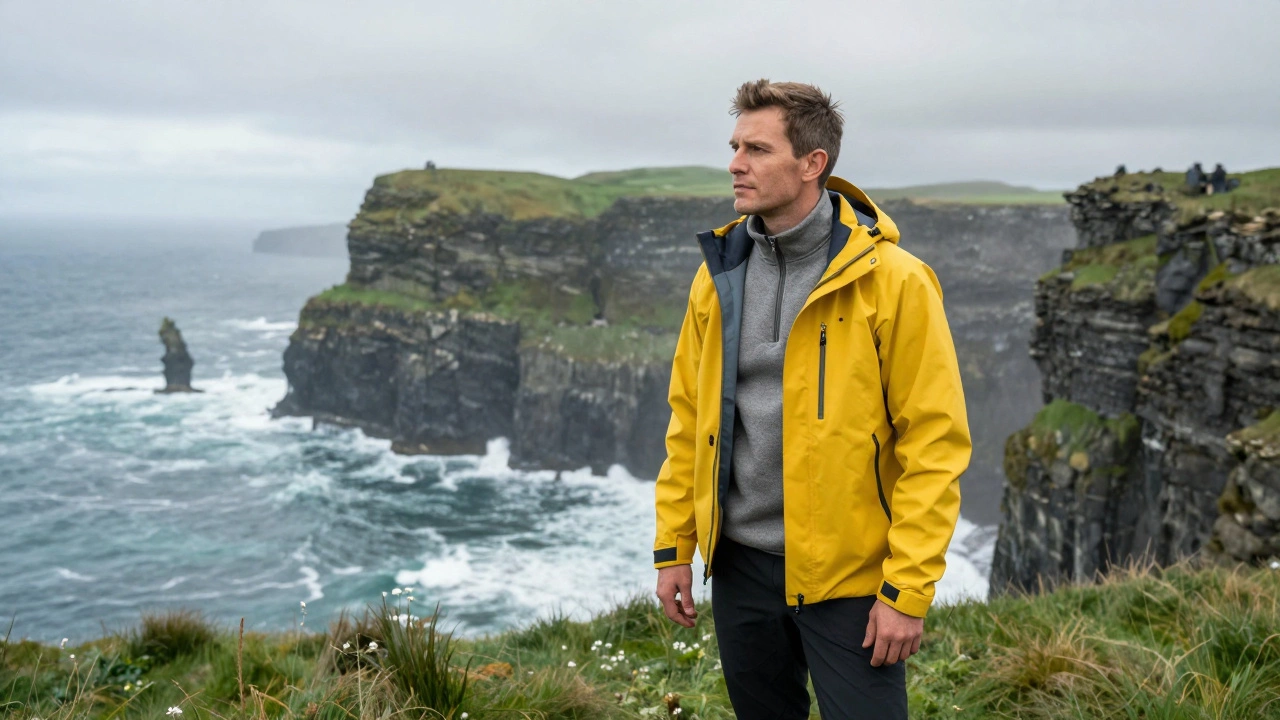
If you are looking to build a wardrobe that handles everything from a hurling match in Cork to a hike up the Cliffs of Moher, understanding the layers of sportswear is essential. It is not merely aesthetic; it is functional armor against the elements and performance gear for your chosen activity.
The Core Definition: Function Over Fashion
At its simplest, sportswear refers to clothing designed specifically for physical exercise or athletic activities. However, the definition has expanded significantly over the last decade. We now have "athleisure," where sportswear crosses over into everyday casual wear. But when we talk about true sportswear, we are talking about materials and cuts engineered for movement, temperature regulation, and protection.
Sportswear is clothing designed for physical activity, characterized by technical fabrics like polyester blends, spandex, or wool that offer stretch, breathability, and moisture management. Unlike regular cotton t-shirts which retain sweat and chill the body, sportswear actively moves moisture away from the skin.
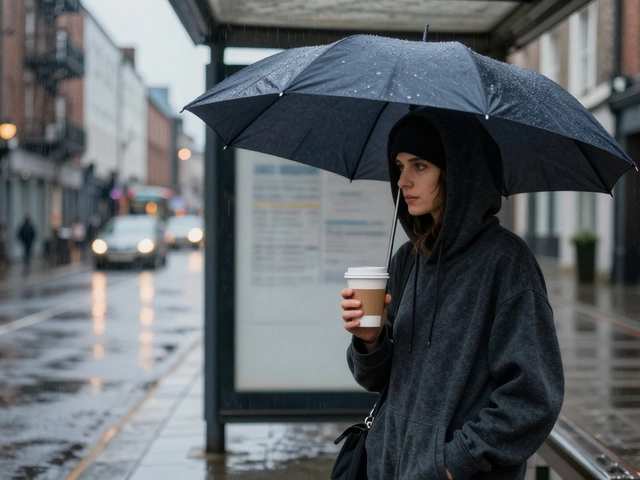
In the Irish context, this definition takes on extra weight. Because our weather can shift from mild sunshine to driving rain in minutes, sportswear must often include waterproofing and wind resistance. A simple cotton hoodie might look cozy, but if you get caught in a shower near Galway Bay, it becomes heavy, cold, and uncomfortable. True sportswear keeps you dry and warm even when wet.
Gaelic Games: The Heart of Irish Sportswear
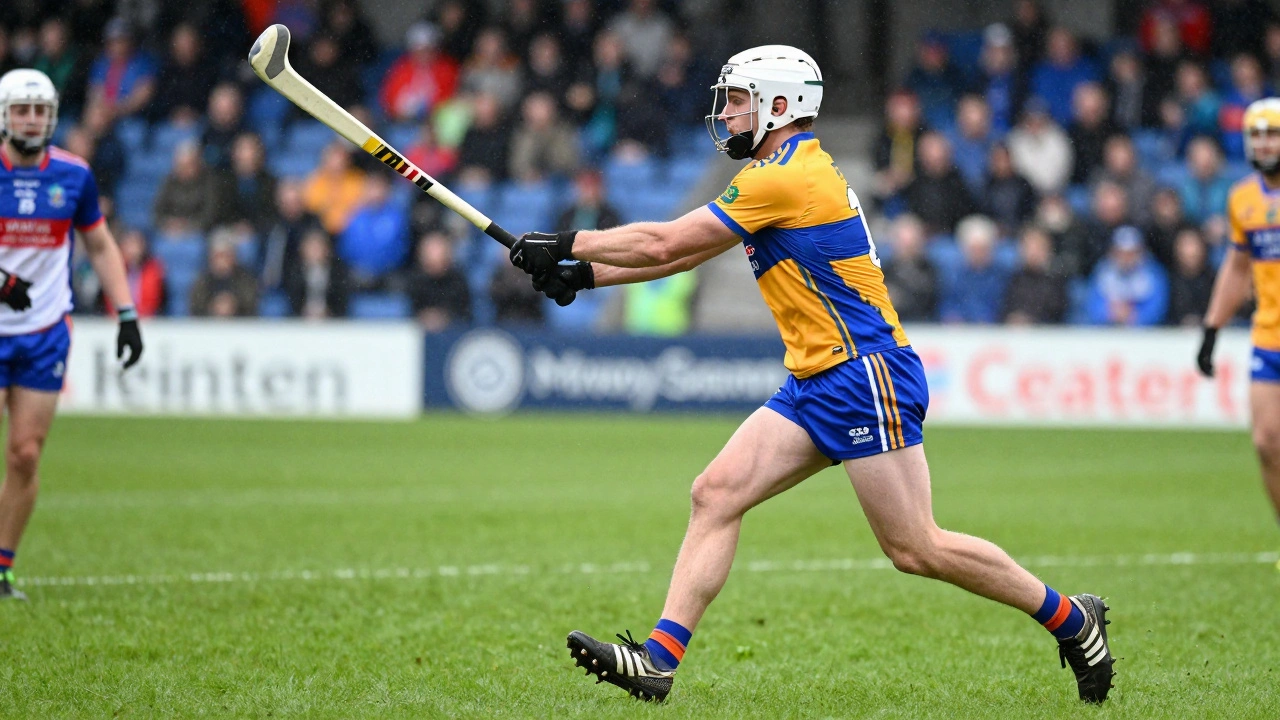
You cannot discuss sportswear in Ireland without talking about the Gaelic Athletic Association (GAA). For millions of people, sportswear means the jersey of their local club or county team. Whether it is football or hurling, the attire is distinct.
- The Jersey: Usually made of lightweight, breathable polyester mesh. It allows for maximum airflow during high-intensity matches. The colors represent specific counties (e.g., green and gold for Kilkenny, amber and blue for Dublin).
- Shorts: Typically loose-fitting to allow for kicking and running. They are often made of the same synthetic material as the jersey to prevent chafing.
- Hurling Helmets: While not clothing, the helmet with its faceguard is an iconic part of the hurler's kit, mandated for safety at all levels of the game.
- Footwear: Traditional leather boots with studs were once standard. Today, many players opt for modern synthetic trainers with molded studs that provide better grip on soft Irish pitches without being too heavy.
For spectators, wearing the team colors is a huge part of the culture. On match days, you will see fans draped in scarves and wearing replica jerseys. This blurs the line between sportswear and fan apparel, but the connection remains strong. Supporting your local club is a community event, and dressing the part shows respect and pride.
Outdoor Adventure: Hiking and Walking Gear
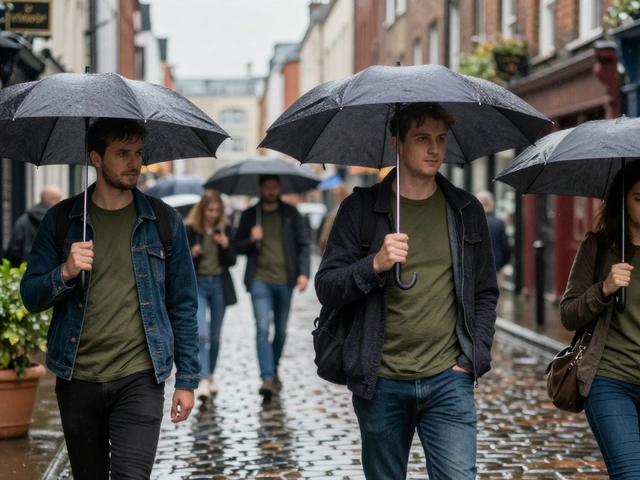
Ireland’s landscape is rugged and beautiful. From the Wicklow Mountains to the Ring of Kerry, walking is a national pastime. Here, sportswear transitions into "outdoor gear." The rules change slightly because you are exposed to the elements for longer periods.
The golden rule here is layering. You should never rely on a single thick garment. Instead, use three layers:
- Base Layer: This sits next to your skin. Avoid cotton. Use merino wool or synthetic fabrics like polypropylene. Merino wool is particularly popular in Ireland because it naturally resists odors and keeps you warm even when damp. Brands like Icebreaker or local Irish wool producers are great choices.
- Mid Layer: This provides insulation. A fleece jacket or a light down vest works well. It traps heat generated by your body.
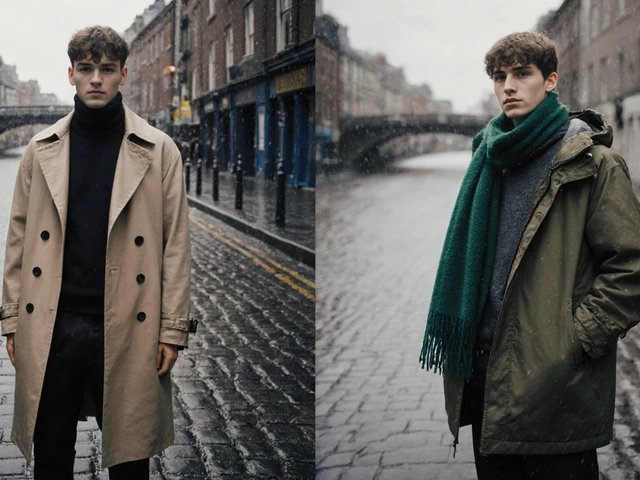
- Outer Layer: This protects against wind and rain. A waterproof, breathable shell jacket (often called a hard shell) is essential. Look for fabrics with membranes like Gore-Tex or similar proprietary technologies that block water while letting sweat vapor escape.
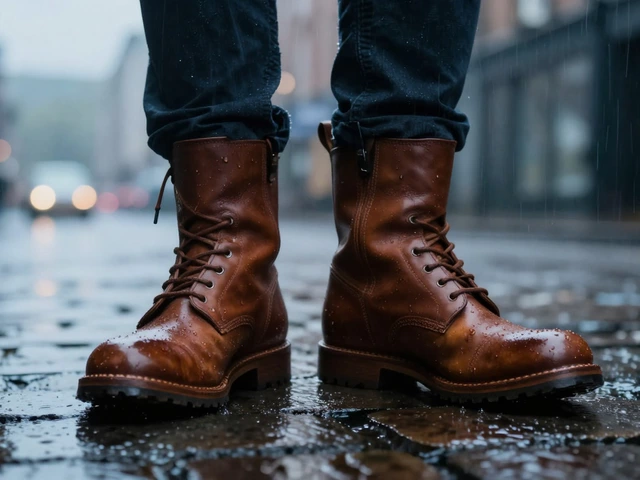
For footwear, sturdy hiking boots with ankle support are recommended for rough terrain like the MacGillycuddy's Reeks. For easier paths, trail runners with good grip are sufficient. Remember, wet feet can ruin a hike faster than cold air, so waterproof socks or treated leather boots are wise investments.
Gym and Urban Fitness: The Rise of Athleisure
In cities like Dublin, Cork, and Limerick, the fitness industry is booming. Gyms, yoga studios, and climbing centers are everywhere. Here, sportswear focuses on flexibility and compression.
Yoga and Pilates: These activities require full range of motion. Leggings made from high-spandex blends (often called "sculpt" or "power" fabrics) are standard. Tops are usually fitted crop tops or racerback tanks that stay in place during inversions.
CrossFit and HIIT: High-Intensity Interval Training involves jumping, lifting, and sweating. Clothing needs to be durable and quick-drying. Tank tops, short shorts, and supportive sports bras are common. Footwear must have flat, stable soles for lifting weights, unlike cushioned running shoes which can be unstable.
Running: Road running in Ireland often means dealing with puddles and wind. Reflective elements are crucial for early morning or evening runs, especially in winter when it gets dark by 4 PM. Lightweight windbreakers and bright-colored vests increase visibility to traffic.
Material Science: What Makes Fabric "Technical"?
To understand what qualifies as sportswear, you need to look at the label. Regular fashion clothes are often made of 100% cotton or viscose. While comfortable, these fibers absorb water and hold it against your skin. In Ireland’s damp climate, this leads to rapid cooling and discomfort.
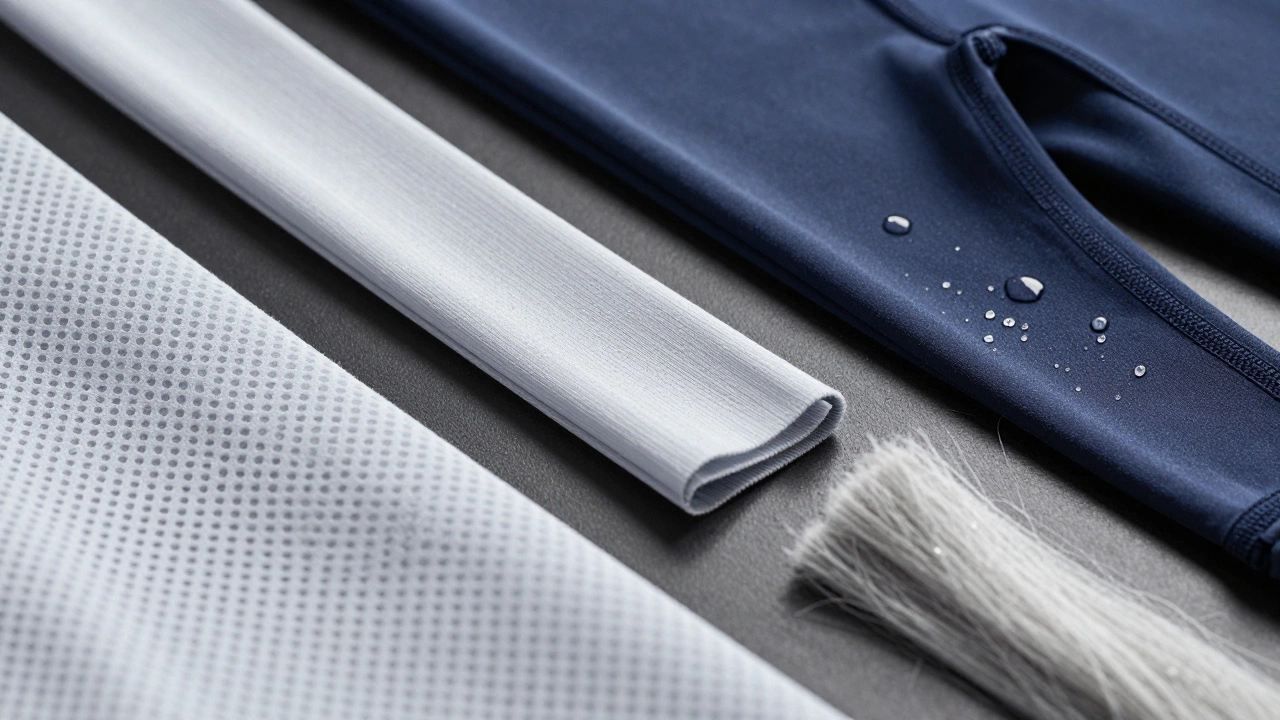
Technical sportswear uses synthetic fibers or natural performance fibers:
- Polyester: The most common synthetic. It is cheap, durable, and dries quickly. Modern polyester is engineered to wick sweat away from the body.
- Nylon: Stronger than polyester and often used in outer shells and swimwear. It adds durability and abrasion resistance.
- Spandex (Lycra/Elastane): Added in small percentages (5-20%) to give fabric stretch. This ensures your clothes move with you, not against you.
- Merino Wool: A natural fiber that regulates temperature. It is warm in winter, cool in summer, and antibacterial. Ideal for base layers in Ireland’s variable weather.
- Neoprene: Used mainly for swimming and surfing. It traps a thin layer of water against the skin, which your body warms up, providing insulation in cold sea waters.
Local Brands and Shopping in Ireland
While global giants like Nike, Adidas, and Under Armour dominate the market, Ireland has its own sporting heritage brands. Understanding where to buy and what to look for can help you find quality gear suited to our specific needs.
Dunnes Sports: Perhaps the most ubiquitous retailer in Ireland. They offer a wide range of house-brand and international sportswear at competitive prices. Their own-label outdoor ranges are surprisingly robust for casual hikers and weekend warriors.
Lidl and Aldi: Don’t underestimate the discount supermarkets. Their seasonal sportswear lines have improved dramatically, offering decent basics for gym use at very low prices.
Specialist Outdoor Shops: For serious hiking or mountaineering, stores like Bergfreunde (online) or local independents in towns like Killarney or Sligo offer expert advice. They stock brands like Patagonia, Arc’teryx, and Salomon, which are built for extreme conditions.
GAA Retailers: Shops like O’Neills or D.J. O’Connor specialize in Gaelic games equipment. If you are buying for a child starting camogie or football, these stores carry the correct sizing and official kits.
| Activity | Key Fabric Needs | Essential Items | Irish Weather Factor |
|---|---|---|---|
| GAA (Hurling/Football) | Lightweight, Breathable Polyester | Jersey, Shorts, Boots | Wind resistance for sideline play |
| Hiking/Walking | Waterproof, Insulating Wool | Shell Jacket, Merino Base Layer, Boots | Rain protection is critical |
| Gym/Yoga | Stretchy, Moisture-Wicking | Leggings, Sports Bra, T-shirt | Indoor focus, less weather impact |
| Running | Reflective, Quick-Dry | Windbreaker, Bright Vest, Trainers | Visibility in short daylight hours |
Common Mistakes to Avoid
Even experienced athletes make mistakes when choosing sportswear. Here are a few pitfalls to avoid, especially in the Irish climate:
- Wearing Cotton Outside: As mentioned, cotton kills warmth. If you are hiking or cycling, swap your cotton t-shirt for a synthetic or wool blend.
- Ignoring Wind Chill: Ireland feels colder than the thermometer says due to wind. A light windproof layer can make a huge difference on a coastal run or a golf course in West Clare.
- Overdressing at the Start: When you start exercising, you generate heat quickly. Dress as if it is 5-10 degrees warmer than it actually is. You can always add layers later, but unzipping a jacket mid-run is awkward.
- Wrong Footwear: Using old trainers with worn-out soles increases injury risk. Replace running shoes every 500-800 km. For hiking, ensure boots are broken in before a long trek.
Sustainability in Sportswear
There is a growing awareness in Ireland about the environmental impact of fast fashion, including sportswear. Synthetic fibers shed microplastics when washed, which end up in our rivers and oceans. To mitigate this, consider washing sportswear less frequently, using a Guppyfriend bag to catch microfibers, and choosing brands that use recycled materials.
Second-hand markets are also thriving. Platforms like Vinted or local charity shops often have barely-used GAA kits or outdoor jackets. Buying second-hand reduces waste and is often more affordable. For high-performance items, investing in durable, repairable gear from ethical brands is a long-term win.
Conclusion: Dressing for Your Life
So, what is considered sportswear? It is any clothing that enhances your ability to move, perform, and stay comfortable during physical activity. In Ireland, this means prioritizing functionality against rain, wind, and variable temperatures. Whether you are cheering on your county team, conquering a mountain peak, or crushing a workout in the city, the right gear makes all the difference. Choose fabrics that work with your body, layer wisely, and don’t forget to protect yourself from the elements. Your body will thank you, and you’ll enjoy your activity far more.
Can I wear jeans for light exercise?
Generally, no. Jeans are made of stiff denim that restricts movement and retains moisture. Even for light walking, they can cause chafing and become uncomfortably heavy if they get wet. Opt for joggers or flexible trousers instead.
Is merino wool worth the higher price?
Yes, especially for Ireland’s climate. Merino wool regulates temperature better than synthetics and doesn’t smell after one wear. You can go several days between washes, making it cost-effective and convenient for hiking or travel.
What should I wear for GAA training in winter?
Layer up. Start with a thermal base layer, add a light mid-layer, and wear a windproof jacket until you are warmed up. Keep your jersey and shorts for the actual drills. Thermal leggings under your shorts can help keep muscles warm.
How do I choose between trail runners and hiking boots?
Use trail runners for well-defined paths and shorter distances. They are lighter and more flexible. Choose hiking boots for rocky, uneven terrain, heavy loads, or long multi-day hikes where ankle support and waterproofing are crucial.
Where can I buy affordable sportswear in Ireland?
Dunnes Sports offers a wide range of budget-friendly options. Discount supermarkets like Lidl and Aldi have improving quality basics. For deals on branded gear, check outlet stores in centres like Designer Village or online sales events.