Sportswear Price Calculator
Calculate Your Irish Sportswear Cost
Why Prices Increase in Ireland
Your total cost in Ireland:
€0.00
Ireland's climate requires technical fabrics (e.g., GORE-TEX) that cost 20-30% more to produce
Ever bought a pair of running tights in Dublin and felt like you just paid for a small car? You’re not alone. In Ireland, sportswear prices keep climbing-whether you’re shopping at a flagship store on Grafton Street, ordering online from a global brand, or even picking up a hoodie from a local gym shop. Why does a simple pair of moisture-wicking leggings cost €80 here, while the same item in Poland or Portugal might be half the price? The answer isn’t just about branding. It’s about logistics, taxes, demand, and the quiet reality of doing business in a small island nation with high import costs and no domestic manufacturing.
Import Costs and Tariffs Hit Hard in Ireland
Almost every major sportswear brand sold in Ireland-Nike, Adidas, Lululemon, Under Armour-is made overseas. Most come from factories in Vietnam, Bangladesh, or China. Getting those items to Irish shores means shipping across the Atlantic or through the Channel, then paying VAT at 23%, the highest in the EU for clothing. Add to that the cost of customs clearance, warehousing in Dublin or Cork, and distribution to retailers across the country, and you’ve stacked up layers of overhead before the item even hits the rack.
Compare that to Germany or the Netherlands, where large distribution hubs sit right on the continent’s transport arteries. In Ireland, there’s no such advantage. Every box of sportswear has to be flown or ferried in smaller volumes, driving up per-unit costs. A pair of running shoes that costs €100 in London might be €125 in Galway-not because the brand wants to gouge Irish customers, but because the supply chain is simply less efficient here.
No Local Manufacturing, No Price Control
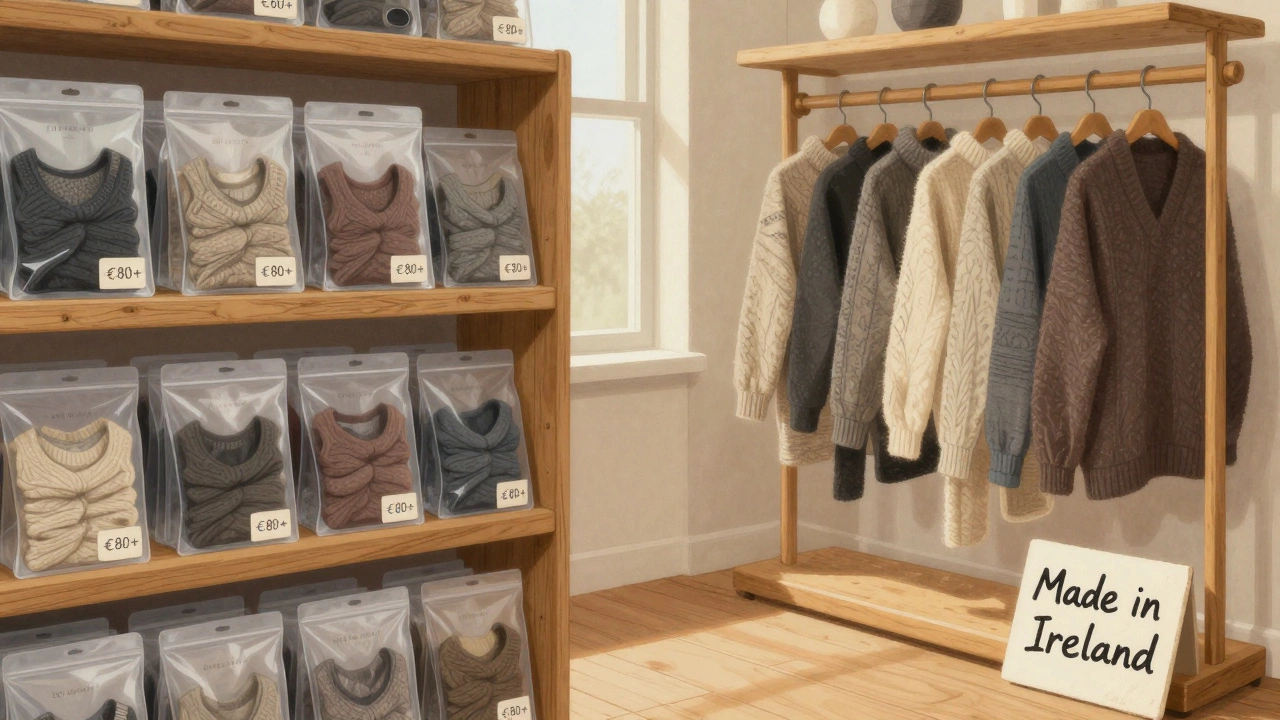
There’s no Irish-made sportswear industry to speak of. Once upon a time, companies like Claddagh Footwear made athletic shoes in Galway, and Irish Sports Outfitters produced wool-based training gear for rugby clubs in the 1980s. But none of those businesses survived the rise of cheap overseas production. Today, if you want to buy Irish-made activewear, you’re looking at tiny artisan brands like Co. Kerry Active or Donegal Wool Active, which hand-sew limited runs of base layers using local wool. These are beautiful, sustainable products-but they cost €140 for a long-sleeve top because they’re made by hand, in small batches, with ethical wages.
That’s the trade-off: you can buy mass-produced, low-cost gear from Asia, or you can support local craftsmanship at a premium. Most people choose the former, but even then, they’re still paying extra just to get it here.
The ‘Premium’ Effect: Why Irish Shoppers Pay More for Brand Names
Irish consumers have long associated sportswear with status. A pair of Nike Air Maxes isn’t just for running-it’s a signal you’re fit, active, part of the urban lifestyle. That perception drives demand, and brands know it. In cities like Dublin, Cork, and Limerick, gym culture has exploded. CrossFit boxes, HIIT studios, and parkrun groups are everywhere. People want gear that looks good on Instagram, not just on the treadmill.
Brands respond by pricing accordingly. A basic hoodie from a no-name brand might cost €30 in a discount store. But the same cut, made by Nike with a subtle swoosh, costs €75. Why? Because it carries the weight of identity. In Ireland, where social pressure to appear healthy and active is strong, people are willing to pay more for the brand that says, “I belong.”
Weather Drives Demand for High-Tech Fabrics
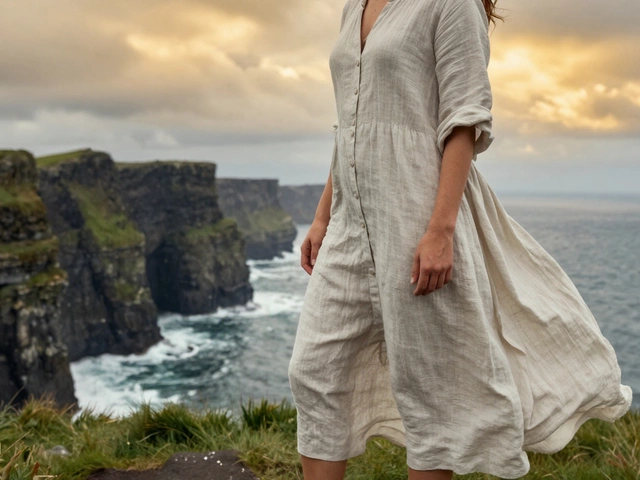
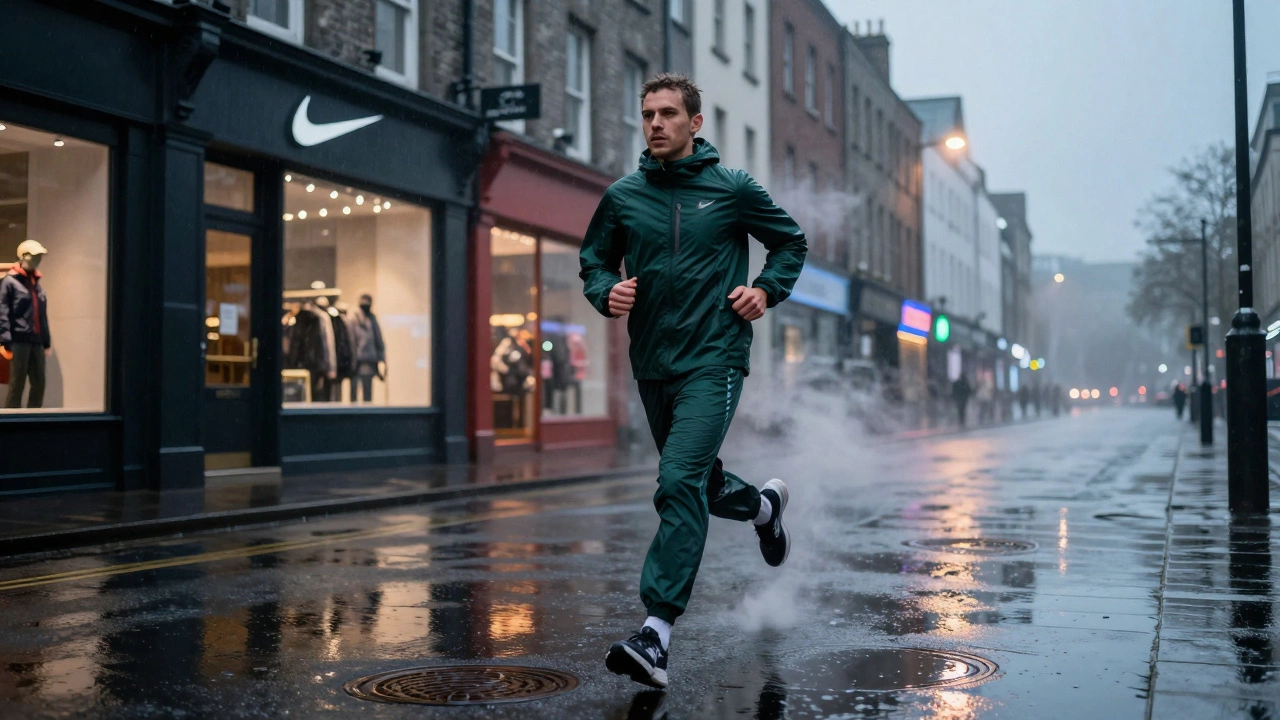
Let’s be real: Ireland’s weather is brutal for outdoor exercise. Rain falls 200+ days a year. Wind whips off the Atlantic at the Cliffs of Moher. Even in summer, you need gear that blocks wind, wicks sweat, and dries fast. That’s not just nice-to-have-it’s survival.
Standard cotton t-shirts turn soggy and cold in an Irish drizzle. That’s why brands charge more for technical fabrics: GORE-TEX membranes, Dri-FIT polyester blends, and thermal layering systems. These materials cost more to produce, and they’re essential here. A basic waterproof running jacket from Decathlon might cost €60 in France. But the same jacket with a hood, reflective strips, and a windproof shell that’s been tested in Galway’s winter gales? That’s €110 in Ireland. You’re paying for performance that actually works in our climate-not just a marketing slogan.
Where to Find Better Value in Ireland’s Sportswear Market
It’s not all doom and gloom. There are smart ways to cut costs without sacrificing quality.
- Shop end-of-season sales at Decathlon Ireland (Dublin, Cork, Limerick). Their own-brand gear is designed for European conditions and often outperforms pricier labels.
- Buy secondhand through Depop, Facebook Marketplace, or local groups like Dublin Running Club Swap. Many runners upgrade gear every 6 months and sell barely-used items for 60% off.
- Wait for Black Friday-but not the big brands. Smaller Irish retailers like Active Ireland and FitGear.ie often drop prices deeper than Amazon or Nike.
- Consider subscription boxes like FitBox Ireland, which sends curated activewear monthly at a fixed rate. It’s a budget-friendly way to rotate gear without overspending.
Why the Irish Market Is Different From the UK or US
Some people assume Ireland’s prices are just like the UK’s. They’re not. The UK has massive retail chains, bulk imports through Dover and Felixstowe, and a larger population to spread costs across. Ireland’s population is just 5 million. That means fewer units sold per item, higher per-unit logistics costs, and less bargaining power with suppliers.
Compare that to the US, where Nike ships containers directly to warehouses in Ohio or California. There’s no need for transatlantic freight, no VAT, and no small-market inefficiencies. In Ireland, every step adds cost. And unlike the UK, we don’t have the same volume of discount retailers like TK Maxx or Primark’s massive sportswear lines.
The Hidden Cost of ‘Fast Activewear’
Some brands are trying to compete on price with cheap, fast-fashion sportswear. You’ll see them on Temu or Wish-€15 leggings that shrink after one wash, or jackets that tear at the seams after three runs in the Phoenix Park. They look tempting, but they’re a false economy.
In Ireland, where outdoor activity is a year-round habit, durability matters. A €90 pair of running tights that last two years costs €3.75 per month. A €25 pair that falls apart in six months? That’s €4.17 per month. And you’re still stuck buying replacements. Plus, fast fashion contributes to landfill-something many Irish consumers are now actively avoiding, especially after the EU’s new textile waste rules kick in next year.
What’s Changing in 2025?
There’s a quiet revolution happening. More Irish runners, cyclists, and gym-goers are asking: “Who made this? Where was it made? Can I trust it?”
Brands like Irish Wool Active, Sligo Active Co., and West Cork Trail Gear are growing fast. They use recycled polyester from ocean plastic, local dyes, and carbon-neutral shipping. They’re not cheap-but they’re transparent. And they’re gaining traction in towns like Kilkenny, Ennis, and Tralee, where people care more about quality than logos.
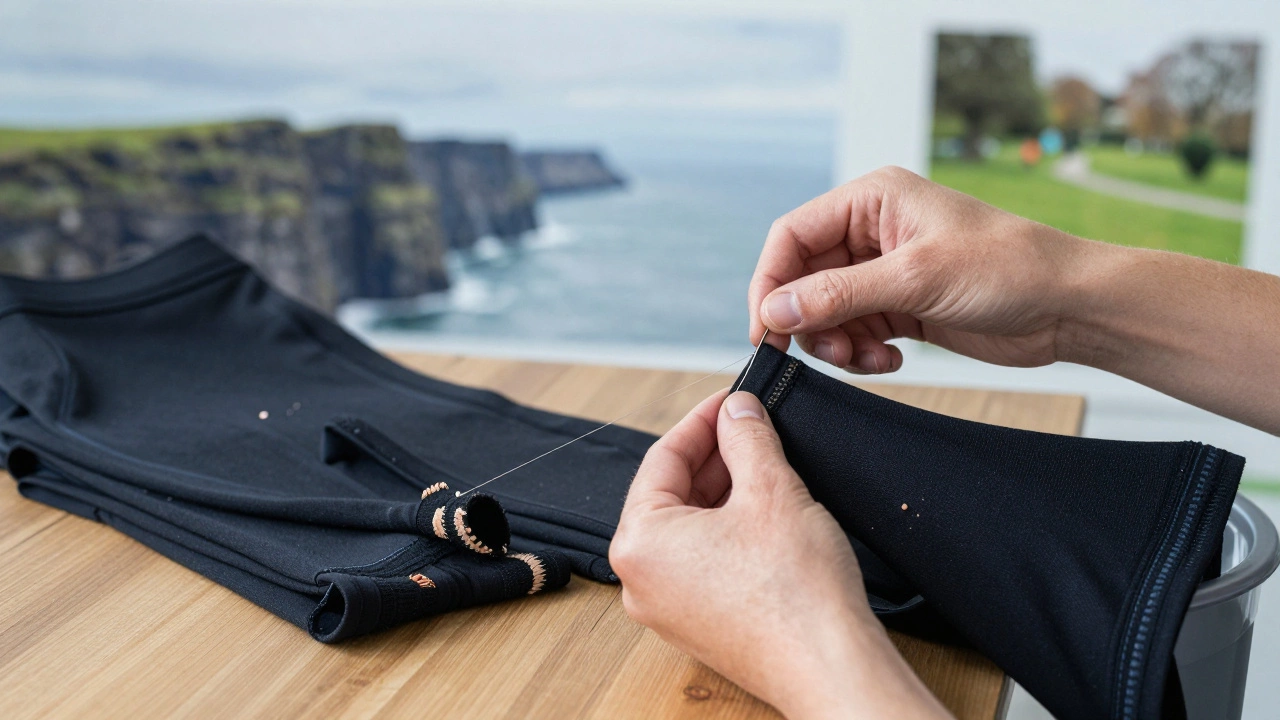
Meanwhile, retailers like GoActive.ie are launching repair services. For €15, you can get your torn running shorts or frayed zippers fixed instead of thrown away. It’s a small step, but it’s the beginning of a more sustainable model-one that could eventually bring prices down by extending product life.
So yes, sportswear is expensive in Ireland. But it’s expensive for reasons you can understand-and, more importantly, for reasons you can work around. You don’t have to pay full price. You just have to know where to look, what to value, and how to think beyond the tag.
Why is sportswear more expensive in Ireland than in the UK?
Sportswear is more expensive in Ireland because of higher import costs, smaller market size, and VAT at 23%. The UK benefits from larger distribution hubs, bulk shipping, and more competition from discount retailers. Ireland’s population is only 5 million, so brands can’t spread costs as thinly, and every item must be shipped across water, adding freight and customs fees.
Are there any Irish-made sportswear brands?
Yes, but they’re small and handmade. Brands like Co. Kerry Active, Donegal Wool Active, and Sligo Active Co. make limited runs using local wool, recycled fabrics, and ethical production. Their gear costs more-€120+ for a jacket-but it’s durable, sustainable, and designed for Irish weather. They’re not competing with Nike on price, but they’re building loyal followings in towns across the west and north.
Is it worth buying expensive technical sportswear in Ireland?
Absolutely. Ireland’s rain, wind, and unpredictable weather make performance fabrics essential. A €90 waterproof running jacket that keeps you dry in a Galway downpour is better than a €30 one that soaks through after 10 minutes. Technical gear lasts longer, performs better, and reduces the need to replace items every season. In the long run, it saves money and reduces waste.
Where’s the best place to buy affordable sportswear in Ireland?
Decathlon Ireland offers the best value for performance gear under €60. Their own-brand products are tested for European conditions and often outperform pricier labels. Secondhand markets like Facebook Marketplace, Depop, and local running club swaps are also excellent for finding nearly new gear at 50-70% off. Don’t overlook end-of-season sales-brands like GoActive.ie and FitGear.ie drop prices deeper than global retailers.
Will sportswear prices go down in Ireland soon?
Not unless something changes. Import costs, VAT, and logistics won’t drop overnight. But a shift toward repair, reuse, and local production could slow price growth. New EU rules on textile waste will push brands to design longer-lasting gear. And as more Irish consumers support local makers, competition may force big brands to offer better value here. For now, the best strategy is smart buying-not cheaper buying.