Sportswear vs. Activewear Classifier
--
--
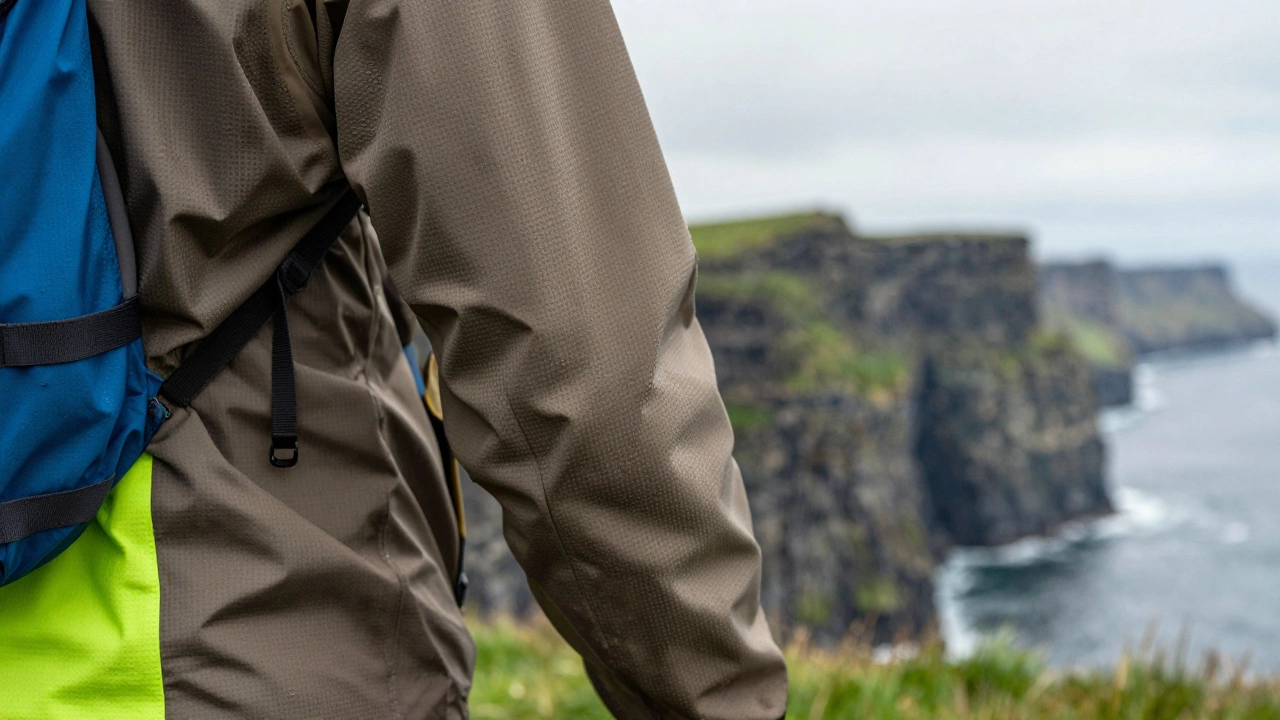
It’s a question that pops up more often than you’d think, especially when standing in the changing rooms of a local leisure centre or scrolling through online stores on a rainy Tuesday. What exactly counts as sportswear? Is it just what you wear to lift weights at a Dublin gym, or does it include the waterproof jacket you rely on during a hike along the Cliffs of Moher? In Ireland, where the weather shifts from sun to sleet in minutes and our culture blends casual comfort with active outdoor living, the line between everyday attire and athletic gear can get blurry.
Understanding this distinction isn’t just about fashion rules; it’s about functionality, safety, and knowing what works for your specific activity. Whether you are a serious runner training for the Dublin Marathon, a parent buying kit for a child’s Gaelic games match, or someone looking for comfortable clothes to walk around Temple Bar, defining sportswear helps you make smarter purchasing decisions. Let’s break down what actually qualifies as sportswear, how it differs from general activewear, and why these categories matter in our daily lives.
The Core Definition: Function Over Fashion
At its simplest level, sportswear refers to clothing specifically designed for physical exercise, sports, or athletic activities. The primary goal of these garments is performance. They are engineered to help your body move efficiently, regulate temperature, and manage moisture. Unlike regular streetwear, which prioritizes aesthetics or social norms, sportswear prioritizes biomechanics and material science.
When we look at the technical side, sportswear typically features synthetic fabrics like polyester, nylon, or elastane (spandex). These materials offer stretch, durability, and quick-drying properties. For example, a standard cotton T-shirt absorbs sweat and stays wet, making you feel cold and heavy. A proper sports shirt, however, wicks moisture away from your skin to the outer surface where it evaporates. This is crucial for anyone playing football in Croke Park or running along the Liffey, where staying dry prevents chafing and keeps your body temperature stable.
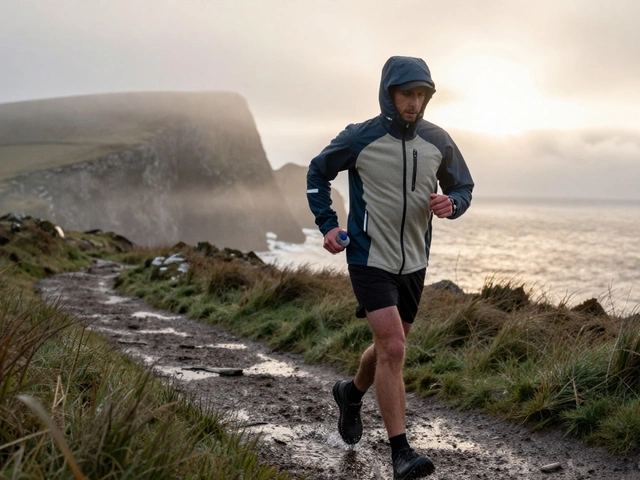
In the Irish context, this definition also extends to protection against the elements. Our climate demands that sportswear often includes windproof or waterproof layers. A lightweight running vest might suffice in London, but in Galway or Kerry, you likely need something with a membrane technology like Gore-Tex or similar breathable waterproof standards to handle sudden showers without compromising breathability.
Sportswear vs. Activewear: Knowing the Difference
You’ll often hear the terms "sportswear" and "activewear" used interchangeably, but there is a distinct difference. Understanding this split helps clarify what you’re buying and why.
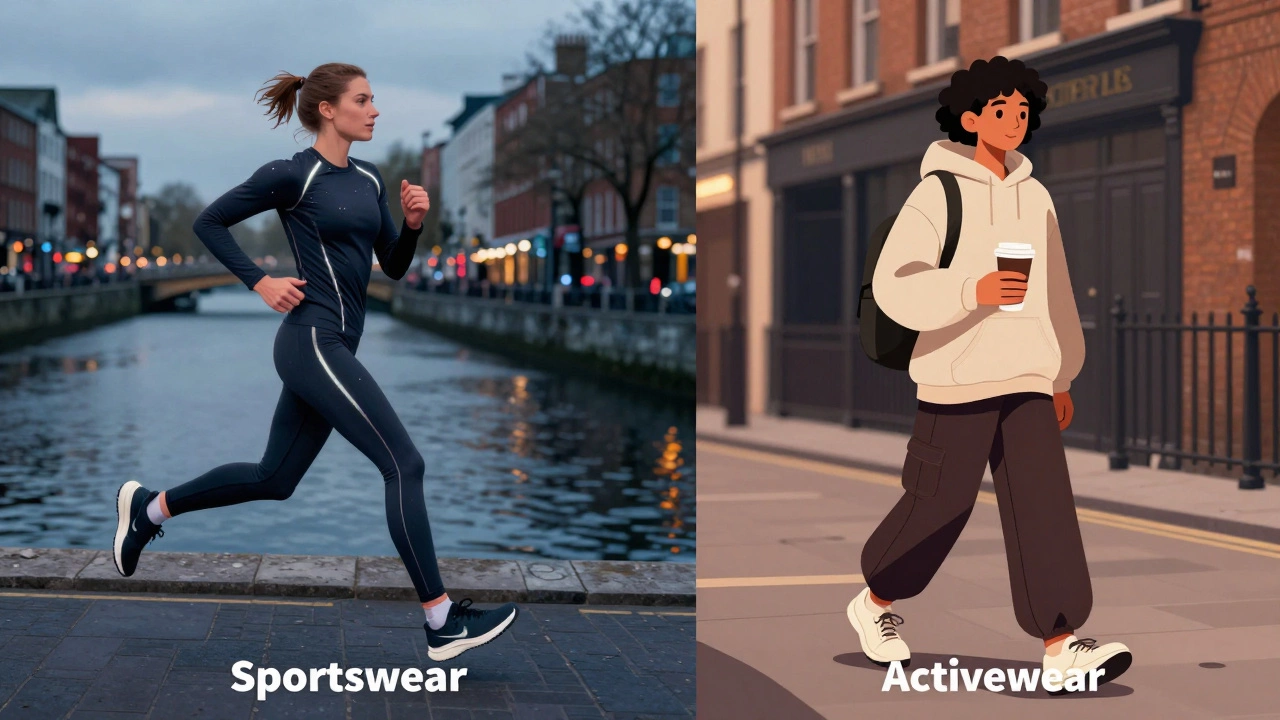
Sportswear is task-specific. It is built for high-intensity activities or specific sports. Think of the compression leggings worn by cyclists, the padded shorts for runners, or the specialized jerseys for rugby players. These items have strict functional requirements. A basketball jersey needs to be loose enough for jumping but durable enough for contact. A swimsuit must resist chlorine damage and provide minimal drag. If the garment has a specific rule or performance metric attached to it, it falls under sportswear.
Activewear, on the other hand, is broader. It refers to clothing suitable for low-to-moderate physical activity or general fitness. Yoga pants, sweatpants, and oversized hoodies fall into this category. You can wear activewear to the gym, yes, but you can also wear them to run errands in Blanchardstown Centre or sit comfortably on the sofa watching the Six Nations. Activewear prioritizes comfort and versatility over peak performance metrics.
| Feature | Sportswear | Activewear |
|---|---|---|
| Primary Purpose | High-performance athletic tasks | General fitness and casual comfort |
| Material Focus | Technical synthetics (moisture-wicking, compression) | Soft blends (cotton-polyester, fleece) |
| Fit | Precise, ergonomic, often tight | Relaxed, flexible, forgiving |
| Examples | Running tights, rugby boots, swim caps | Joggers, yoga tops, casual sneakers |
| Irish Context Use | GAA matches, marathon training, hiking | Gym sessions, walking dogs, commuting |
This distinction matters because buying the wrong type can lead to discomfort or even injury. Wearing thick cotton sweatpants for a high-intensity interval session will cause overheating. Conversely, wearing tight compression gear for a casual walk might restrict circulation unnecessarily. Knowing the difference ensures you invest in the right gear for the job.
Categories of Sportswear in Daily Life
Sportswear isn’t a single monolith; it breaks down into several categories based on the activity involved. Here’s how these categories apply to typical scenarios across Ireland.
1. Team Sports Kit
In Ireland, team sports dominate the landscape. Gaelic Athletic Association (GAA) sports-hurling, Gaelic football, camogie, and handball-require specific kits. These usually consist of lightweight, breathable jerseys and shorts or trousers made from synthetic blends that allow for rapid movement. Cricket whites or rugby jerseys also fall here. These items are often branded with club logos and must adhere to league regulations regarding color and design.
2. Running and Cardio Gear
With the rise of running clubs in cities like Cork, Limerick, and Belfast, cardio-specific sportswear is essential. This includes technical running shirts, tights, and vests. Key features include reflective details for safety during early morning or evening runs, especially given Ireland’s shorter daylight hours in winter. Footwear in this category is highly specialized, with shoes designed for road, trail, or track use.
3. Gym and Strength Training Wear
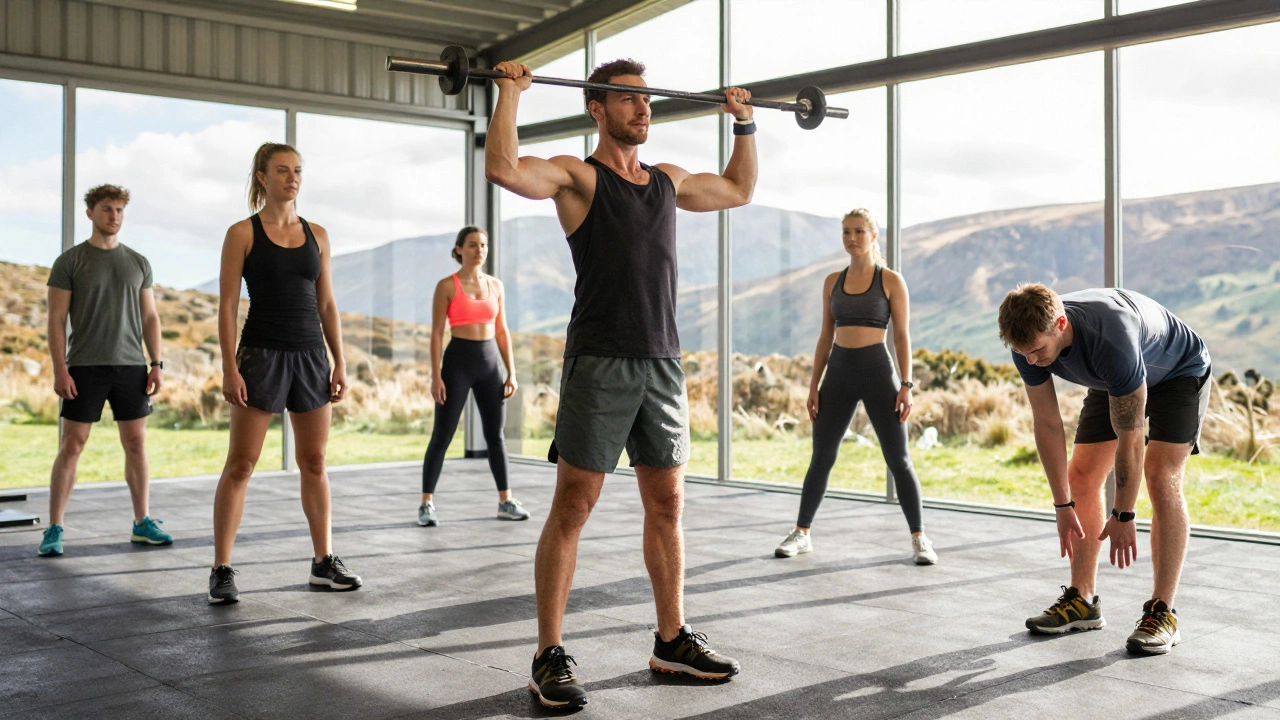
For weightlifting and cross-training, sportswear focuses on freedom of movement and durability. Shorts with deep pockets for phones, tank tops that don’t ride up, and supportive sports bras are staples. Brands often emphasize flat-lock seams to prevent irritation during repetitive movements like bench presses or squats.
4. Outdoor and Adventure Wear
Given Ireland’s rugged terrain, outdoor sportswear is a massive category. This overlaps significantly with hiking gear. Items include waterproof hard shells, insulated mid-layers, and moisture-wicking base layers. While not always "athletic" in the traditional sense, hiking the Wicklow Mountains or climbing in the Burren requires clothing that performs under physical stress and harsh weather. This is where the line between sportswear and outdoor apparel blurs, but the functional requirement remains the same.
The Rise of Athleisure: When Sportswear Becomes Streetwear
A major trend influencing the definition of sportswear is athleisure. This term describes clothing that looks like sportswear but is designed for everyday wear. Think of stylish leggings, sleek hoodies, and designer sneakers. In Dublin’s city center, you’ll see people wearing Nike Tech Fleece or Adidas originals not to play sports, but to look trendy while grabbing coffee.
Does athleisure count as sportswear? Technically, no. It borrows the aesthetic and some materials (like stretchy fabrics) but lacks the performance engineering. An athleisure hoodie might look like a training top, but it won’t wick sweat effectively during a sprint. However, the market has blurred these lines. Many brands now produce "hybrid" pieces that offer moderate performance for light workouts while remaining stylish enough for office environments or social outings.
For consumers, this means checking labels carefully. If you plan to use the item for actual exercise, ensure it mentions "moisture-wicking," "breathable," or "performance." If it only says "comfortable" or "soft," it’s likely activewear or athleisure, not true sportswear.
Buying Sportswear in Ireland: Practical Tips
Navigating the Irish market for sportswear involves considering local retailers, climate needs, and value for money. Here’s what to keep in mind:
- Climate Adaptation: Prioritize layering systems. Base layers should be merino wool or synthetic blends for warmth and moisture control. Mid-layers provide insulation, and outer layers must be windproof and waterproof. Brands like The North Face, Columbia, and local favorites like Macpac offer reliable options.
- Local Retailers: Stores like Decathlon, JD Sports, and Sports Direct are widespread. For specialized GAA gear, look for dedicated shops like O’Neills or O’Donoghues, which carry authentic club colors and regulated equipment.
- Durability: Given the rough terrain and frequent washing due to sweat and rain, invest in quality stitching and reinforced panels. Cheap sportswear may tear quickly during intense activities.
- Sustainability: Many Irish consumers are increasingly conscious of environmental impact. Look for brands using recycled polyester or ethical manufacturing practices. Patagonia and Icebreaker are examples, though pricier, they last longer.
Also, consider second-hand markets. Platforms like Vinted or local charity shops often have gently used high-quality sportswear, especially from international brands. This is both cost-effective and eco-friendly.
Common Misconceptions About Sportswear
Despite its prevalence, several myths persist about what constitutes sportswear. Debunking these helps you avoid costly mistakes.
Myth 1: Cotton is fine for light exercise. Reality: Even for light walks, cotton retains moisture. In Ireland’s damp climate, this can lead to feeling chilled and uncomfortable. Synthetic blends or merino wool are superior choices.
Myth 2: Expensive equals better performance. Reality: Price often reflects branding rather than function. A €50 running shirt from a budget brand may outperform a €100 fashion-focused top. Always check material composition and user reviews.
Myth 3: Sportswear is only for athletes. Reality: Anyone engaging in physical activity benefits from proper gear. Whether you’re gardening, walking the dog, or doing home workouts, appropriate clothing reduces injury risk and enhances comfort.
Is a tracksuit considered sportswear?
Yes, a tracksuit is generally classified as sportswear, particularly if it is made from breathable, moisture-wicking materials. Traditional polyester tracksuits were designed for warming up before athletic events. However, modern cotton-heavy tracksuits lean more towards activewear or casual wear due to their lack of technical performance features.
Can I wear jeans to the gym?
No, jeans are not considered sportswear and are unsuitable for most gym activities. Denim restricts movement, traps heat, and takes a long time to dry if you sweat. Opt for flexible, breathable materials like polyester or spandex blends instead.
What is the best fabric for Irish weather sportswear?
For Ireland’s variable climate, a layered approach is best. Use merino wool or synthetic blends for base layers to manage moisture and warmth. Outer layers should be waterproof and breathable, such as those featuring Gore-Tex or similar membranes, to protect against wind and rain without causing overheating.
Are expensive sports brands worth the investment?
Not necessarily. While premium brands often offer advanced technologies, many mid-range brands provide excellent performance at lower prices. Focus on the specific features you need, such as moisture-wicking or durability, rather than the logo. Reading independent reviews can help identify value-for-money options.
How do I know if my sportswear fits correctly?
Proper fit depends on the activity. For running or cycling, compression gear should be snug but not restrictive. For gym workouts, clothes should allow full range of motion without riding up or slipping. Try on gear while simulating movements like squatting or stretching to ensure comfort and functionality.