Slipper Finder: The Irish Home Guide
What is your primary flooring?
Will you step outside (garden, bins, porch)?
Any specific health or comfort needs?
Your preferred style?
Your Perfect Slipper Match:
Why this works for you:
- Choose memory foam or wool for maximum warmth during damp winters.
- Opt for rubber soles if you frequently step outside onto patio stones or wet driveways.
- Prioritize arch support if you spend long hours standing in a home kitchen.
- Consider breathable materials for the transitional 'shoulder' seasons.
Matching Your Slippers to Your Floor Type
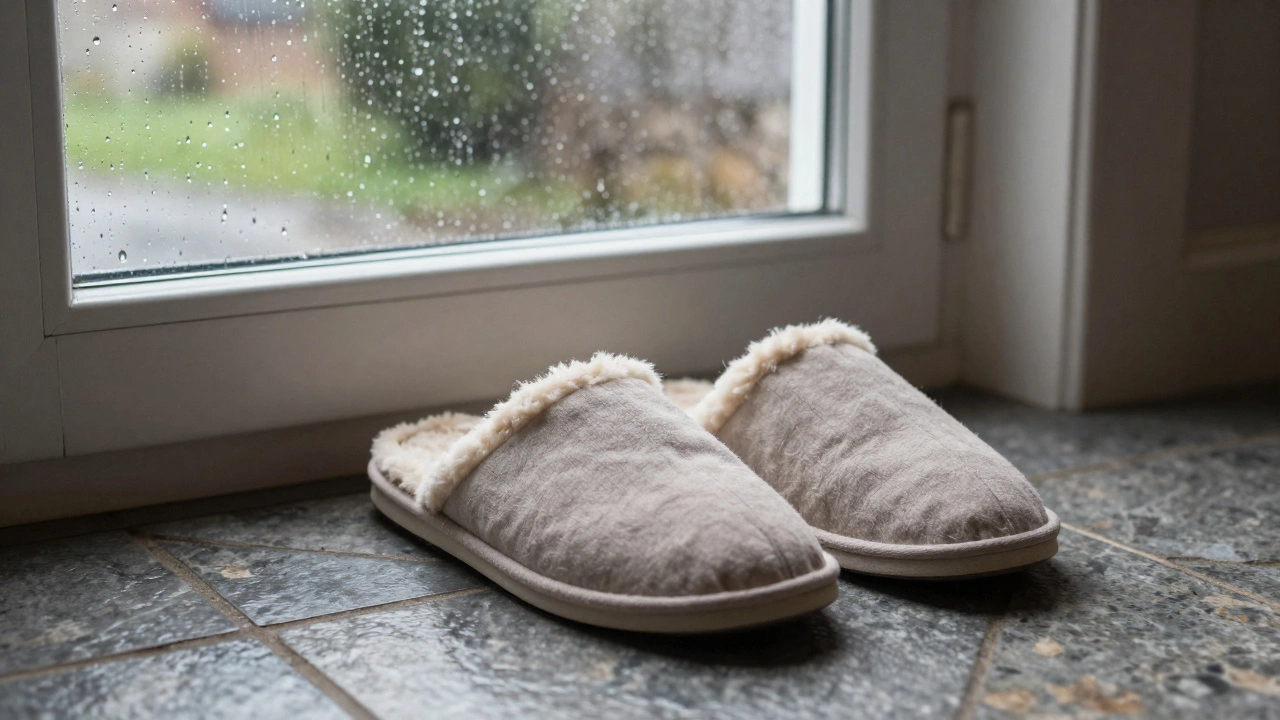
Your choice of footwear depends heavily on what's under your feet. Many older homes in Dublin or Cork still have original hardwood or cold limestone tiles that leach heat from your body. If you have these, you need a thick sole. A thin fabric base won't stop the cold from seeping in, leaving your toes numb by lunchtime. On the other hand, if you've recently renovated with plush carpets or high-pile rugs, you don't want something too bulky. Heavy-duty boots-style slippers can feel like overkill on a carpet and might actually make your feet sweat too much, leading to that uncomfortable clammy feeling. For carpeted rooms, look for lightweight options like Moccasins is a type of soft leather footwear that provides a snug fit and lightweight feel. They provide enough warmth without overheating you while you're relaxing in the lounge.The Great Sole Debate: Soft vs. Hard
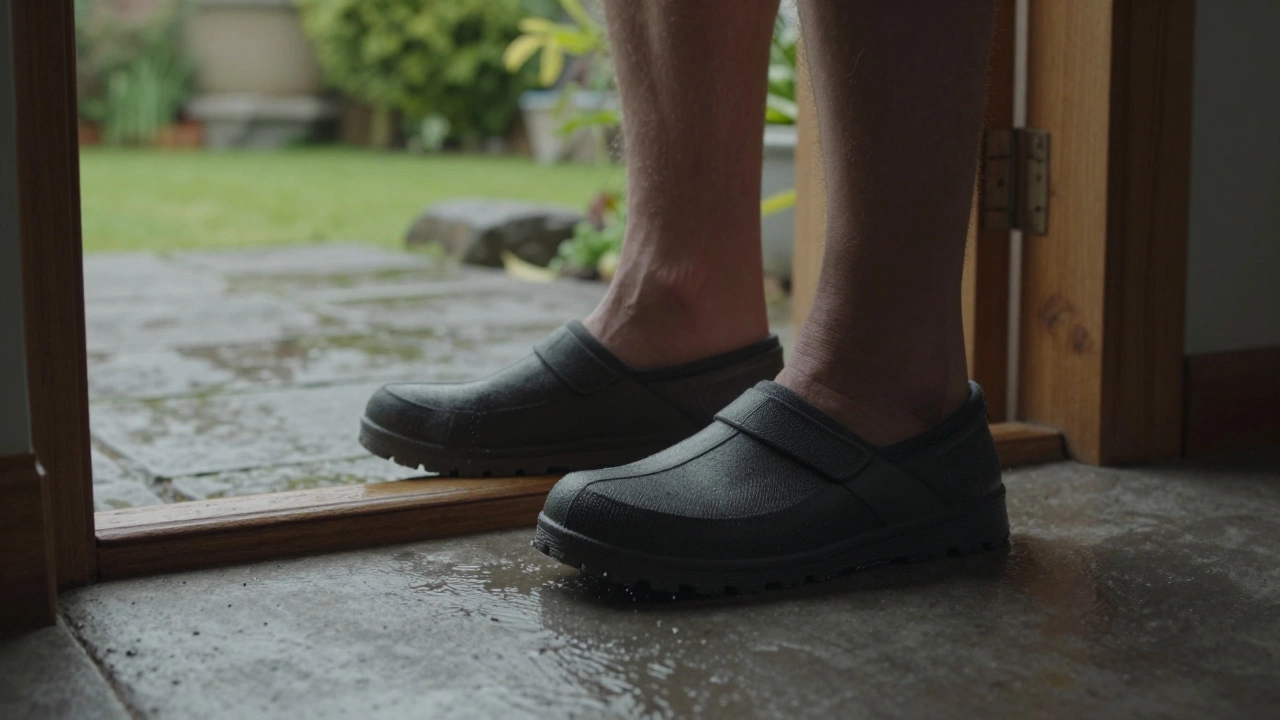
One of the biggest mistakes people make is buying a pair of "indoor only" slippers and then realizing they can't even step out to the bin without soaking their socks. In Ireland, the "quick trip to the garden" is a way of life. This is where TPR (Thermoplastic Rubber) is a durable, water-resistant plastic material used for outsoles that provides grip and protection comes into play. If you have a paved driveway or a wet patio, you need a hard, lugged sole. This prevents the moisture from the ground from soaking through the fabric and keeps you from slipping on damp concrete. If your lifestyle is strictly "couch to kitchen," a soft sole is fine, but most of us need that bit of versatility. Think about how often you'll be stepping onto a damp porch; if it's daily, skip the soft-bottoms entirely.| Sole Type | Best For | Warmth Level | Outdoor Use | Durability |
|---|---|---|---|---|
| Soft Fabric | Carpets / Bedrooms | Medium | No | Low |
| Memory Foam | Tiled Floors / Hardwood | High | No | Medium |
| Rubber/TPR | All Floors / Patios | High | Yes | High |
| Leather Sole | Formal Indoor Use | Low | Limited | Medium |
Material Matters: Wool, Fleece, or Synthetic?
When the Atlantic gales start hitting the coast, material is everything. Merino Wool is a high-performance natural fiber known for its warmth, moisture-wicking properties, and breathability is arguably the gold standard for Irish winters. The reason it works so well here is that it regulates temperature. It keeps you warm when it's freezing, but it won't make you sweat through your socks if you turn the radiators up too high. Fleece and synthetic furs are cheaper and feel incredibly soft, but they have a downside: they don't breathe. If you're someone who gets "hot flashes" or if your home is prone to humidity, synthetics can trap moisture against your skin, which actually makes your feet feel colder over time. If you're shopping at a local boutique or a big chain like Penhaligon's or similar footwear specialists, check the label. If it's 100% polyester, expect it to be cozy for a few months but less breathable in the long run.Support and Health: More Than Just Comfort
As we get older, or if we spend a lot of time on our feet-perhaps you're a busy parent or someone working from home in a home office in Limerick-flat slippers can actually cause pain. Flat slippers offer zero arch support, which can lead to plantar fasciitis or general foot fatigue. This is where Orthopaedic Slippers is specialized footwear designed to provide anatomical support and correct alignment for the foot become essential. Look for slippers with a contoured footbed. You don't need a medical prescription to find these; many brands now incorporate a firm arch and a deep heel cup into their "comfort" ranges. If you feel a dull ache in your heels after a day of housework, it's a sign that your current slippers are too flat. A bit of structured support can change your whole day, especially when you're moving between different floor levels in a multi-story home.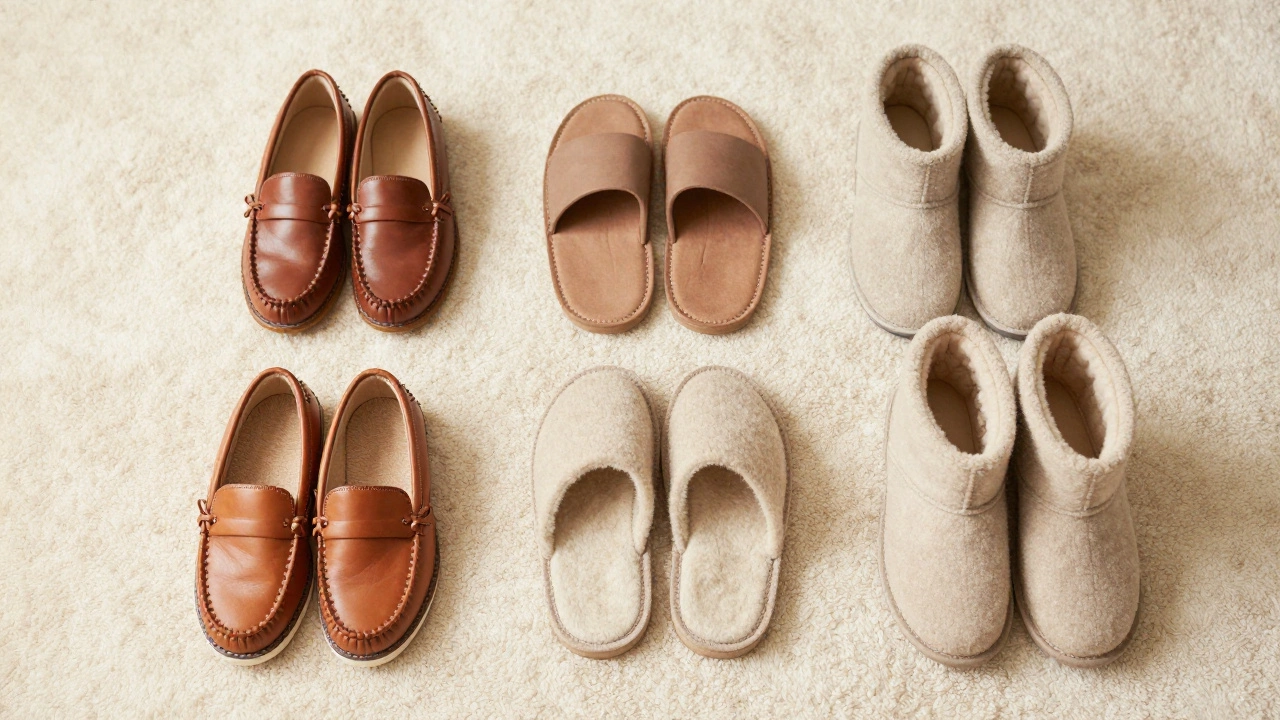
Style and Fit: Open-Toe vs. Closed-Back
Do you prefer the ease of a slide-on or the security of a full shoe? The Mule is a style of slipper with a closed toe and an open back, allowing for easy slip-on access is the most popular choice for convenience. They are great for those quick trips to the kitchen for a cup of tea. However, they offer less warmth because heat escapes from the back of your heel. For the depths of January, a closed-back slipper or a bootie is the way to go. These lock in the heat and provide a more secure fit, which is important if you're navigating stairs. There's nothing worse than a slipper slipping off halfway down the stairs in a rush. If you have a tendency to trip or if you're buying for an elderly relative, always prioritize a secure fit over the convenience of a slide-on.
Maintenance in a Damp Climate
Because Irish homes can be damp, your slippers can absorb moisture and odors over time. To keep them fresh, avoid leaving them right by the front door where they might pick up moisture from umbrellas or wet coats. Instead, keep them in a dry area of the hallway. If your slippers are machine washable, use a gentle cycle and avoid the dryer, as high heat can shrink wool or melt the glues in rubber soles. For leather or suede, a quick brush and some specialized protector spray will keep them from staining the first time you step onto a damp porch. If you notice a musty smell, a sprinkle of baking soda overnight can work wonders in neutralizing the scent without damaging the fabric.Are memory foam slippers warm enough for Irish winters?
Memory foam provides excellent cushioning and creates a barrier between your foot and the cold floor, but the warmth actually comes from the lining. If the memory foam is paired with a wool or faux-fur lining, they are very warm. If it's just a thin fabric, you might still feel a chill.
Should I buy slippers a size larger to accommodate thick socks?
Yes, if you typically wear heavy wool socks during the winter, sizing up by half a size is a smart move. If the slipper is too tight, it can actually restrict blood flow to your toes, which makes your feet feel colder than if you were wearing a slightly loose pair.
What is the best material for someone whose feet sweat often?
Natural wool or cotton blends are the best choice. Avoid 100% synthetic materials like polyester or cheap fleece, as these trap heat and moisture, which can lead to odors and discomfort. Merino wool is particularly effective because it naturally wicks moisture away from the skin.
How often should I replace my house slippers?
Generally, every 6 to 12 months. Once the inner cushioning collapses or the sole wears thin, you lose the thermal protection and support. If you notice you're starting to feel the cold of the floor again, it's time for a new pair.
Can I wear my indoor slippers to get the mail?
Only if they have a rubber or TPR sole. Fabric-bottomed slippers will soak up water from the driveway instantly, which can ruin the material and leave your feet cold and damp for the rest of the day.