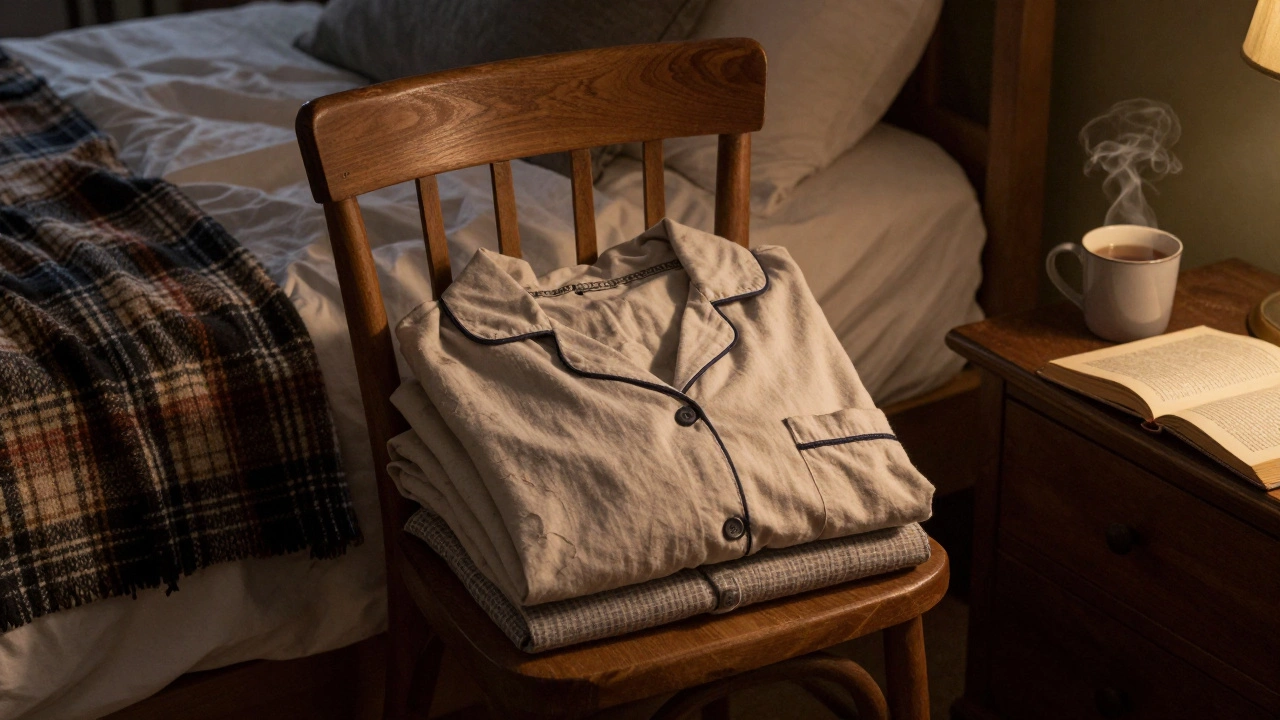
In Ireland, where the line between British and Irish English often blurs over a pint of Guinness, the word you use for sleepwear says more about your upbringing than your bedtime routine. If you’ve ever walked into a Dunnes Stores looking for pajamas and been met with a raised eyebrow, you’re not alone. The truth is, most people in Ireland don’t say ‘pajamas’ at all - not because they’re being fancy, but because they’ve always said something else.
Pyjamas: The Irish Default
Ask anyone in Cork, Galway, or Derry what they wear to bed, and you’ll hear ‘pyjamas’ - spelled with a ‘y’ and pronounced with a soft ‘j’ like ‘jay-mas’. It’s not a British affectation; it’s the standard. Even in households where English is spoken with a thick Donegal accent, ‘pyjamas’ is the word you’ll find printed on the tags of clothes bought from Penneys (Primark), Lidl, or even the local pharmacy. The spelling ‘pyjamas’ comes from the Hindi ‘pāyjāma’, via British colonial influence, and it stuck here harder than it did in the US.
Why does this matter? Because in Ireland, language isn’t just about communication - it’s about identity. When you say ‘pyjamas’, you’re aligning yourself with the same linguistic heritage as the UK, but without the cultural baggage. You’re not trying to sound posh. You’re just speaking the way your mum did, the way your granddad did, and the way the shop assistant at the corner newsagent does when she asks, ‘Need a new set for winter?’
What About ‘Pajamas’?
The American spelling - ‘pajamas’ - isn’t unknown in Ireland. You’ll see it on imported goods from Amazon US, on Netflix subtitles, or on clothing tags from American brands like Hanes or Calvin Klein sold in SuperValu. But if you walk into a shop in Dublin’s Grafton Street and ask for ‘pajamas’, you might get a polite nod followed by a quiet correction: ‘You mean pyjamas, love?’
It’s not a big deal - nobody’s going to laugh - but it’s a subtle cultural marker. Irish people don’t reject American English outright. We use ‘elevator’ and ‘apartment’ without blinking. But when it comes to sleepwear, we hold onto ‘pyjamas’ like a relic of a shared past that never fully became Americanized. It’s the same way we say ‘lorry’ instead of ‘truck’, or ‘biscuit’ instead of ‘cookie’.
What Do Irish People Actually Wear to Bed?
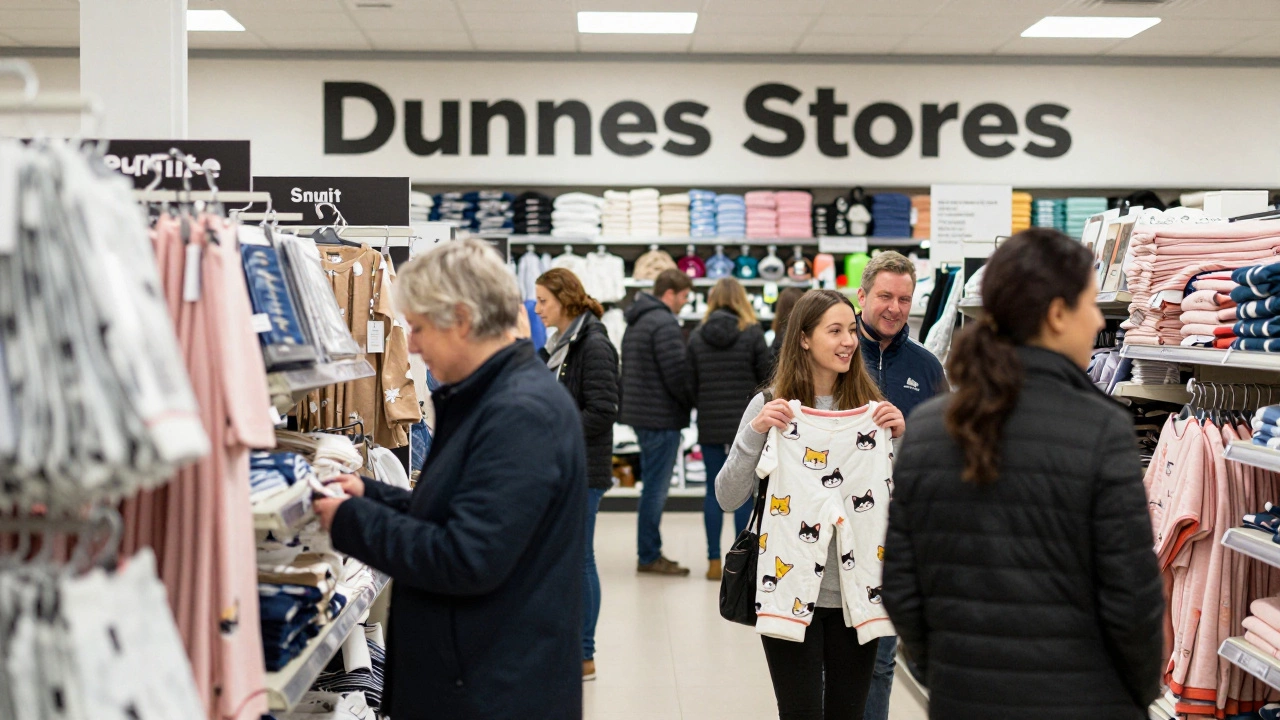
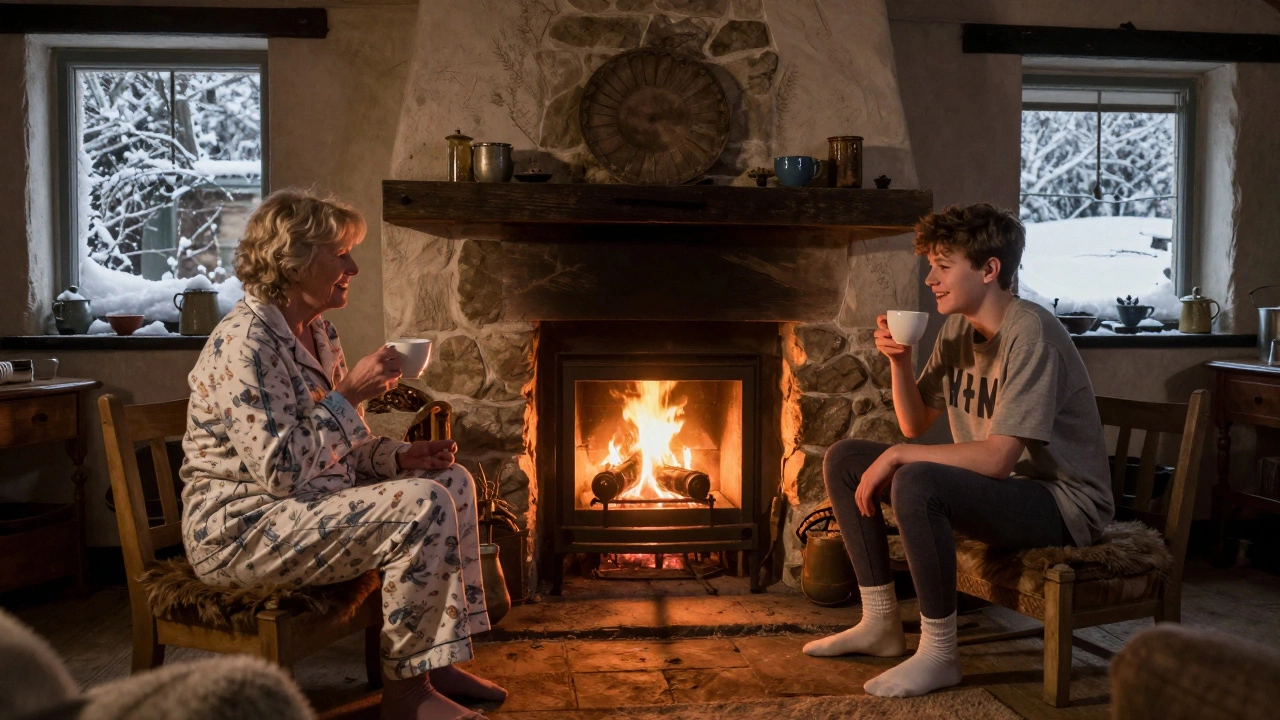
Let’s be real - most people in Ireland don’t wear traditional two-piece pyjamas anymore. The rise of cotton T-shirts and leggings has turned bedtime into casual wear. You’ll find teenagers in Galway sleeping in oversized H&M T-shirts with cartoon cats on them, and retirees in Sligo in long-sleeve thermal tops bought from Dunnes Stores’ winter sale. The classic cotton pyjama set - short-sleeved top and matching trousers - is now mostly worn by older generations or for special occasions like Christmas morning.
But here’s the twist: even when people wear a T-shirt to bed, they still call it ‘pyjamas’. ‘I’m just in me pyjamas,’ they’ll say, holding a mug of tea in front of the fire at their cottage in Wicklow. It’s become a catch-all term for any clothing worn to sleep. That’s the Irish way - practical, flexible, and rooted in habit.
Why Does This Distinction Exist?
The split between ‘pajamas’ and ‘pyjamas’ isn’t just about spelling. It’s about history. Ireland was part of the United Kingdom until 1922, and even after independence, British cultural influence remained strong - especially in language. Newspapers, TV, and schoolbooks used British spellings. The word ‘pyjamas’ was standard in Irish households long before American pop culture flooded in with Hollywood films and online shopping.
Today, Irish schools still teach British spelling. The Department of Education’s guidelines list ‘pyjamas’ as the correct form. You’ll find it in textbooks from the Irish Examiner’s educational supplements and in the grammar books used in primary schools from Waterford to Letterkenny. So when a child in Kerry asks their teacher, ‘Is it pajamas or pyjamas?’, the answer is clear: ‘Pyjamas, darling.’
What About Other Sleepwear Terms?
‘Nightwear’ is another word you’ll hear, especially in shops. It’s the formal term used on product labels - ‘women’s nightwear’, ‘men’s nightwear’ - but rarely used in conversation. People don’t say, ‘I’m going to buy some nightwear.’ They say, ‘I need new pyjamas.’
‘Pajama set’ is common, especially when buying matching tops and bottoms. ‘Pyjama top’ and ‘pyjama bottoms’ are also used, but only when someone’s being specific. In everyday talk, it’s all just ‘pyjamas’.
And don’t expect to find ‘sleepwear’ on the hangers in Penneys. The racks are labeled ‘Pyjamas & Nightdresses’. Even the online store uses ‘pyjamas’ as the main filter. That’s because the Irish market - even when influenced by global brands - still follows local linguistic norms.
When Do British and Irish Terms Diverge?
Here’s a quick comparison of how terms differ across the Irish Sea:
| Term | Ireland | UK | US |
|---|---|---|---|
| General term | Pyjamas | Pyjamas | Pajamas |
| Spelling | Pyjamas | Pyjamas | Pajamas |
| Common material | Cotton, flannel | Cotton, flannel | Cotton, silk |
| Style trend | T-shirts + leggings | T-shirts + leggings | Short sets, satin |
| Where to buy | Dunnes, Penneys, Lidl | John Lewis, M&S | Target, Amazon |
Notice anything? Ireland and the UK are practically twins here. The US is the outlier - not just in spelling, but in style and availability. In Ireland, you won’t find silk pajamas in most homes. Flannel sets for winter? Yes. Cute cartoon prints for kids? Absolutely. But the idea of wearing satin pajamas to bed? That’s more of a Hollywood fantasy than an Irish reality.
What This Tells Us About Irish Identity
Language is one of the quietest forms of resistance. By holding onto ‘pyjamas’, Ireland maintains a cultural thread that connects it to its past without fully embracing the American present. It’s not about rejecting change - it’s about choosing what to keep.
When you hear someone in Belfast say ‘pyjamas’ and someone in Boston say ‘pajamas’, you’re hearing two versions of the same word shaped by different histories. In Ireland, that word carries the weight of a nation that learned English through British rule but never fully surrendered its own rhythm of speech.
So if you’re visiting Ireland and want to blend in, say ‘pyjamas’. If you’re shopping online and want to find the right product, search for ‘pyjamas’ - not ‘pajamas’. And if you’re buying a gift for a friend in Limerick? Skip the silk set. Go for a soft cotton pair with a Donegal tweed trim. They’ll thank you.
Do Irish people say pajamas or pyjamas?
Irish people overwhelmingly say and spell it as ‘pyjamas’. It’s the standard in schools, shops, and everyday speech. While you might see ‘pajamas’ on imported American products, it’s not the norm in Ireland.
Is ‘pyjamas’ a British word?
Yes, ‘pyjamas’ is the British spelling, and Ireland adopted it during its time as part of the UK. Even after independence, the spelling stuck because it was already embedded in education, media, and retail. It’s not seen as ‘British’ here - it’s just the way it’s always been done.
Can I use ‘pajamas’ in Ireland without sounding strange?
You won’t be misunderstood - people will know what you mean. But you might get a polite smile or a gentle correction. In formal writing, like a letter to a shop or an official form, ‘pyjamas’ is still the expected spelling. In casual conversation, it’s not a big deal, but using ‘pyjamas’ makes you sound more local.
What do Irish people wear to bed instead of traditional pyjamas?
Many now wear cotton T-shirts and leggings - especially younger people. Thermal tops and sweatpants are common in winter. Even when wearing non-traditional sleepwear, they still call it ‘pyjamas’. It’s become a catch-all term, like how ‘tissues’ can mean any kind of paper handkerchief.
Where can I buy pyjamas in Ireland?
You’ll find them at Dunnes Stores, Penneys (Primark), Lidl, and SuperValu. For higher-end options, check out Brown Thomas or Arnotts. Most labels use ‘pyjamas’ on the packaging. Online, Irish retailers like Zalando.ie and Amazon.ie list them under ‘pyjamas’ as the main search term.