Irish Suit Selector
Select your occasion below to see the recommended suit color, fabric advice, and styling tips tailored for the Irish climate and culture.
Recommended: Charcoal Grey
The Sophisticated Alternative
Less harsh than black, perfect for grey Irish skies. Charcoal reflects light better than black during darker months (Oct-March) while maintaining seriousness. Great for evening events or theater trips.
- Best For: Formal Events, Funerals, Evening
- Shoe Pairing: Black leather
- Fabric Tip: Wool blends that breathe; avoid shiny fabrics.
Cultural Note
In Ireland, black is often reserved for mourning. Charcoal is a safer, more modern choice for daytime formalities if black feels too somber.Recommended: Medium Grey
The Daily Driver
The workhorse for the tech hubs in Dublin or Belfast. Lighter than charcoal, suitable for spring/summer weddings or warmer days. Neutral enough to pair with pastels or even a denim shirt for smart-casual looks.
- Best For: Daily Office Wear, Casual Fridays
- Shoe Pairing: Brown leather
- Fabric Tip: Ensure excellent tailoring; lighter colors highlight poor fit.
Style Hack
A local tailor can adjust sleeves/hems for under €50, making off-the-rack medium grey suits look custom-made.Recommended: Black
Strictly Formal
Use sparingly. In Ireland, black is strictly coded for funerals and very formal evening events (black tie optional). Using it for everyday business can come off as stiff or outdated.
- Best For: Funerals, Very Formal Dinners
- Shoe Pairing: Black leather
- Fabric Tip: Matte wool only. Avoid shiny fabrics which look like cheap rentals.
Warning
Avoid for daytime weddings unless specified. It may make you look like you're attending a funeral at a celebratory event.Quick Reference: Shoe Matching
Remember: Match your belt to your shoes. Never mix black socks with brown shoes.
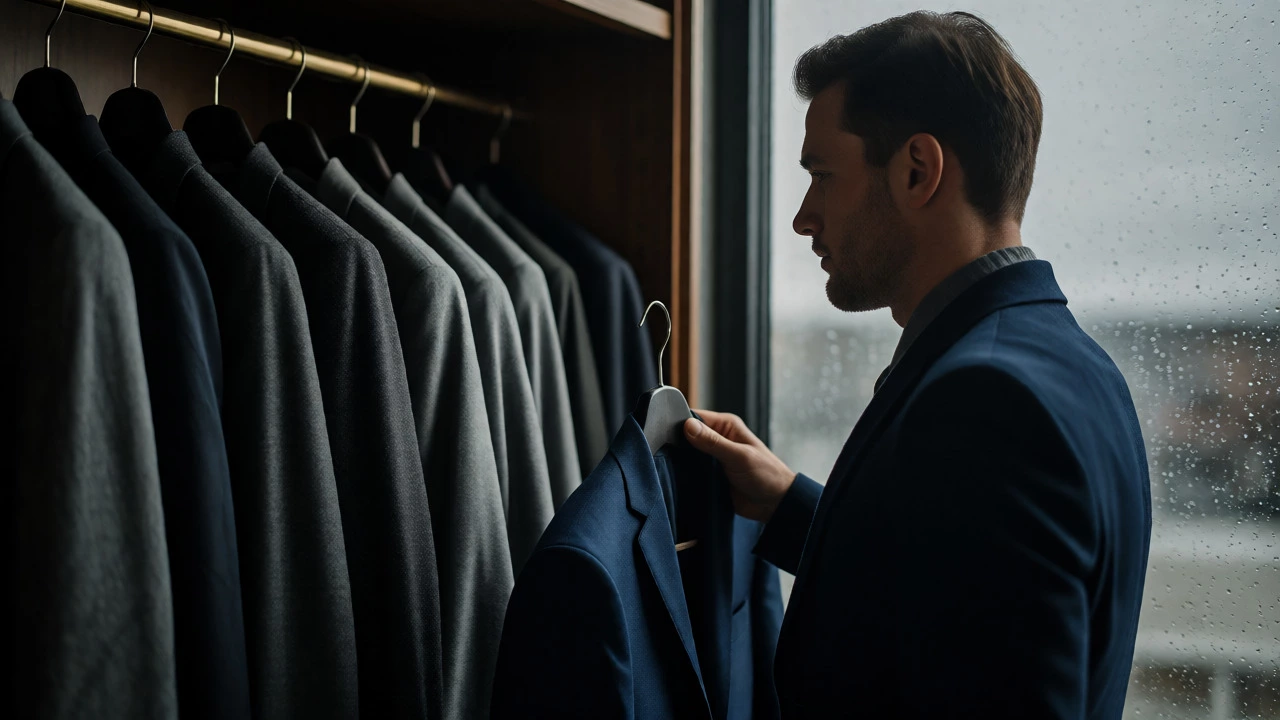
You’re standing in front of your wardrobe in Dublin, staring at a rack of clothes that feels more like a costume shop than a professional arsenal. It’s November, the rain is lashing against the window, and you’ve just been invited to a wedding in Cork or maybe a client meeting in Sandyford. Panic sets in because you realize you don’t actually own a suit color that works for every occasion without looking out of place. Here’s the truth: most guys in Ireland buy suits based on what’s on sale at Penneys or Brown Thomas, rather than building a strategic collection. But if you want to look sharp from Galway to Kerry, you need a specific palette.
| Suit Color | Best For | Irish Context Tip |
|---|---|---|
| Navy Blue | Business, Weddings, Interviews | Works with almost any shirt; hides rain stains well. |
| Charcoal Grey | Formal Events, Funerals, Evening | Less harsh than black; perfect for grey Irish skies. |
| Medium Grey | Daily Office Wear, Casual Fridays | Versatile for tech hubs in Dublin or Belfast. |
| Black | Funerals, Very Formal Dinners | Avoid for daytime weddings unless specified. |
The Navy Suit: Your All-Rounder
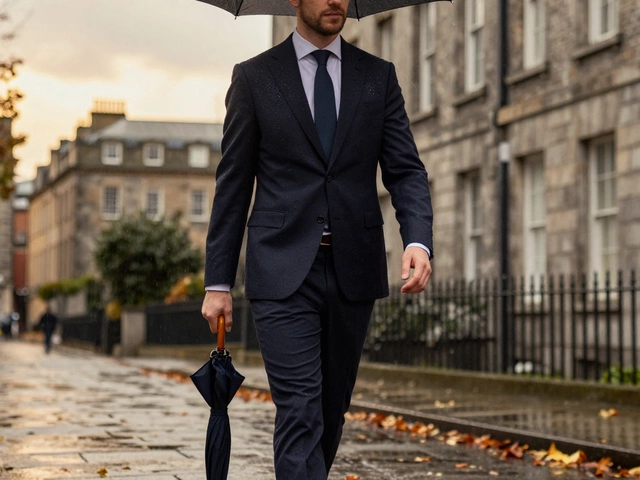
If you only ever buy one suit, make it navy. This isn’t just fashion advice; it’s practical survival gear for the Irish climate. Navy blue is a deep shade of blue that offers high versatility and professionalism while remaining less severe than black. In Ireland, where the weather can shift from sunshine to downpour in ten minutes, navy is forgiving. It doesn’t show water spots as clearly as lighter fabrics, and it pairs effortlessly with the white shirts and patterned ties you likely already own.
Think about the typical work environment here. Whether you’re working in finance in Dublin’s Docklands or running a pub in Kilkenny, navy commands respect without shouting. It’s the standard for job interviews across the country. If you’re heading to a wedding in Limerick, a navy suit allows you to wear a brighter tie or pocket square, letting you blend in with the festive mood without overdressing. The key is choosing a mid-to-dark navy. Too light, and you look like you’re wearing a uniform; too dark, and it starts competing with black.
Charcoal Grey: The Sophisticated Alternative
Once you have navy, charcoal grey is your next logical step. Why not black? Because in our culture, black is often reserved for mourning or very strict formal events. Wearing a full black suit to a daytime wedding in rural Clare might make you look like you’re attending a funeral, which is an awkward vibe to manage. Charcoal grey sits comfortably between the casualness of medium grey and the severity of black.
This color shines during the darker months. From October to March, when daylight fades early in places like Sligo or Donegal, charcoal reflects light better than black but still looks serious. It’s ideal for evening events, theater trips to the Gaiety Theatre in Dublin, or dinner parties. Pair it with a crisp white shirt and a silver or light blue tie for a look that says you understand style but aren’t trying too hard. Fabric matters here-look for wool blends that breathe, as Irish indoor heating can get stifling.

Medium Grey: The Daily Driver
For the guy who goes to the office five days a week, a medium grey suit is the workhorse. It’s lighter than charcoal, making it suitable for spring and summer weddings or warmer days in May when the sun actually comes out. In cities like Cork or Waterford, where business attire can sometimes lean slightly more relaxed, medium grey fits right in.
The advantage of medium grey is its neutrality. You can pair it with pastels, bold patterns, or even a denim shirt for a smart-casual look after work. If you’re attending a conference in the RDS in Dublin, this suit keeps you comfortable and approachable. Just be careful with fit. Lighter colors highlight poor tailoring, so ensure the jacket skims your body without pulling at the buttons. A local tailor in your area can adjust the sleeves and hem for under €50, making off-the-rack suits look custom-made.
When to Actually Wear Black
Does every guy need a black suit? Not necessarily, but it has its place. In Ireland, black is strictly coded for funerals and very formal evening events (black tie optional). If you’re going to a wake in a small town in Mayo, a black suit is respectful and expected. However, using it for everyday business or daytime social gatherings can come off as stiff or outdated.
If you do invest in a black suit, keep it simple. Avoid shiny fabrics, which scream "cheap rental." Matte wool or a high-quality blend is essential. Save this suit for occasions where the dress code is explicitly formal. For most other situations, navy or charcoal will serve you better and look more modern.
Fabric Choices for Irish Weather
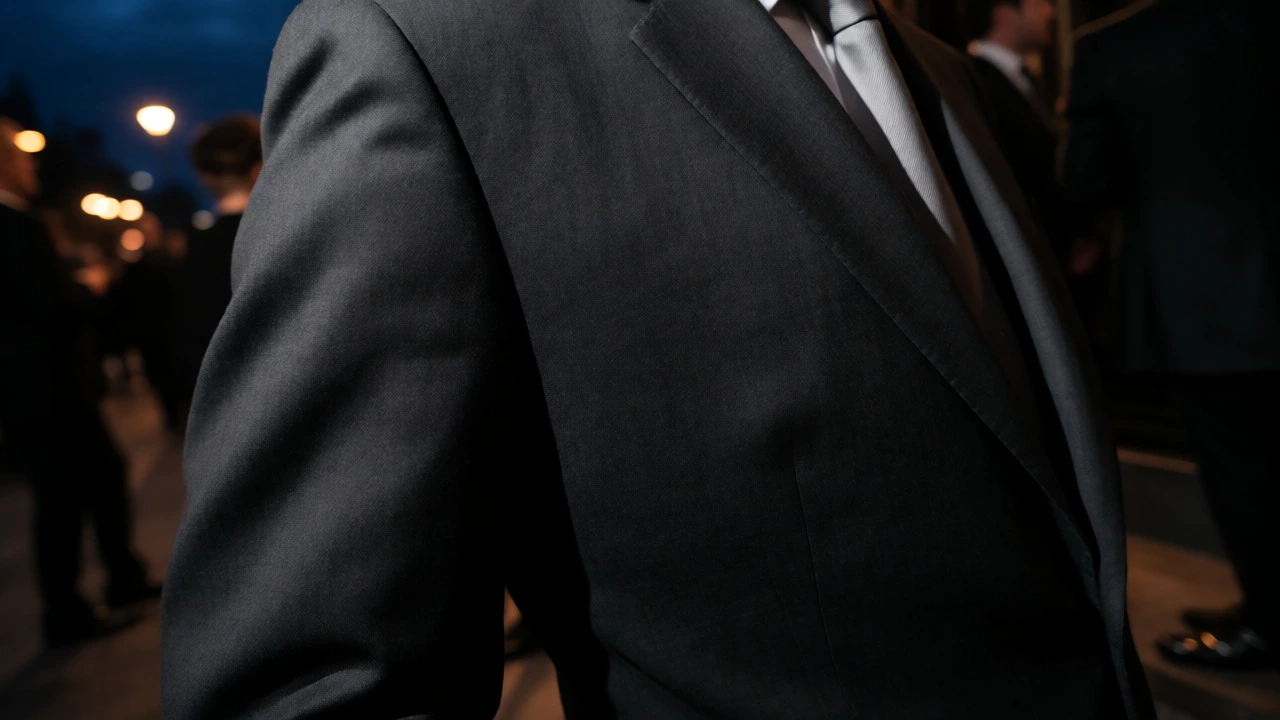
Color is half the battle; fabric is the other half. Living in Ireland means dealing with humidity and rain. Synthetic blends might seem cheaper, but they trap moisture and smell bad after a day on the Luas or bus. Wool is king here. Specifically, Super 100s to Super 130s wool offers durability without being too heavy.
Consider tropical weight wool for summer suits-it’s thinner and breathes well. For winter, a heavier flannel or tweed-inspired weave adds texture and warmth. Brands available locally, from high-end boutiques on Grafton Street to accessible retailers like Next or H&M, offer these options. Always check the label for wool content; aim for at least 80% wool for the best balance of comfort and structure.
Building Your Capsule Wardrobe
You don’t need ten suits. Three are enough to cover 90% of scenarios. Start with navy, add charcoal, and then decide if you need medium grey or black based on your lifestyle. Rotate them to let the fabric rest, extending their life. Accessorize wisely: brown shoes go with navy and grey; black shoes go with charcoal and black. Never mix black socks with brown shoes unless you want to confuse people.
Remember, confidence comes from knowing you’re dressed appropriately. When you walk into a room in Dublin, Belfast, or anywhere in between, your suit should support your message, not distract from it. Invest in quality over quantity, and tailor everything. That’s how you build a wardrobe that lasts years, not just seasons.
Can I wear a black suit to a wedding in Ireland?
Generally, no, unless it is a very formal evening event or specifically requested. Daytime weddings in Ireland typically favor navy, grey, or earth tones. Black is often associated with mourning or strict formality, so it can feel out of place at a celebratory daytime gathering.
What is the best suit fabric for Irish weather?
Wool is the best choice due to its breathability and water resistance. Look for medium-weight wool (Super 100s-130s) for year-round use. For summer, choose tropical wool, and for winter, consider flannel or heavier tweeds to handle the cold and damp conditions common in Ireland.
Do I need a black suit if I already have navy and grey?
Not immediately. Navy and grey cover most business and social occasions. A black suit is primarily needed for funerals or highly formal evening events. If you attend many wakes or black-tie optional dinners, then yes, add a black suit to your rotation later.
How much should I spend on my first suit?
In Ireland, a good entry-level suit ranges from €150 to €300 at retailers like Next, H&M, or Marks & Spencer. Higher quality brands like Reiss or local tailors may cost €400+. Prioritize fit and fabric over brand name. Investing in tailoring adjustments (€30-€60) can make a cheaper suit look expensive.
Which shoe color matches which suit?
Brown leather shoes pair perfectly with navy and grey suits. Black leather shoes are required for black suits and recommended for charcoal grey. Dark brown or oxblood shoes can also work well with navy for a stylish contrast. Match your belt to your shoes.