Lululemon vs. Traditional Sportswear Matchmaker
Not sure if you should invest in premium Lululemon gear or stick with durable traditional brands? Answer these questions to find your perfect match.
Your Recommendation
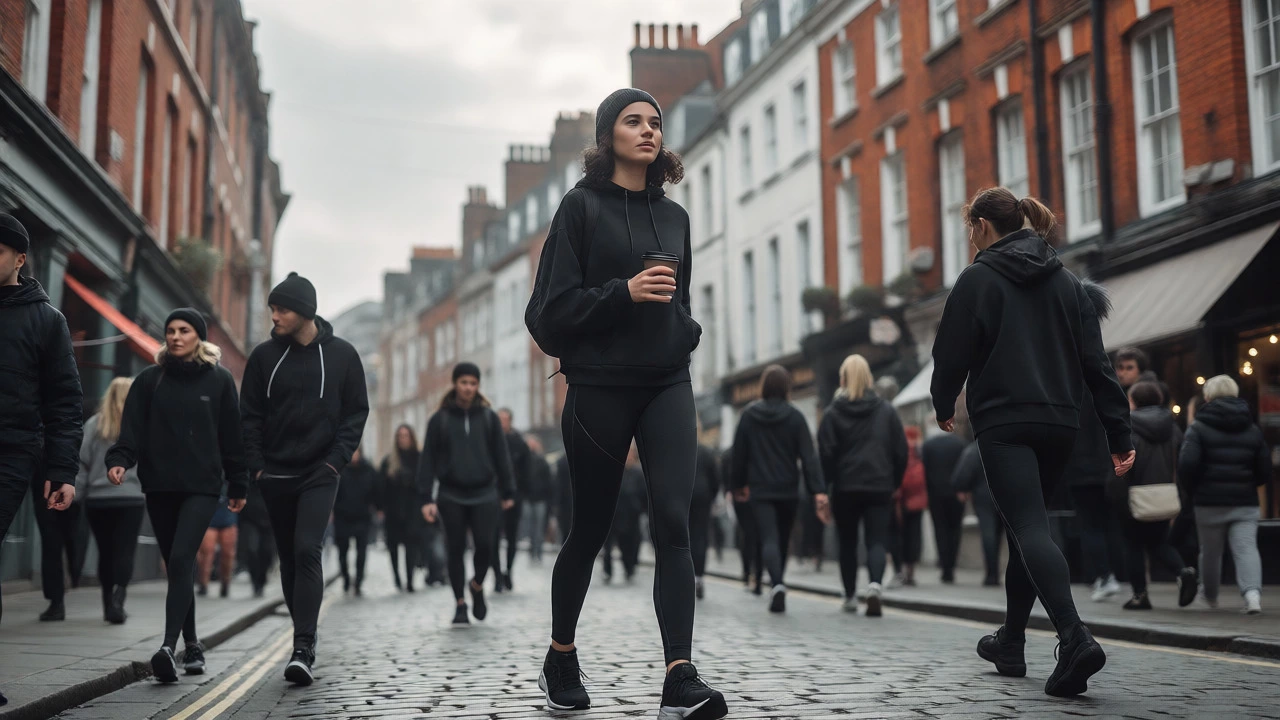
Walk into any high street in Dublin, from Grafton Street to Dundrum Town Centre, and you will see a sea of black leggings. Chances are, many of them carry that distinctive omega logo on the waistband. But here is the question that puzzles many shoppers in Ireland: Is Lululemon actually a sportswear brand, or has it morphed into something else entirely? For years, this Canadian company positioned itself as a technical performance brand. Today, however, its presence in Irish gyms, coffee shops, and even office spaces suggests a shift. This article breaks down whether Lululemon still holds the crown for serious athletes or if it has become a lifestyle label that just happens to sell gym clothes.
The Evolution from Yoga Pants to Global Powerhouse
To understand where Lululemon stands today, we need to look at where it started. Founded in Vancouver in 1998, the brand built its reputation on one specific niche: yoga. In the early days, they weren’t trying to compete with giants like Nike or Adidas. They were focused on creating fabric that could handle sweat without chafing during long meditation sessions. The key innovation was Luon, a proprietary nylon-elastane blend that offered four-way stretch and moisture-wicking properties. This focus on material science established Lululemon as a legitimate sportswear entity, specifically within the yoga vertical.
However, the market has changed dramatically since those early Vancouver days. By expanding into running, training, and hiking, Lululemon diluted its original "yoga-only" identity. In Ireland, where outdoor activities range from hiking the Wicklow Mountains to playing Gaelic football, the definition of sportswear is broad. Does a brand that sells $100 hoodies for lounging still count as sportswear? Technically, yes, because the garments are designed with athletic functionality in mind. But culturally, the line between gym gear and everyday fashion has blurred beyond recognition.
Performance Metrics: How It Stacks Up Against Traditional Giants
If you ask a runner preparing for the Dublin Marathon or a CrossFit athlete in Cork what they wear, opinions on Lululemon vary wildly. Traditionalists often argue that while Lululemon looks good, it lacks the hardcore durability of established competitors. Let’s compare the core attributes of Lululemon against two major rivals often found in Irish sports stores.
| Feature | Lululemon | Nike | Under Armour |
|---|---|---|---|
| Primary Focus | Yoga, Pilates, Lifestyle | Running, Football, General Athletics | High-Intensity Training, Compression |
| Fabric Technology | Luon, Nulu (Softness priority) | Dri-FIT (Moisture management) | HeatGear (Temperature regulation) |
| Price Point (Leggings) | €90 - €130 | €45 - €70 | €50 - €75 |
| Durability Rating | Moderate (Pilling risk) | High (Engineered for abrasion) | Very High (Built for contact) |
| Irish Availability | Boutique stores, Online | Everywhere (Shoezone, Sports Direct) | Major sports retailers |
The data shows a clear divergence. Nike and Under Armour prioritize extreme durability and temperature control, essential for Irish weather conditions which can swing from rain to wind in minutes. Lululemon prioritizes comfort and aesthetic appeal. If you are doing high-intensity interval training (HIIT) in a busy gym in Ranelagh, the softness of Lululemon’s Align collection might feel great, but it may not withstand the friction of heavy rope climbs as well as a pair of Nike Pro shorts. This isn't a flaw; it's a design choice. But it raises the question: is it truly sportswear, or is it comfort wear?
The "Athleisure" Factor: Why Lululemon Dominates Irish Streets
In cities like Dublin and Galway, you rarely see people wearing full kit unless they are actively exercising. Instead, you see the "off-duty model" look. This is where Lululemon shines. The brand mastered the art of making sportswear acceptable for social settings. You can go from a spin class at PureGym straight to a brunch in Temple Bar without changing. This versatility is a massive selling point in Ireland, where socializing often revolves around casual meetups rather than formal events.
Cultural context matters here. Irish culture values practicality but also places a high premium on looking put-together without appearing to try too hard. Lululemon fits this ethos perfectly. Their designs are minimalist, avoiding loud logos or aggressive graphics common in traditional sportswear. This subtlety appeals to professionals who work in tech hubs like Silicon Docks, where the dress code has shifted from suits to smart-casual activewear. The brand isn't just selling pants; it's selling a status symbol that says, "I care about my health, but I also have disposable income."
Quality Concerns: The Pilling Problem
One of the most frequent complaints among Irish customers is pilling. That’s when small balls of fiber form on the surface of the fabric after washing. Many users report their expensive Lululemon leggings developing these bumps after just a few washes. From a strict sportswear perspective, this is a significant drawback. True performance gear should last through hundreds of workouts and wash cycles without degrading visually.
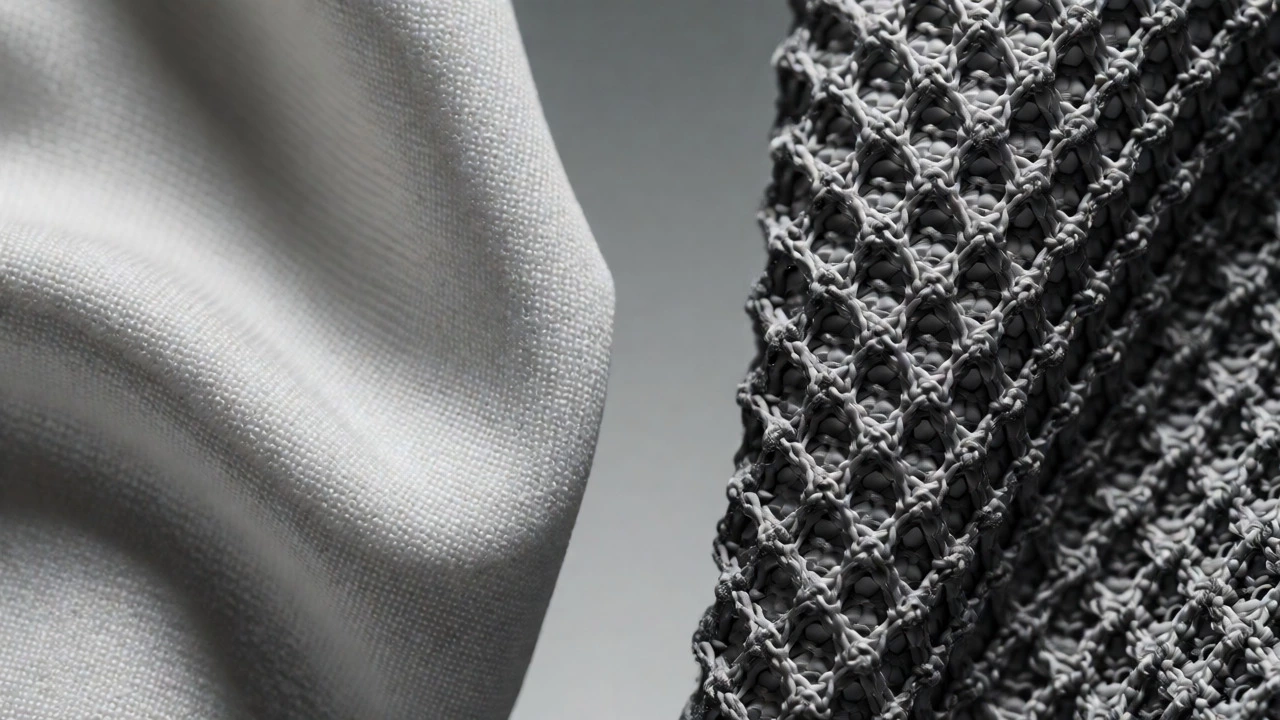
Why does this happen? The very fabrics that make Lululemon so comfortable-like Nulu-are made from finer fibers. These fibers create a buttery soft touch but are more susceptible to abrasion. If you are comparing this to a pair of Decathlon leggings costing €15, the difference in longevity is stark. However, Lululemon argues that the trade-off is worth it for the sensory experience. For the average person doing yoga or light jogging, the comfort outweighs the slight reduction in lifespan. But for an elite athlete, it’s a dealbreaker.
Community and Culture: More Than Just Fabric
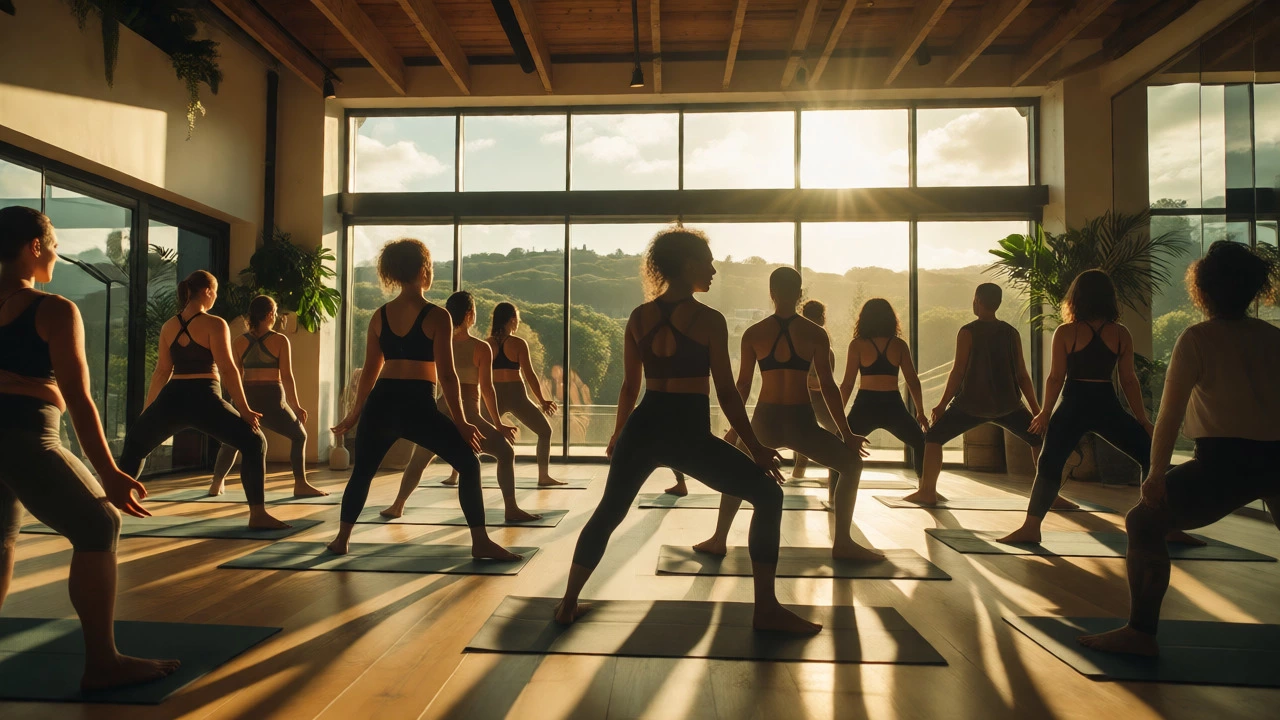
A defining feature of Lululemon’s strategy is its community engagement. Unlike big-box retailers, Lululemon invests heavily in local ambassadors and free classes. In Dublin, you’ll often find store-hosted yoga sessions or run clubs that foster a sense of belonging. This creates a tribal loyalty that pure product quality alone cannot achieve. When you buy Lululemon, you’re buying into a community of mindful movers.
This approach contrasts sharply with the transactional nature of buying sportswear from large chains. While a retailer like Intersport offers convenience and variety, it doesn’t offer connection. For many Irish consumers, especially younger demographics influenced by wellness trends, this community aspect validates the higher price tag. It transforms the purchase from a simple commodity exchange into a lifestyle investment. Is that enough to call it a sportswear brand? It depends on your definition. If sportswear is purely functional, then no. If sportswear encompasses the ecosystem of fitness, wellness, and community, then absolutely.
Verdict: Is It Sportswear or Lifestyle Wear?
So, where does this leave us? Lululemon sits in a hybrid category. It is technically sportswear because its products are engineered for movement. The seams are flat to prevent chafing, the fabrics wick moisture, and the cuts allow for a full range of motion. However, its primary value proposition has shifted from peak performance to daily versatility.
For the serious competitor in Ireland-whether you are training for the City to Surf race or playing hurling-traditional brands like Nike, Adidas, or specialized running boutiques might serve you better due to superior durability and weather resistance. But for the vast majority of people engaging in recreational fitness, walking along the Phoenix Park trails, or attending weekly pilates classes, Lululemon offers an unmatched blend of comfort, style, and adequate performance. It is a sportswear brand, but it is also much more. It is a statement about how we live, move, and present ourselves in modern society.
Is Lululemon suitable for running in Irish weather?
Lululemon offers specific lines like the Swiftly Tech shirt and Fast and Free shorts that are excellent for running. However, for rainy or windy conditions common in Ireland, you may need to layer up with a dedicated waterproof jacket, as their standard fabrics are not always windproof. They perform well in mild, dry weather but lack the heavy-duty weather protection of brands specializing in outdoor endurance.
Why is Lululemon so expensive compared to other sportswear?
The high price reflects proprietary fabric technology (like Luon and Nulu), extensive research and development, and strong brand positioning. You are paying for comfort, fit precision, and the social status associated with the brand. Additionally, limited distribution channels help maintain exclusivity and price integrity, unlike mass-market brands that rely on volume sales.
Does Lululemon clothing shrink or lose shape?
If cared for correctly, Lululemon retains its shape well. However, washing in hot water or using fabric softeners can damage the elastic fibers, leading to loss of compression and shape. It is recommended to wash in cold water and hang dry to preserve the integrity of the fabric over time.
Where can I buy authentic Lululemon in Ireland?
Authentic Lululemon products are available through their official website and physical boutique locations in major cities like Dublin (e.g., Dundrum Town Centre, Jervis Shopping Centre). Be cautious of third-party resellers on platforms like Depop or eBay, as counterfeit goods are common. Always check the stitching quality and logo placement for authenticity.
Is Lululemon ethical and sustainable?
Lululemon has faced criticism regarding labor practices and environmental impact. They have introduced sustainability goals, such as using recycled materials in some collections and improving supply chain transparency. However, critics argue that the fast-fashion-like turnover of styles contradicts true sustainability. Consumers concerned with ethics should look for their 'Like New' resale program or specific eco-friendly lines.