Irish Summer Dress Color & Fabric Simulator
Select a dress color and fabric type to see how well it performs against typical Irish summer conditions (humidity + variable sun). This tool combines physics (heat absorption) with practical advice from local guides.
Your Outfit Analysis
Verdict:
...
- Irish summers are humid; trapped sweat feels hotter than dry heat.
You know the drill. It’s mid-July in Dublin, the sun finally decides to show up for more than ten minutes, and you’re standing in Grafton Street sweating through a dark navy dress that looked great on Instagram but feels like wearing a wool blanket in July. We’ve all been there. The question isn’t just about what looks pretty; it’s about survival. When we talk about the coolest color for summer, we aren’t just talking about aesthetics. We are talking about physics, local weather patterns, and the specific way the Irish light hits your skin.
In Ireland, our summers are tricky. They are rarely the scorching dry heat of Spain or France. Instead, we get high humidity mixed with sudden bursts of intense UV rays, followed by cool, damp breezes off the Atlantic. This means your choice of dress color has a dual job: reflect solar radiation to keep you cool, and manage the visual perception of temperature when the clouds roll back in over Howth Head. So, which color actually wins? Is it white? Is it pastels? Or is there a scientific trick we’re missing?
The Physics of Color and Heat in an Irish Context
Let’s strip away the marketing fluff. Dark colors absorb more visible light and convert it into heat. White reflects almost all visible light. But here is where it gets interesting-and where most advice fails us. In a hot, dry climate, white is king because it reflects the sun’s energy away from your body. However, in humid conditions like those found in Cork or Galway during a heatwave, white can sometimes feel hotter if the fabric is thin and lets radiant heat pass through to your skin, or if it becomes translucent and requires an undershirt (which adds another layer of insulation).
Research published in the journal Nature highlighted that while black absorbs more heat, it also creates convection currents that pull heat away from the body if the garment is loose-fitting. Think of the traditional robes worn by Bedouins in the desert. They wear black not because it’s cooler to the touch, but because the airflow between the robe and their skin carries the heat away. For us in Ireland, though, we don’t always have that consistent desert breeze. Our wind is often gusty and unpredictable. Therefore, for the average Irish summer day, lighter tones generally offer better passive cooling, provided the fabric breathes.
| Color Group | Heat Absorption Rate | Best Fabric Pairing | Irish Weather Suitability |
|---|---|---|---|
| White & Cream | Low (Reflects ~80% of light) | Linen, Cotton Poplin | High (Best for direct sun exposure) |
| Pastel Blues/Greens | Low-Medium | Viscose, Silk Blends | Medium-High (Cool visual effect) |
| Light Earth Tones | Medium | Bamboo, Tencel | Medium (Good for overcast days) |
| Black & Navy | High (Absorbs ~95% of light) | Loose Linen, Chiffon | Low (Unless windy/loose fit) |
Why White Isn’t Always the Answer in Ireland
We live in a country where rain is a constant companion. If you are wearing a crisp white linen dress to a festival in Kilkenny or a garden party in Wicklow, you need to think about practicality. White shows every water droplet, every grass stain, and every bit of sweat. More importantly, cheap white cotton can become see-through when wet or under harsh sunlight. This forces many women to wear slips, which defeats the purpose of staying cool.
A smarter alternative for the Irish market is ecru or oatmeal. These shades retain the reflective properties of white but hide dirt and moisture far better. Brands like Primark and Zara often stock these neutrals in their summer lines, but you’ll find higher quality versions at independent boutiques in Temple Bar or on websites like ASOS. The slight beige undertone absorbs less visible light than pure bright white in some spectral ranges and looks more natural against the pale green landscape of the countryside.
The Psychological Cool: Why Blue Works
If you want to feel cooler without relying solely on physics, look at psychology. Studies in environmental psychology suggest that people perceive blue and green spaces as significantly cooler than red or orange ones, even if the actual temperature is identical. This is known as the "cooling effect" of color.
In Ireland, this plays out beautifully. A sky blue or mint green dress doesn’t just reflect heat; it tricks your brain into feeling refreshed. This is particularly useful during those long, hazy evenings in June when the sun sets late but the air still holds the day’s warmth. Walking along the Cliffs of Moher in a pastel blue dress feels intuitively right. It matches the horizon, reduces visual stress, and keeps you looking fresh rather than overheated.
However, avoid electric blues or neon greens. While they are fun, they tend to absorb more UV radiation than softer pastels. Stick to muted tones. Think of the colors you see in the wildflowers across the Burren-soft yellows, pale purples, and gentle greens. These are nature’s own palette for surviving strong winds and intense sun, and they work wonders for human comfort too.

Fabric Matters More Than Color
You could wear the coolest color in the spectrum, but if your dress is made of polyester, you will still be miserable. Synthetic fabrics trap moisture against the skin. In Ireland’s humid summers, sweat doesn’t evaporate quickly. If your dress doesn’t breathe, you create a microclimate of steam around your body. This is why a black linen dress might actually be cooler than a white polyester one.
Look for these materials:
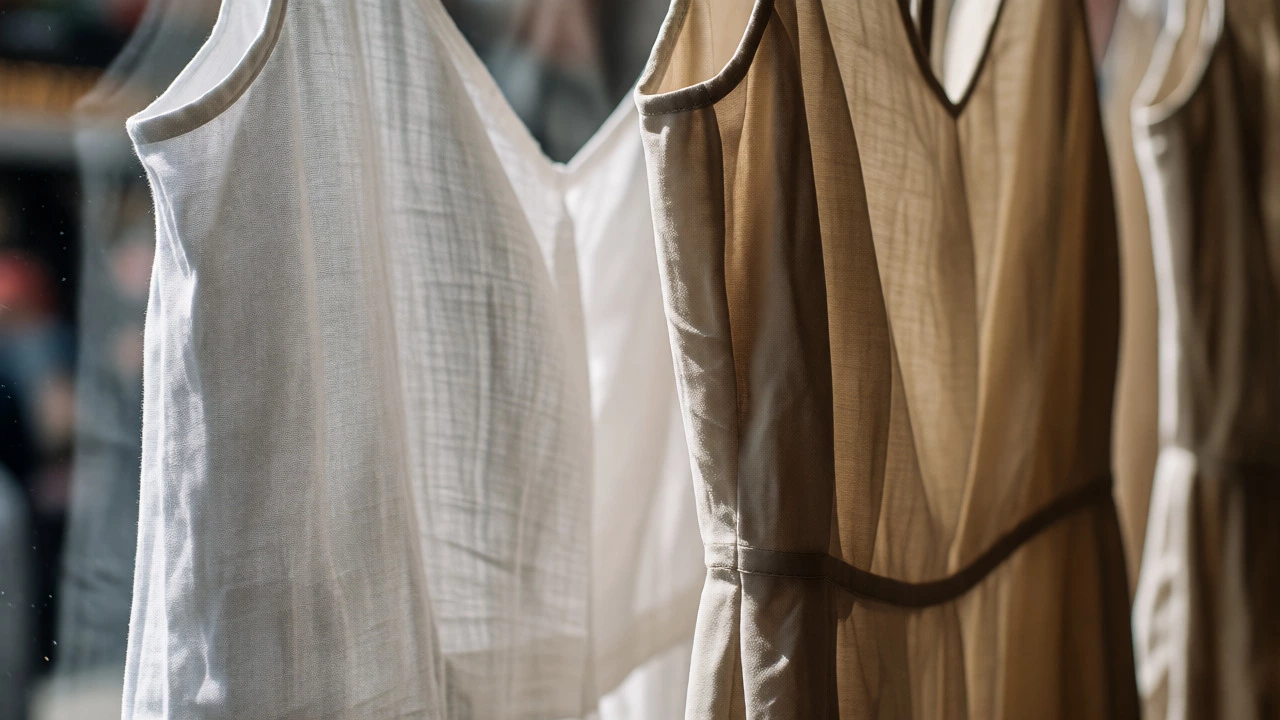
- Linen: The gold standard. It has hollow fibers that allow air to circulate. It wrinkles easily, but in Ireland, that just adds character. You’ll see plenty of linen shops in Dublin’s city center specializing in breathable summer wear.
- Cotton Lawn: Lightweight and soft. Great for flowy maxi dresses. Ensure it is 100% cotton, not a blend.
- Rayon/Viscose: Made from wood pulp, it drapes well and feels cool to the touch. Be careful, though-it loses strength when wet, so if you get caught in a downpour near Lough Neagh, handle with care.
- Tencel/Lyocell: A modern favorite. It wicks moisture better than cotton and feels silky. Many Irish sustainable brands are switching to this for its eco-friendly production process.
When shopping, check the label. If it says "Polyester," put it back unless it’s a very loose, open-weave knit. Tight synthetics are the enemy of an Irish summer.
Local Style Tips for the Irish Climate
Our weather changes fast. One minute you are baking in the sun in Phoenix Park, the next a squall is blowing in from the west. Your outfit needs to adapt. Here is how to style the coolest colors for maximum versatility:
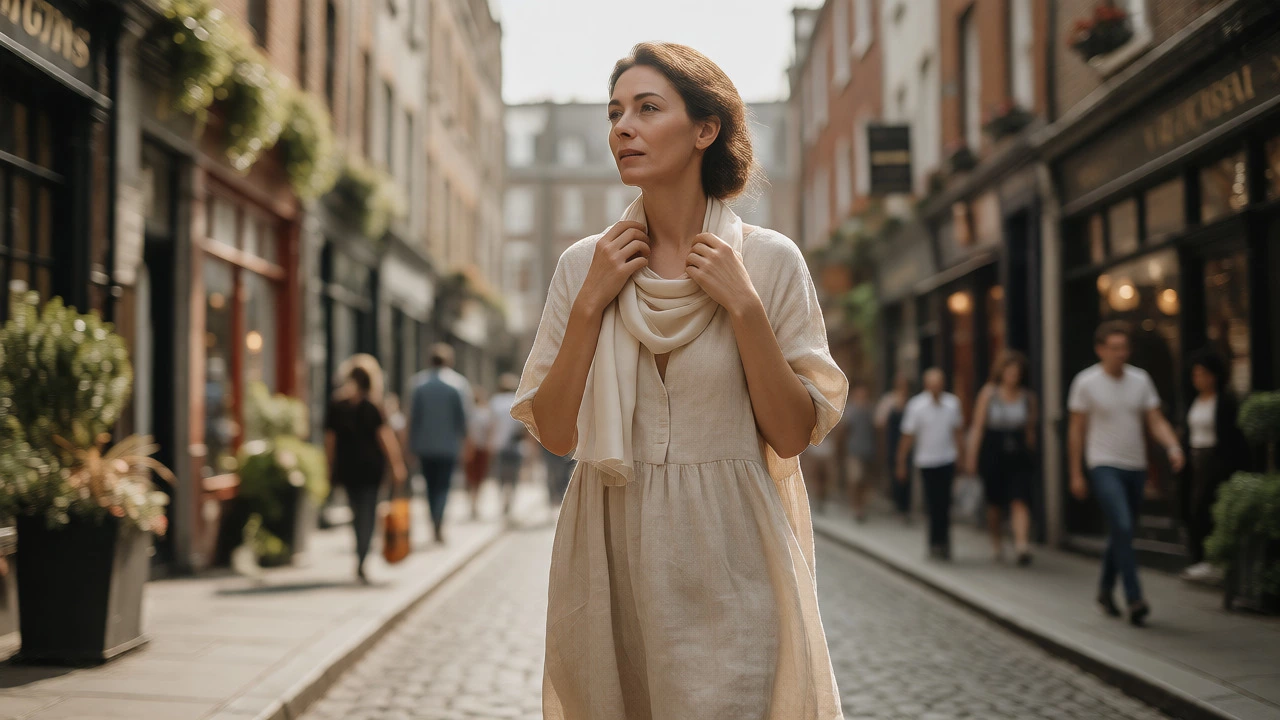
Layer with Lightness: Don’t throw on a heavy cardigan. Keep a lightweight silk scarf or a sheer linen shirt in your bag. A cream-colored scarf can protect your neck from the sun and provide a tiny bit of warmth if the wind picks up, without trapping heat.
Footwear Choice: The color of your shoes matters less than the material. Leather sandals breathe; plastic slides do not. Pair your light-colored dress with tan leather sandals or white sneakers made of canvas. Avoid closed-toe shoes in synthetic materials unless you are prepared for sweaty feet.
Accessories: Sunglasses are non-negotiable. Choose frames that block UV rays. A wide-brimmed hat in a neutral tone protects your face and shoulders, reducing the overall heat load on your body. In rural areas like Connemara, the wind can be fierce, so secure your hat with a chin strap or choose a fascinator style that stays put.
Common Pitfalls to Avoid
Many people make the mistake of thinking "light" means "thin." A thin white dress might let the sun’s infrared radiation pass straight through to your skin, causing burns and heat buildup. Conversely, a thick white coat would be terrible. The key is weight combined with breathability.
Another error is ignoring the cut. A tight-fitting white dress will stick to your body as soon as you start to perspire. Look for A-line cuts, empire waists, or shift dresses that allow air to flow between the fabric and your skin. Loose fits facilitate the convective cooling mentioned earlier. Even if you choose a darker shade like a dusty rose or sage green, a loose cut will keep you comfortable.
Finally, consider the social context. In Dublin, fashion is increasingly diverse. While white and pastels are safe bets, bold colors like coral or turquoise are becoming popular in urban settings. Just remember that darker bold colors absorb more heat. If you love red, save it for evening events when the ambient temperature drops, or choose a lighter coral hue.
Final Thoughts: Choosing Your Summer Palette
So, what is the coolest color? Scientifically, pure white reflects the most heat. Practically, in Ireland, ecru, oatmeal, and soft pastels like sky blue and mint offer the best balance of thermal regulation, psychological comfort, and durability against our damp, variable weather. But never underestimate the power of fabric. A breathable linen dress in a slightly darker shade will always beat a suffocating polyester dress in pure white.
Next time you are browsing the rails in Dundrum Town Centre or scrolling online, prioritize the weave and the weight of the cloth. Let the color guide your mood, but let the fabric guide your comfort. Stay cool, stay stylish, and enjoy the fleeting beauty of the Irish summer.
Is black really cooler than white in hot weather?
Not necessarily for everyday wear in Ireland. While black can promote convective cooling if the garment is loose and airy, it absorbs significantly more radiant heat from the sun. In our humid climate, white or light neutrals are generally safer choices to prevent overheating, especially if the fabric is thin.
What is the best fabric for summer dresses in Ireland?
Linen is widely considered the best option due to its high breathability and ability to wick moisture. Cotton lawn and Tencel are also excellent alternatives. Avoid polyester and other synthetics that trap heat and sweat.
Do pastel colors help you feel cooler?
Yes, psychologically. Pastels like light blue and green are associated with cool environments, which can lower perceived temperature. Physically, they also reflect a good amount of sunlight compared to darker hues.
How should I dress for a rainy summer day in Dublin?
Choose quick-drying fabrics like Tencel or treated cottons. Opt for darker pastels or earth tones that hide water spots. Carry a compact umbrella and wear waterproof footwear. Layering with a light trench coat is wise for sudden temperature drops.
Are white dresses suitable for Irish festivals?
They can be, but choose wisely. Go for thicker linen or cotton blends to avoid transparency issues. Be aware that mud and grass stains are common at outdoor venues like Electric Picnic, so having a backup plan or choosing a patterned light print might be more practical.