Sportswear vs. Active Wear Selector
Confused by the labels? Answer three simple questions to determine if you need standard Sportswear (casual/leisure) or true Active Sportswear (technical/performance).
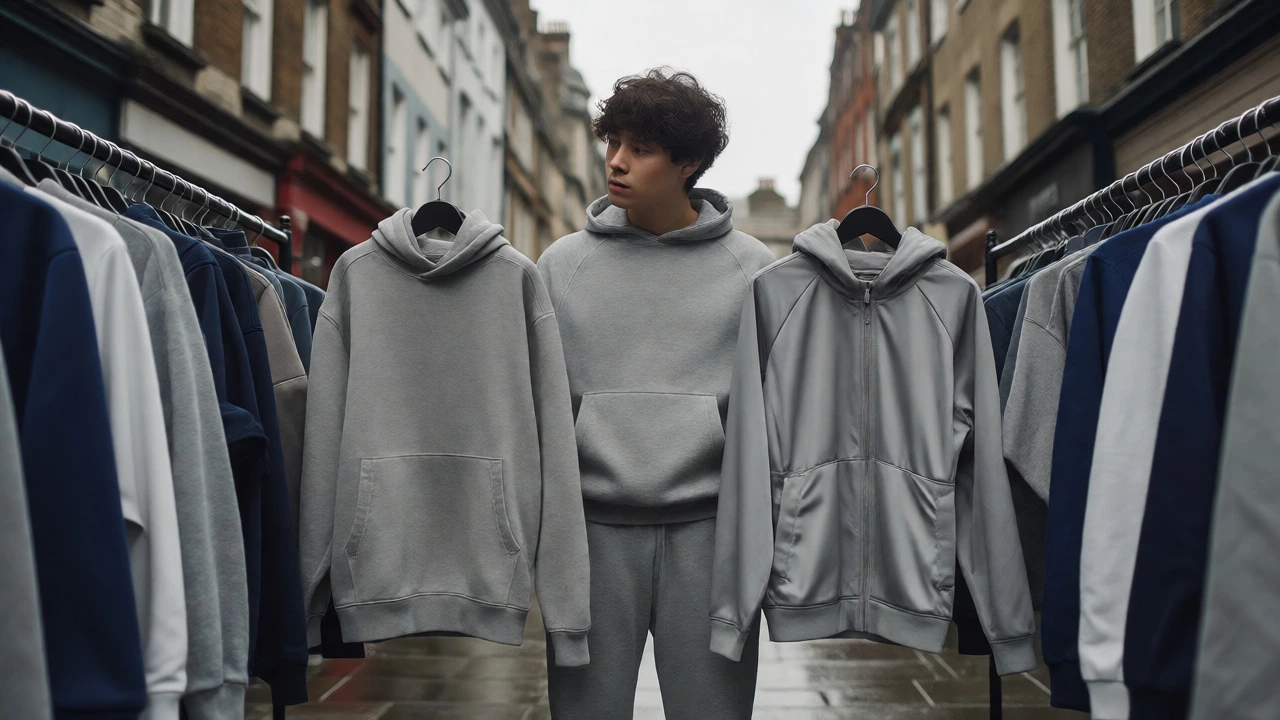
You’re standing in a shop on Grafton Street, staring at two identical-looking tracksuits. One is marked "Sportswear," the other "Active Wear." They cost the same. They look the same. But one feels like you’re wearing a potato sack after ten minutes of running, while the other feels like it was engineered for a sprint through Phoenix Park. This confusion isn’t just you-it’s a massive issue in Ireland, where our unpredictable weather and casual culture blur the lines between what we wear to the pub and what we wear to the gym.
The truth? There is a difference. And knowing it saves you money, keeps you dry during those relentless Dublin drizzles, and stops you from looking like you’ve given up on life when you’re actually just heading to a yoga class. Let’s break down exactly what separates standard sportswear from true active sportswear, specifically tailored for the Irish lifestyle.
Defining the Terms: It’s Not Just About Sweat
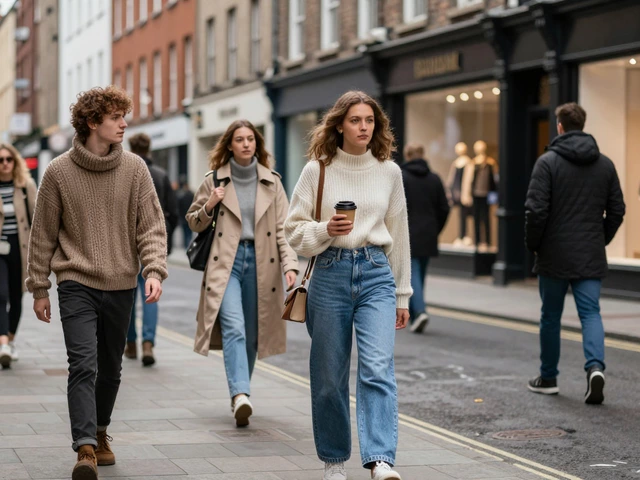
First, let’s clear up the jargon. When people say Sportswear clothing designed for athletic activities or worn as casual attire, they usually mean apparel that prioritizes style and comfort over high-performance function. Think of the hoodie you wear to watch a match at Croke Park or the joggers you throw on for a quick trip to Tesco. It’s comfortable, sure, but it wasn’t built to handle a five-kilometer run in Galway rain.
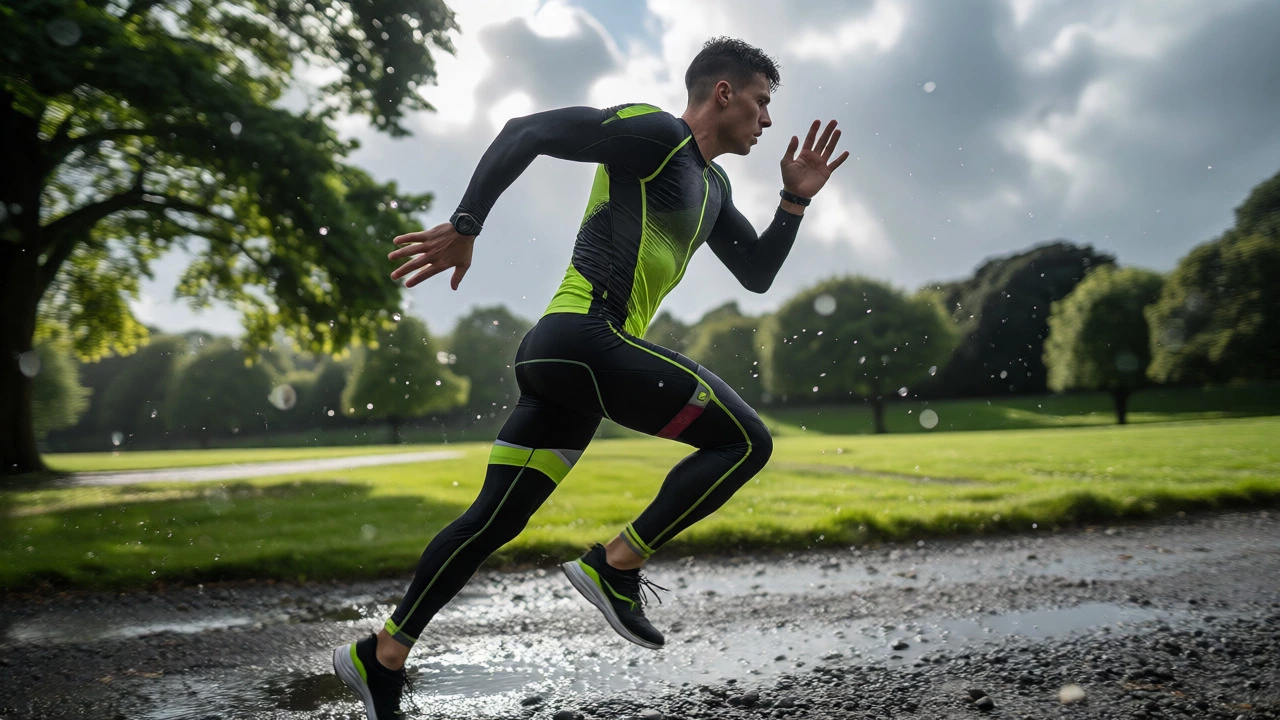
Active Sportswear technical apparel engineered with moisture-wicking fabrics and ergonomic designs for intense physical activity, on the other hand, is functional gear. It uses synthetic blends like polyester and elastane to pull sweat away from your skin. It has flat seams to prevent chafing. It breathes. If you’re training for the Dublin Marathon or hitting a CrossFit box in Cork, this is what you need. Standard sportswear absorbs sweat; active sportswear manages it.
The Fabric Factor: Cotton vs. Synthetics
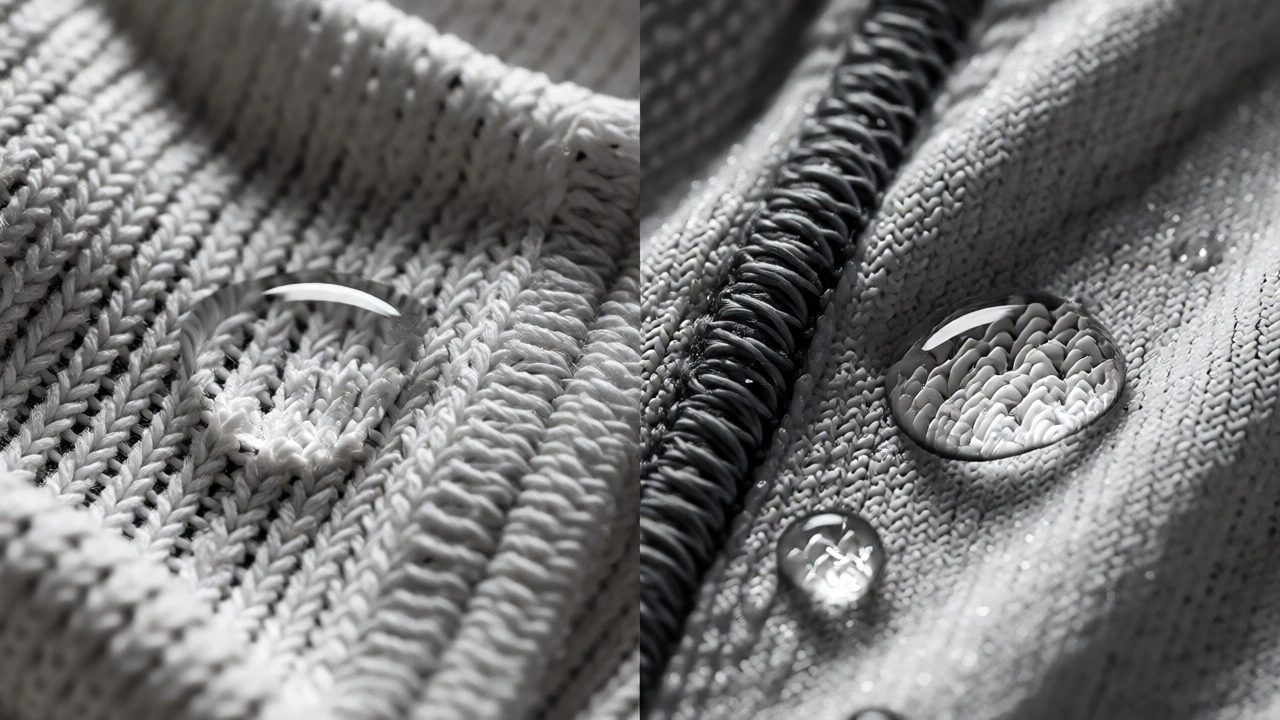
This is the biggest tell. Traditional sportswear often relies heavily on cotton or cotton blends. Why? Because cotton feels nice against the skin initially. But here’s the problem in Ireland: cotton holds water. If you get caught in a sudden shower near the Liffey while wearing a cotton t-shirt, you’ll be walking home heavy, cold, and miserable. That shirt won’t dry until tomorrow morning.
Active sportswear uses technical synthetics. Brands like Nike Dri-FIT, Adidas Aeroready, or local Irish brand O’Neills’ performance lines use microfibers that push moisture to the surface of the fabric where it evaporates quickly. This is crucial for us. Our humidity levels are high year-round. Wearing non-technical gear in an Irish summer can feel like wrapping yourself in a wet towel. When shopping, check the label. If it says 100% cotton, it’s likely leisure sportswear. If it’s 85% polyester, 15% elastane, it’s active gear.
Design and Fit: Where Form Meets Function
Look closely at the stitching. Standard sportswear often features decorative stitching or thicker seams because aesthetics matter more than aerodynamics. You might see logos embroidered rather than printed, which adds weight and texture. These pieces are cut for a relaxed fit-roomy enough to layer under a coat, which is essential for our winters, but not necessarily optimized for movement.
Active sportswear is cut for motion. Sleeves are articulated to follow the bend of your elbow. Pants have gussets (diamond-shaped panels) in the crotch area to allow for deep squats without ripping. The fit is often compressive or streamlined to reduce drag. If you try doing lunges in a pair of loose, baggy sweatpants, you’ll notice the fabric bunching and restricting your range of motion. Try the same in leggings made for running, and the fabric moves with you. This distinction matters if you’re actually exercising. If you’re just lounging, the restriction doesn’t matter much.
| Feature | Standard Sportswear | Active Sportswear |
|---|---|---|
| Primary Material | Cotton, Fleece, Denim blends | Polyester, Nylon, Elastane, Spandex |
| Moisture Management | Absorbs sweat (gets heavy) | Wicks sweat (dries fast) |
| Durability | High for casual wear, low for abrasion | High resistance to stretching and tearing |
| Best For | Walking, commuting, casual outings | Running, HIIT, hiking, cycling |
| Ideal Irish Scenario | Pub quiz, Sunday drive, light walk | Phoenix Park run, coastal hike, gym session |
The Irish Climate Context: Why Weather Dictates Choice
In countries with predictable sunny weather, the line between sportswear and active wear might be thinner. In Ireland, the weather is the deciding factor. We don’t just need clothes that work for exercise; we need clothes that work for *transition*. You might start your day in a blustery wind in Dundalk, spend lunch indoors, and end the evening in a mild drizzle.
Active sportswear often includes features like water-resistant coatings or wind-blocking layers integrated into the design. A good active jacket will have sealed seams. A standard sportswear hoodie will soak through instantly. Furthermore, visibility is key. Many active wear items come in bright colors or reflective strips, which is vital for cyclists and runners navigating dark Irish roads in winter months. Standard sportswear tends to stick to neutral tones like grey, black, and navy, which are stylish but less safe for early morning runs before sunrise.
Where to Shop in Ireland: Local Nuances
If you’re hunting for genuine active sportswear, avoid the general high street fashion retailers unless you’re checking their specific "performance" lines. Stores like Penneys (Primark) sell vast amounts of sportswear, but much of it is fashion-led. It’s cheap, yes, but if you wash it twice, it loses shape. For serious training, look at specialized retailers. Intersport and Sports Direct carry technical brands, but always check the tech specs.
Irish brands also play a role here. O’Neills has expanded beyond traditional jerseys into technical base layers that respect our heritage while offering modern functionality. For premium active wear, independent boutiques in Dublin’s city center or online specialists focusing on trail running gear (popular in Wicklow and Kerry) offer products tested against our specific terrain. Remember, buying local supports the economy, but ensure the product matches the intensity of your activity.
Making the Right Choice for Your Lifestyle
So, how do you decide? Ask yourself one question: Will I sweat significantly?
- Choose Standard Sportswear if: You’re going for a gentle stroll along the Cliffs of Moher viewing points, meeting friends for coffee, or working from home. Comfort is king. You want soft fabrics and easy fits. You don’t mind if you get slightly damp because you’re staying mostly static.
- Choose Active Sportswear if: You’re planning to run, cycle, swim, or lift weights. You need temperature regulation. You hate the feeling of wet fabric clinging to your back. You need durability against friction from backpacks or equipment.
There is a middle ground called "Athleisure," which mixes elements of both. This is popular in urban areas like Dublin and Cork. However, be wary of marketing terms. "Athletic-inspired" often means it looks like sportswear but performs like casual wear. Always read the care label and material composition. If it’s mostly cotton, treat it as casual. If it’s synthetic, treat it as active.
Ultimately, the difference lies in intent. Sportswear is about looking ready for action. Active sportswear is about performing during action. In a country where we pride ourselves on being outdoors despite the rain, investing in the right category ensures you stay warm, dry, and mobile. Don’t let a heavy cotton hoodie weigh you down next time you head out for a brisk walk around St. Stephen’s Green.
Can I wear active sportswear casually in public?
Absolutely. Active sportswear has become mainstream fashion. In cities like Dublin, wearing leggings or technical shorts outside the gym is completely normal. Just ensure the piece is clean and fits well. Some active wear has a very technical, shiny appearance that might look out of place in formal settings, so choose matte finishes for everyday wear.
Is expensive active sportswear worth it in Ireland?
Generally, yes, especially for outerwear. Cheaper active wear may wick sweat but often lacks windproofing or waterproofing. Given our frequent rain and wind, higher-quality technical jackets and layers provide better value long-term because they keep you dry without needing a separate raincoat every time.
How do I wash active sportswear to maintain its properties?
Wash in cold water and avoid fabric softeners. Softeners coat the fibers and block the moisture-wicking pores, rendering the technical fabric ineffective. Air drying is preferred over tumble drying, as high heat can damage elastic fibers like elastane, leading to sagging over time.
What is the best active sportswear for hiking in Ireland?
Look for merino wool blends or synthetic quick-dry materials. Avoid denim entirely. For footwear, ensure proper ankle support due to muddy trails in places like Killarney. Layering is critical: a moisture-wicking base layer, an insulating mid-layer, and a waterproof shell are essential for changing mountain weather.
Does Irish-made sportswear differ from international brands?
Irish brands like O’Neills often tailor fits to European body types, which can differ from US-sized brands. Additionally, local brands frequently incorporate designs suited to milder climates, meaning lighter insulation compared to brands targeting colder Northern European markets. Always check size charts carefully.