Irish Work Shoe Finder & Fit Checker
Find the right footwear for your specific role in the Irish workforce and ensure you're buying them at the right time.
Answer these questions to verify if you are buying shoes correctly according to expert advice.
Standing on your feet from 9 am to 5 pm in a Dublin office or walking the cobbled streets of Galway for a shift can wreck your back if you pick the wrong pair. In Ireland, where weather shifts from rain to sunshine within an hour and workplaces range from modern tech hubs to traditional pubs, finding the right comfortable work shoes is less about fashion and more about survival. You need footwear that handles wet pavements, supports long hours, and fits your specific foot shape without breaking the bank.
This guide cuts through the noise to help you find shoes that actually feel good after a full day. We’ll look at what works for different job types, how to fit them properly, and which local brands and shops are worth your time. Whether you’re a nurse in Cork, a retail worker in Belfast, or an accountant in Dún Laoghaire, these tips will keep your feet happy.
Key Takeaways
- Fit matters more than brand: Always try shoes on in the afternoon when feet are swollen.
- Material choice is critical in Ireland: Opt for water-resistant leather or Gore-Tex for rainy days.
- Support varies by job: Nurses need arch support; office workers need cushioning.
- Local knowledge helps: Independent cobblers in cities like Dublin and Limerick offer custom fitting advice.
Understanding Your Foot Type and Needs
Before you spend a cent, you need to know what your feet actually need. Many people walk around with flat feet or high arches without realizing it. This affects how much support you require. If you have flat feet, you need shoes with firm arch support to prevent fatigue. If you have high arches, you need cushioning to absorb impact because there’s less natural shock absorption.
In Ireland, humidity and rain play a big role. Wet socks lead to blisters and fungal issues. So, breathable materials are non-negotiable. Look for mesh panels in summer and waterproof membranes in winter. Also, consider your work environment. Are you standing on hard concrete floors in a factory in Sligo? Or are you walking on carpeted offices in the Docklands? Hard surfaces require more cushioning to protect your joints.
Arch Support is a structural feature in footwear that helps distribute weight evenly across the foot, reducing strain on the plantar fascia and preventing common injuries like plantar fasciitis. It is particularly important for individuals with flat feet who lack natural arch height.
Matching Shoes to Your Job Role
Different jobs demand different features. Let’s break down the most common scenarios in the Irish workforce.
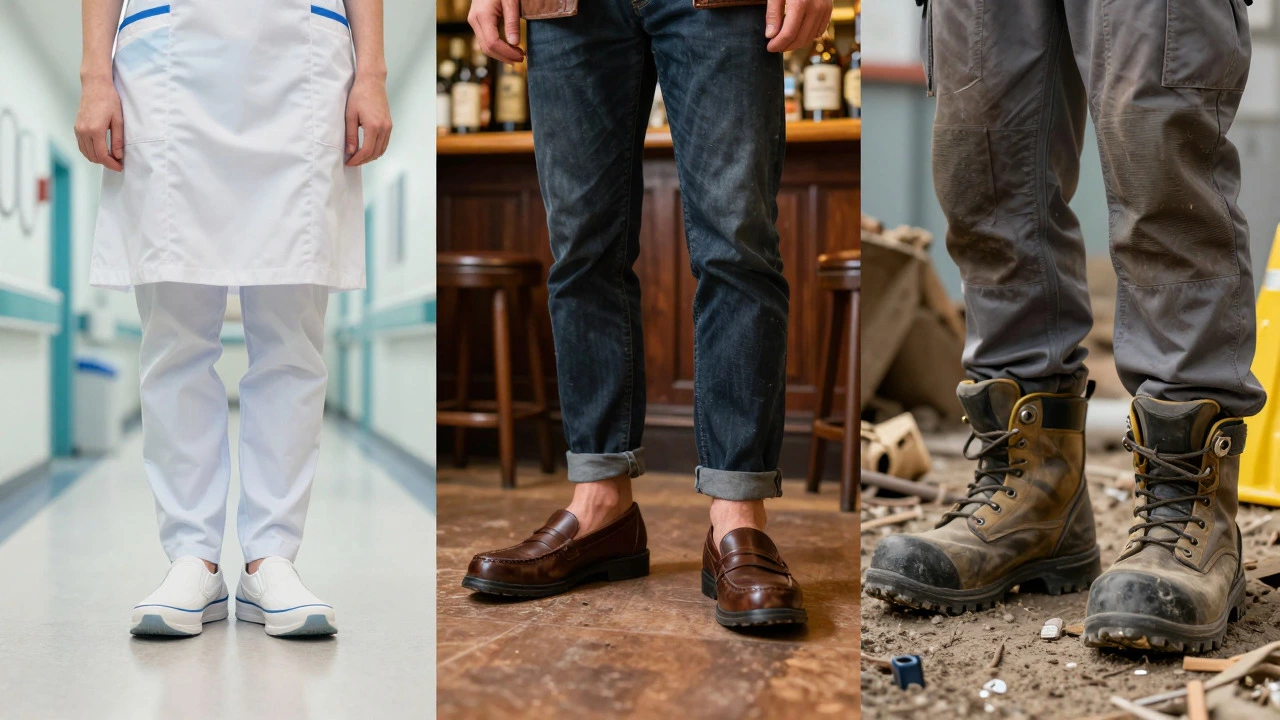
- Healthcare Workers (Nurses, Doctors): You’re on your feet for 10-12 hours. Slip-on sneakers with memory foam insoles are popular. Brands like New Balance and Skechers dominate here. Look for removable insoles so you can swap them for orthotics if needed.
- Retail and Hospitality (Pubs, Shops): You’re walking constantly on mixed surfaces-tile, wood, and sometimes wet stone. Closed-toe shoes with non-slip soles are essential. Loafers or low-heeled boots work well. Avoid thin soles that wear out quickly.
- Office Professionals: Dress code matters. Leather loafers or brogues are standard. But comfort is key. Look for padded collars and flexible soles. Some companies now allow smart casual, giving you more freedom to choose supportive trainers.
- Construction and Trades: Safety boots are mandatory. Look for steel toes, anti-fatigue insoles, and waterproof uppers. Brands like Dr. Martens and Caterpillar are staples in Irish construction sites.
| Job Type | Recommended Style | Key Feature | Average Price Range (EUR) |
|---|---|---|---|
| Healthcare | Sneakers/Sandals | Removable Insoles | €60 - €120 |
| Retail/Hospitality | Loafers/Low Boots | Non-Slip Sole | €80 - €150 |
| Office | Brogues/Loafers | Padded Collar | €100 - €250 |
| Construction | Safety Boots | Steel Toe/Waterproof | €120 - €300 |
The Fitting Process: Do It Right
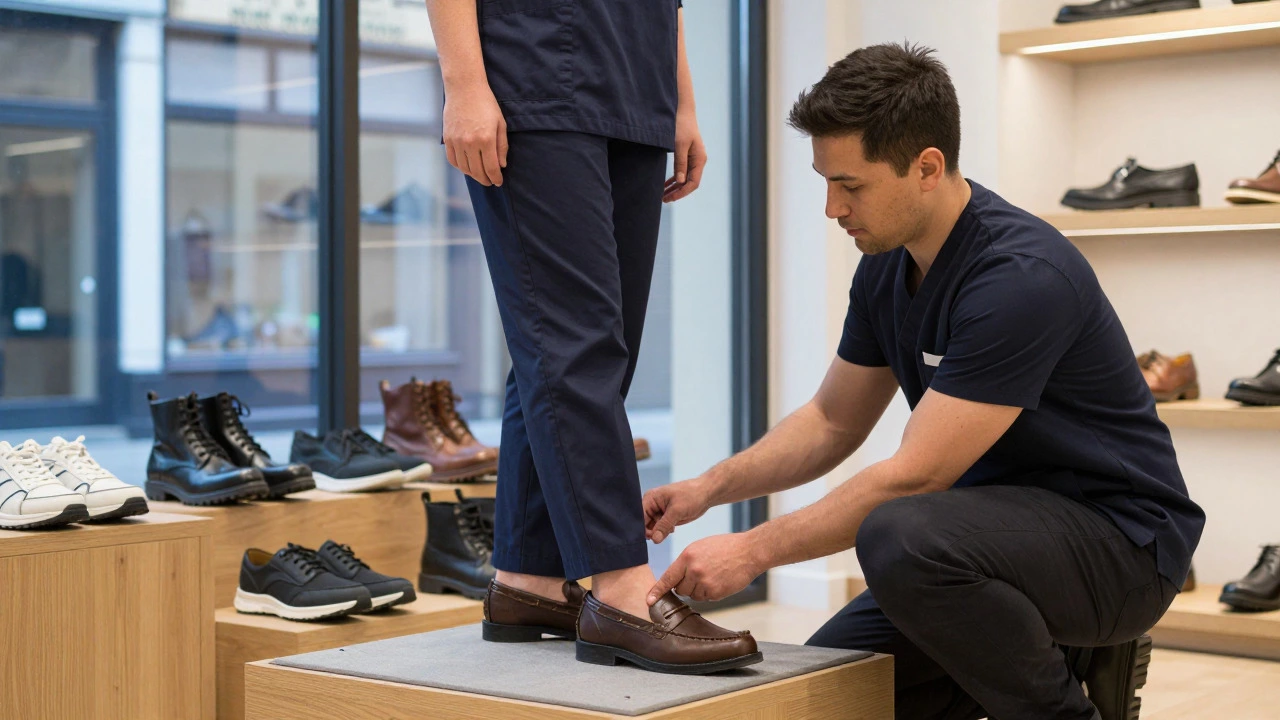
Most people buy shoes too small. Here’s the rule: always try them on in the afternoon. Your feet swell during the day due to heat and activity. If they fit perfectly in the morning, they’ll be tight by 4 pm.
Walk around the store. Don’t just stand still. Walk up and down the aisle. Check for pressure points on your toes and heels. There should be a thumb’s width of space between your longest toe and the end of the shoe. For boots, make sure your heel doesn’t slip when you walk. If it does, the shoe is too big or the lacing system isn’t working for your foot shape.
In Ireland, many independent shoe stores offer free fitting services. Shops like Shoe Warehouse is a major retailer in Ireland offering a wide range of footwear brands, often providing in-store fitting advice and regular sales events. in Dublin or LK Bennett is an Irish fashion retailer known for its heritage and quality footwear, frequently featuring local designs and sustainable options. in various locations can provide personalized recommendations. They know the local climate and common foot issues among their customers.
Materials and Weather Resistance
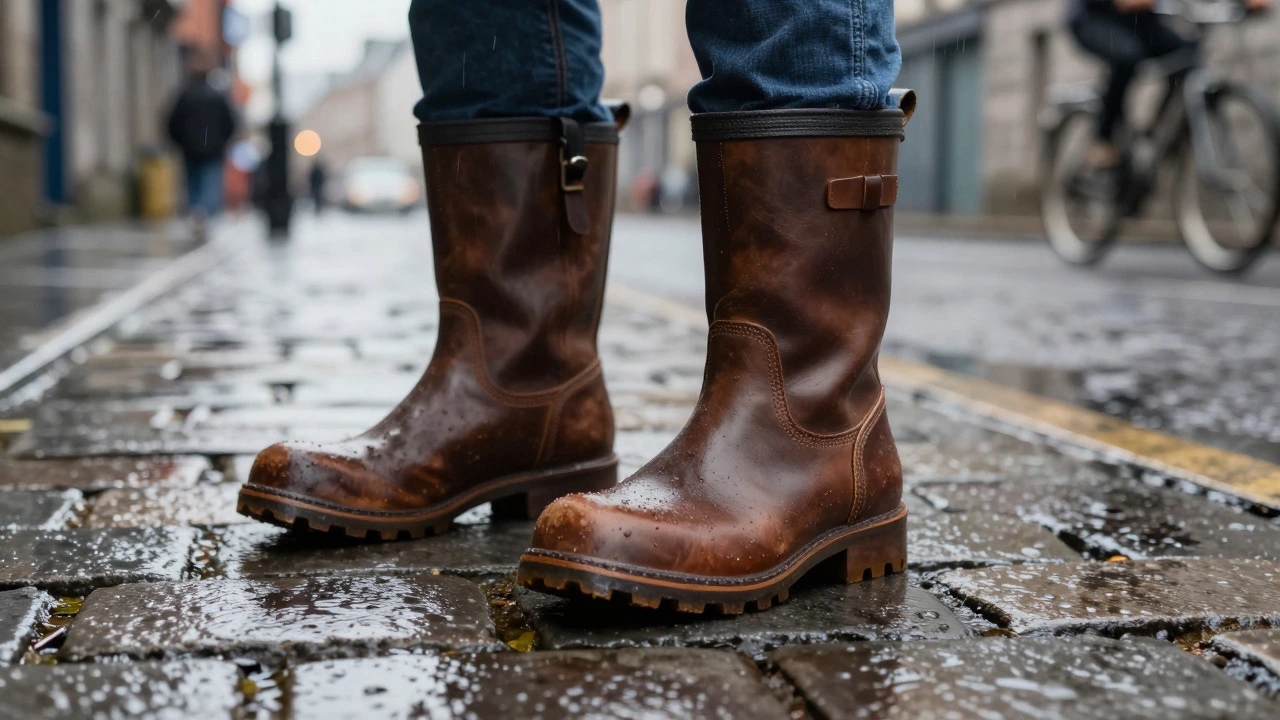
Ireland’s weather is unpredictable. One minute it’s sunny, the next it’s pouring rain. Your shoes need to handle this. Leather is the gold standard for durability and water resistance. Full-grain leather ages well and can be treated with waterproofing sprays. Suede looks nice but needs constant care and protection from rain.
For trainers, look for Gore-Tex lining. It keeps water out while letting sweat escape. Synthetic materials are cheaper but tend to crack in cold weather. In winter, insulated boots are a must if you’re working outdoors. In summer, breathable mesh is better, but avoid canvas as it gets soggy easily.
Gore-Tex is a waterproof, breathable membrane used in footwear and outerwear, allowing moisture vapor to escape while preventing liquid water from entering. It is widely used in Irish outdoor gear due to the frequent rainfall and changing weather conditions.
Care and Maintenance for Longevity
Good shoes last longer if you care for them. Rotate between two pairs if possible. This gives the foam insoles time to recover their shape. Use cedar shoe trees to absorb moisture and maintain shape. Clean leather shoes regularly with a damp cloth and conditioner. For suede, use a brush to remove dirt and a protector spray before wearing.
If your insoles start to flatten, replace them. This is cheaper than buying new shoes. Many pharmacies in Ireland sell replacement insoles that offer extra arch support. Regular maintenance extends the life of your investment and keeps your feet healthy.
Where to Buy in Ireland
You have plenty of options. High-street chains like Primark and Next offer budget-friendly options, but quality can vary. For mid-range, check out JD Sports or Foot Locker for athletic styles. For dress shoes, department stores like Brown Thomas or Dunnes Stores carry reliable brands. For specialized needs, visit independent cobblers or specialty stores. They might cost more upfront, but the fit and advice are worth it.
Online shopping is convenient, but sizing can be tricky. Stick to brands with consistent sizing charts. Read reviews specifically mentioning comfort for long days. Return policies are crucial, so check them before ordering.
Frequently Asked Questions
What is the best type of shoe for standing all day in Ireland?
Sneakers with memory foam insoles and good arch support are best. Brands like New Balance or Brooks offer excellent cushioning. Ensure they are breathable to handle indoor heating and outdoor humidity.
Are leather shoes suitable for Irish weather?
Yes, especially full-grain leather. It is naturally water-resistant and durable. Treat them with waterproofing spray every few months. Avoid suede unless you plan to clean and protect them frequently.
How do I know if my work shoes fit correctly?
Try them on in the afternoon. Walk around the store. There should be a thumb’s width of space at the front. No heel slipping. No pinching on the sides. If any of these happen, the size or model is wrong.
Can I wear trainers to a formal office in Dublin?
It depends on the company culture. Many tech firms and startups allow smart casual attire, including clean, minimalist trainers. Traditional corporate offices may prefer dress shoes. Check with HR or observe colleagues before deciding.
How often should I replace my work shoes?
Every 6 to 12 months for high-impact jobs like healthcare or construction. For office wear, you can extend this to 18-24 months if the soles and insoles remain intact. Replace insoles sooner if they lose cushioning.