Leather Shoe Care Checker
Try typing one of these common scenarios:
Type a substance or method above to see if it's safe for your leather.
Living in Ireland, you quickly learn that your wardrobe is a battlefield against the elements. We might get four seasons in one day here, but it’s usually just rain with different levels of intensity. If you own leather shoes-whether they are sturdy boots for walking the Cliffs of Moher or smart loafers for a meeting in Dublin City Centre-you know that keeping them looking good is a constant challenge. The biggest mistake people make isn’t neglecting their shoes; it’s using the wrong products on them. Applying the wrong substance can crack the leather, strip the colour, and ruin the finish faster than a week of Atlantic storms.
You might think that anything labelled "shoe polish" or "cleaner" is safe. It isn't. Leather is a natural material, essentially skin, and it reacts badly to harsh chemicals, excessive heat, and even some well-meaning home remedies. In this guide, we’ll break down exactly what you should keep away from your leather footwear to ensure they last through every wet season in the Emerald Isle.
The Water Trap: Why Plain Water Can Be Dangerous
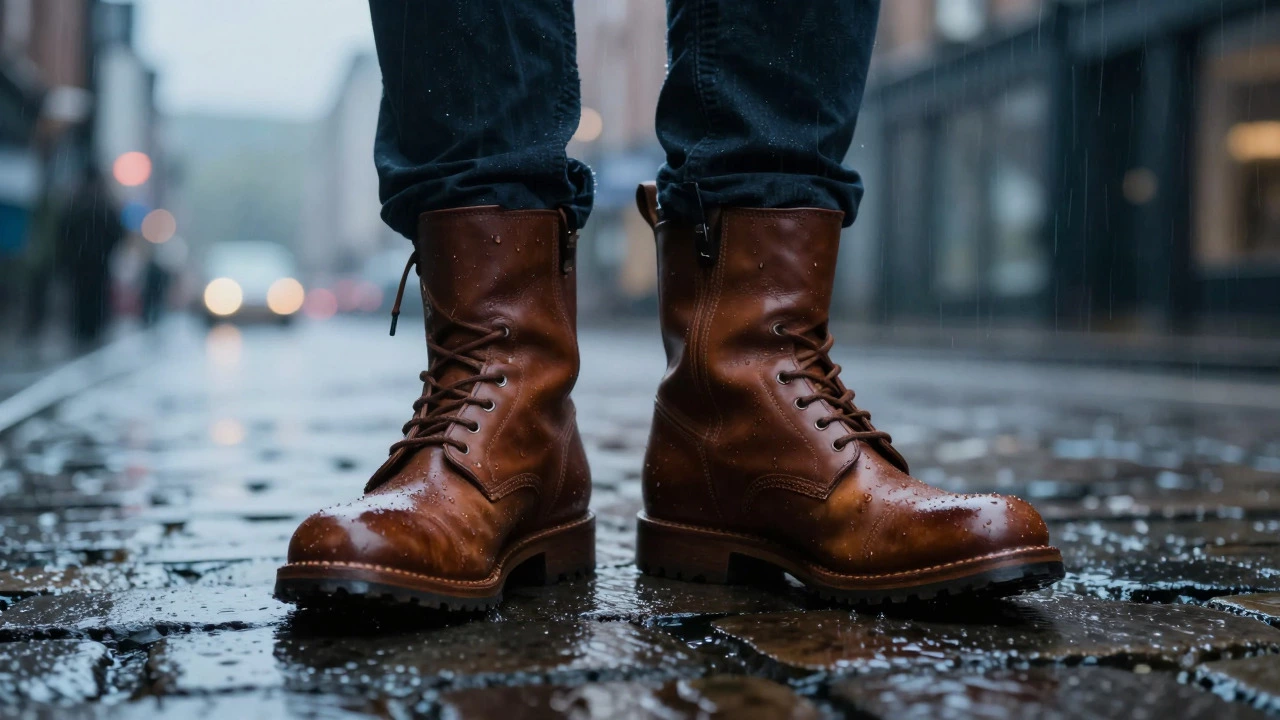
It sounds counterintuitive, but water is one of the most common enemies of leather if not managed correctly. While leather is somewhat water-resistant, it is not waterproof. When you walk through puddles on Grafton Street during a summer shower, the leather absorbs moisture. If you then leave those shoes to dry naturally near a radiator or under direct sunlight, you invite disaster.
Leather needs to dry slowly and evenly. Rapid drying causes the fibres to shrink and stiffen, leading to permanent cracks. So, what should you avoid?
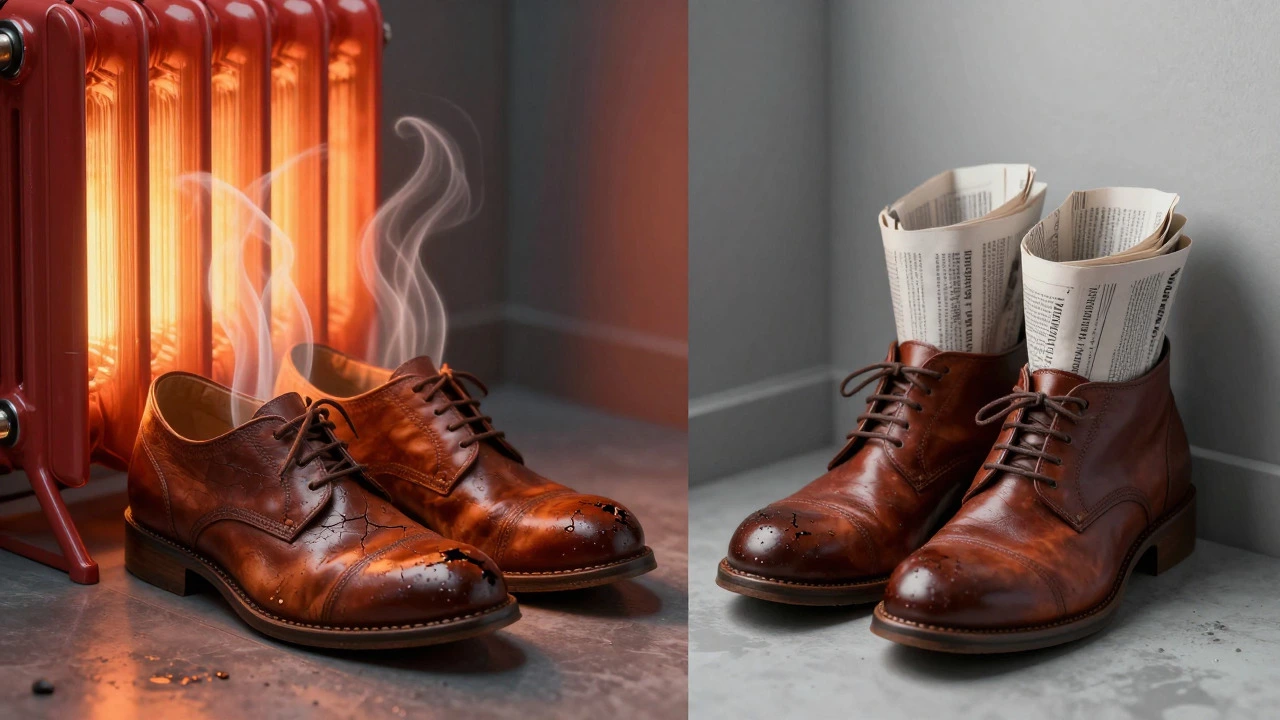
- Direct Heat Sources: Never place wet leather shoes on top of a radiator, heater, or in front of a fan. The intense heat bakes the moisture out too quickly, causing the leather to become brittle.
- Sunlight: Leaving shoes in direct sun fades the dye and dries out the natural oils. Keep them in a shaded, well-ventilated area instead.
- Excessive Water Exposure: Avoid soaking your shoes to clean them. Use a damp cloth, not a bucket of water.
In Ireland, where indoor heating is often on full blast during winter, it’s tempting to prop your wet boots by the fire. Resist the urge. Stuff them with newspaper to absorb moisture from the inside, let them air dry at room temperature, and only then apply conditioner.
Harsh Chemicals: The Silent Destroyers
When mud splatters up your calves after a hike in Wicklow, your instinct might be to grab whatever cleaning agent is handy. This is where many shoe owners go wrong. Household cleaners are designed for tiles and countertops, not delicate animal hides.
| Substance | Why It’s Bad | Safe Alternative |
|---|---|---|
| Acetone / Nail Polish Remover | Dissolves finishes and dyes instantly; strips natural oils. | Mild soap solution (water and gentle hand soap). |
| Bleach | Causes irreversible discolouration and weakens leather fibres. | Specialised leather cleaner or saddle soap. |
| Alcohol-Based Cleaners | Dries out leather rapidly, leading to cracking. | Water-based leather conditioners. |
| Silicone Sprays | Clogs pores, preventing leather from breathing; attracts dirt. | Natural wax-based polishes (beeswax/carnauba). |
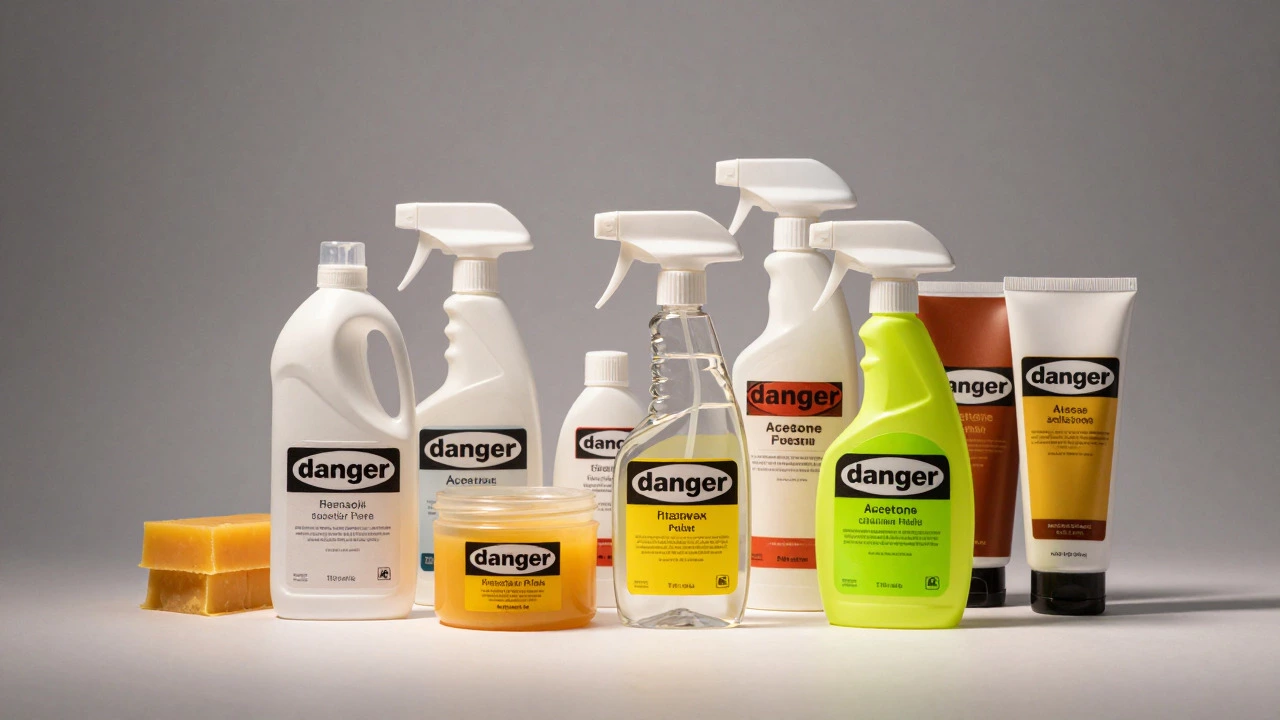
Avoid acetone, bleach, and alcohol-based disinfectants. These solvents strip the protective coating and the natural oils that keep leather supple. Once those oils are gone, the leather becomes dry and prone to splitting. Similarly, stay away from silicone-based waterproofing sprays found in some supermarket aisles. While they offer temporary water resistance, they clog the pores of the leather, trapping moisture inside and attracting more dirt over time. Instead, opt for waxes containing beeswax or carnauba, which protect without suffocating the material.
Home Remedies That Do More Harm Than Good
The internet is full of DIY tips for shoe care, but not all of them are created equal. Some popular home remedies can actually degrade your leather over time.
Vinegar is often recommended as a cleaner, but its acidity can damage the pH balance of leather, leading to deterioration. Olive Oil is another common suggestion for conditioning, but it goes rancid easily and can darken the leather unevenly. It also attracts dust and grime, creating a sticky surface that holds onto dirt.
Instead of experimenting with kitchen ingredients, stick to products formulated specifically for leather. Brands like Saphir, Bickmore, or even reliable local options available in Irish department stores like Brown Thomas or Penneys (Primark) for budget-friendly basics, provide consistent results. Remember, leather is an investment. Using cheap, untested remedies might save a few euros now but cost you a new pair of shoes later.
Polish Mistakes: Colour and Application Errors
Even if you use the right type of product, how you apply it matters. One major error is using coloured polish on suede or nubuck leather. These materials have a nap-a fuzzy texture-that gets ruined by traditional wax polishes. If you put regular polish on suede, you’ll mat down the fibres and create permanent dark spots.
For smooth leather, avoid applying thick layers of polish in one go. Building up too much wax creates a crusty layer that flakes off and looks unsightly. Apply thin coats, allow them to dry, and buff gently with a horsehair brush. Also, never mix cream and wax polish indiscriminately. Cream moisturises and restores colour; wax provides shine and protection. Using wax alone without conditioning underneath can lead to dryness.
Storage Pitfalls: Keeping Shoes Safe Indoors
How you store your shoes when not wearing them is just as important as how you clean them. In Ireland, our homes can be damp, especially in older properties. Storing leather shoes in plastic bags traps moisture and encourages mould growth. Mould spores feed on organic materials like leather, leaving white patches and unpleasant odours.
Instead, store your shoes in breathable cotton bags or boxes with ventilation holes. Keep them in a cool, dry place away from direct sunlight. Use shoe trees made of cedar wood. Cedar absorbs moisture, maintains the shape of the shoe, and imparts a fresh scent. Avoid metal shoe trees that can rust and stain the leather.
If you live in a particularly humid area, consider using silica gel packets in your shoe cupboard to control ambient moisture. This simple step can prevent mould and mildew, keeping your collection in prime condition year-round.
Special Considerations for Irish Weather
Our climate demands specific care routines. Salt from road de-icing agents in winter can cause salt stains and accelerate wear. After walking on treated roads, wipe your shoes with a damp cloth immediately to remove salt residue. Then, apply a conditioner to replenish lost oils.
Rainproofing is essential, but choose the right product. Look for sprays containing fluoropolymers or natural waxes that repel water without blocking breathability. Reapply these treatments regularly, especially before the rainy season starts in autumn. Don’t wait until your shoes are soaked to act; prevention is always easier than repair.
Can I use Vaseline on my leather shoes?
While Vaseline (petroleum jelly) can provide short-term conditioning, it’s not ideal for long-term care. It can darken the leather significantly and may attract dirt. For better results, use a dedicated leather conditioner containing lanolin or beeswax, which nourishes without altering the colour excessively.
How do I remove salt stains from leather shoes?
Mix equal parts white vinegar and water, dip a soft cloth in the solution, and gently dab the stained area. Wipe again with a clean, damp cloth to remove any vinegar residue. Let the shoes air dry completely, then apply a leather conditioner to restore moisture.
Is it okay to wear leather shoes every day in Ireland?
Wearing the same pair daily doesn’t give them time to breathe and recover their shape. Rotate between at least two pairs to extend their lifespan. Allow shoes to rest for 24 hours between wears so internal moisture can evaporate naturally.
What should I do if my leather shoes get wet in heavy rain?
Remove excess water with a soft cloth, stuff the shoes with newspaper to maintain shape and absorb moisture, and let them dry at room temperature away from heat sources. Once dry, apply a leather conditioner to prevent cracking.
Can I machine wash leather shoes?
No, never machine wash leather shoes. The agitation, detergent, and spin cycle will damage the leather, glue, and stitching. Always clean leather shoes by hand using appropriate products.
Taking care of your leather shoes in Ireland requires a bit of extra effort due to our unpredictable weather, but it’s entirely manageable with the right knowledge. By avoiding harsh chemicals, excessive heat, and improper storage, you can keep your footwear looking sharp and lasting longer. Remember, leather is a living material that thrives with proper attention. Treat it well, and it will reward you with durability and style, no matter how fierce the storm outside.