Irish Heatwave Wardrobe Checker
Planning a day out during an Irish heatwave? Check if your outfit will keep you cool or leave you overheating. Select your clothing choices below to get a comfort score and local tips.
Make your selections and click "Check Comfort Level" to see how prepared you are for the Irish sun.
Comfort Score
Expert Tips
You might laugh at the idea of extreme heat when you’re standing on a rainy street in Dublin or Galway. We’re used to drizzle, wind, and temperatures hovering around 15°C. But climate patterns are shifting. The Irish Meteorological Service (Met Éireann) has recorded rising average temperatures, with heatwaves becoming more frequent and intense. When that rare 30°C day hits, or even just a sticky 25°C afternoon, our usual wardrobe choices-wool jumpers, heavy denim, layered coats-become traps. You need clothes that actually work for this new reality. This isn’t about dressing for a tropical vacation; it’s about staying comfortable and safe during those hot spells here in Ireland.
Linen is often cited as the gold standard for hot weather. It is a natural fiber derived from the flax plant, known for its exceptional breathability and moisture-wicking properties. Unlike synthetic materials that trap sweat against your skin, linen allows air to circulate freely. This makes it ideal for the humid warmth we sometimes experience in late summer. While linen wrinkles easily-a trait some find charmingly rustic-it dries quickly, which is crucial if you’re caught in one of our sudden showers. For many Irish residents, a linen shirt or dress is no longer just a holiday purchase; it’s becoming a practical staple for June through August.
Fabric Choices That Actually Work
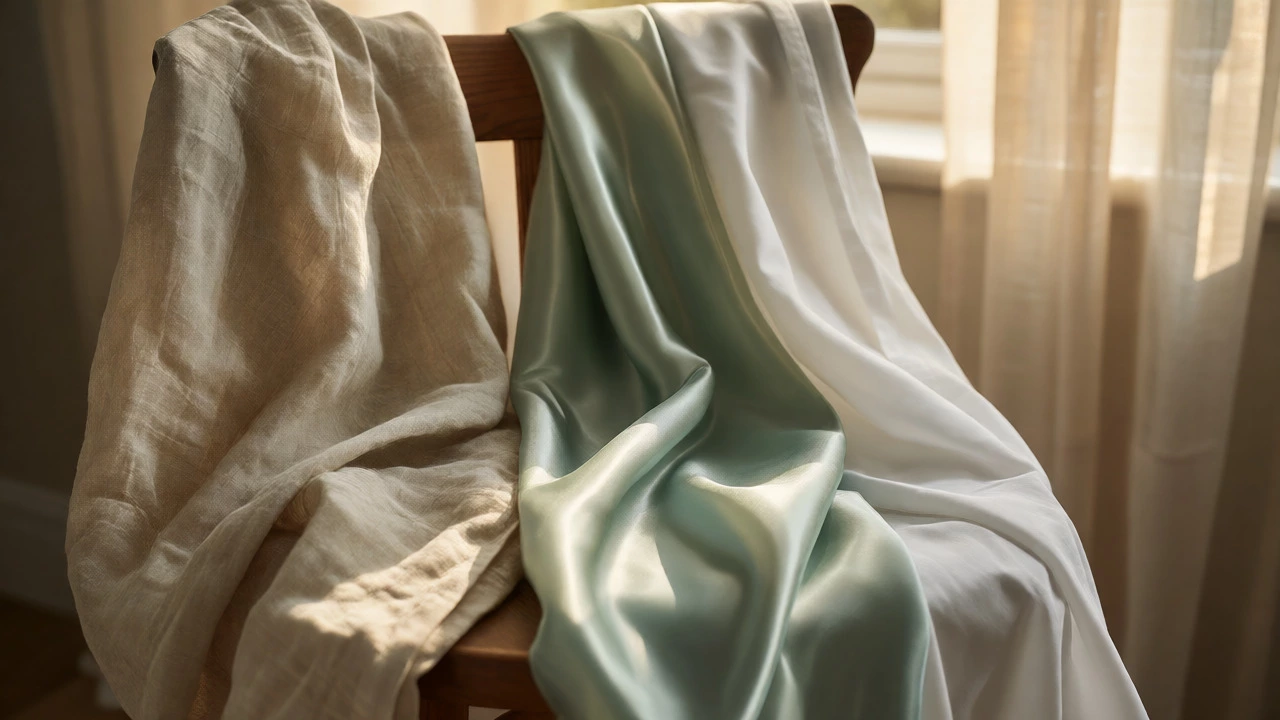
Choosing the right fabric is half the battle. Cotton is a solid choice, especially lightweight cotton voile or poplin. It’s soft, hypoallergenic, and absorbs moisture well. However, pure cotton can hold onto dampness, making it feel heavy if you’re sweating heavily. Linen beats cotton in airflow but loses out on durability. Then there’s Tencel (lyocell), a semi-synthetic fabric made from wood pulp. It’s smoother than linen, resists wrinkles better, and feels cool to the touch. Brands like Reiss and Arket, both popular on Grafton Street and Henry Street, have started offering more Tencel blends. These fabrics bridge the gap between comfort and looking put-together, which matters if you’re heading to an office in Dublin’s city center.
Avoid polyester at all costs unless it’s specifically designed for sports. Standard polyester traps heat and smells bad faster because bacteria thrive in the warm, moist environment it creates. If you must wear synthetics, look for 'moisture-wicking' labels, but understand these are engineered for high-intensity activity, not sitting in a stuffy pub garden.
Summer Dresses: The Irish Solution
For women, summer dresses are arguably the most efficient solution for extreme heat. They cover less skin while allowing maximum airflow. In Ireland, the style needs to be versatile. You might start your day in a breezy midi dress, but by evening, the temperature could drop ten degrees. Look for dresses with adjustable straps or those that can be paired with a light cardigan.
Consider the cut. Loose fits like shift dresses or A-line silhouettes prevent fabric from clinging to sweaty skin. Tight bodycon dresses, while stylish, become uncomfortable quickly in humidity. Midi lengths offer sun protection for your legs without the bulk of maxi dresses, which can drag on wet pavement if a shower passes through. Retailers like Brown Thomas and Arnotts often stock brands like & Other Stories or COS, which prioritize natural fibers and relaxed cuts suitable for variable weather.
| Fabric Type | Breathability | Moisture Wicking | Durability | Best For |
|---|---|---|---|---|
| Linen | Excellent | High | Moderate | Daytime events, casual wear |
| Cotton Voile | Very Good | Moderate | High | Office wear, everyday use |
| Tencel/Lyocell | Good | High | High | Smart casual, travel |
| Silk | Good | Low | Low | Evening wear (dry heat) |
| Polyester | Poor | Low | High | Avoid in heat |
Color Matters More Than You Think
We tend to wear dark colors year-round in Ireland-navy, black, grey. They hide rain stains and mud splashes. But in extreme heat, color dictates how much solar radiation your body absorbs. Black absorbs nearly all light and converts it to heat. White reflects most of it. If you’re walking along the Grand Canal or waiting for a Luas tram in direct sunlight, a white or pastel outfit will keep you significantly cooler. Light blues, pale greens, and creams are practical compromises. They reflect heat but don’t show every speck of dirt like pure white does. This is particularly relevant for tourists visiting attractions like Trinity College or Phoenix Park, where long walks are inevitable.
Local Brand Recommendations
You don’t need to fly to Spain to buy heat-appropriate clothes. Several Irish and UK-based brands available here have adapted their lines.
- Arket: Their 'Cooling' range uses specialized knits that promote airflow. Available in Dublin, Cork, and online.
- Gorman: An Irish brand known for quirky prints, but they also stock basic linen tunics and dresses perfect for a trip to Clontarf or Salthill.
- Zara: While fast fashion, their linen section expands massively in May and June. Check sizes early; popular styles sell out before the first real heatwave.
- H&M: Their 'Premium Quality' line often features Tencel and organic cotton at accessible price points.
Supporting local designers who focus on sustainable, natural fabrics is also a growing trend. Markets like the Dublin Flea Market or local boutiques in Temple Bar often carry unique pieces made from breathable materials that mass retailers miss.
Dressing for Variable Irish Weather
The biggest challenge isn’t just the heat; it’s the unpredictability. One minute it’s blazing sun, the next it’s a cold front sweeping in from the Atlantic. Layering is key, but traditional layering adds bulk. Instead, opt for modular pieces. A loose linen shirt can be worn open over a tank top, then buttoned up if the wind picks up. Summer dresses should be paired with easy-to-remove accessories. A wide-brimmed hat protects your face from UV rays, which are stronger here than people realize due to ozone depletion issues. Sunglasses aren’t just for style; glare off wet roads after a shower can be blinding.
Footwear also plays a role. Avoid closed leather shoes. Leather boots in 28°C heat will make your feet swell. Choose canvas sneakers, sandals with good arch support, or breathable loafers. If you’re planning a day out in Killarney or the Wild Atlantic Way, ensure your shoes are broken-in and water-resistant enough for puddles, yet airy enough for dry stretches.

Health and Safety Tips
Extreme heat affects everyone differently. Older adults and young children are more vulnerable. If you’re caring for elderly relatives, check their homes for adequate ventilation. Many older Irish houses lack air conditioning, so cross-ventilation is vital. Open windows on opposite sides of the room to create a draft. Use fans strategically, pointing them outward to push hot air out rather than just circulating it.
Hydration is non-negotiable. Carry a reusable bottle. Tap water in Ireland is generally safe and high quality, so refilling at public fountains or cafes saves money and reduces plastic waste. Watch for signs of heat exhaustion: dizziness, nausea, rapid heartbeat. If you feel these symptoms, get to shade immediately. Don’t try to 'push through' a hot day, especially if you’re working outdoors or attending outdoor festivals like Electric Picnic or Longitude.
Cultural Context: Adapting Traditions
Ireland’s social culture revolves heavily around pubs and gatherings. Pubs can get hot and crowded, especially in summer. Traditional wool suits or heavy jackets worn to formal events become unbearable indoors. Consider modern alternatives: unstructured blazers in cotton-linen blends, or smart polo shirts instead of stiff collared shirts. At weddings or christenings, guests often hesitate to remove jackets. Communicate with hosts beforehand; many now specify 'summer attire' to encourage lighter choices. This small cultural shift helps everyone stay comfortable without breaking etiquette.
Also, consider the environmental impact. Buying fewer, higher-quality natural fiber garments lasts longer than cheap synthetics that degrade quickly. Given Ireland’s strong recycling initiatives and growing awareness of sustainability, investing in durable linen or cotton aligns with local values. Thrift stores like Oxfam or local charity shops often have hidden gems in natural fabrics, offering a budget-friendly way to build a heat-resilient wardrobe.
Frequently Asked Questions
Is linen really better than cotton for Irish summers?
Generally, yes. Linen has a looser weave that allows more air circulation, helping sweat evaporate faster. This cooling effect is superior to cotton, which tends to absorb moisture and hold it against the skin. However, linen wrinkles easily, so if you need a crisp look for work, fine cotton poplin might be preferable despite being slightly less breathable.
Where can I buy affordable linen clothes in Dublin?
You can find affordable options at H&M, Zara, and Uniqlo, all located in major shopping centers like Dundrum Town Centre and Blanchardstown Centre. For mid-range prices, check out Arket or & Other Stories on Grafton Street. Charity shops like Oxfam or Barnardo's often carry pre-loved linen items at very low costs.
Do I need air conditioning in my home for Irish heatwaves?
Not necessarily. Most Irish homes rely on insulation and heating for winter, not cooling for summer. During short heatwaves, cross-ventilation, blackout blinds, and ceiling fans are usually sufficient. Air conditioning units can be expensive to install and operate. Focus on passive cooling strategies first, such as opening windows at night and closing them during the hottest part of the day.
What colors should I avoid wearing in extreme heat?
Avoid dark colors like black, navy, and deep red. These absorb significant amounts of solar radiation, converting it into heat that warms your body. Stick to whites, pastels, and light neutrals which reflect sunlight. If you must wear dark colors, choose loose-fitting garments to allow air flow between the fabric and your skin.
Are summer dresses appropriate for Irish offices?
Yes, provided they meet your workplace dress code. Opt for structured cuts, knee-length or midi hemlines, and modest necklines. Pair a simple shift dress with a blazer or cardigan for professionalism. Many Irish companies have relaxed dress codes in summer, allowing smart casual attire including dresses and tailored trousers.