Wet Leather Rescue Planner
Click a step on the left to view details.
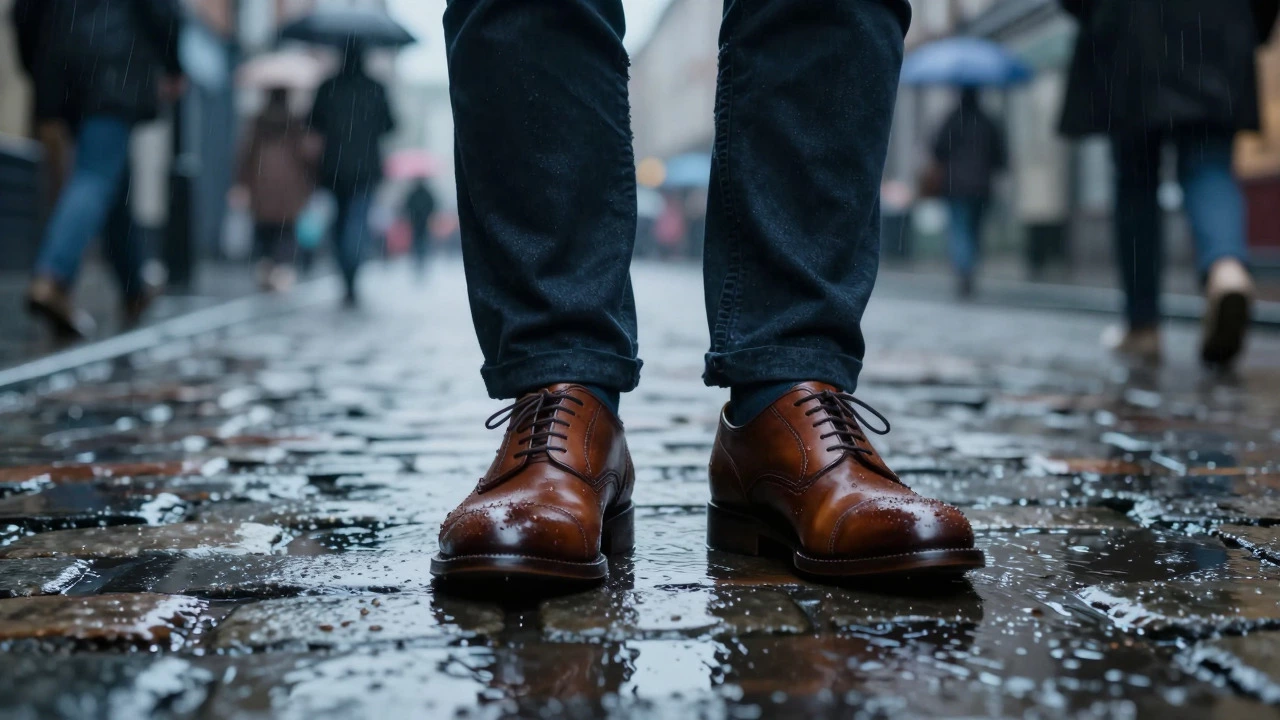
Walking out of a shop on Grafton Street in the middle of a sudden downpour is a rite of passage for anyone living in Ireland. You look down, see your favorite pair of brown oxfords soaking up the rain, and panic sets in. Are they ruined forever? Do you need to buy new ones tomorrow? The short answer is no, but how you handle the next twenty-four hours matters more than you think. In a country where the weather can change four times before lunch, knowing how to rescue wet leather isn't just a tip; it's a survival skill.
The Immediate Reaction: What Not To Do
The biggest mistake people make in Dublin or Cork when their shoes get soaked is rushing to dry them off. You might be tempted to stuff them with newspaper and put them near the radiator in your flat, or worse, set them on top of a heater. This is dangerous. Heat is the enemy of natural leather. When you apply direct heat to wet leather, the moisture inside evaporates too quickly, causing the fibers to shrink and crack. The surface becomes brittle, and the shape warps. If you have ever owned a pair of expensive boots that turned into stiff, cracked bricks after a rainy weekend, this is likely why.
Instead, start by removing the laces. Wet laces take a long time to dry and can mildew if left damp. Rinse the soles under tap water to remove any mud or grit from the streets. Then, use a clean, absorbent cotton towel to blot the excess water from the surface. Do not rub aggressively, as this can push water deeper into the pores or scratch the finish. Your goal is simply to remove the standing water, not to dry the shoe completely at this stage.
The Proper Drying Process
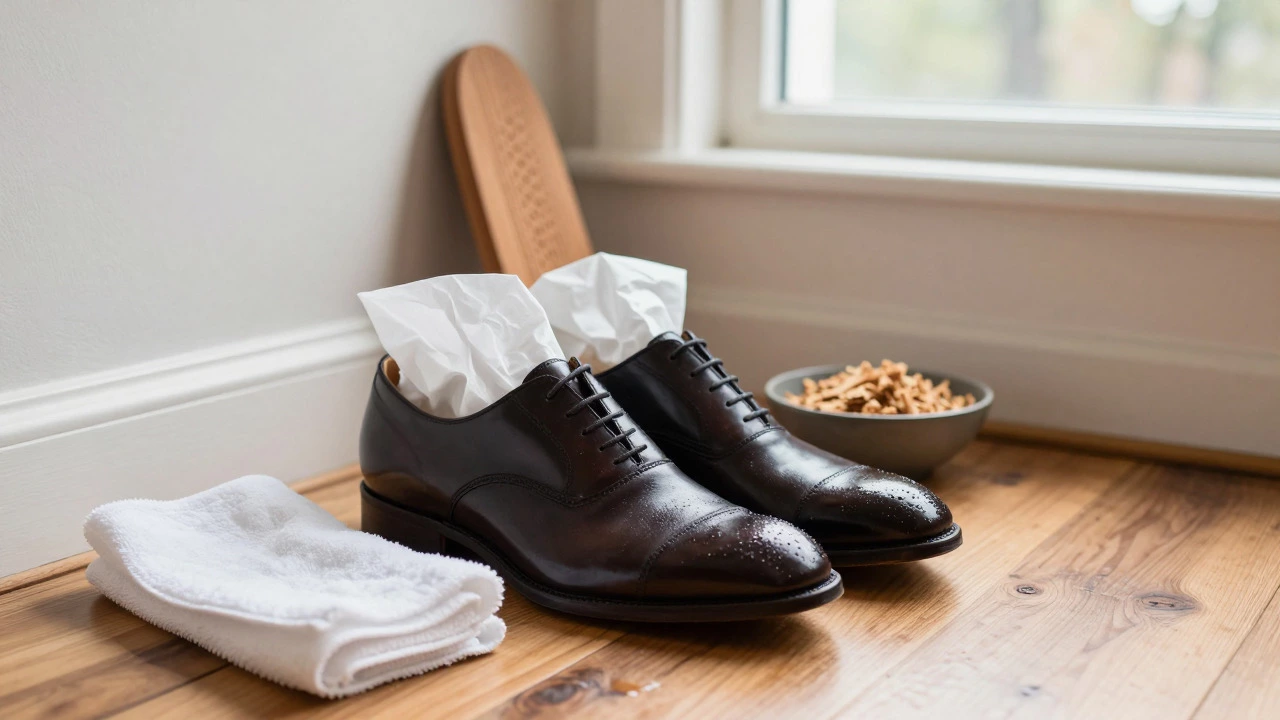
Once the surface is blotted, you need to let the shoes dry naturally. The best method involves using cedar shoe trees. Cedar absorbs moisture while also keeping the shoe’s shape intact. If you don’t have cedar trees, use acid-free tissue paper or white cotton balls. Stuff them loosely inside the toe box and heel. Avoid using yellow newsprint, as the ink can bleed onto light-colored leather if the paper gets damp again during the process.
Place the shoes in a well-ventilated room at room temperature. In Ireland, our homes are often heated, which helps, but avoid placing them directly against a wall that touches an exterior surface where condensation might form. It typically takes 24 to 48 hours for leather shoes to dry fully. Patience is key here. Rushing the process leads to permanent damage that no cobbler can fix.
Conditioning After Drying
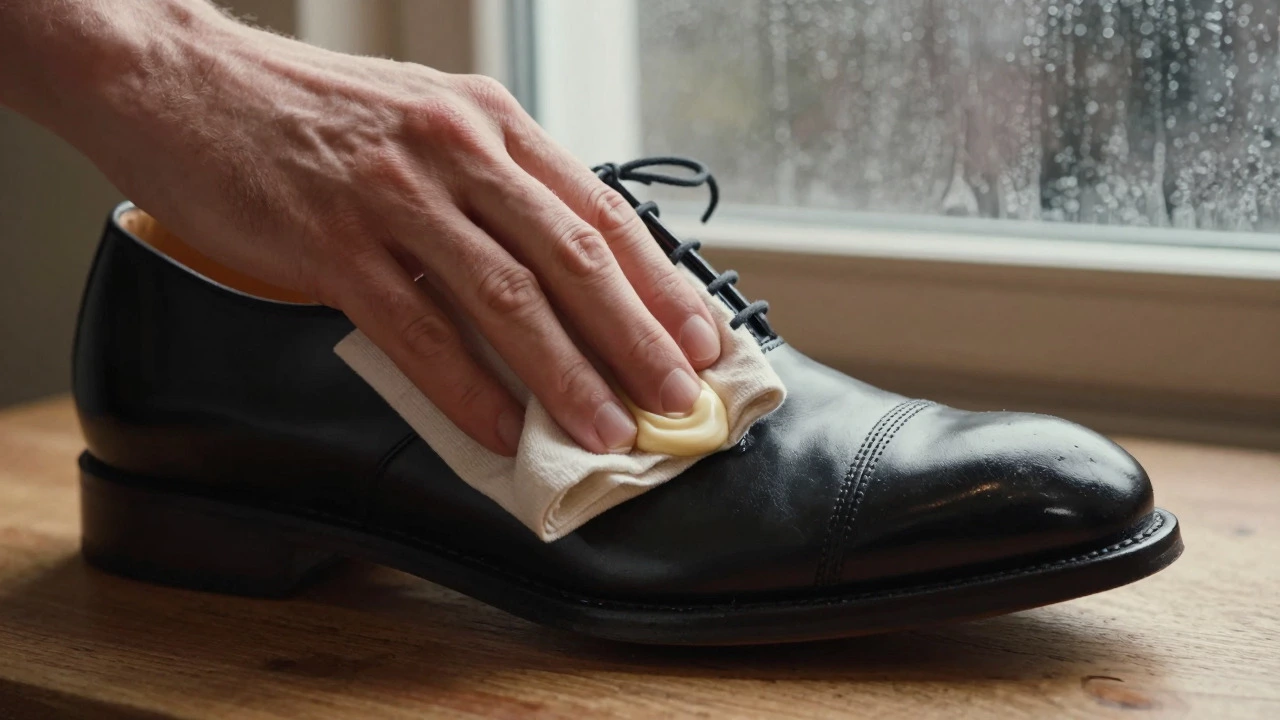
Water strips natural oils from leather. Once your shoes are completely dry, they will feel stiff and look dull. This is normal. The leather needs to be replenished. Use a high-quality leather conditioner or cream. For Irish winters, where the rain is persistent, a product with some waterproofing properties is ideal. Apply a small amount with a soft cloth in circular motions. Let it sit for about 15 minutes to allow the leather to absorb the nutrients, then buff it with a clean, dry cloth.
If your shoes have suede or nubuck elements, skip the standard conditioner. Instead, use a suede brush to restore the nap and a specific suede protector spray. These materials are more porous and react differently to moisture, requiring specialized care to maintain their texture.
Choosing Shoes for the Irish Climate
While proper care saves damaged shoes, prevention is easier. When shopping in stores like Dunnes Stores or local independent boutiques in Temple Bar, look for full-grain leather rather than synthetic materials. Full-grain leather is denser and more resistant to water absorption. Look for shoes with Goodyear welt construction. This stitching method allows the sole to be replaced without destroying the upper, extending the life of the shoe significantly. In a market where we walk through puddles daily, durability is worth the extra investment.
Consider the color as well. Darker leathers hide stains and water marks better than light tans or creams. If you work in an office in the Docklands, a dark brown or black Oxford with a slight sheen is practical. For weekends in Galway or Kerry, where trails can be muddy, a rugged boot with a rubber sole offers better traction and protection than a dress shoe.
| Leather Type | Water Resistance | Maintenance Difficulty | Best For |
|---|---|---|---|
| Full-Grain | High (with treatment) | Medium | Daily wear, formal occasions |
| Suede | Low | High | Casual fashion, dry spells |
| Nubuck | Medium | Medium-High | Everyday casual, lighter rain |
| Patent | Very High | Low | Formal events, heavy rain |
Common Myths About Wet Leather
There are many myths circulating online about shoe care. One popular belief is that you should always wear waterproof sprays. While helpful, over-spraying can clog the leather’s pores, preventing it from breathing. Use sparingly and only when necessary. Another myth is that salt stains from winter sidewalks are permanent. They are not. A paste of baking soda and water, applied gently and rinsed off, can lift most salt marks. Just ensure the leather is dry before applying the paste to avoid further moisture intrusion.
Some people believe that oil-based conditioners are bad for all leather. This is true for suede but false for smooth leather. Oil nourishes the fibers and keeps them supple. The key is matching the product to the material type. Always check the label or ask the shop assistant at places like Smyths Toys & Footwear (yes, they sell footwear too) or dedicated shoe shops in Ha’penny Bridge for recommendations based on your specific pair.
When to See a Professional
Despite your best efforts, some damage requires professional attention. If the sole has separated from the upper, or if there are deep cracks in the leather, visit a local cobbler. In cities like Belfast, Shannon, or Waterford, traditional cobblers still operate and can resole, re-stitch, and recolor shoes. This service is cheaper than buying new and supports local craftsmanship. Ask about their turnaround time, as busy periods around Christmas can extend wait times to two weeks or more.
Frequently Asked Questions
Can I put wet leather shoes in the dryer?
No. The heat and tumbling action will warp the shape and crack the leather. Always air-dry at room temperature.
How long does it take for leather shoes to dry naturally?
It usually takes 24 to 48 hours depending on humidity and thickness of the leather. Ensure they are stuffed with paper or cedar trees to maintain shape.
What is the best conditioner for wet leather shoes in Ireland?
A wax-based cream is best for smooth leather as it adds shine and water resistance. For suede, use a dedicated suede cream and brush. Local brands or international options like Saphir are widely available in Irish department stores.
Does rain ruin suede shoes instantly?
Not instantly, but suede is very porous. Light rain may leave spots that can be brushed out. Heavy soaking requires immediate blotting and slow drying. Preventive spray is highly recommended for suede in Irish weather.
Should I wear waterproof socks with leather shoes?
Yes, especially in autumn and winter. Waterproof socks keep feet dry even if the shoe gets wet, reducing the internal moisture that causes odor and bacterial growth inside the shoe.