Irish Sportswear Layering Calculator
Enter Conditions
Enter your conditions above to see the recommended sportswear layering system for Ireland.
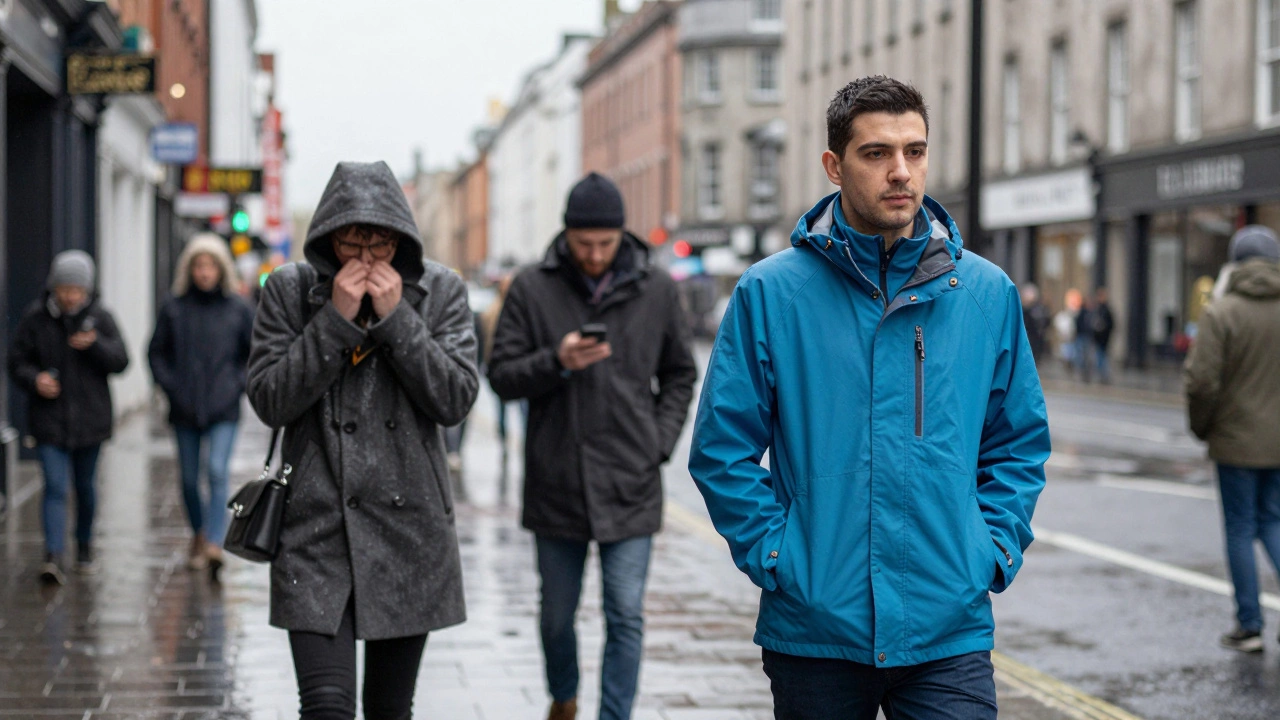
Walking down Grafton Street in Dublin during a typical April shower, you might spot someone in a heavy wool coat next to another person wearing a bright, technical windbreaker. Who is dressed correctly? The answer depends entirely on what they are doing. This confusion often leads to a simple but vital question: what constitutes sportswear? In Ireland, where the weather shifts from sun to sleet within the span of a morning walk along the Liffey, the line between casual fashion and functional athletic gear is not just about looking good-it’s about staying dry, warm, and mobile.
Sportswear is no longer limited to the kit you wear inside a gym or on a pitch. It has evolved into a complex category of clothing designed with specific engineering principles. To understand what truly qualifies as sportswear, we need to look past the logos and examine the materials, the construction, and the intended function. For anyone living in Ireland, whether you are commuting through Cork, hiking the Wicklow Mountains, or playing Gaelic football in Galway, understanding these distinctions can save you from discomfort and even injury.
The Core Definition: Function Over Form
At its heart, Sportswear is defined by its purpose. It is clothing specifically designed to facilitate physical activity, enhance performance, and protect the body during exercise. Unlike everyday streetwear, which prioritizes aesthetics or social norms, sportswear prioritizes biomechanics and thermoregulation. If a piece of clothing restricts your movement, traps sweat against your skin, or fails to insulate when temperatures drop, it does not meet the criteria of true sportswear, regardless of how sporty it looks.
In the Irish context, this definition becomes even more critical. Our climate is temperate maritime, meaning we experience high humidity, frequent rain, and unpredictable wind chill factors. A cotton t-shirt, while comfortable for sitting in a pub in Temple Bar, is disastrous for running up the Phoenix Park trails. Cotton absorbs moisture and loses its insulating properties when wet. True sportswear, conversely, is engineered to manage moisture. It moves sweat away from the skin to the outer surface where it can evaporate, keeping the wearer dry and preventing hypothermia in cold conditions.
Material Science: What Makes Fabric "Athletic"?
The primary differentiator between regular clothes and sportswear lies in the fabric technology. Most modern athletic wear relies on synthetic fibers rather than natural ones. Here is a breakdown of the key materials you will encounter in stores across Ireland, from Dun Laoghaire to Derry:
- Polyester: The workhorse of the industry. It is durable, quick-drying, and resistant to shrinking. Many brands blend polyester with elastane to add stretch.
- Nylon: Known for its strength and elasticity. It is often used in compression gear and lightweight jackets because it resists abrasion better than polyester.
- Elastane (Spandex/Lycra): Rarely used alone, this fiber provides the necessary stretch for range of motion. Without it, your leggings would dig in during a squat, and your shirt would pull tight when you reach for a rugby ball.
- Merino Wool: A rising star in Ireland. Unlike cotton, merino wool regulates temperature naturally. It keeps you warm when wet and cool when dry, making it ideal for our changeable weather. Brands like Icebreaker and local Irish makers are increasingly using this for base layers.
If you buy a "gym top" made of 100% cotton, you are buying a fashion item that mimics sportswear, not actual performance gear. Check the label. If it doesn’t mention moisture-wicking, breathability, or stretch recovery, it likely doesn’t constitute true sportswear.
The Three-Layer System: Dressing for Ireland’s Weather
To effectively use sportswear in Ireland, you must adopt the layering system. This is not just advice for mountaineers; it is essential for anyone walking the dog in County Kerry during winter. The system consists of three distinct layers, each serving a specific function.
| Layer | Function | Ideal Materials | Irish Context Example |
|---|---|---|---|
| Base Layer | Moisture Management | Synthetic blends, Merino Wool | Worn under everything else to keep sweat off the skin during a commute on the Luas. |
| Mid Layer | Insulation | Fleece, Light Down, Thermal Knits | A fleece jacket worn over the base layer to trap heat while hiking the Glens of Antrim. |
| Outer Layer | Protection | Gore-Tex, Hardshell Nylon, Windproof Membranes | A waterproof shell to block Atlantic rain and wind while cycling home from work in Galway. |
The mistake many people make is skipping the base layer or wearing a thick sweater directly against the skin. When you start moving, that sweater gets soaked with sweat. Once it’s wet, it becomes heavy and cold. By using a technical base layer, you ensure that your insulation (the mid-layer) stays dry and effective. This is crucial in Ireland, where the wind chill can make a 5°C day feel like -2°C.
Performance vs. Athleisure: Knowing the Difference
In recent years, the term "athleisure" has blurred the lines. You see people wearing yoga pants to coffee shops in Dublin’s Docklands. While stylish, this raises the question: is athleisure sportswear? Technically, no. Athleisure is designed for comfort and appearance, not high-intensity output.
True sportswear features specific design elements that athleisure often lacks:
- Flatlock Seams: These seams lie flat against the skin to prevent chafing during repetitive movements like running or swimming. Regular clothing uses raised seams that can rub raw skin.
- Strategic Ventilation: Zippered vents under the arms or along the back allow heat to escape during intense exertion. Fashion hoodies rarely have these.
- Anatomical Fit: Performance gear is cut to follow the body’s natural contours without restricting blood flow. Loose-fitting joggers may look comfortable but can trip you up on a trail or catch on equipment.
If you plan to run the Great Ireland Run or play a weekend game of camogie, invest in true performance gear. If you are just heading to a meeting or a casual dinner, athleisure is perfectly acceptable. Understanding this distinction helps you spend your money wisely.
Local Considerations: Brands and Availability in Ireland
When shopping for sportswear in Ireland, you have access to both global giants and emerging local designers. Major retailers like Decathlon, JD Sports, and Sports Direct offer affordable options with clear technical specifications. However, for those seeking higher durability or ethical manufacturing, look toward specialized outdoor retailers such as Mountain Warehouse or independent shops in cities like Kilkenny or Waterford.
Furthermore, there is a growing appreciation for local craftsmanship. Irish textile heritage is strong, and some small businesses are producing high-quality merino wool base layers and technical accessories right here at home. Supporting these brands not only reduces carbon footprint from shipping but also ensures products are tested against real Irish weather conditions.
For example, if you are preparing for a hike in the MacGillycuddy’s Reeks in Kerry, a locally sourced merino base layer paired with a reliable Gore-Tex shell from a trusted brand will outperform any fast-fashion alternative. The investment pays off in longevity and comfort.

Maintenance and Longevity
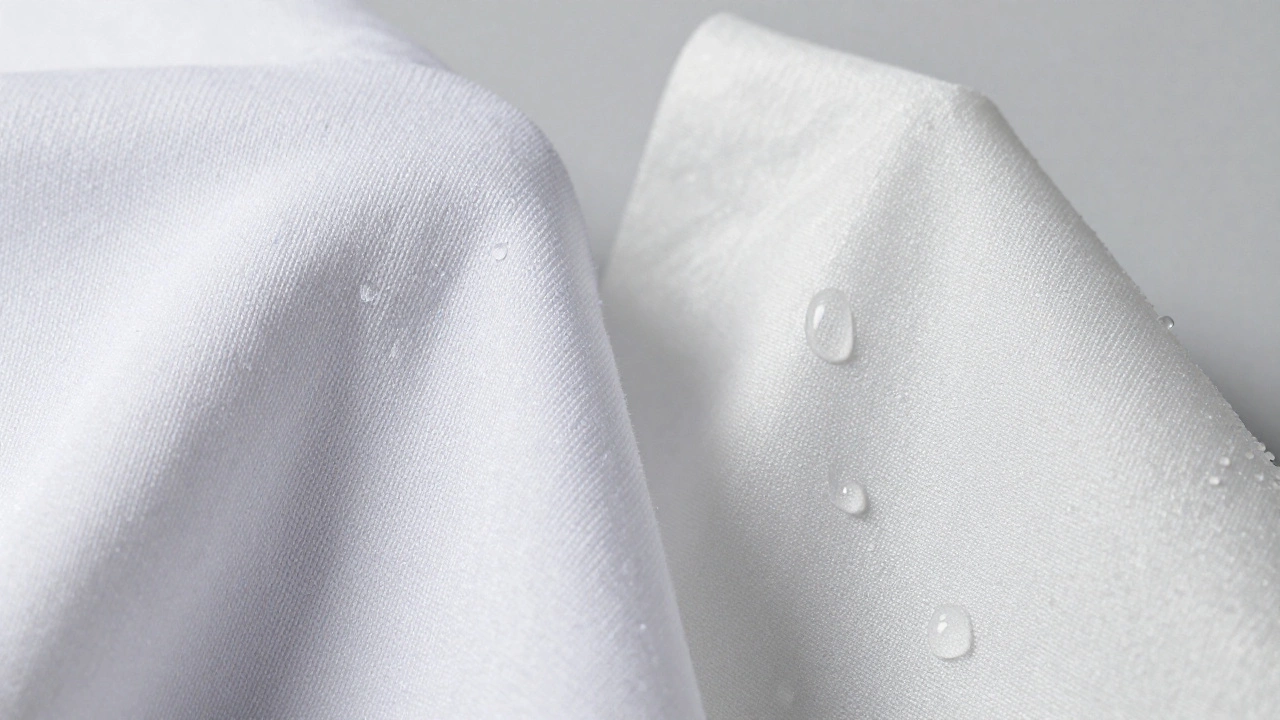
One aspect of sportswear that sets it apart from regular clothing is its care requirements. Technical fabrics are sensitive to harsh chemicals. Using fabric softener, for instance, can clog the microscopic pores in moisture-wicking materials, rendering them useless. Always wash sportswear in cold water with a mild detergent, and avoid tumble drying unless the label explicitly permits it. Air drying preserves the elasticity of elastane and the water-repellent coatings on outer shells.
In Ireland, where laundry days can be frequent due to damp conditions, proper care extends the life of your gear significantly. A well-maintained waterproof jacket can last five to ten years, whereas one treated poorly may fail after a single season of Atlantic storms.
Conclusion: Choosing the Right Gear
So, what constitutes sportswear? It is clothing engineered for movement, moisture management, and protection. It is defined by its materials-synthetics and merino wool-and its construction-flatlock seams and strategic ventilation. For residents of Ireland, choosing the right sportswear is not a luxury; it is a necessity for navigating our unique climate. Whether you are a serious athlete or an active commuter, investing in genuine performance gear ensures you stay comfortable, safe, and ready for whatever the weather throws your way.
Is cotton ever considered sportswear?
Generally, no. Cotton absorbs moisture and retains it, which can lead to chilling in cold weather and chafing during exercise. True sportswear uses synthetic fibers or merino wool to wick moisture away from the skin. However, some cotton-blend tracksuits are marketed as casual sportswear for low-intensity activities, but they lack the performance benefits of technical fabrics.
How do I know if my jacket is waterproof or just water-resistant?
Water-resistant jackets repel light rain for a short time but will eventually soak through. Waterproof jackets, often labeled with ratings like 10,000mm or featuring membranes like Gore-Tex, are designed to keep you dry in heavy, prolonged rain. Look for taped seams and waterproof zippers to confirm true waterproofing, which is essential for Irish winters.
Can I wear sportswear to work in Ireland?
This depends on your workplace dress code. Many tech companies and creative agencies in Dublin and Cork accept smart-casual attire, which may include high-quality athleisure. However, traditional offices usually require business casual or formal wear. Ensure your sportswear is clean, wrinkle-free, and styled appropriately if you choose to wear it to work.
Why is merino wool popular in Ireland?
Merino wool is naturally odor-resistant, temperature-regulating, and warm even when wet. Given Ireland’s humid and changeable climate, it is an excellent material for base layers. It prevents the sweaty smell common with synthetics and provides superior insulation without bulk, making it ideal for both urban commutes and outdoor adventures.
How often should I replace my sportswear?
Most technical sportswear lasts 1-3 years with proper care. Signs it’s time to replace include loss of elasticity, faded colors, thinning fabric, or failure of waterproof coatings. Base layers and socks should be replaced more frequently due to direct contact with skin and sweat, while outer shells can last longer if maintained correctly.