Interactive Jacket Evolution Timeline
Discover how necessity drove innovation:
Click through the eras below to see how Irish weather shaped the design and materials of outerwear over thousands of years.
Animal Hides
Material: Deer, boar, sheep skins
Rough coverings stitched with bone needles and sinew thread. No concept of style—survival was the only goal against the damp chill.
Wool & Status
Material: Coarse to fine wool
Tailors created closer fits. Nobles wore long flowing coats; commoners wore shorter practical jackets. The "doublet" padded jacket appeared for warmth.
The Modern Shape
Material: Heavy Wool / Fur
Cavalier coats introduced side slits that evolved into pockets. Frock coats became standard formal wear. Irish tailors added heavier linings for local climate.
Waterproofing Revolution
Material: Rubberized Fabric
Charles Macintosh invented rubber-impregnated fabric. Essential for farmers and fishermen. The term "Mackintosh" became synonymous with raincoats in Ireland.
Casualization
Material: Denim / Waxed Cotton
Shift to relaxed fits. Denim jackets became common. Brands like Barbour gained popularity for their waxed cotton durability against wind and rain.
Tech & Sustainability
Material: Synthetic Membranes (Gore-Tex)
Lightweight, breathable fabrics that block water but let vapor escape. Growing focus on eco-friendly materials and recycled production methods.
Have you ever stood on the clifftops at Giant's Causeway or wandered through the misty lanes of Dublin, wondering how people survived the damp chill before modern weatherproof gear existed? It is a fair question. In Ireland, where the rain seems to have its own postal code, the jacket is not just a fashion statement; it is a survival tool. But when did these protective layers actually appear in our wardrobe?
The short answer is that humans have been wearing something resembling a jacket for thousands of years, but the specific garments we recognize today evolved slowly. For the Irish, this evolution was driven by necessity. We needed clothing that could withstand the Atlantic winds and the relentless drizzle that defines much of our climate. From ancient animal skins to the high-tech membranes used by hikers in the Wild Atlantic Way today, the story of the jacket is the story of human adaptation.
The Ancient Origins: Hides and Animal Skins
To understand when jackets existed, we have to look back to the Stone Age. Long before there were buttons or zippers, early humans wore hides. These were not tailored garments like the ones you might buy in a shop on Grafton Street. They were rough coverings made from deer, boar, or sheep skins. Archaeologists have found evidence of such garments in Ireland dating back over 8,000 years. These early "jackets" were primarily functional. They provided warmth and protection against the elements. There was no concept of style as we know it. Survival was the only goal.
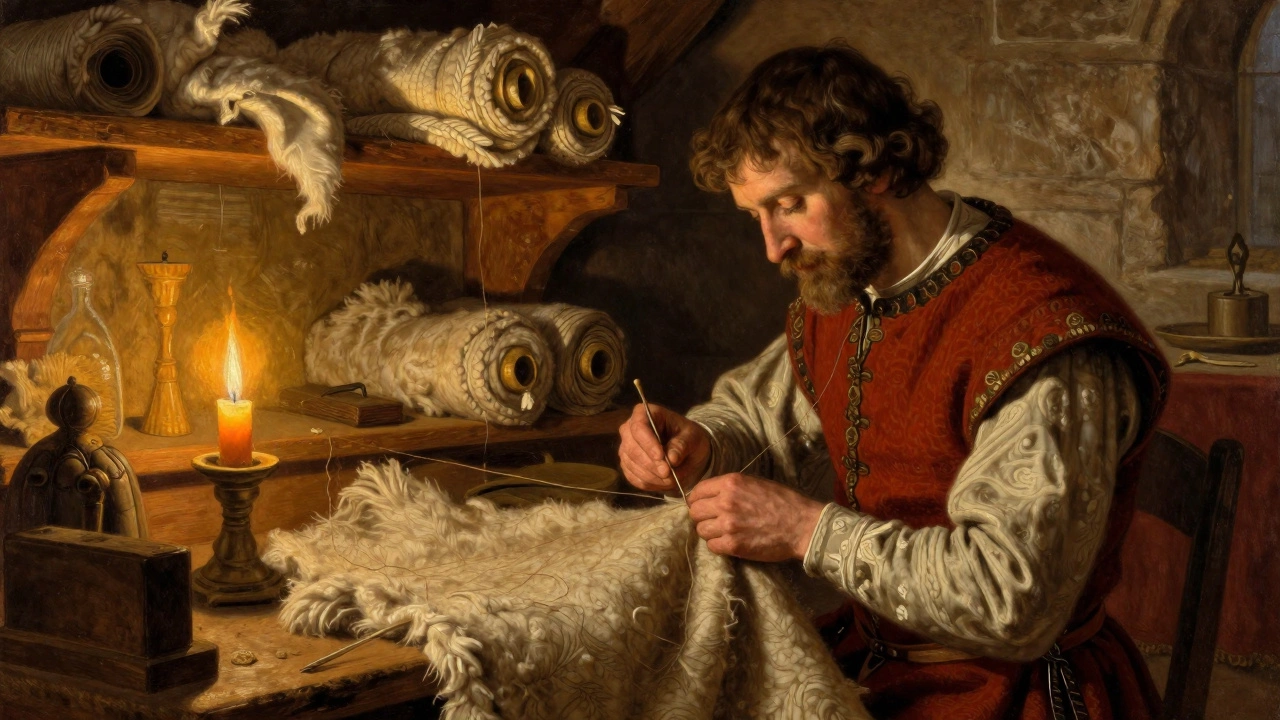
As societies developed, so did the tools for working with leather. By the Bronze Age, people were using needles made from bone and sinew thread to stitch hides together more tightly. This allowed for a better fit and greater durability. In rural communities across Ireland, this tradition continued for millennia. Farmers and shepherds relied on sturdy leather coats to protect them from the harsh winter winds. These garments were often passed down through generations, becoming family heirlooms.
The Medieval Era: Wool and Status
By the Middle Ages, wool had become the dominant fabric for outerwear in Ireland. Sheep farming was widespread, and wool was readily available. The Irish linen industry also began to flourish, though wool remained the primary material for heavy coats. During this period, the jacket started to take on a more defined shape. Tailors emerged as skilled craftsmen, creating garments that fitted the body more closely than the loose-fitting tunics of earlier times.
In medieval Ireland, what you wore said a lot about your status. Nobles wore long, flowing coats made from fine wool or even imported silk. These garments were often decorated with embroidery or fur trims. Commoners, on the other hand, wore simpler, shorter jackets made from coarser wool. These were practical and durable, designed to withstand the rigors of daily labor. The distinction between rich and poor was clearly visible in the quality and length of one's outerwear.
A key development during this era was the introduction of the doublet. This was a close-fitting jacket worn over a shirt. It provided extra warmth and structure to the upper body. Doublets became popular across Europe, including Ireland, and laid the groundwork for the modern suit jacket. They were often padded for additional insulation, making them ideal for the cold Irish winters.
The 17th Century: The Birth of the Modern Jacket
If you want to pinpoint a specific moment when the modern jacket was born, look to the 17th century. This was the era of the cavalier coat. Originally designed for horsemen, these coats featured slits in the sides that could be buttoned up to form flaps. This design allowed riders to move freely while mounted. Over time, these flaps evolved into pockets, a feature we still use today.
In Ireland, the influence of British fashion was strong during this period. As English settlers arrived, they brought their styles with them. The cavalier coat became a symbol of status and power. However, Irish tailors adapted these designs to suit local tastes and needs. They added heavier linings and used thicker fabrics to better resist the damp climate. This blending of styles created a unique Irish approach to outerwear.
The 17th century also saw the rise of the frock coat. This was a long, knee-length garment that became standard formal wear for men. It was elegant and sophisticated, perfect for social gatherings and political events. In Dublin, well-dressed gentlemen would be seen in frock coats at theaters and clubs. This style dominated male fashion for nearly two centuries, shaping the silhouette of the Irish man.
The 19th Century: Innovation and Industry
The Industrial Revolution brought significant changes to the production of jackets. Factories began mass-producing garments, making them more affordable and accessible. In Ireland, cities like Belfast and Cork became centers of textile manufacturing. Local mills produced vast quantities of wool and cotton, supplying both domestic and international markets.
One of the most important innovations of this era was the invention of waterproof materials. Charles Macintosh, a Scottish chemist, developed a process for impregnating fabric with rubber. This created a material that was completely water-resistant. While Macintosh was Scottish, his invention had a profound impact on Ireland. Waterproof coats became essential for farmers, fishermen, and travelers who spent long hours outdoors in the rain.
The term "Macintosh" or "Mackintosh" became synonymous with raincoats in Ireland. You can still hear older generations refer to their raincoats as "macks." This linguistic legacy shows how deeply embedded this innovation is in Irish culture. The Mackintosh company itself opened factories in Ireland, further cementing the connection between the brand and the country.
The 20th Century: Casualization and Brand Identity
The 20th century saw a shift towards more casual styles. The rigid formality of previous eras gave way to relaxed fits and versatile designs. In Ireland, this change was influenced by American culture and the growing popularity of sports. Jeans and denim jackets became common sights on the streets of Dublin and beyond.
Local brands began to emerge, catering specifically to the Irish market. Companies like Solstice and Kath Kidston (though UK-based, popular here) offered stylish options for women, while men turned to rugged outdoor wear. The demand for practical yet fashionable jackets grew as people spent more time engaging in outdoor activities like hiking and cycling.
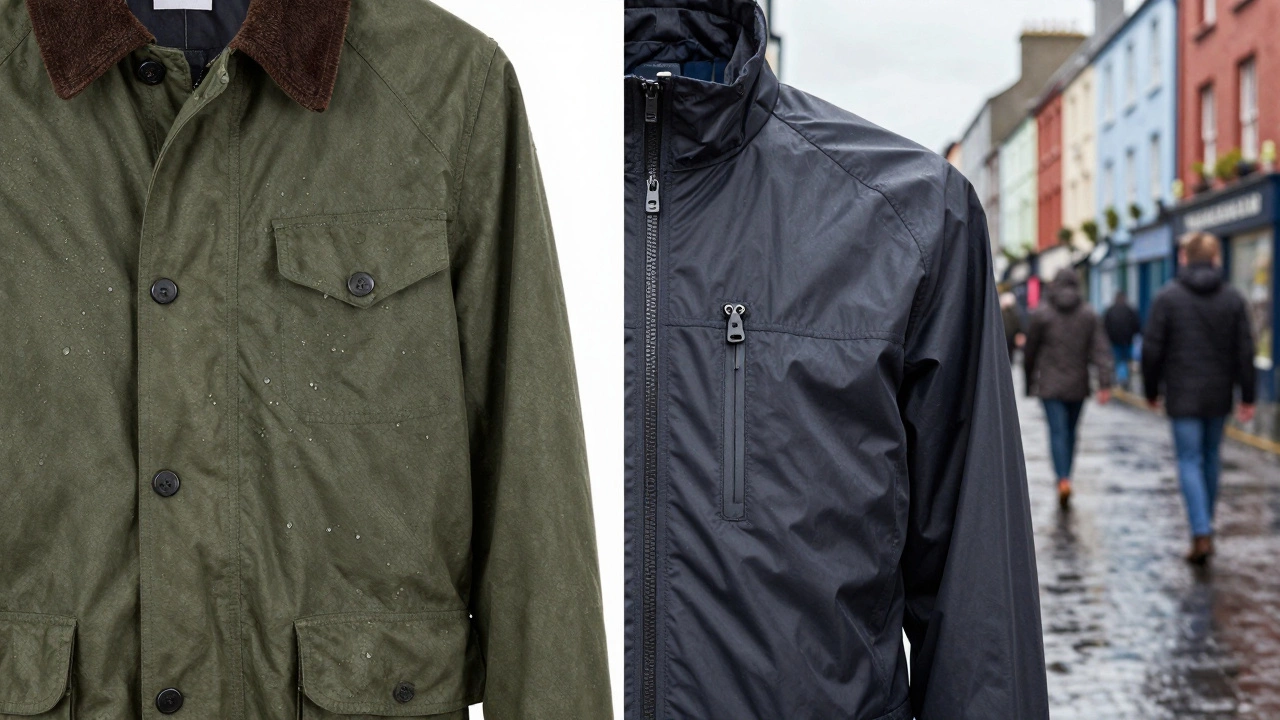
A notable example of Irish ingenuity is the Barbour jacket. Although originally British, Barbour has a strong presence in Ireland due to its suitability for the climate. Its waxed cotton material provides excellent protection against wind and rain. Many Irish farmers and country dwellers swear by Barbour jackets for their durability and classic look. This brand exemplifies the blend of tradition and functionality that characterizes Irish outerwear preferences.
Modern Day: Technology and Sustainability
Today, the jacket industry is undergoing another transformation. Advances in technology have led to the creation of lightweight, breathable, and highly waterproof materials. Brands like North Face and Columbia offer jackets with Gore-Tex membranes, which allow moisture vapor to escape while blocking liquid water. This makes them ideal for active pursuits in Ireland's unpredictable weather.
Sustainability is also a major focus. Consumers are increasingly aware of the environmental impact of fast fashion. As a result, there is a growing demand for eco-friendly jackets made from recycled materials. Some Irish designers are leading the way in this area, creating stylish pieces that minimize waste and carbon footprint. This shift reflects a broader societal concern for the planet and a desire to consume responsibly.
In urban areas like Dublin, streetwear has gained popularity. Young people embrace bold colors, graphic prints, and unconventional designs. This trend contrasts sharply with the conservative styles of the past, showcasing a new generation's willingness to experiment with fashion. Yet, even amidst this creativity, the core function of the jacket remains unchanged: to keep us warm and dry.
| Era | Primary Material | Key Feature |
|---|---|---|
| Stone Age | Animal Hides | Basic warmth |
| Medieval | Wool | Tailored fit |
| 17th Century | Heavy Wool/Fur | Status symbol |
| 19th Century | Rubberized Fabric | Waterproofing |
| 20th Century | Denim/Cotton | Casual style |
| 21st Century | Synthetic Membranes | Breathability & Tech |
Why Irish Weather Shapes Jacket Design
You cannot talk about jackets in Ireland without mentioning the weather. Our climate is characterized by mild temperatures but frequent precipitation. Unlike countries with extreme cold or heat, Ireland experiences moderate conditions year-round. However, the constant threat of rain means that waterproofing is paramount. A jacket that looks good but lets in water is useless here.
This reality has influenced design choices for centuries. Traditional Irish coats were long to cover more of the body and provide additional protection. They were also made from dense fabrics that repelled water naturally. Even today, many Irish people prefer longer coats over short parkas because they offer better coverage when walking in the rain.
Wind is another factor. The Atlantic Ocean exposes Ireland to strong gusts, especially along the western coast. Jackets need to be windproof to prevent chilling. This is why features like high collars, adjustable hoods, and sealed seams are so common in Irish outerwear. These details may seem minor, but they make a huge difference in comfort and safety.
Conclusion: A Living History
So, when did jackets exist? They have existed since the dawn of human civilization, evolving alongside our needs and technologies. In Ireland, this evolution has been shaped by our unique environment and cultural heritage. From ancient hides to modern synthetics, each era has contributed to the diverse range of jackets available today.
Whether you are exploring the rugged cliffs of Cliffs of Moher or navigating the busy streets of Galway, having the right jacket is essential. It is not just about staying dry; it is about embracing the spirit of resilience and adaptability that defines the Irish experience. Next time you zip up your coat, remember the centuries of innovation and tradition that went into its creation.
What is the oldest type of jacket?
The oldest type of jacket resembles animal skins or hides stitched together. These were used by early humans for warmth and protection against the elements. Evidence of such garments dates back over 8,000 years in Ireland.
Who invented the waterproof jacket?
Charles Macintosh, a Scottish chemist, invented the waterproof jacket in the early 19th century by impregnating fabric with rubber. This innovation revolutionized outerwear, especially in rainy climates like Ireland's.
Are traditional Irish coats still worn today?
While less common for daily wear, traditional Irish coats inspired by historical designs are still appreciated for special occasions or cultural events. Their influence persists in modern designs that prioritize functionality and durability.
What makes a good jacket for Irish weather?
A good jacket for Irish weather should be waterproof, windproof, and breathable. Features like sealed seams, adjustable hoods, and durable fabrics are essential for handling the frequent rain and wind.
How has technology changed jacket design?
Technology has introduced lightweight, breathable materials like Gore-Tex that enhance performance. Modern jackets also incorporate sustainable practices, using recycled materials to reduce environmental impact.