Irish Sneaker Dress Code Checker
Not sure if those Stan Smiths pass the vibe check? Select your shoe type and occasion below to get a verdict tailored to Irish social norms.
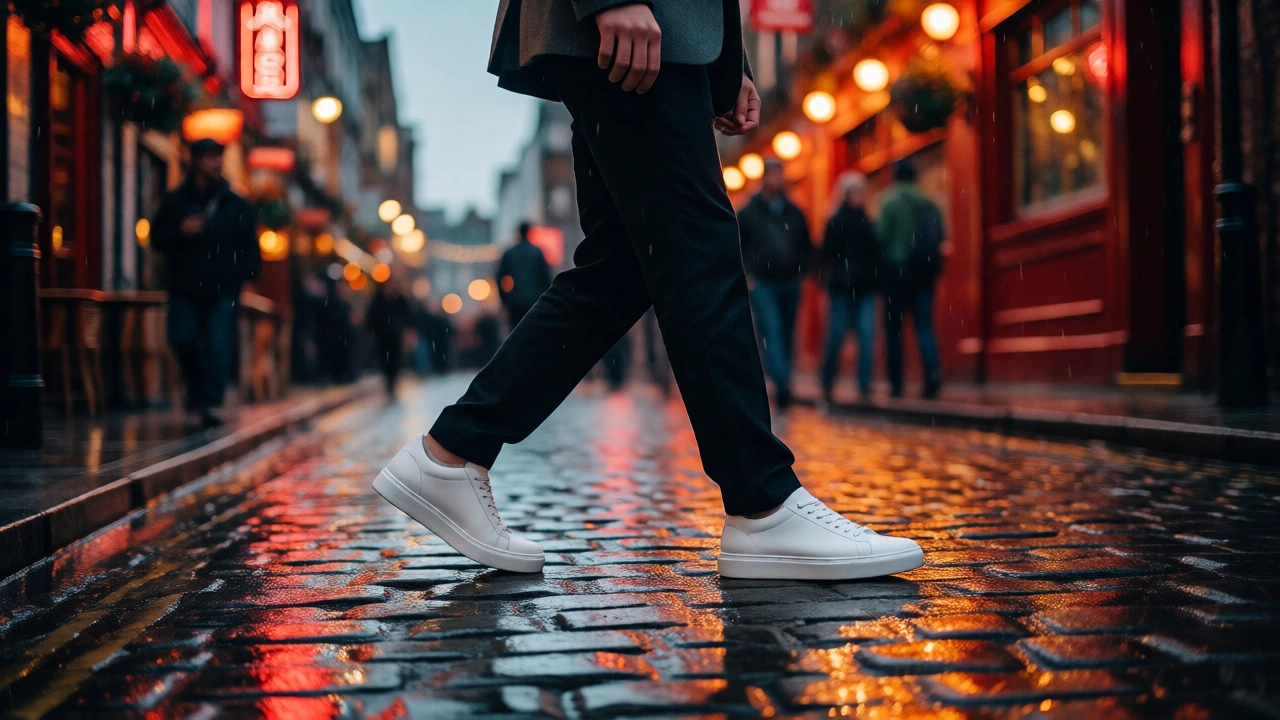
Walk into any pub in Dublin’s Temple Bar district on a Friday night, and you’ll see a sea of clean white trainers paired with jeans or even smart-casual blazers. But if you try to wear those same sneakers to a formal wedding at a castle in Kildare, you might get some side-eye. This brings up a question that puzzles many people in Ireland: Are sneakers considered athletic wear? The answer isn’t a simple yes or no. It depends entirely on the shoe, where you’re wearing it, and what you’re doing.
For decades, the line between gym gear and street style was drawn in thick marker. You wore running shoes for running, and leather oxfords for everything else. Today, that line has blurred into a watercolor wash. In Ireland, where the weather is unpredictable and comfort is king, this shift has happened faster than in many other countries. We need to look at what defines athletic wear, how sneaker technology has changed, and why the Irish approach to footwear is uniquely practical yet stylish.
The Definition of Athletic Wear Has Changed
To understand if sneakers fit the category, we first need to define what athletic wear actually is. Traditionally, athletic wear referred to clothing and footwear designed specifically for physical exercise. Think moisture-wicking fabrics, reinforced soles, and breathable mesh. However, the rise of "athleisure"-a blend of athletics and leisure-has redefined the term. Now, athletic wear includes items designed for performance but worn primarily for comfort and style.
Sneakers sit right in the middle of this definition. Some are pure performance tools; others are lifestyle objects. If you’re wearing a pair of Nike Air Zoom Pegasus to jog along the Grand Canal Dock, they are unequivocally athletic wear. They have features like responsive foam cushioning and engineered mesh uppers designed to handle impact. But if you’re wearing a pair of Adidas Stan Smiths to grab a coffee on Grafton Street, are they athletic wear? Technically, they originated as tennis shoes in the 1960s. Functionally, they are now fashion accessories.
The key distinction lies in intent and construction. Athletic wear prioritizes function over form. It manages sweat, supports movement, and protects the body. Lifestyle sneakers prioritize aesthetics, brand heritage, and everyday comfort. While they share DNA, they serve different masters. In the Irish market, this distinction matters because our social codes often hinge on subtle cues about effort and occasion.
Why Ireland Loves the Hybrid Shoe
Ireland’s geography and climate play a huge role in how we view footwear. Let’s be honest: rain is a constant companion here. Wearing suede loafers or delicate leather heels when there’s a chance of a downpour from Sligo to Cork is a risky business. Sneakers offer durability and protection that traditional dress shoes can’t match. Many Irish workers commute via public transport or walking, making comfortable, sturdy footwear a necessity rather than a luxury.
This practicality has fueled the acceptance of sneakers in semi-formal settings. In Dublin’s tech hubs, like Silicon Docks, the dress code is famously relaxed. A hoodie and clean sneakers are standard attire for senior developers. This cultural shift has spilled over into other sectors. You’ll see solicitors wearing minimalist white sneakers under their suits, blending professionalism with the reality of navigating cobblestone streets or crowded Luas trams.
Furthermore, Irish culture values authenticity and understatement. Flashy, overly polished outfits can sometimes feel pretentious. A well-chosen pair of sneakers signals a grounded, practical attitude. It says, "I’m ready for whatever the day throws at me," which is a very Irish sentiment. This cultural preference accelerates the adoption of hybrid footwear styles across the country.
Decoding the Sneaker Hierarchy
Not all sneakers are created equal. To determine if your pair counts as athletic wear, you need to classify them. Here is a breakdown of common sneaker types found in Irish shops, from Brown Thomas to local boutiques in Galway.
| Sneaker Type | Primary Purpose | Is It Athletic Wear? | Best For |
|---|---|---|---|
| Running Shoes | Performance & Impact Protection | Yes (Strictly) | Gym sessions, jogging in Phoenix Park |
| Lifestyle Sneakers | Fashion & Casual Comfort | No (Mostly Fashion) | Cafes, shopping, casual Fridays |
| Hybrid Trainers | Daily Walking & Light Activity | Gray Area | Commuting, sightseeing, office work |
| Luxury Sneakers | Status & Design | No (Fashion Item) | Night out, events, upscale dining |
Running shoes, such as those from Asics or Brooks, are built with specific biomechanical goals in mind. They have attributes like heel drops, arch support ratings, and weight specifications that matter to runners. These are definitely athletic wear. If you wear them to a board meeting, you’re signaling that you came straight from the gym, or you don’t care about tradition.
Lifestyle sneakers, like Converse Chuck Taylors or Vans Old Skools, have flat soles and canvas uppers. They offer little support for high-impact activity. Wearing these for a marathon would be painful. They are fashion items that happen to have a sporty origin. In Ireland, these are staples for students at Trinity College or University College Dublin. They are durable enough for campus life but not designed for serious athletics.

The Dress Code Reality Check
If you’re wondering whether you can wear sneakers to a specific event, context is everything. In Ireland, social norms vary by region and setting. In rural areas, practicality often overrides fashion rules. If you’re attending a county fair in Clare, sturdy sneakers are perfectly acceptable. In urban centers, the rules are more nuanced.
Consider the workplace. Traditional law firms in Dublin may still expect leather shoes. However, creative agencies, tech startups, and media companies have embraced sneakers. The rule of thumb here is cleanliness and simplicity. A pristine pair of black leather sneakers can pass as smart-casual. A muddy pair of trail runners will not. The material matters too. Leather or high-quality synthetic materials read as more formal than mesh or canvas.
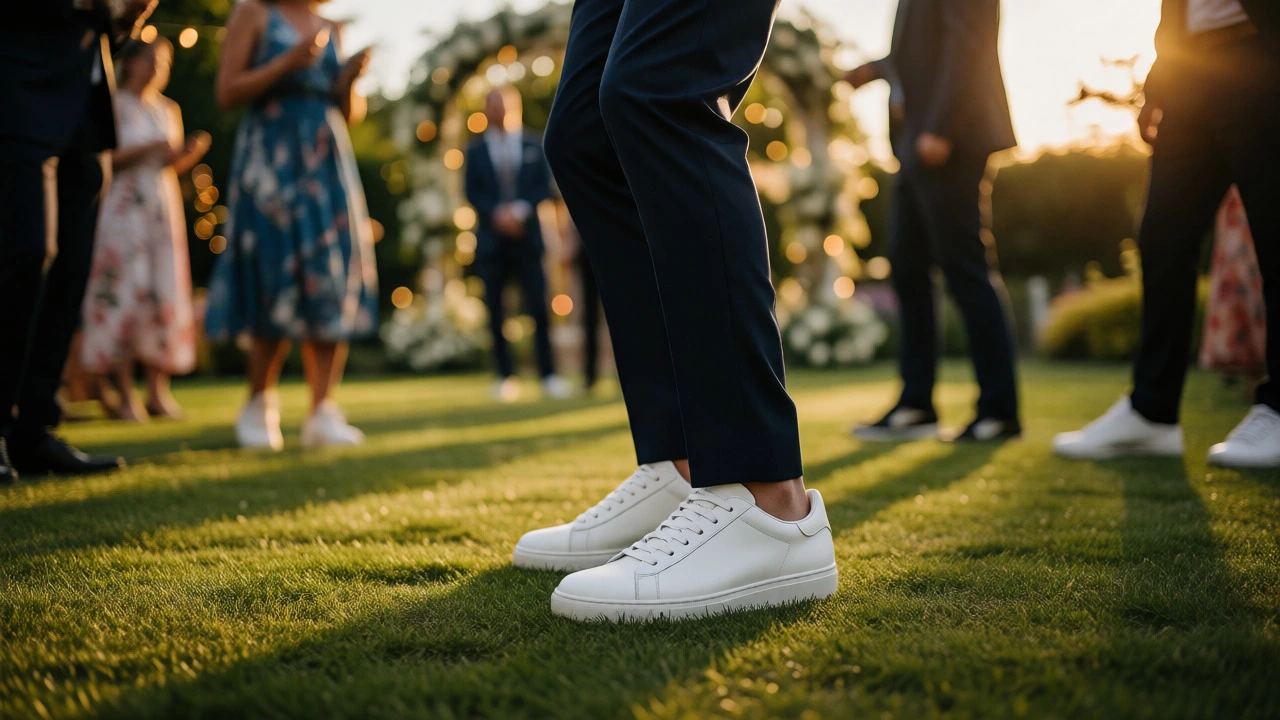
What about weddings? This is the big one. For years, sneakers were a hard no. Today, it’s becoming common for grooms to wear custom sneakers for the reception, especially if they plan to dance until dawn. Guests should check the invitation. If it says "black tie," stick to dress shoes. If it says "semi-formal" or "garden party," clean, minimalist sneakers are increasingly acceptable, particularly in summer months when the weather allows for lighter fabrics.
Irish Brands and Local Preferences
Ireland has a strong history in footwear manufacturing, though much of it has shifted globally. However, local preferences influence what we buy. There’s a noticeable trend towards sustainability and durability among Irish consumers. We prefer shoes that last through multiple seasons of rain and wind. This has boosted the popularity of brands that emphasize robust construction, such as New Balance or Clarks, alongside major athletic giants.
Local Irish designers are also entering the sneaker game. Brands like Niall O’Reilly Footwear focus on combining traditional craftsmanship with modern comfort technologies. These hybrids appeal to the Irish desire for quality without sacrificing style. When you buy locally, you’re often supporting small businesses in cities like Cork, Limerick, and Belfast, which adds a layer of community pride to your wardrobe choices.
Moreover, the resale market for sneakers is booming in Ireland. Platforms like Depop and Vestiaire Collective see high traffic from Irish users looking for rare pairs. This collector mentality treats sneakers as art or investment pieces, further distancing them from the utilitarian label of "athletic wear." For many young Irish adults, owning a limited-edition Jordan release is about status and identity, not just foot health.
How to Style Sneakers in Ireland
If you want to wear sneakers without looking like you forgot to change after the gym, follow these styling tips tailored for the Irish aesthetic:
- Mix Textures: Pair sleek leather sneakers with wool trousers or corduroy jackets. The contrast between rugged fabric and smooth leather elevates the look.
- Keep It Clean: Dirty sneakers are never fashionable in professional settings. Invest in a good cleaning kit. White sneakers must remain white.
- Match the Sock Game: No-show socks create a cleaner line for low-cut sneakers. Patterned socks can add personality if you’re wearing ankle-length pants.
- Consider the Weather: On rainy days, opt for waterproof materials like Gore-Tex versions of popular models. They look identical but keep your feet dry during a drizzle in Wicklow.
Avoid pairing athletic shorts with dress shirts unless you’re aiming for a very specific avant-garde look. Stick to jeans, chinos, or tailored trousers. The goal is balance. If the shoe is casual, make the rest of the outfit slightly more structured. If the outfit is loose and casual, ensure the sneakers are sharp and intentional.
The Future of Footwear Boundaries
As we move further into the 2020s, the distinction between athletic wear and everyday clothing continues to dissolve. Major fashion houses collaborate with sports brands, releasing collections that blur the lines. Balenciaga x Adidas or Louis Vuitton x Nike prove that high fashion craves the comfort of sportswear. In Ireland, this trend aligns with our growing emphasis on work-life balance. We want clothes that transition seamlessly from the office to the pub, from the train station to the hiking trail.
Technology will also drive this change. Smart sneakers with embedded sensors are becoming available, tracking steps and posture while looking like standard shoes. These devices merge data-driven fitness with daily wear, making the "athletic" aspect invisible but present. For the Irish consumer, this means fewer decisions about what to wear based on activity. One pair of advanced hybrid sneakers could potentially handle a morning run, a day at work, and an evening dinner.
So, are sneakers considered athletic wear? Yes, but only if you use them for athletics. Otherwise, they are a versatile component of modern wardrobes, bridging the gap between comfort and style. In Ireland, where practicality meets personality, they have earned their place in almost every closet.
Can I wear sneakers to a wedding in Ireland?
It depends on the dress code. For black-tie weddings, avoid them. For semi-formal or outdoor garden weddings, clean, minimalist leather sneakers are increasingly acceptable, especially for men. Always check with the couple if unsure.
Are running shoes okay for office work in Dublin?
In tech and creative industries, yes. In traditional finance or law firms, probably not. If you do wear them, choose neutral colors and keep them spotless. Avoid bulky, brightly colored performance models.
What is the difference between lifestyle and athletic sneakers?
Athletic sneakers are designed for performance with features like cushioning and breathability. Lifestyle sneakers prioritize design and comfort for daily wear, often lacking the technical support needed for intense exercise.
Which sneaker brands are popular in Ireland?
Nike, Adidas, and New Balance dominate the market. However, sustainable brands and local Irish designers are gaining traction. High-end fashion sneakers from Gucci or Balenciaga are also popular in urban areas like Dublin and Cork.
Do I need waterproof sneakers for living in Ireland?
Highly recommended. Ireland’s frequent rain makes waterproof membranes like Gore-Tex valuable. They allow you to maintain the style of standard sneakers while keeping feet dry during wet commutes.