Find Your Perfect Trainer Type
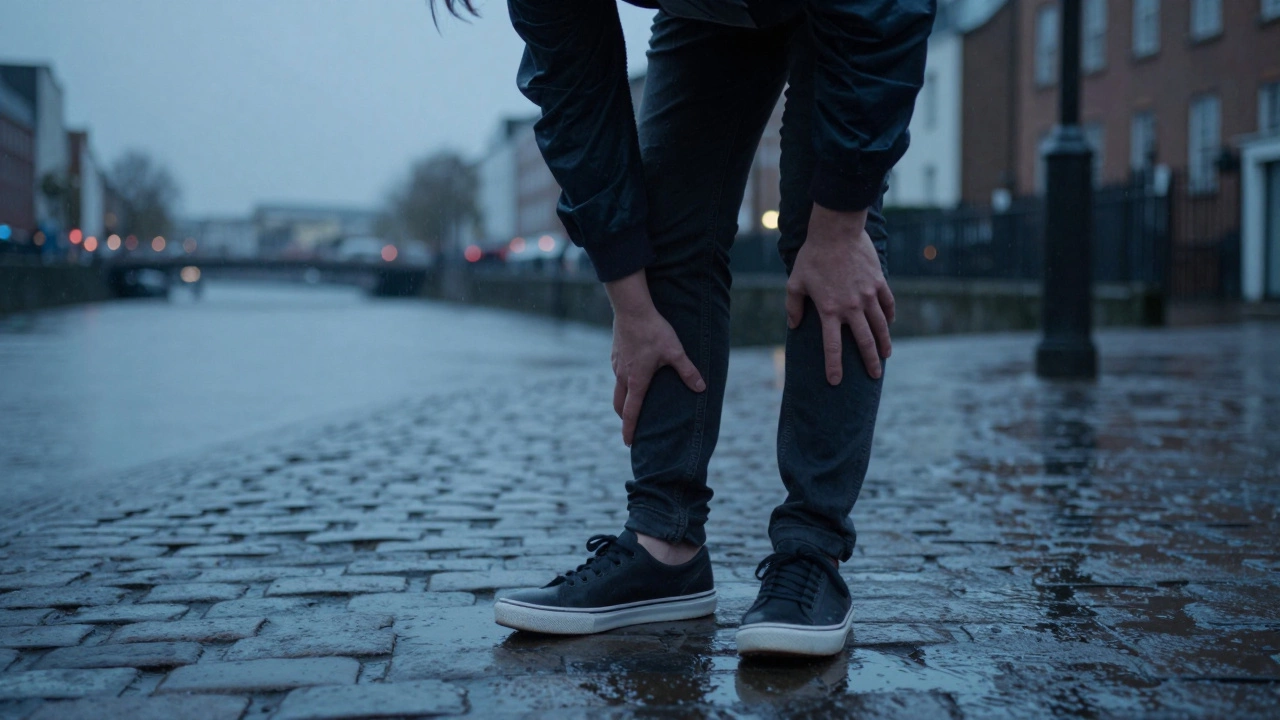
Picture this: it’s a typical Tuesday evening in Dublin. The sky has turned that peculiar shade of slate grey, the rain is coming down sideways off the Liffey, and you’re trying to walk from Grafton Street to your local pub. Your feet are throbbing. Your arches feel like they’ve collapsed into the pavement. You realize too late that those stylish, flat-soled sneakers you bought on a whim aren’t built for the reality of Irish life-uneven cobblestones, wet grass, and endless walking.
We often treat footwear as an afterthought, grabbing whatever looks good with our jeans. But if you live here, or even just visit for a week, your choice of shoe dictates your comfort level significantly. The question isn’t just "what looks cool?" It’s "what will keep me moving comfortably through a drizzle in Galway or a hike up the Cliffs of Moher?" Understanding the four main types of trainers can save your joints, improve your posture, and honestly, make your day-to-day life in Ireland much more enjoyable.
The Landscape of Footwear: Why Type Matters
Before we break down the specific categories, it helps to understand why these distinctions exist. Shoes aren’t one-size-fits-all because human feet aren’t either. We have different foot shapes, different gait patterns (the way we walk or run), and different activities we prioritize. In Ireland, where outdoor activity ranges from casual city strolling to serious trail running in Wicklow, matching the shoe to the task is crucial.
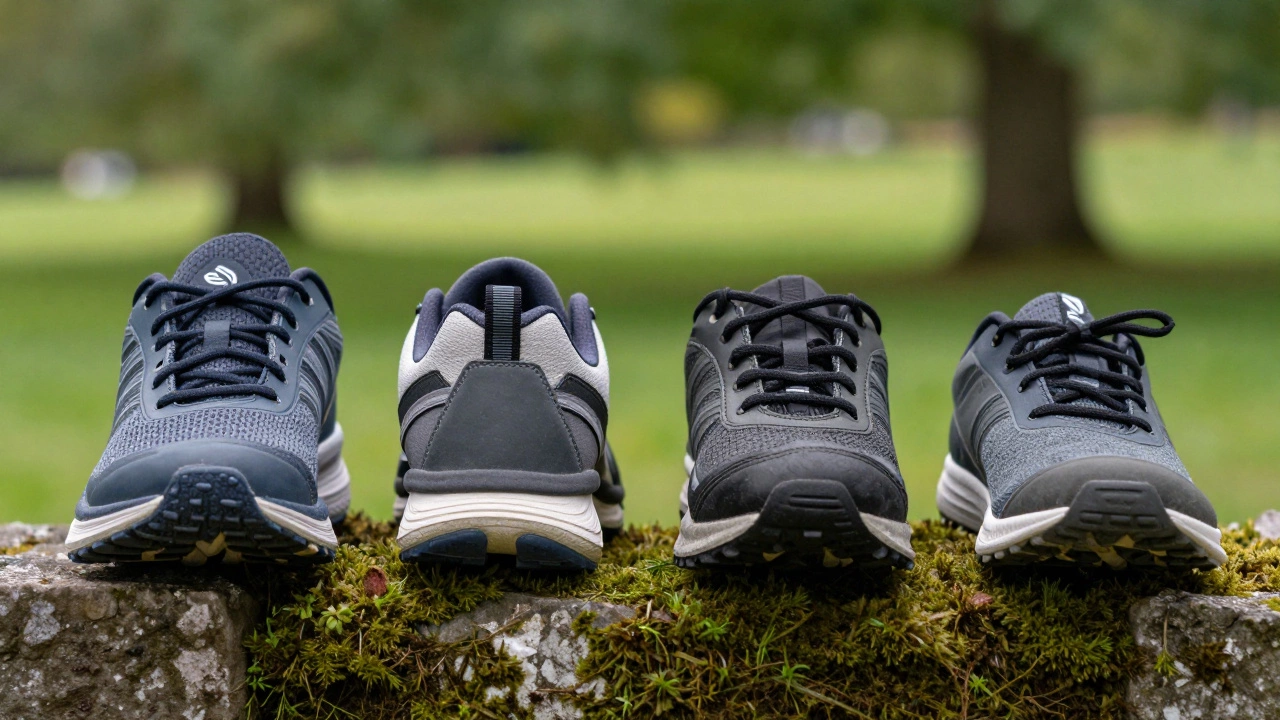
When you walk into a store like JD Sports in Dundrum Town Centre or browse online, you’ll see hundreds of options. They generally fall into four distinct buckets based on their primary function: cushioning, stability, motion control, and neutral/minimalist design. Each serves a specific biomechanical purpose. Ignoring this can lead to common issues like plantar fasciitis, shin splints, or knee pain-complaints I hear constantly from friends who underestimate the impact of poor footwear on their daily commute.
Type 1: Cushioning Trainers (The Comfort Seekers)
Cushioning trainers are shoes designed primarily to absorb shock and provide maximum comfort during high-impact activities. Think of them as the luxury suspension system for your feet.
If you spend most of your time on hard surfaces-like the concrete sidewalks of Cork City or the packed tracks of a local jogging path-these are your best friends. They feature thick midsoles made from soft foams (often EVA or polyurethane) that compress under your weight to reduce the jarring impact on your joints.
Who needs them?
- Runners who log high mileage on roads.
- People with heavier body weights, as extra cushioning helps distribute pressure.
- Anyone who stands all day at work (think retail staff in Temple Bar or nurses in St. James’s Hospital).
The Irish Context:
In Ireland, where winter rains turn paths slick and hard, cushioning also offers a slight buffer against the cold ground. Brands like Brooks and Hoka dominate this space. If you’re planning a long walk along the Howth Cliff Path, a well-cushioned trainer will prevent that bottom-of-the-foot fatigue that usually sets in after mile three. However, be careful: too much cushioning can sometimes make you feel unstable on uneven terrain, so balance is key.
Type 2: Stability Trainers (The Overpronators’ Best Friend)
Stability trainers are footwear engineered to correct overpronation by providing medial support and guiding the foot into a neutral position.
Let’s talk about pronation. When you land while walking or running, your foot naturally rolls inward slightly. This is normal. But many people “overpronate,” meaning their arch collapses too far inward, causing the ankle to roll excessively. This misalignment travels up the leg, potentially causing knee, hip, and even back pain.
Stability shoes address this with a dual-density midsole. The outer part is soft for cushioning, but the inner part (under the arch) is firmer. Some models use a plastic post or a specialized foam structure to physically stop the foot from rolling too far. It’s like having a gentle hand guiding your foot back to center with every step.
Who needs them?
- People with flat feet or low arches.
- Those who notice significant wear on the inside edge of their old shoes.
- Runners who experience knee pain or shin splints regularly.
The Irish Context:
If you’re navigating the steep, slippery streets of Dingle or hiking the rugged trails of Connemara, stability is non-negotiable. Uneven ground exacerbates overpronation. A stability trainer keeps your footing secure when the terrain gets tricky. Look for brands like Asics (their Gel-Kayano line is legendary) or New Balance, which offer robust support systems suited for varied Irish landscapes.
Type 3: Motion Control Trainers (The Heavy Duty Support)
Motion control trainers are the most supportive type of shoe, designed for severe overpronators and heavier individuals to restrict excessive foot movement.
Think of motion control shoes as the heavy-duty trucks of the footwear world. While stability trainers gently guide the foot, motion control trainers actively restrict it. They are built with rigid materials, wide bases, and dense foams to minimize any inward rolling. They don’t flex easily; they’re designed to keep your foot locked in a neutral position no matter what.
Who needs them?
- Severe overpronators with very flat feet.
- Heavier runners or walkers who need maximum structural support.
- Individuals with chronic joint pain linked to foot mechanics.
The Irish Context:
These shoes are less common in casual fashion circles but essential for specific users. If you’re doing the Way of St. Patrick pilgrimage or working long shifts on your feet in a factory in Limerick, and you know you have severe flat feet, skipping motion control could be a recipe for injury. They are heavier and less breathable than other types, so they’re not ideal for hot summer days in Killarney, but for durability and support on long, grueling days, they’re unmatched.
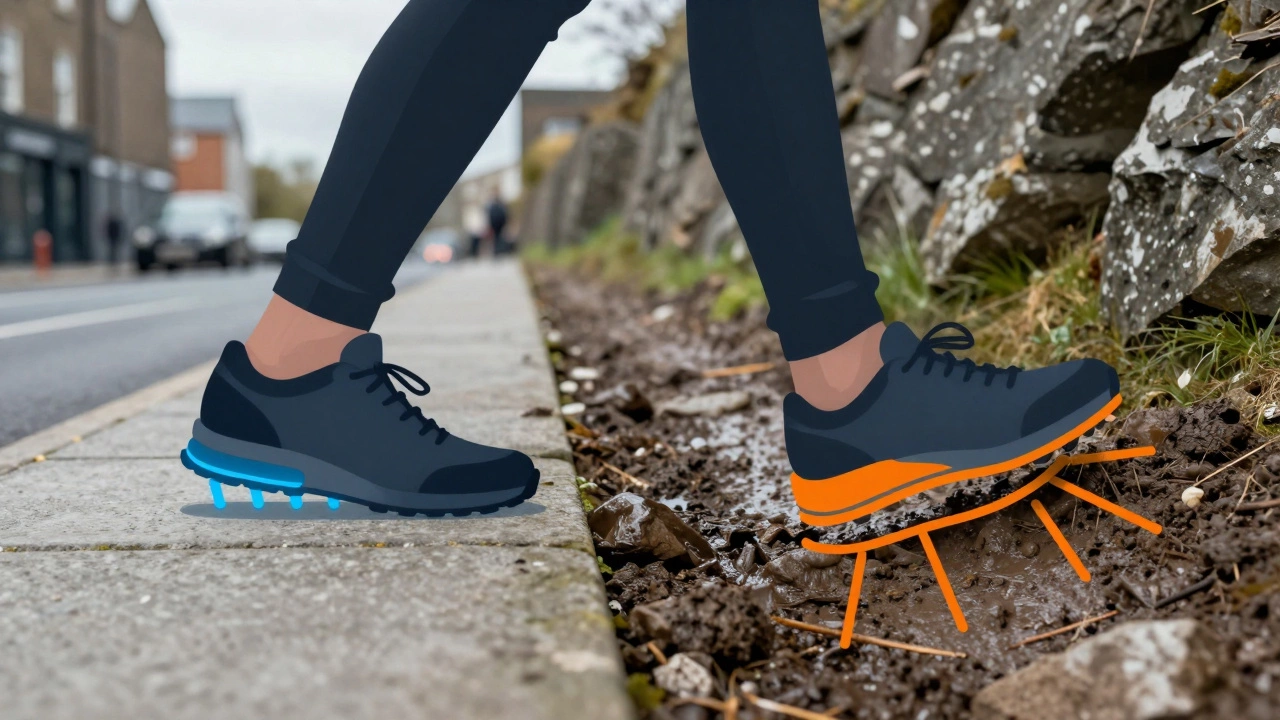
Type 4: Neutral / Minimalist Trainers (The Natural Movers)
Neutral minimalist trainers are lightweight shoes with minimal cushioning and flexibility, designed to mimic barefoot movement and encourage natural foot strength.
This category has grown hugely in popularity over the last decade. The philosophy here is simple: modern shoes do too much. By removing excessive cushioning and heel drops, minimalist shoes force your foot muscles to work harder, strengthening your arches and improving proprioception (your body’s awareness of its position in space).
Who needs them?
- People with high arches who underpronate (supinate).
- Runners looking to improve their form and stride efficiency.
- Those transitioning from heavily cushioned shoes (requires gradual adaptation).
The Irish Context:
Minimalist shoes are great for controlled environments like gym floors or smooth park paths in Phoenix Park. However, tread carefully on Irish terrain. The lack of protection means rocks, roots, and wet mud can quickly become painful obstacles. If you choose this route, opt for a “maximalist” minimalist hybrid-some cushioning but still flexible-or reserve them for dry, predictable surfaces. Brands like Vibram FiveFingers are extreme examples, but more accessible options exist from Nike and Adidas.
| Type | Best For | Key Feature | Ideal Terrain |
|---|---|---|---|
| Cushioning | High impact, hard surfaces | Thick, soft midsole | Roads, pavements |
| Stability | Moderate overpronation | Dual-density foam/post | Mixed urban/nature |
| Motion Control | Severe overpronation, heavy weight | Rigid structure, wide base | Long distances, flat ground |
| Neutral/Minimalist | High arches, natural gait | Flexibility, low drop | Gym, smooth trails |
How to Find Your Perfect Pair in Ireland
Knowing the theory is one thing; finding the right shoe is another. Here’s how to navigate the Irish market effectively.
Visit a Specialist Store: Don’t just buy online without trying them on. Stores like Running Direct in Dublin or local sports shops in Galway and Cork often have gait analysis services. They’ll watch you walk or run on a treadmill and tell you exactly which category fits your biomechanics. It’s worth the €50-€80 investment to avoid buying the wrong pair twice.
Consider the Weather: Ireland’s weather is unpredictable. Even in summer, rain can appear out of nowhere. Look for trainers with waterproof membranes (like Gore-Tex) if you plan to be outdoors frequently. A dry foot is a happy foot, regardless of the trainer type.
Break Them In Gradually: Whether you’re switching to stability shoes or minimalist ones, give your feet time to adjust. Wear them around the house first, then for short walks. Jumping straight into a 10k run in new shoes is a fast track to blisters and soreness.
Replace Regularly: Most trainers lose their effectiveness after 500-800 kilometers. If you’re commuting daily in Dublin, that might mean replacing them every six months. Check the tread and the midsole compression-if they look worn out, toss them.
Can I wear stability trainers for everyday walking?
Absolutely. If you overpronate, wearing stability trainers during daily activities like shopping in Temple Bar or walking the dog in Merrion Square can help prevent long-term joint pain. They provide consistent support throughout the day.
Are minimalist trainers good for beginners?
Not necessarily. Transitioning to minimalist shoes requires strengthening your foot muscles over several months. Beginners should start with neutral cushioned shoes and only move to minimalist options once they have a solid running or walking base.
What is the best brand for Irish weather?
Brands like Salomon and Merrell excel in wet conditions due to their superior grip and waterproof technologies. For road running, Brooks and Asics offer reliable performance in damp, cooler climates typical of Ireland.
How do I know if I overpronate?
Look at the wear pattern on your old shoes. If the inner edge is significantly more worn than the outer edge, you likely overpronate. You can also perform a "wet test" by wetting your foot and stepping on paper; a full footprint indicates flat feet and potential overpronation.
Should I buy trainers half a size up?
Yes, especially for running. Your feet swell during activity. Having about a thumb’s width of space between your longest toe and the end of the shoe prevents black toenails and discomfort, particularly on long hikes in the Wicklow Mountains.