Suit Value Calculator: Cost Per Wear
Enter Suit Details
Enter your details to see the breakdown
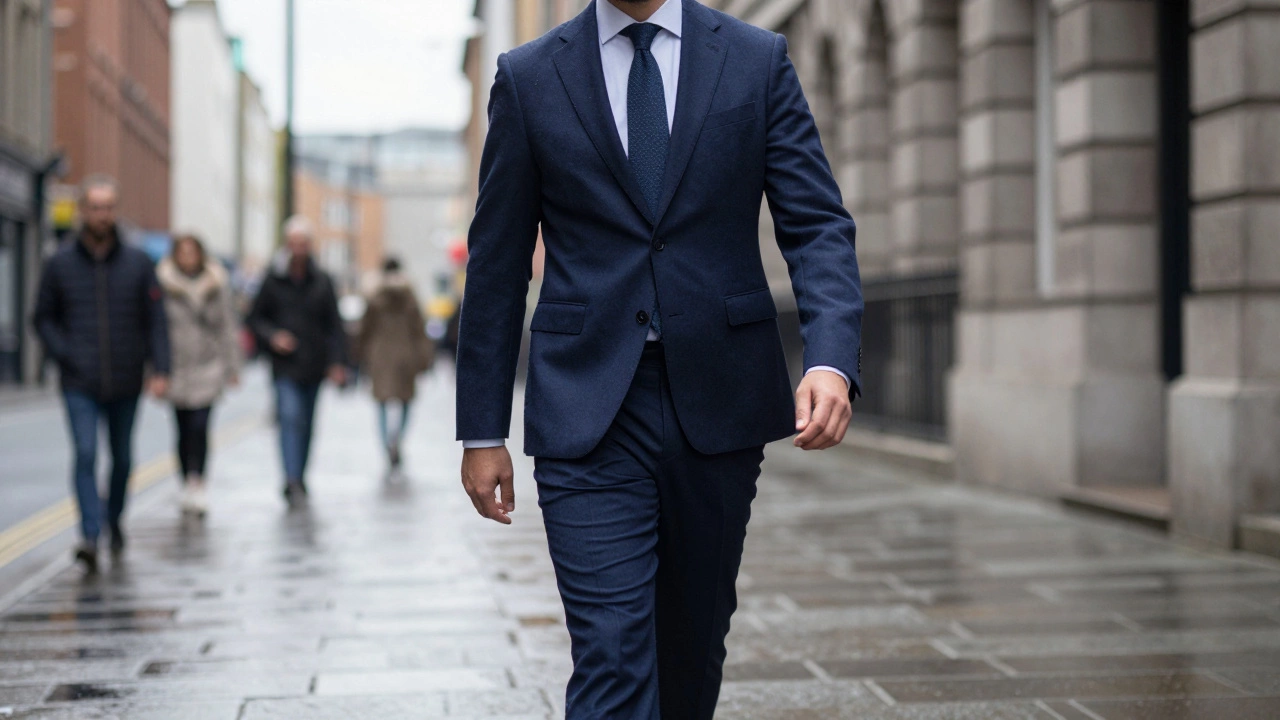
Walking down Grafton Street on a crisp Dublin morning, you can’t help but notice the sharp lines of a well-tailored suit cutting through the damp air. But when you see a price tag that could cover your rent for a week at a boutique in Merrion Square or a heritage shop in Galway, the question hits hard: is it worth buying an expensive suit in Ireland? The answer isn't a simple yes or no. It depends entirely on how you plan to wear it, where you'll be wearing it, and whether you understand the difference between a high street label with a premium markup and genuine craftsmanship.
In the Irish market, we often confuse 'expensive' with 'quality'. A €2,000 suit from a global luxury brand might look stunning in a showroom, but if it’s made from synthetic blends and glued construction, it will pill after two dry cleansings and lose its shape after one wedding reception. True value in menswear comes from materials, construction methods, and fit-not just the logo on the hanger.
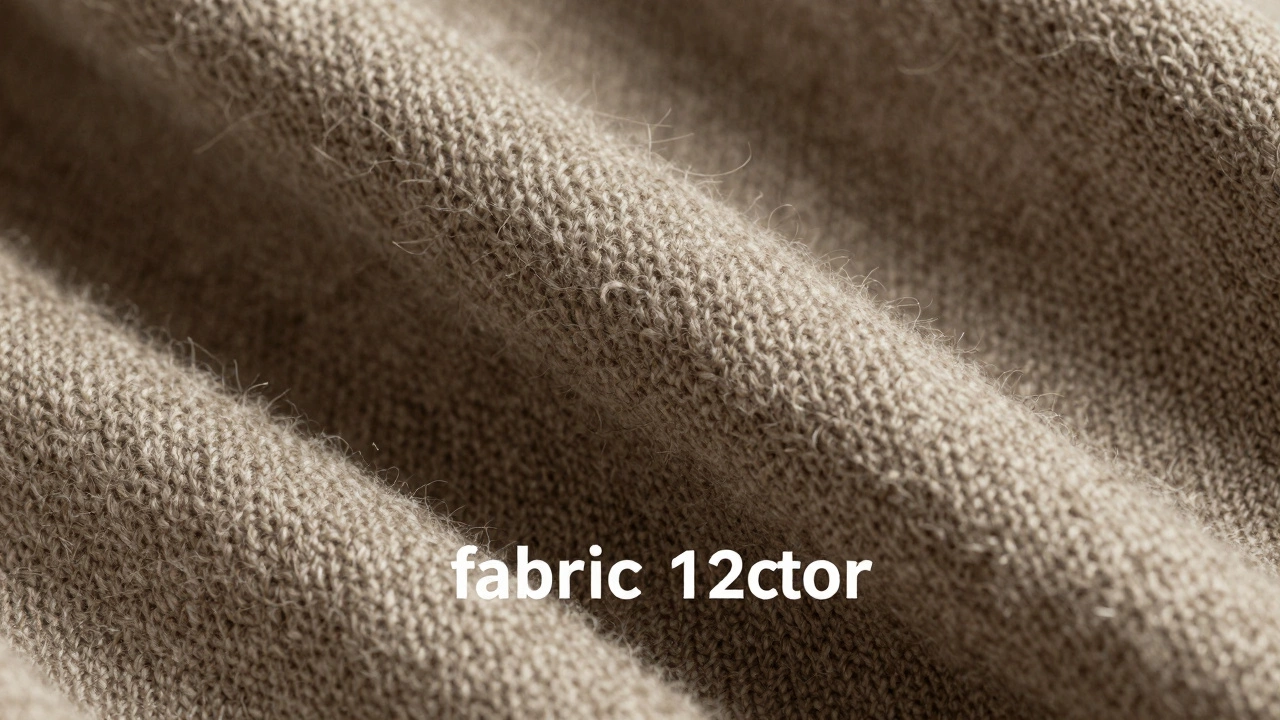
The Fabric Factor: Why Wool Matters More Than You Think
If there is one thing every buyer needs to know before spending big, it’s this: check the label. In Ireland, our climate is notoriously unpredictable. We go from mild springs to sudden, soaking rains in a matter of hours. This makes the choice of fabric critical.
Cheap suits often use polyester or wool-polyester blends. These fabrics trap heat and don’t breathe. Imagine sitting through a long business meeting in a stuffy boardroom in Leopardstown or attending a summer wedding in Kilkenny while sweating through a non-breathable shell. Not ideal. High-quality suits are made from 100% wool, specifically Super 100s to Super 150s wool. This numbering system refers to the fineness of the yarn. Super 100s is durable and perfect for daily wear, while Super 150s is softer but more delicate.
For the Irish context, I recommend sticking to Super 100s or 120s worsted wool. It’s breathable enough for warm spells but substantial enough to handle the chill. Brands like Loro Piana or Zegna source some of the best wool in the world, but you don’t need to buy their finished product to get good wool. Many mid-range retailers in Dublin stock suits made with these same high-grade fabrics. Look for 'British mill' or 'Italian mill' labels; they are usually reliable indicators of quality.
Construction Methods: Fused vs. Canvas
This is where the real cost difference lies, and most people walk right past it. When you hold a suit jacket, feel the chest area. Does it feel stiff and cardboard-like? That’s likely a fused suit. Fusion uses glue to bond the lining to the outer fabric. It’s fast and cheap to produce. However, over time, especially with the humidity changes common in Ireland, that glue can bubble. You’ll end up with unsightly lumps on your lapels after a few years.
A better option is half-canvas construction. Here, a layer of horsehair canvas is stitched between the fabric and the lining. It allows the jacket to move with your body and maintains its shape indefinitely. Full canvas is the gold standard, used in bespoke tailoring, where every part of the front is hand-stitched. If you are investing in an expensive suit, aim for at least half-canvas. Shops like Browne's Tailors in Dublin or independent tailors in Cork specialize in this level of detail. Yes, it costs more upfront, but a half-canvas suit can last ten years or more with proper care, whereas a fused suit might need replacing in three.
The Fit: Off-the-Rack vs. Bespoke
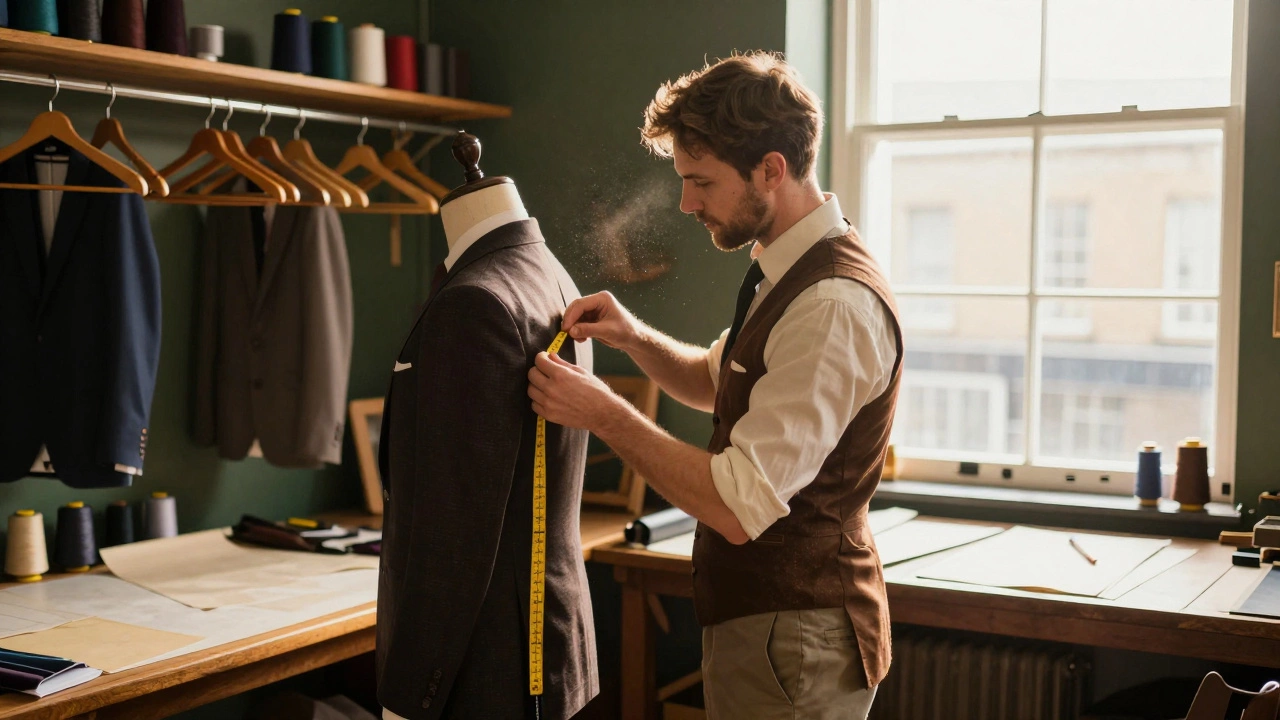
In Ireland, we have a growing culture of appreciation for bespoke tailoring. Cities like Dublin, Galway, and Cork have seen a resurgence in local tailors who offer made-to-measure services. Buying off-the-rack means you are buying a suit designed for an average body type. Unless you happen to match that average perfectly, you will need alterations.
Here is the trap: many people buy a cheap suit and spend half the price again on alterations. It rarely works out. A tailor can take in the waist or shorten the sleeves, but they cannot change the shoulder width or the armhole depth significantly. If the shoulders don’t fit, the whole suit fails.
Made-to-measure (MTM) bridges the gap. You choose a base model, and the tailor adjusts the measurements to your body. It’s not quite as personalized as full bespoke, where a pattern is drafted from scratch, but it offers a superior fit for a fraction of the price. For a professional working in legal or finance sectors in Dublin’s financial district, an MTM suit signals attention to detail. It shows you respect yourself and your clients. The confidence boost from wearing something that fits perfectly is priceless.
Where to Buy: Navigating the Irish Retail Landscape
Shoppers in Ireland have several avenues to explore. High street chains offer convenience but limited quality. Department stores like Brown Thomas in Dublin provide a curated selection of mid-to-high-end brands. They often have tailors on-site, which is a huge plus for quick adjustments.
However, for true value, look beyond the main streets. Independent boutiques in areas like Temple Bar (though pricey) or quieter spots in Rathmines often carry niche European brands that prioritize quality over marketing. Additionally, consider the second-hand market. Dublin has a vibrant vintage scene. Shops in Smithfield or online platforms often list gently used designer suits. A €3,000 suit bought five years ago might be available for €800 today. As long as the fabric is intact and the canvas hasn’t degraded, this is a smart way to access high-quality materials without the new-price premium.
| Option | Price Range (EUR) | Lifespan | Best For |
|---|---|---|---|
| High Street (Fused) | €150 - €400 | 1-2 Years | Occasional events, students |
| Premium RTW (Half-Canvas) | €600 - €1,200 | 5-7 Years | Professionals, frequent wearers |
| Made-to-Measure | €1,000 - €2,500 | 10+ Years | Executives, unique body types |
| Bespoke | €2,500+ | Lifetime | Connoisseurs, special occasions |
Cost Per Wear: The Real Metric of Value
To decide if an expensive suit is worth it, calculate the cost per wear. Let’s say you buy a €2,000 bespoke suit. If you wear it once a month for weddings, interviews, and work events for five years, that’s 60 wears. The cost per wear is €33. Now compare that to a €300 high street suit that pills after six months and looks shabby after 20 wears. That’s €15 per wear, but you’ve spent money twice because you had to replace it. Plus, the psychological cost of looking unkempt.
In Ireland, where social gatherings often involve formal attire-from christenings in rural counties to corporate galas in Phoenix Park-having a reliable, high-quality suit in your wardrobe reduces stress. You grab it, you wear it, you look great. No fiddling with ill-fitting seams.
Maintaining Your Investment
Buying the suit is only half the battle. To protect your investment, you need to care for it properly. Avoid dry cleaning too often; it strips the natural oils from the wool. Instead, spot clean minor stains and air out the suit after wearing. Use wide wooden hangers to maintain the shoulder shape. Store it in a breathable garment bag, not plastic, to prevent moisture buildup-a crucial step in our humid climate.
Finally, build a relationship with a local tailor. Whether it’s replacing a button, shortening trousers as you lose weight, or reblocking the shoulders, regular maintenance extends the life of any suit. In towns like Derry or Waterford, local tailors are often family-run businesses with generations of expertise. Supporting them ensures you get personalized service that big chains simply can’t match.
What is the best fabric for a suit in Ireland?
The best fabric is 100% wool, specifically Super 100s to 120s worsted wool. It breathes well in warmer weather and provides enough warmth for cooler days, making it ideal for Ireland's variable climate.
Is bespoke tailoring available outside of Dublin?
Yes, cities like Cork, Galway, Limerick, and even smaller towns such as Kilkenny and Wexford have skilled tailors offering made-to-measure and bespoke services. It may require more research than in Dublin, but the craftsmanship is often excellent.
How often should I dry clean my suit?
Only when necessary, typically once or twice a year. Frequent dry cleaning damages the fibers. Always air out your suit after wearing and spot clean minor stains instead.
Can I alter a cheap suit to fit like an expensive one?
No. While a tailor can adjust the waist and sleeves, they cannot fix poor shoulder fit or low-quality construction. A cheap suit with bad structure will never look as good as a well-made suit with minor alterations.
Are second-hand designer suits a good option?
Absolutely. If the suit is made from quality wool and has canvas construction, it can offer exceptional value. Check for signs of wear on the elbows and underarms, and ensure the buttons are original or replaced with matching ones.