Leather vs. Synthetic Footwear Scorecard
Select options and click "Analyze Suitability" to see how your choice performs in Irish conditions.
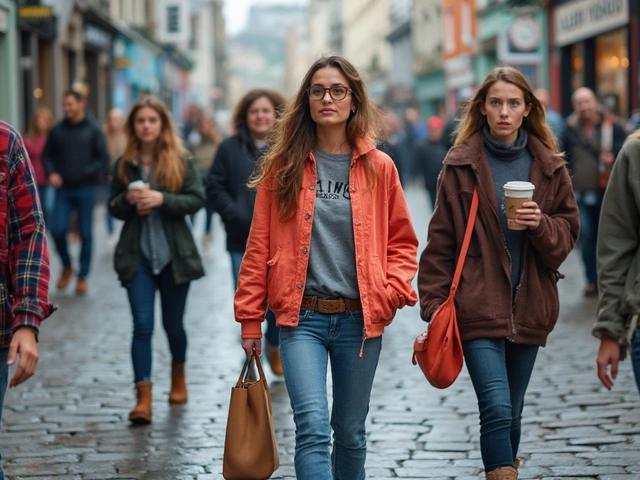
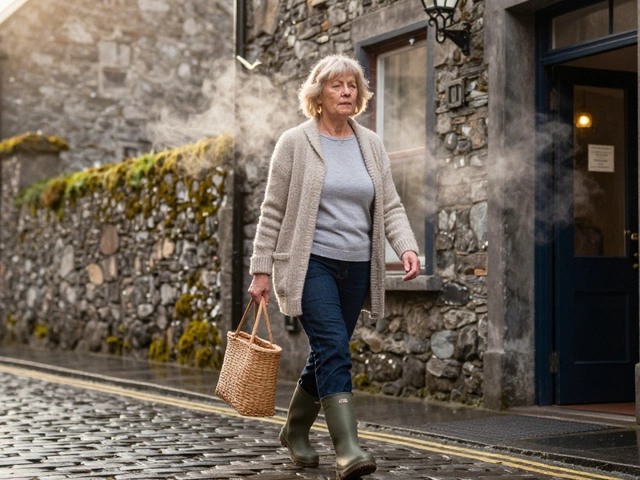
Walking through the narrow, often wet streets of Dublin or hiking the rugged cliffs of Moher requires gear that can handle the elements. If you live here, you know that 'good weather' is a relative term. We deal with rain, wind, and unpredictable ground conditions daily. This brings up a common question among locals and tourists alike: are leather shoes better for feet? The short answer is yes, but only if you choose the right kind and care for them properly. In Ireland, where our feet spend more time on damp cobblestones than dry pavement, the material of your shoe matters just as much as the sole.
The Breathability Factor in a Damp Climate
One of the biggest advantages of genuine leather is its ability to breathe. Unlike synthetic materials like plastic or cheap vinyl, which trap moisture inside, natural leather allows sweat to evaporate. Here in Ireland, where humidity levels are consistently high, this feature is crucial. When your feet stay dry, you significantly reduce the risk of fungal infections like athlete's foot, a common complaint during our long, grey winters.
Think about walking from Grafton Street to Temple Bar in the rain. Your socks might get slightly damp from the outside, but if your shoes are made of full-grain leather, the interior remains relatively dry because the material regulates temperature and moisture. Synthetic shoes, however, act like a sauna. Once they get wet, they stay wet, leading to maceration-where skin becomes soft and white due to prolonged exposure to moisture. This weakens the skin and makes it prone to blisters and infection.
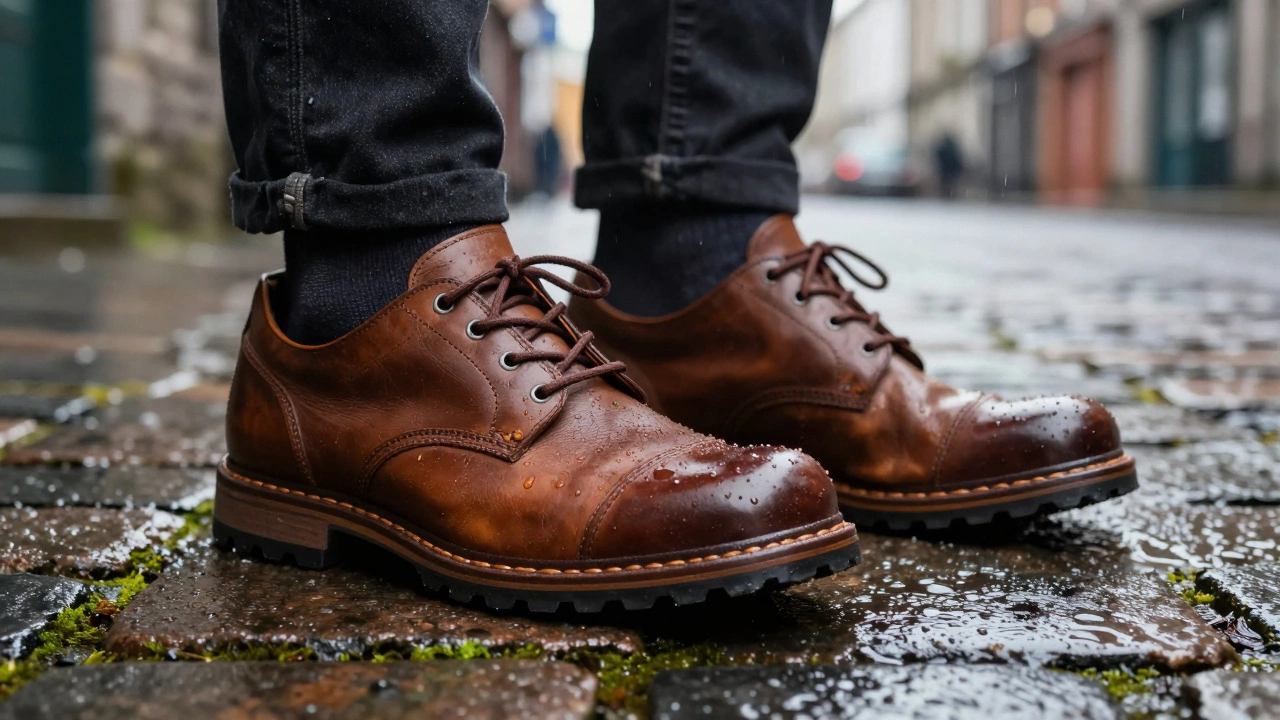
However, not all leather is created equal. Suede, while stylish, absorbs water quickly and loses its shape when wet. For everyday wear in cities like Cork or Galway, smooth leather or treated nubuck is far superior. These materials repel light rain and dry out faster without cracking, keeping your feet comfortable even after a day spent exploring the Guinness Storehouse or wandering through the Phoenix Park.
Moldability and Long-Term Comfort
Leather has a unique property called moldability. Over time, high-quality leather shoes stretch and conform to the specific shape of your foot. This is something rigid synthetic materials simply cannot do. As you walk, the leather softens, creating a custom fit that supports your arches and reduces pressure points.
Consider the average Irish person’s daily routine. Many of us commute by bus or train, standing for extended periods on hard floors. Or perhaps you’re shopping at the Liffey Markets, where you might be on your feet for hours. A pair of well-broken-in leather shoes distributes weight evenly across the foot, reducing fatigue. Synthetic shoes, on the other hand, tend to maintain their original shape, often rubbing against the same spots repeatedly, leading to calluses and pain.
This break-in period is key. New leather shoes might feel stiff initially, but within a few weeks of regular wear, they become second skin. This adaptability is particularly beneficial for people with wider feet or those who suffer from minor structural issues like bunions. The leather gives slightly, accommodating these shapes without causing friction. In contrast, a synthetic shoe will either pinch or slip, offering no compromise.
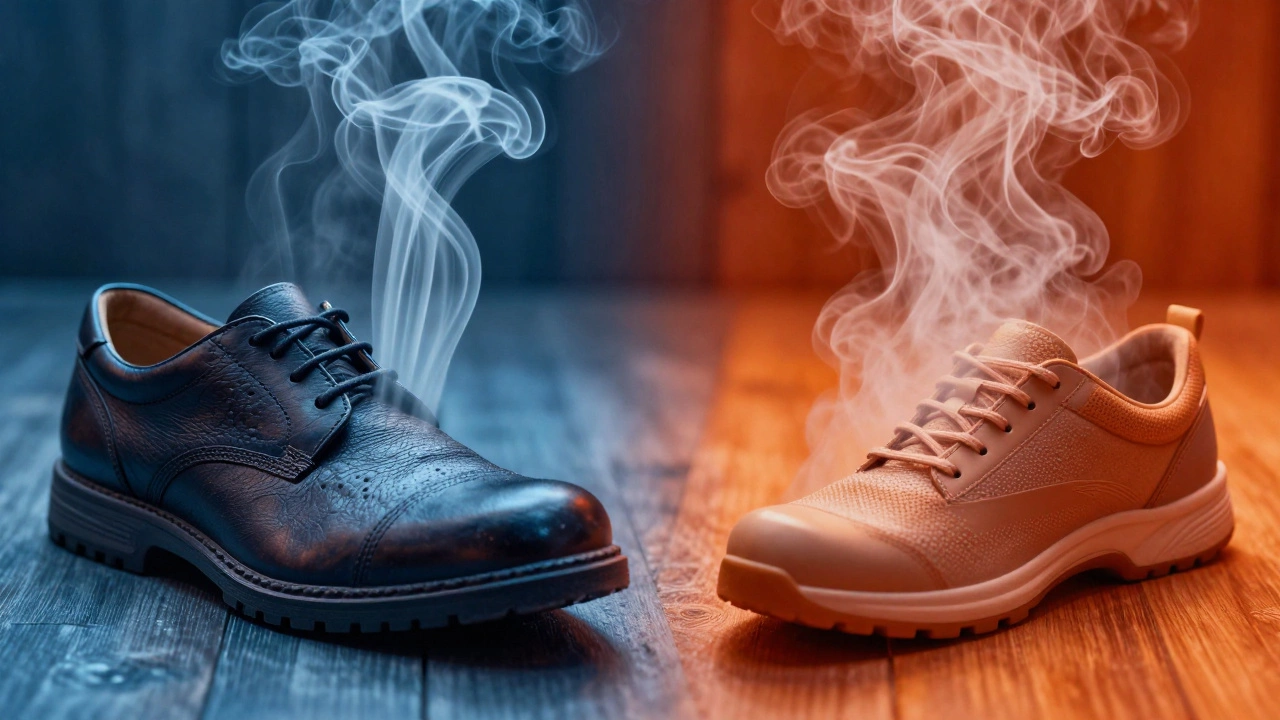
Durability on Irish Terrain
Ireland’s terrain varies dramatically from city centers to rural landscapes. In urban areas like Dublin, you’ll encounter uneven cobblestones, especially in historic districts. In rural areas, paths can be muddy, rocky, or slippery. Leather shoes, particularly those with Goodyear welted soles, offer exceptional durability in these conditions.
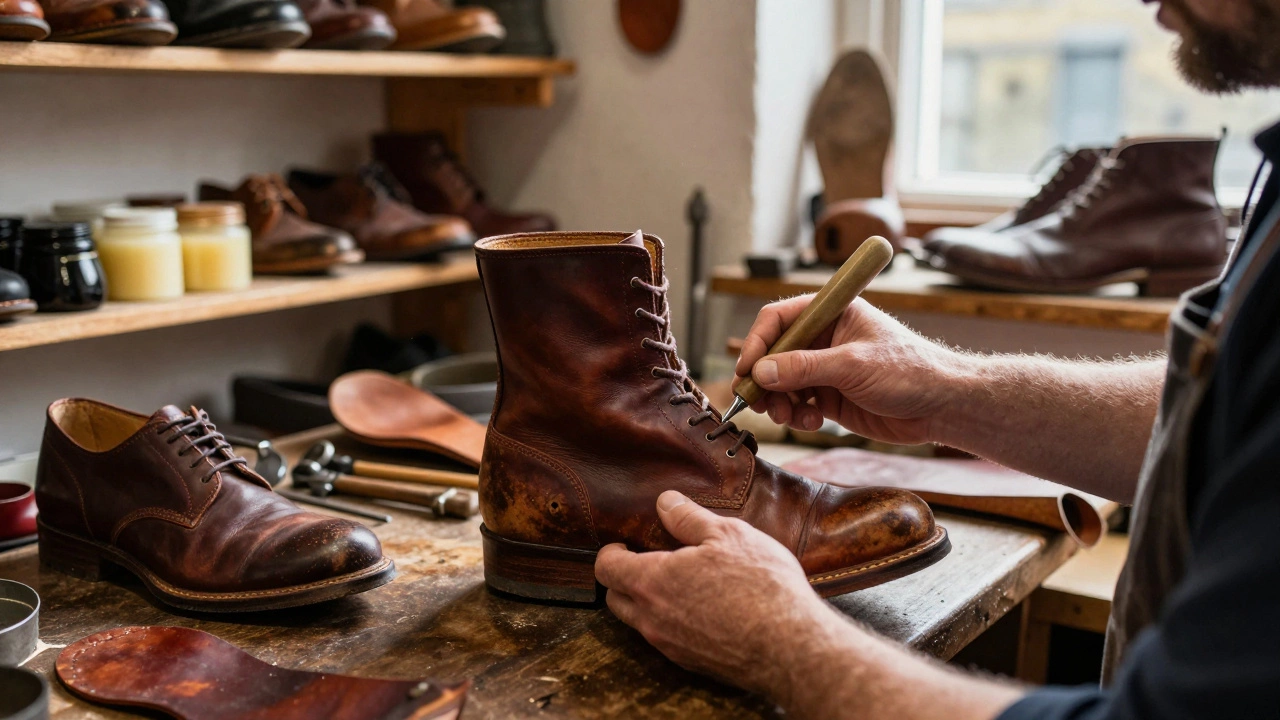
The upper part of a leather shoe resists scuffs and abrasions better than most synthetics. While a synthetic shoe might tear or peel after a rough hike along the Cliffs of Moher, a leather shoe can be repaired. You can take worn soles to a local cobbler, such as those found in Temple Bar or smaller towns like Kilkenny, and have them replaced. This extends the life of the shoe significantly, making it a more sustainable choice over time.
Moreover, leather provides better protection against sharp objects. If you step on a piece of gravel or glass, the thick leather upper acts as a barrier, preventing injury. Synthetic materials are often thinner and more prone to punctures. For anyone who enjoys outdoor activities, from fishing in Killarney to walking the Wild Atlantic Way, this durability is a major safety feature.
Water Resistance and Maintenance
While leather breathes, it is not inherently waterproof. However, it can be treated to resist water effectively. Products like mink oil or beeswax-based conditioners create a hydrophobic layer on the surface, causing rain to bead up and roll off. This is essential for surviving an Irish winter.
To maintain this protection, you need to care for your shoes regularly. After a rainy day, wipe off any mud or salt stains with a damp cloth. Let them air dry naturally, away from direct heat sources like radiators, which can cause the leather to crack. Once dry, apply a conditioner to keep the leather supple. Neglecting this step leads to dry, brittle leather that cracks easily, compromising both comfort and appearance.
In contrast, synthetic shoes often require no maintenance, but they also degrade faster. UV exposure and repeated bending cause plastics to become brittle and discolored. Leather, when cared for, actually improves with age, developing a patina that many find attractive. This aesthetic appeal, combined with functional longevity, makes leather a smarter investment for the Irish climate.
| Feature | Genuine Leather | Synthetic Materials |
|---|---|---|
| Breathability | High (allows moisture escape) | Low (traps sweat) |
| Durability | High (repairable) | Low (disposable) |
| Fit | Molds to foot over time | Rigid, does not change shape |
| Water Resistance | Treatable with wax/oil | Naturally water-resistant but non-breathable |
| Cost Over Time | Higher initial cost, lower long-term | Lower initial cost, higher replacement frequency |
Choosing the Right Leather for Your Lifestyle
Not every leather shoe is suitable for every activity. For formal occasions, such as attending a wedding in a country house or a business meeting in Dublin’s financial district, polished calfskin is ideal. It looks sophisticated and offers decent protection against light rain.
For casual wear or outdoor adventures, consider suede or nubuck treated with waterproofing spray. These materials are softer and more flexible, making them comfortable for long walks. Brands like Clarks, which has strong roots in the UK and Ireland, offer durable leather options designed specifically for variable weather. Local clogs makers also provide excellent support, using traditional techniques that prioritize foot health.
If you work outdoors, such as in agriculture or construction, look for safety boots made of leather with steel toes. These provide impact protection while still allowing some breathability. Avoid purely plastic safety boots unless you are working in extremely wet environments where breathability is less of a concern than waterproofing.
Common Mistakes to Avoid
Even with the best leather shoes, poor habits can lead to foot problems. One common mistake is wearing the same pair every day. Leather needs time to dry out completely between wears. Rotating two or three pairs ensures each pair stays fresh and maintains its shape.
Another error is ignoring proper sizing. Leather stretches, but it shouldn’t stretch excessively. Your heel should sit snugly in the back, with no slipping. There should be enough room in the toe box to wiggle your toes comfortably. Buying shoes too small in hopes they will stretch often leads to blisters and deformities.
Finally, don’t neglect your insoles. Over time, the original insole compresses, losing its cushioning. Replacing it with a supportive orthotic can improve alignment and reduce strain on your knees and back, especially if you spend long hours standing.
Are leather shoes good for walking in the rain?
Yes, if they are treated with a waterproofing agent like mink oil or beeswax. Untreated leather will absorb water, but treated leather repels it, keeping your feet drier than synthetic alternatives that trap moisture inside.
How long does it take for leather shoes to break in?
Typically, it takes 2-4 weeks of regular wear for leather shoes to fully mold to your feet. Start by wearing them for short periods indoors before taking them out for longer walks.
Can I repair my leather shoes locally in Ireland?
Absolutely. Most towns in Ireland have skilled cobblers who can replace soles, heels, and fix stitching. This makes leather shoes a sustainable choice as they can be maintained rather than discarded.
Why do my feet smell more in synthetic shoes?
Synthetic materials do not breathe, trapping sweat and bacteria inside the shoe. Leather allows moisture to evaporate, reducing the buildup of odor-causing bacteria.
Is suede suitable for Irish weather?
Suede is less suitable for heavy rain unless treated with a specialized waterproofing spray. Smooth leather is generally more durable and easier to clean in wet conditions.