T-Shirt Quality Inspector
Adjust the slider to the Grams per Square Meter (GSM) if known, or select your best guess.
Quality Score
Analysis:
- • Adjust the GSM slider to check fabric weight.
- • Tick boxes to verify construction details.
It’s a rainy Tuesday in Dublin, and you’re standing in front of your wardrobe. You pull out that grey t-shirt you bought last summer from a high street store in Grafton Street. It was cheap-maybe €15-but now the collar looks like a ruffled flower, the shoulders have slipped past your elbows, and the fabric feels thinner than a tissue. Meanwhile, the white tee you’ve had for five years still looks crisp, fits perfectly, and hasn’t faded despite countless washes. What gives?
In Ireland, where the weather shifts from sun-drenched days in Galway to sudden downpours in Cork within an hour, we rely on our basics heavily. A high-quality t-shirt isn’t just about looking good; it’s about durability, comfort, and value. But how do you tell if a t-shirt is high quality before you buy it? It’s not just about the price tag or the brand logo. It’s about understanding the materials, the construction, and the little details that make a garment last.
The Fabric Test: Not All Cotton Is Created Equal
When shopping for clothes in Ireland, you’ll see “100% Cotton” everywhere. From Brown Thomas in Dublin to smaller boutiques in Kilkenny, cotton is king. But here’s the catch: not all cotton is the same. If you want a shirt that holds its shape after washing, you need to look at the type of cotton and the weight of the fabric.
Pima Cotton is a premium variety of cotton known for its extra-long staple fibers, resulting in softer, stronger, and more lustrous fabric. This is what you want. Similarly, Supima Cotton is American-grown Pima cotton that meets strict quality standards. These fabrics feel silky against the skin and resist pilling-the annoying little fuzz balls that form on cheaper shirts over time.
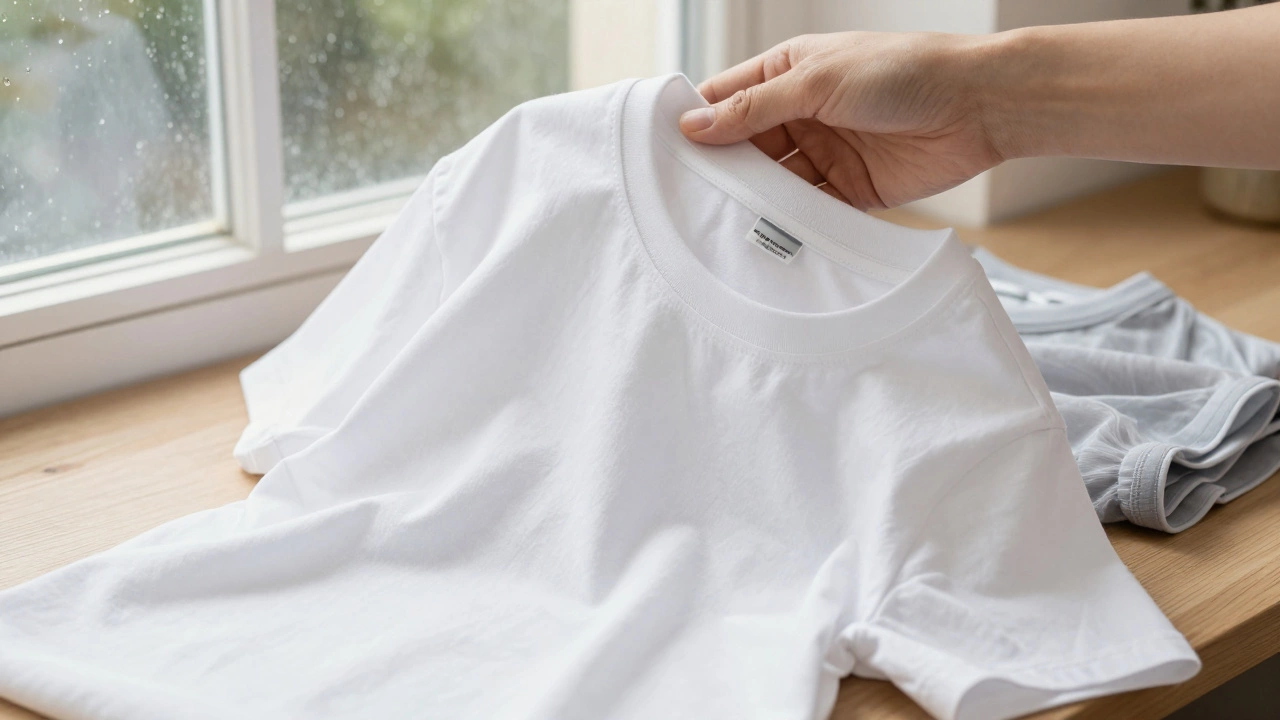
Then there’s the weight. In the textile industry, fabric weight is measured in grams per square meter (GSM). For a t-shirt, you’re looking for a GSM between 180 and 240. Anything below 160 GSM is likely too thin and will become transparent when wet or stretched. Anything above 250 GSM might be too heavy for layering under a jumper during those chilly Irish evenings. Hold the shirt up to the light. If you can see your hand clearly through it, it’s probably too thin. A quality tee should feel substantial but breathable.
- Lightweight (120-160 GSM): Good for hot summers, but often lacks durability.
- Mid-weight (180-220 GSM): The sweet spot for everyday wear. Holds shape well.
- Heavyweight (230+ GSM): Structured and durable, great for standalone wear.
Construction Details That Matter
Fabric is only half the battle. How the shirt is put together determines whether it survives the laundry cycle or falls apart. When you’re browsing racks in a department store like Dunnes Stores or a specialist shop in Temple Bar, flip the shirt inside out. You’re looking for clean seams and sturdy stitching.
Look for French Seams or enclosed seams where the raw edges are hidden inside the stitch. These prevent fraying and add strength. Cheaper shirts often use overlock stitching, which can unravel with rough washing. Also, check the side seams. They should be flat-felled or serged neatly without excess thread hanging loose.
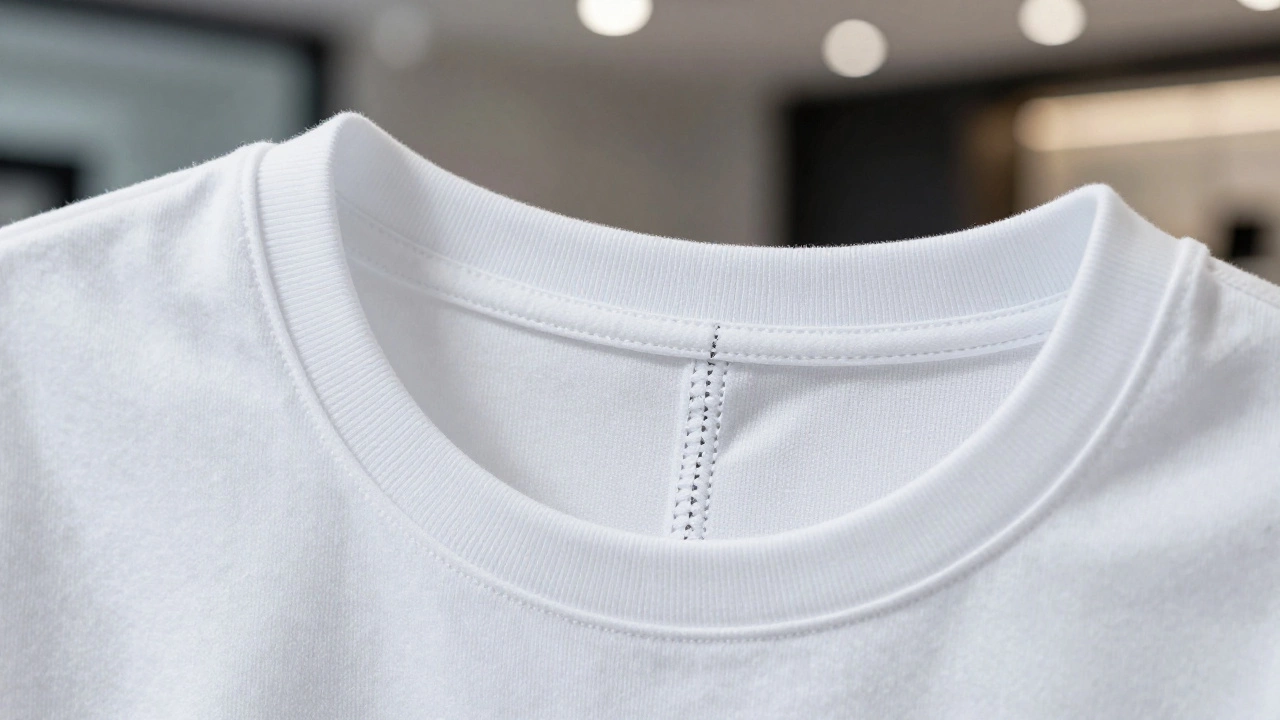
The neckline is the first place a t-shirt fails. A ribbed knit collar made from a blend of cotton and elastane (spandex) provides the stretch needed to get the shirt on and off without losing its shape. However, avoid collars that are purely elasticated rubber bands-they snap back too aggressively and cause wrinkles. Instead, look for a collar that lies flat against your neck even when the shirt is lying on a table. If it rolls up or twists, it’s poorly constructed.
Fit and Silhouette: Beyond the Size Tag
Sizing varies wildly across brands. A medium in one Irish label might be a large in another. High-quality t-shirts are designed with specific silhouettes in mind. Are you looking for a slim fit that tucks into jeans, or a relaxed fit for casual weekends in the countryside?
Pay attention to the shoulder seams. On a well-made shirt, the seam should sit right at the edge of your shoulder bone. If it hangs down your arm, the shirt is too big. If it pulls toward your neck, it’s too small. This is crucial because shoulder width doesn’t change much, unlike waist size. Getting the shoulders right ensures the rest of the shirt drapes correctly.
Also, consider the length. In Ireland, we often layer t-shirts under cardigans, blazers, or hoodies. A shirt that’s too long will bunch up at the waist, creating bulk. Look for a hem that hits around mid-fly of your trousers. For women, check if the hem is curved slightly longer in the back to stay tucked in when sitting-a small detail that makes a big difference in comfort.
Color Fastness and Dye Quality
We’ve all been there: you wash a new black t-shirt with whites, and suddenly your socks are pink. Color bleeding is a sign of poor dye fixation. High-quality garments undergo rigorous colorfastness testing. Brands that care about their reputation invest in dye processes that lock color into the fiber rather than just coating the surface.
If you’re buying a dark-colored shirt, check the inside seams. If there’s excessive dye transfer onto the inner lining or tags, it’s a red flag. Also, read the care label. If it says “Wash Separately” or “Do Not Bleach,” take note. While some caution is normal, a truly high-quality shirt should withstand regular machine washing without fading significantly after 20 cycles.
In Ireland, where water hardness can vary depending on whether you’re in Limerick or Donegal, this matters. Hard water can accelerate fading if the dyes aren’t robust. Look for brands that mention “garment-dyed” techniques. This process involves dyeing the finished shirt rather than the yarn, resulting in richer, more consistent colors that age beautifully with wear.
Sustainability and Ethical Production
Quality isn’t just about physical durability; it’s also about ethical production. In recent years, consumers in Ireland have become increasingly aware of the environmental impact of fast fashion. Buying a high-quality t-shirt often means supporting sustainable practices.
Look for certifications like GOTS (Global Organic Textile Standard) which ensures organic status of textiles from harvesting through environmentally and socially responsible manufacturing. Or Fair Trade Certified which guarantees fair wages and safe working conditions for workers. These labels indicate that the brand cares about the entire lifecycle of the product, from farm to factory.
Supporting local Irish brands can also be a way to ensure higher quality. Many small manufacturers in Ireland prioritize craftsmanship over mass production. They may cost more upfront, but they offer better customer service, repair options, and a reduced carbon footprint due to shorter supply chains.
| Feature | Low Quality | High Quality |
|---|---|---|
| Fabric Weight | Below 160 GSM | 180-240 GSM |
| Cotton Type | Standard Upland Cotton | Pima, Supima, or Egyptian Cotton |
| Seams | Overlock, loose threads | French seams, flat-felled, tight stitching |
| Neckline | Rubbery, rolls easily | Ribbed knit with elastane, lays flat |
| Color Fastness | Bleeds in wash | Retains color after multiple washes |
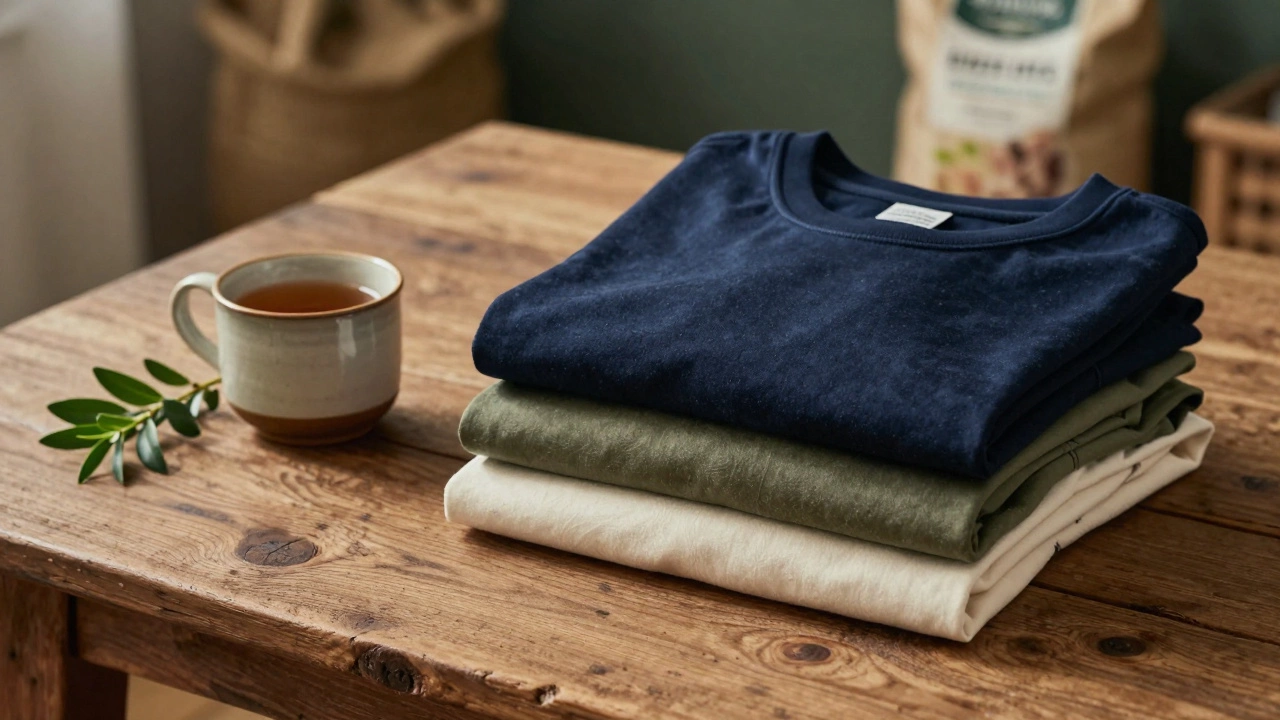
Price vs. Value: Is It Worth It?
A high-quality t-shirt typically costs between €30 and €60. Yes, that’s more than the €10 tees you find in discount stores. But think about cost per wear. If a €10 shirt lasts three washes before falling apart, you’re spending €3.33 per wear. If a €50 shirt lasts two years with weekly wear, that’s roughly €0.50 per wear. Over time, investing in quality saves money and reduces waste.
In Ireland, where consumer awareness is growing, many people are shifting away from fast fashion. Brands like & Other Stories, though international, have strong presence here and offer good mid-range options. Local designers also provide unique, high-quality pieces that reflect Irish style sensibilities.
Maintenance Tips to Extend Lifespan
Even the best t-shirt will degrade if treated poorly. To keep your high-quality tees looking new:
- Wash Inside Out: This protects the outer fabric from friction and fading.
- Use Cold Water: Hot water shrinks cotton and breaks down fibers.
- Avoid Dryers: Air dry whenever possible. Heat damages elastane in the collar and causes shrinkage.
- Store Properly: Fold instead of hang to prevent stretching, especially for heavier knits.
By following these simple steps, you can extend the life of your wardrobe staples significantly.
What is the best fabric for a high-quality t-shirt?
Pima or Supima cotton is considered the gold standard due to its long staple fibers, which create softer, stronger, and more durable fabric compared to standard cotton.
How can I tell if a t-shirt will shrink?
Check if the shirt is pre-shrunk. Most quality brands pre-shrink their cotton. Additionally, washing in cold water and air drying minimizes shrinkage regardless of the fabric.
Why do cheap t-shirts pill so quickly?
Cheap t-shirts often use short-staple cotton fibers that break easily during washing and wearing. These broken fibers tangle together to form pills. Long-staple cottons like Pima resist this process.
Is expensive always better for t-shirts?
Not necessarily. Price reflects brand markup, marketing, and retail location as much as quality. Focus on fabric content, construction details, and fit rather than just the price tag.
Where can I buy high-quality t-shirts in Ireland?
You can find high-quality options at department stores like Brown Thomas, specialist retailers in city centers, and online platforms offering sustainable brands. Local Irish designers also offer excellent craftsmanship.