Coat Sitting Technique Finder
1. Select Your Coat Style
2. Where Are You Sitting?
Select your coat and location to receive a professional recommendation.
The Quick Summary: How to Handle Your Coat
- The Unbutton Method: Always undo the main buttons to let the fabric flare.
- The Sweep: Gently push the back of the coat forward or to the side before your backside hits the seat.
- The Fold: For very long coats, create a small fold at the waist to prevent dragging.
- The Drape: When in doubt, take it off and hang it, especially in high-humidity Irish weather.
The Golden Rule: Always Unbutton First
If you try to sit down while your coat is buttoned tight, you're essentially creating a vacuum of fabric. The material will bunch up around your midsection, pushing the collar into your neck and making you look like a stuffed sausage. This is particularly true if you're wearing a double-breasted style. By undoing the buttons, you allow the coat to naturally slide back and open up, which prevents the fabric from pulling tight across your shoulders.
Think of it like this: your coat needs room to move. When you sit in a tight space, like a crowded carriage on the DART, unbuttoning ensures you aren't accidentally pulling the person next to you closer every time you shift your weight. It also prevents the buttons from putting unnecessary stress on the stitching, which is a lifesaver if you're wearing a vintage piece found in a thrift shop in Temple Bar.
Managing the 'Tail' to Avoid the Wet Floor
In Ireland, the floor is rarely truly dry. Between the mist and the occasional torrential downpour, the bottom hem of your coat is a magnet for grime. If you simply sit back, the tail of your coat will likely fold underneath you or, worse, drag across the floor as you descend. This is how you end up with a brown line of street sludge on your favorite beige trench.
The trick is the "Sweep and Sit." As you begin to lower yourself into the chair, use your hands to gently sweep the back of the coat forward or slightly to the side. You want the fabric to stay above the floor level. If you're sitting in a plush armchair in a hotel lobby, you can let the coat drape over the sides, but in a pub or a fast-food joint, you want to keep that hem clear of the ground. If the coat is exceptionally long-reaching your ankles-you might even consider a slight lift and tuck, folding the back portion over your lap once you've seated yourself.
| Coat Type | Best Method | Key Risk | Ideal Scenario |
|---|---|---|---|
| Trench Coat | Unbutton & Sweep | Water stains on hem | Commuting in rainy Dublin |
| Wool Overcoat | The Rear-Slide | Fabric bunching/creasing | Formal business meetings |
| Maxi Coat/Cape | The Lap-Fold | Tripping while sitting | Winter walks in Killarney |
Dealing with Heavy Fabrics and Bulk
Wool is fantastic for keeping out the chill in Galway, but it has a tendency to hold its shape-sometimes too much. When you sit in a heavy Wool Overcoat, the thickness of the fabric can actually lift you off the seat, making you feel like you're balancing on a pillow. To fix this, shift your weight slightly forward as you sit. This allows the bulk of the fabric to settle behind you rather than being compressed directly under your glutes.
If you're wearing multiple layers-perhaps a jumper and a blazer under your coat-the bulk increases. In this case, the "Slight Lean" is your best friend. Lean forward to engage your core, sweep the coat back, and then lower yourself. This prevents the "bubble effect" where the coat balloons out in front of you, which can be awkward if you're trying to eat a scone at a local café.
The Social Etiquette of the Coat in Public Spaces
There is a cultural nuance to wearing long coats in Irish public spaces. In a crowded pub during a match, a long coat draped over the back of a chair often ends up on the floor or gets snagged by someone walking past. If the venue is cramped, the most polite thing to do is take the coat off entirely. Not only does this prevent the fabric from getting dirty, but it also stops you from accidentally hitting people with your hem when you move.
However, if you're in a more formal setting, like a theater or a high-end restaurant, you can use the "Sling Method." Once seated, take the coat off and drape it carefully over your arm or a designated coat rack. If you must keep it on, ensure the fabric isn't encroaching on your neighbor's personal space. A coat that spreads across three seats is a quick way to make people grumpy in a small city like Cork.
When to Just Take It Off
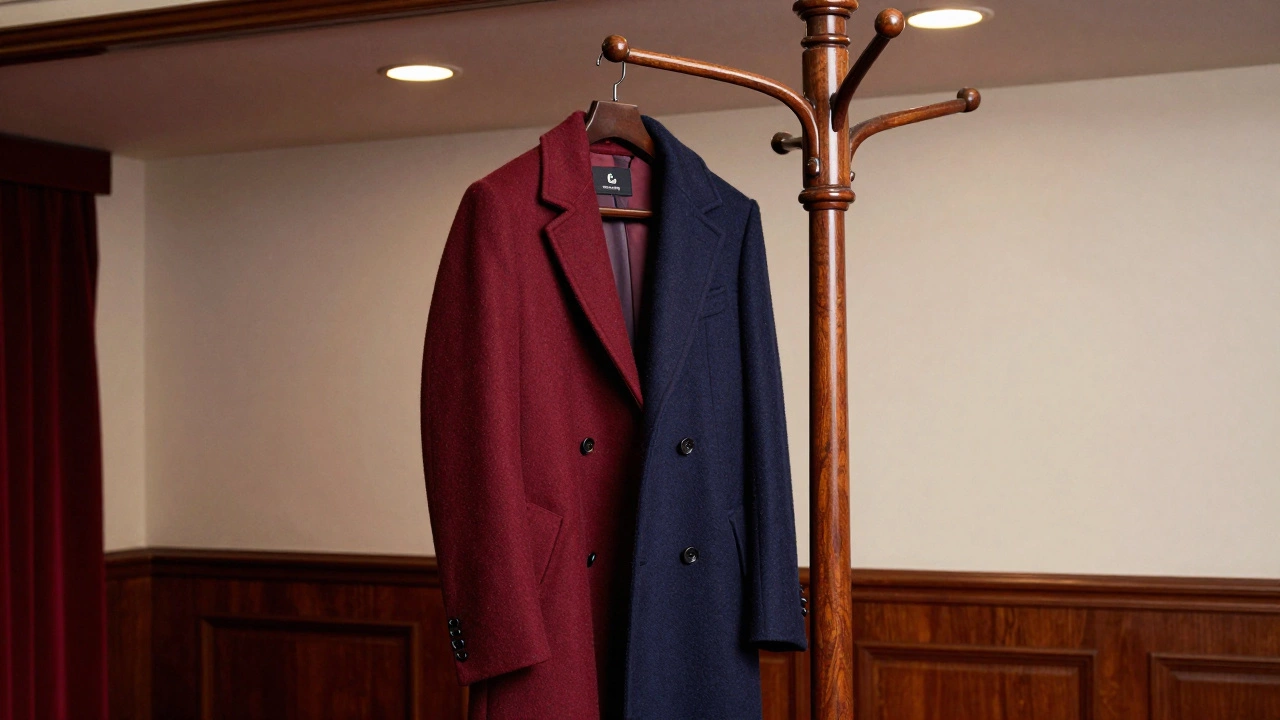
Let's be real: some coats are just too long to sit in comfortably. If you're wearing a full-length duster or a heavy winter cloak, fighting with the fabric is a losing battle. The moment you enter a building, check for a cloakroom or a sturdy hook. If those aren't available, folding the coat over your lap is a decent temporary solution, but it can lead to deep creases in the fabric.
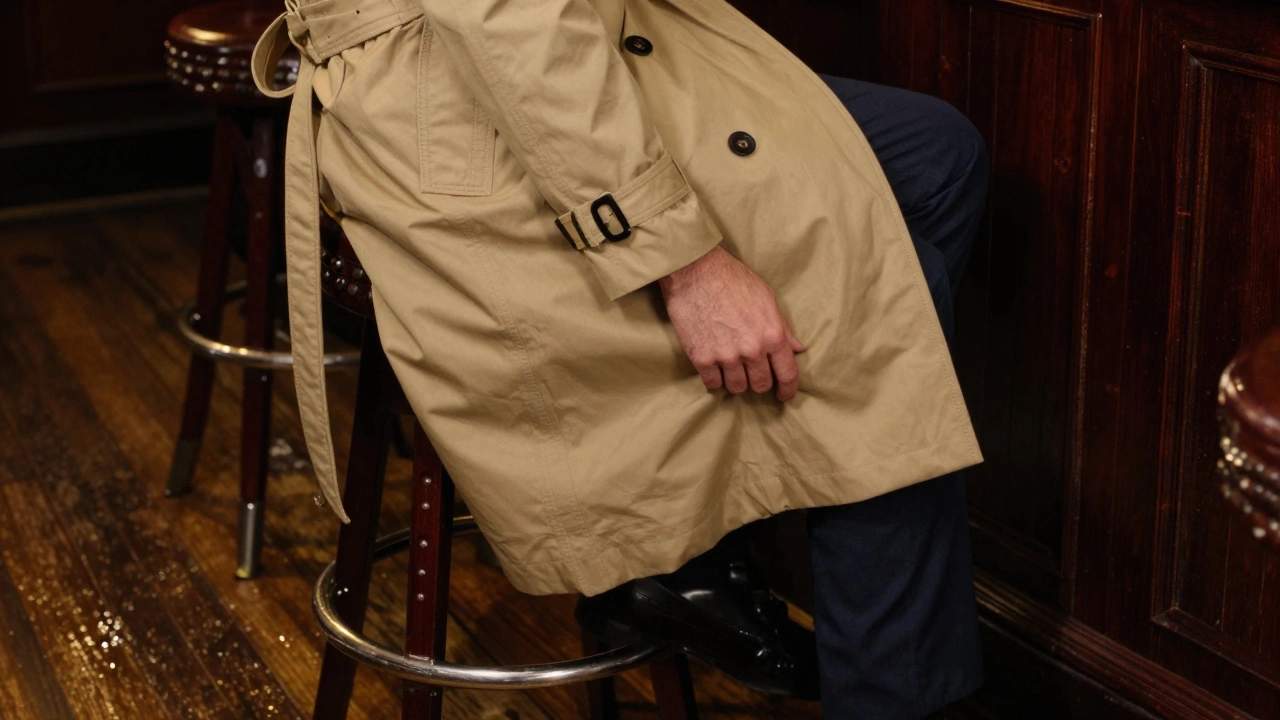
For those who prefer to keep their coat on for a quick stop, avoid sitting in low-slung lounge chairs. These chairs swallow the coat, making it nearly impossible to stand up without a struggle. Stick to upright chairs or stools where you have more control over how the fabric falls. If you're at a pub with high stools, the "Sweep" is even more critical because the distance from the seat to the floor is greater, meaning your coat has more room to hang without touching the ground.
Will sitting in my long coat cause permanent creases?
Yes, especially with heavy wool or linen. If the fabric bunches up under you, the heat from your body can "set" those creases. To avoid this, always unbutton the coat and sweep the fabric away from your seat before sitting down.
How do I stop my coat from dragging on the floor when I sit?
Use the "Sweep and Sit" technique. As you lower yourself, use your hand to push the back of the coat forward or to the side. For very long coats, you can also lift the hem slightly and place it across your lap once you are seated.
Is it rude to keep a long coat on while sitting in a restaurant?
In a casual setting, it's usually fine. However, in a crowded or formal environment, it's better to remove it. A large coat can take up extra space and potentially interfere with the service or other guests.
What is the best way to handle a trench coat in a car?
Trench coats can be slippery. When getting into a car, pull the coat forward toward your knees as you sit, then gently tuck the excess fabric to the side. This prevents the coat from getting caught in the door or bunching up behind your back, which can be uncomfortable for long drives.
How can I clean the bottom of my coat after it's touched a wet floor?
Wait for the mud to dry completely before attempting to remove it. Use a soft-bristled brush to flick away dried dirt. For stubborn stains on wool, a damp cloth with a tiny bit of mild detergent works, but for a high-quality overcoat, a professional dry cleaner is the safest bet to avoid ruining the fabric.
Next Steps for Coat Care
Once you've mastered the sit, you need to worry about the aftermath. If you've spent an hour sitting in a cramped space, your coat likely has some wrinkles. A quick shake-out once you're back in the fresh air often helps. If the creases are stubborn, a handheld steamer is a great investment for anyone living in a damp climate like Ireland, as it refreshes the fabric without needing a full dry clean.
For those who frequently commute, consider investing in a coat with a slightly tapered waist. This reduces the amount of excess fabric that bunches up when you sit, making the "Sweep and Sit" method even easier. Also, remember to check your hem regularly; a quick trip to a local tailor to get the length adjusted by just an inch can be the difference between a clean coat and one that acts like a mop for the streets of Dublin.