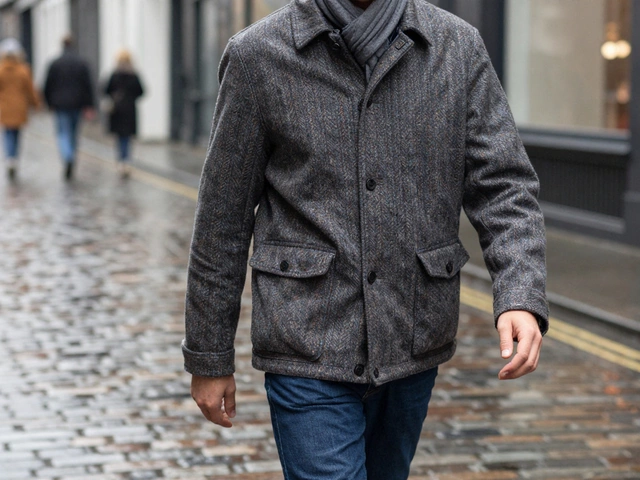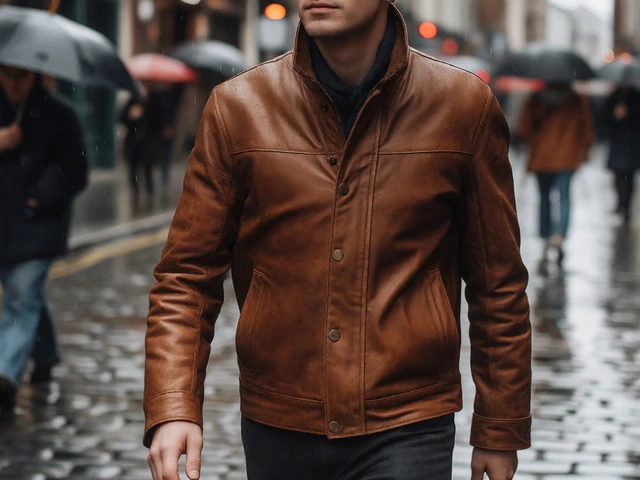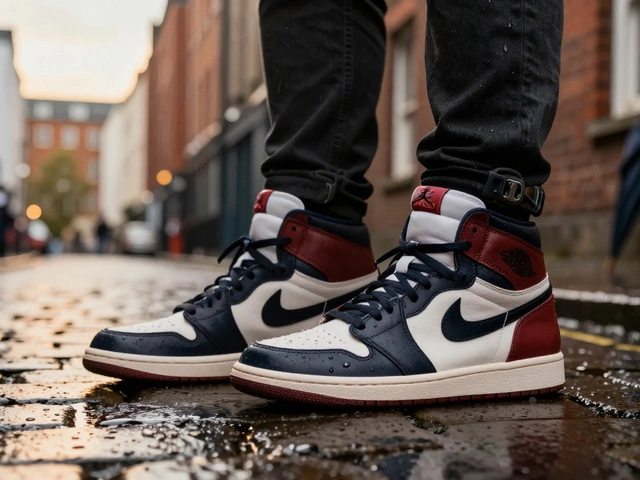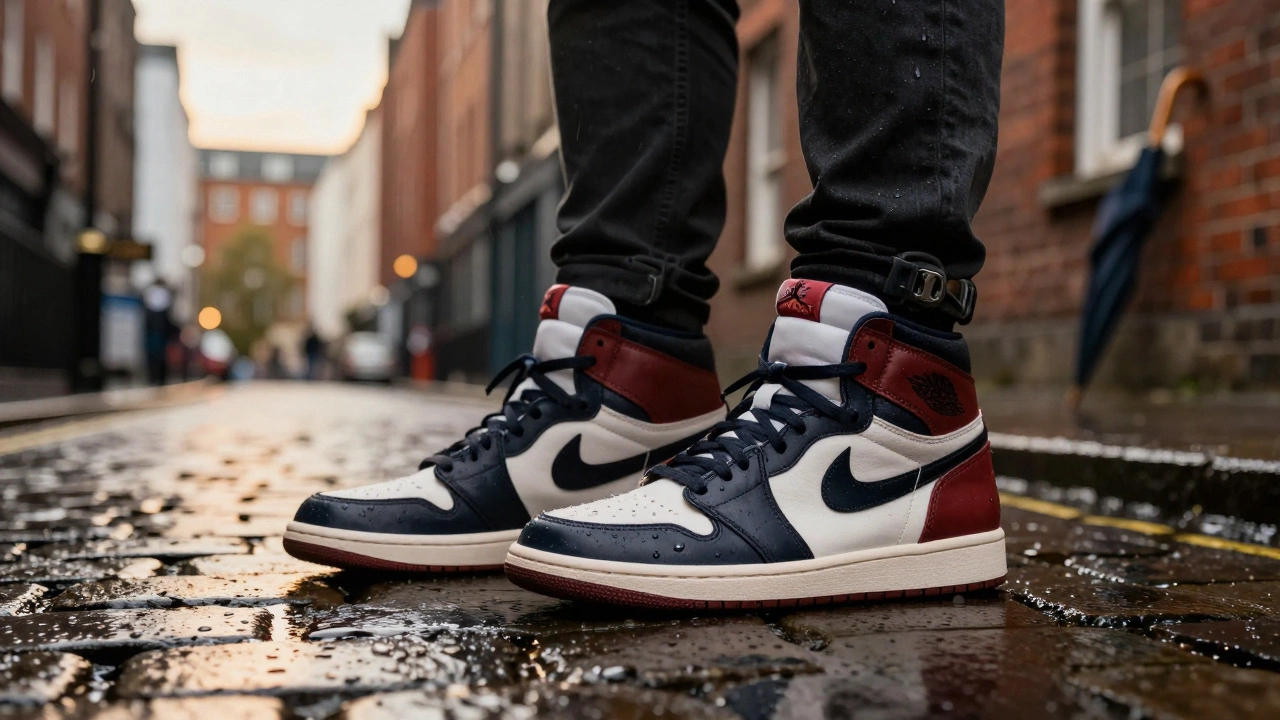
In Ireland, where rain is a daily companion and puddles form faster than you can say "top of the morning," your shoes don’t just need to look good-they need to survive. That’s why so many Irish shoppers, whether they’re heading to work in Dublin’s Temple Bar, walking the Cliffs of Moher, or heading out for a pint in Galway, ask: Are Air Jordans made of leather? The answer isn’t simple, and it matters more here than you might think.
Not All Air Jordans Are the Same
Air Jordans aren’t one shoe. They’re a family-over 30 main models, hundreds of colorways, and dozens of materials used across them. Some are built with full-grain leather, others with synthetic mesh, and some mix both. The original Air Jordan I from 1985? That was leather. Thick, smooth, and stiff. It was made to look sharp on the court and stand up to Chicago winters. But today? A lot of newer models, especially the Air Jordan 1 Low or the Air Jordan 4 Retro in "University Blue," use synthetic materials to cut weight and cost.
So if you’re buying in Ireland-whether it’s from a store on Grafton Street, online from a Dublin-based retailer like Foot Locker Ireland, or secondhand from a Cork vintage shop-you need to check the product details. Look for "premium leather," "full-grain leather," or "nubuck." If it just says "synthetic upper" or "textile," it’s not leather. And in a country where damp conditions can turn cheap synthetics into soggy, smelly messes by mid-March, that distinction matters.
Why Leather Matters in Ireland’s Climate
Leather breathes. It adapts. It doesn’t trap moisture like plastic-based synthetics do. In a place like Ireland, where you might walk through rain, fog, and wet grass in the same morning, leather helps your feet stay drier longer. Real leather also develops a patina-the natural darkening and softening that happens over time. That’s why you’ll see older Irish runners wearing their well-loved Air Jordans like badges of honor, not just sneakers.
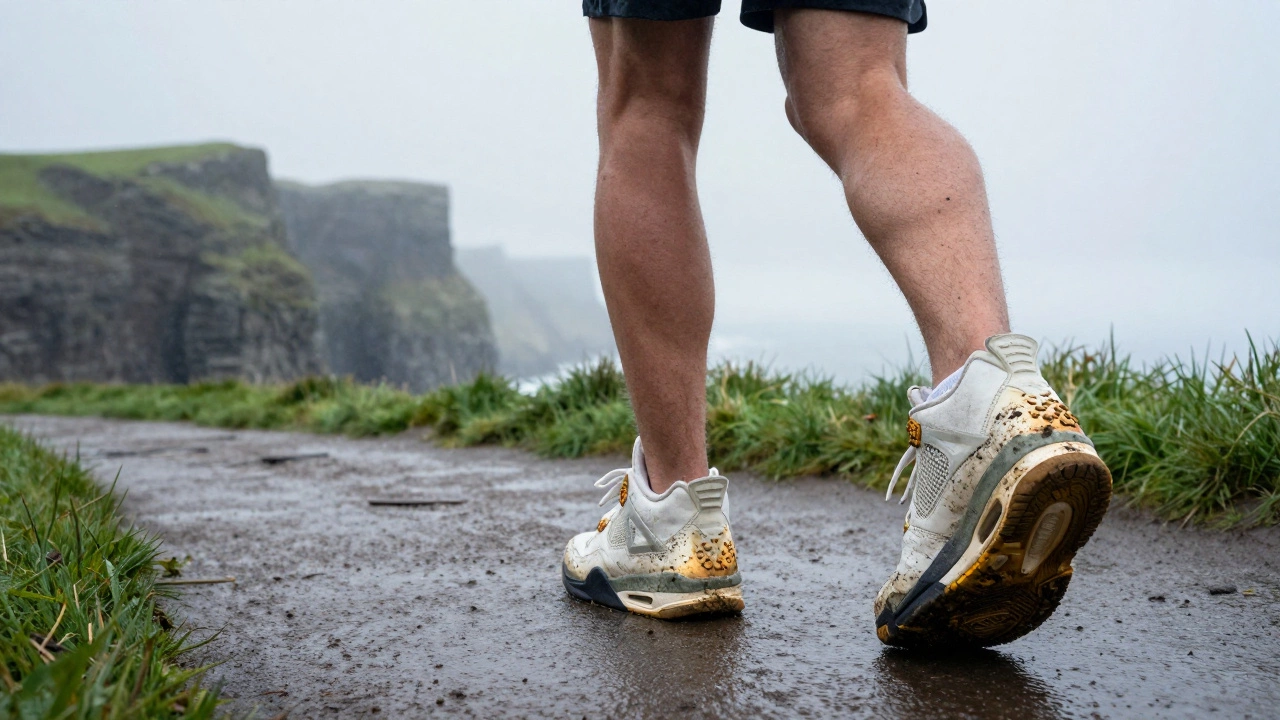
Think about it: if you’re walking from Trinity College to the Guinness Storehouse in Dublin, or hiking the Wicklow Way on a weekend, you want shoes that can handle mud, puddles, and sudden downpours. Synthetic uppers crack in cold weather. Leather, when treated right, just gets better. A pair of leather Air Jordans, properly cared for, can last five years or more here. A synthetic pair? Maybe two.
How to Tell If Your Air Jordans Are Leather
Here’s how to check without opening the box or asking a salesperson:
- Look at the grain. Real leather has natural lines, bumps, and slight color variations. Synthetic looks too uniform-like printed plastic.
- Smell it. Leather has a rich, earthy scent. Synthetic smells like new shoes or chemicals.
- Press it. Leather gives slightly under pressure and springs back. Plastic stays firm or creases unnaturally.
- Check the tag. Most official Air Jordans list the upper material on the box or inside the tongue. "100% Leather" means it’s real. "Synthetic" means it’s not.
And if you’re buying secondhand? Look at the sole. Leather uppers on older Jordans often show scuff marks that fade into a warm brown tone. Synthetics just get scratched and stay white or gray.
Leather Care for Irish Conditions
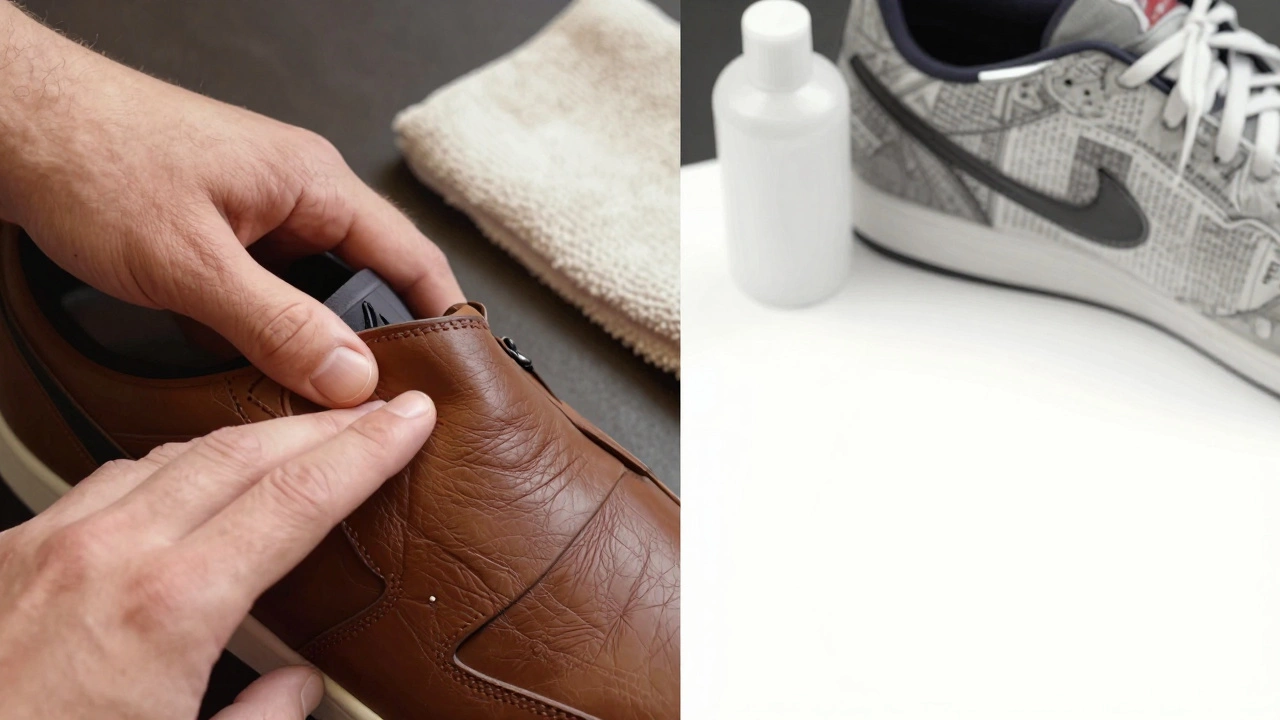
Leather isn’t magic. If you live in Cork, Limerick, or Donegal, you know what happens when shoes sit in wet boots all week. To keep your Air Jordans looking sharp:
- Use a waterproofing spray made for leather-brands like Obenauf’s or Apple Brand Garde work well. Spray before you wear them outside.
- Wipe them down after rain with a dry microfiber cloth. Don’t leave them damp.
- Stuff them with newspaper overnight to absorb moisture and hold shape. (Yes, even in Ireland, the old trick still works.)
- Every few months, use a leather conditioner. Avoid silicone-based products. Go for beeswax or lanolin-based ones. They keep the leather soft and prevent cracking in cold weather.
- Store them in a cool, dry place-not under your bed, not in the garage. A shoe rack in the hallway is fine.
Many Irish shoe repair shops, like Shoe Repair Dublin on Capel Street or Shoe Clinic Belfast, offer leather restoration. For €20-€30, they can recondition the soles, clean the uppers, and reapply waterproofing. It’s cheaper than buying new-and keeps your favorite pair in rotation longer.
Where to Buy Authentic Leather Air Jordans in Ireland
If you’re hunting for leather Air Jordans, here’s where to look:
- Foot Locker Ireland (Dublin, Cork, Limerick): Carries select retro models in full leather. Check their "Retro Collection" section online.
- JD Sports (nationwide): Often stocks leather versions of popular colorways like "Bred" or "Black Toe."
- Local boutiques like Snipes in Galway or Urban Outfitters in Belfast: Sometimes carry limited leather editions.
- Secondhand markets: Check DoneDeal or eBay Ireland for older models. Look for listings that say "original leather," "untouched," or "no scuffs."
Avoid bargain bins. If a pair of Air Jordans is priced under €80 and claims to be leather, it’s likely a fake or low-grade synthetic. Real leather Air Jordans start at €130-€180. That’s not cheap-but in Ireland, where winters are long and shoes wear out fast, it’s an investment.
Alternatives If You Want Leather, But Not Jordans
If you love the look of Air Jordans but want something more Irish-made or sustainably sourced, consider:
- Clarks: The British brand has a strong presence in Ireland. Their Desert Boot silhouette is leather, classic, and built for wet streets.
- Geox: Offers breathable leather sneakers with moisture-wicking soles-great for Irish humidity.
- Irish-made brands like Claddagh Footwear (Galway) or Shoe Tribe (Cork): They make hand-stitched leather sneakers inspired by traditional Irish design, with modern comfort.
These aren’t basketball legends, but they’re built for Irish roads-and they last.
Environmental and Ethical Considerations
More Irish shoppers are asking: "Is leather ethical?" It’s a fair question. Leather production has a footprint. But so do synthetics-most are made from petroleum and don’t biodegrade. In Ireland, where sustainability is growing in importance (think: the Dublin City Council’s plastic ban, or the push for circular fashion in Galway), choosing real leather over plastic can be the greener option-if it’s cared for and repaired.
Look for brands that source leather from tanneries certified by the Leather Working Group. Many Air Jordan releases now use leather from such sources. And if you’re worried about animal welfare? There are vegan leather Jordans now too-made from plant-based materials like apple or pineapple fiber. But they’re not yet as durable as real leather in wet conditions.
Final Verdict: Should You Buy Leather Air Jordans in Ireland?
Yes-if you’re willing to care for them. Leather Air Jordans are worth it here because they outlast synthetics, handle the weather better, and develop character over time. They’re not just shoes; they become part of your story. The scuff from that rainy walk in Phoenix Park. The mud stain from a weekend in the Burren. The way they smell like rain after a long day.
Buy the leather ones. Learn how to care for them. Repair them when they need it. And if you ever pass a shoe repair shop in Limerick or Sligo, stop in. They’ll thank you-and your shoes will too.
Are all Air Jordans made of leather?
No. While classic models like the Air Jordan I and many retro releases use full-grain leather, newer versions-especially low-tops and performance styles-often use synthetic materials like mesh, nylon, or recycled polyester to reduce weight and cost. Always check the product label or official description before buying.
Can I wear Air Jordans in the rain in Ireland?
Yes, if they’re made of leather and properly treated. Apply a leather waterproofing spray before wearing them outdoors. Avoid walking through deep puddles for long periods. After getting wet, wipe them down, stuff them with newspaper, and let them air dry away from direct heat. Synthetic uppers will soak through and take days to dry.
How do I know if my Air Jordans are real leather or fake?
Real leather has natural texture variations, smells earthy, and feels slightly flexible. Fake leather looks too perfect, smells like plastic, and doesn’t stretch or breathe. Check the inside tag-official models list materials clearly. If it says "synthetic" or "polyurethane," it’s not leather.
Where can I get my Air Jordans repaired in Ireland?
Many cities have reputable shoe repair shops. In Dublin, try Shoe Repair Dublin on Capel Street. In Cork, visit Cork Shoe Repair on Oliver Plunkett Street. Belfast’s Shoe Clinic offers full leather restoration. Costs range from €20-€40 for cleaning, reconditioning, and resoling. It’s often cheaper than buying new.
Are vegan leather Air Jordans a good alternative in Ireland?
They’re a good ethical choice, but not yet ideal for Ireland’s weather. Most vegan leathers are made from plastic-based materials like PVC or PU, which crack in cold temperatures and don’t breathe well. They’ll absorb moisture and stay damp longer than real leather. For wet, windy conditions, real leather still performs better.
How long do leather Air Jordans last in Ireland?
With proper care-regular cleaning, waterproofing, and occasional repairs-leather Air Jordans can last 5 to 7 years here. Many Irish wearers keep theirs for over a decade. Synthetic versions typically wear out in 1-2 years under regular use in damp conditions.