UGG Weather Suitability Checker
Standard UGGs are water-resistant, not waterproof. Use this tool to determine if you should leave them at home today.
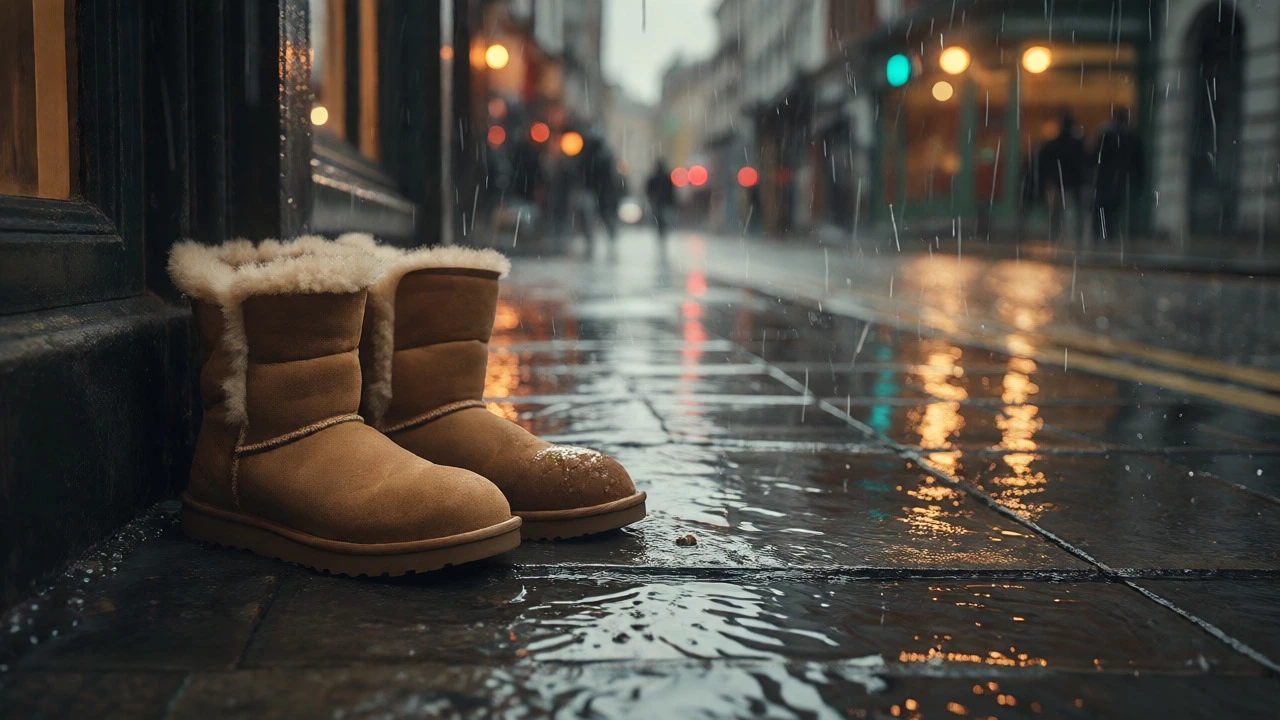
You know that feeling. It’s a Tuesday in November, the rain is coming down sideways on Grafton Street, and you’re looking at your UGGs sitting by the door. They look cozy, they feel warm, but are they actually the right choice for an Irish commute? We’ve all been there, tempted by the promise of sheepskin comfort while standing in a puddle that could double as a small lake. But here’s the hard truth: UGGs are not built for the specific kind of wet, slushy chaos that defines our winters from Dublin to Galway.
If you’re asking when you should not wear Uggs, the answer isn’t just about fashion rules-it’s about physics, chemistry, and common sense. These boots are made from natural materials that react poorly to moisture. If you treat them like waterproof hiking gear, you’ll end up with a squishy, smelly mess before Christmas. Let’s break down exactly when to leave them in the cupboard and what to wear instead.
The Waterproof Myth vs. Reality
Let’s clear this up once and for all. Standard classic UGG boots are not waterproof. They are water-resistant at best, meaning they can handle a light drizzle if you’re quick, but they cannot handle a downpour or a deep puddle. The outer material is typically twin-face sheepskin, which means the wool is attached directly to the leather hide. When water hits that leather, it doesn’t bounce off; it soaks in.
| Condition | Standard UGG (Sheepskin) | Waterproof Alternative |
|---|---|---|
| Light Rain (<10 mins) | Absorbs slowly, may stain | Beads off surface |
| Heavy Rain/Puddles | Saturates quickly, heavy weight | Remains dry inside |
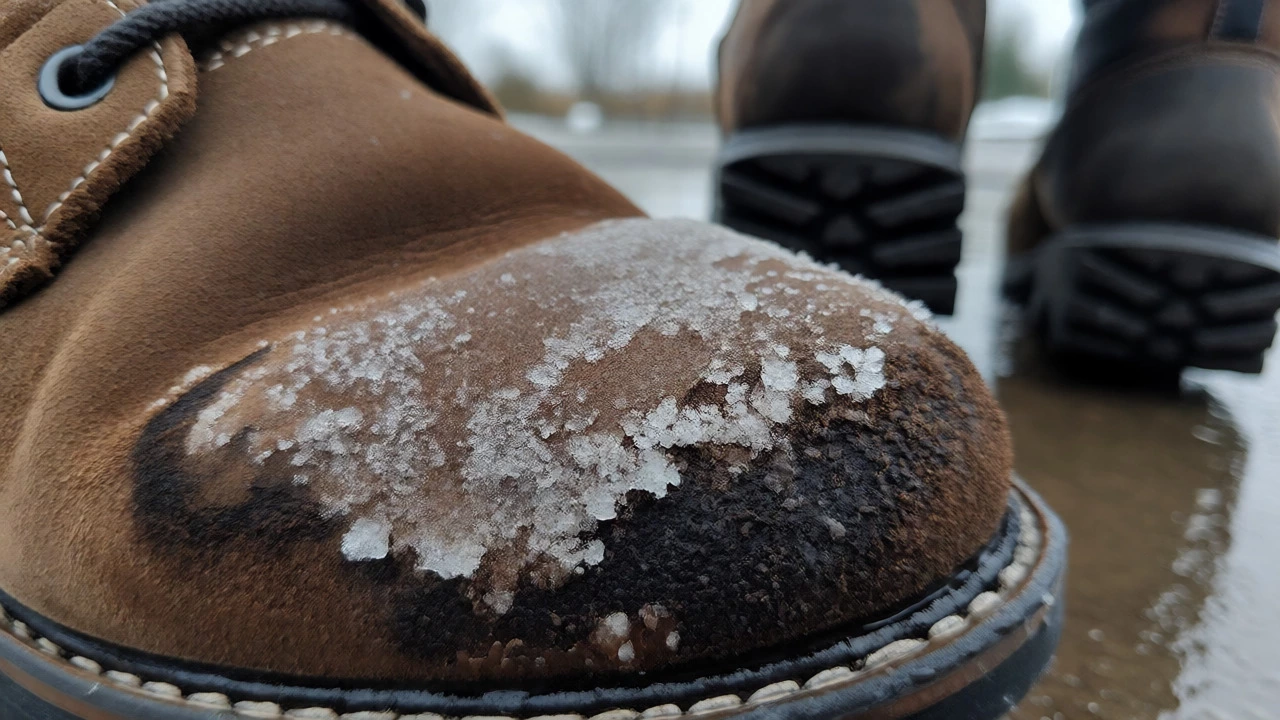
| Snow/Ice Melt | Salt stains, leather damage | Resists salt corrosion |
| Drying Time | 24-48 hours (risk of mold) | Overnight |
In Ireland, we don’t get much "light rain" during peak winter. We get horizontal rain that finds its way into every seam. If you step into a puddle near Trinity College or wait for a bus in Cork without an umbrella, your feet will be wet within minutes. Once the leather gets saturated, it loses its structural integrity. The boot becomes heavy, the shape distorts, and worst of all, the inner wool takes forever to dry. If you put those damp boots back in a dark cupboard overnight, you’re inviting mould and bacteria to set up shop.
Cultural Context: The Irish Commute
Fashion is subjective, but practicality is non-negotiable when you’re dealing with public transport. Think about the Luas in Dublin or the trains out to Limerick. You’re squeezing onto packed trams where someone else’s muddy work boots might be inches from your pristine suede. Suede and nubuck, the primary materials of most UGG styles, are magnets for dirt. One splash of mud from a passing car on the M50, and you have a permanent stain unless you act fast.
There’s also the social aspect. While UGGs were a massive trend in the early 2010s, wearing them in urban centers like Dublin or Belfast has shifted. They are increasingly seen as "afternoon tea" footwear rather than "commuter" footwear. If you’re heading to a pub in Temple Bar after work, walking through cobblestones that turn into ice rinks when it freezes, UGGs offer zero traction. The rubber sole is smooth and designed for indoor comfort, not for gripping slick stone surfaces. You’re more likely to slip than to stay stylish.
Health and Hygiene Concerns
Your feet need to breathe, especially if you’re wearing thick socks-which you probably are, given the cold. UGGs provide warmth, but they don’t always provide breathability in wet conditions. When sheepskin gets wet, it traps heat and moisture against the skin. This creates a perfect environment for fungal infections like athlete’s foot. In a humid climate like ours, keeping feet dry is crucial for health.
Moreover, consider the support. Classic UGGs have minimal arch support. For someone walking around a city center for six hours, this can lead to plantar fasciitis or general foot fatigue. If you have flat feet or high arches, the lack of structure in these boots can cause pain that radiates up to your knees and hips. Don’t confuse warmth with orthopedic benefit. Just because it’s soft doesn’t mean it’s good for your biomechanics over long distances.
Specific Scenarios to Avoid
So, when exactly should you banish the UGGs to the back of the wardrobe? Here are the concrete situations where they fail:
- The School Run: If you’re dropping kids off at a school with a gravel or mud-heavy playground, do not wear them. Kids kick up dirt, and parents stand in puddles. The cleanup isn’t worth the five minutes of comfort.
- Pub Nights on Cobblestones: Cities like Kinsale or Dingle have beautiful, uneven cobblestone streets. UGG soles are thin and flexible. You’ll feel every rock, and if it rains, you’ll slide. Opt for a sturdy leather boot with a treaded sole.
- Hiking or Rural Walks: Even if you’re just walking along the Cliffs of Moher or a greenway in Wicklow, stick to proper hiking boots. Sheepskin offers no protection against thorns, rocks, or ankle twists.
- Car Driving: The bulky sole makes it hard to feel the pedals. If you’re driving a manual transmission in traffic on the N7, you’ll struggle to find the bite point. Plus, if your feet are sweaty, the interior becomes slippery, making it hard to keep your heel planted.
Care and Maintenance Pitfalls
Many people buy UGGs thinking they are low-maintenance. They aren’t. If you do wear them outside, you must maintain them rigorously. Using standard shoe polish won’t work on suede. You need specialized suede brushes and waterproofing sprays specifically designed for sheepskin. And even then, repeated exposure to water degrades the leather fibers over time.
Here’s a pro tip: never dry wet UGGs next to a radiator. In Irish homes, we love cranking up the heating when we come in from the cold. But placing damp sheepskin near direct heat causes the leather to shrink and crack. Instead, stuff them with newspaper to absorb moisture and let them air dry in a well-ventilated area. If you skip this step, your expensive boots will warp and lose their shape permanently.

What to Wear Instead in Ireland
If you love the aesthetic of a chunky boot but hate the impracticality, look for alternatives that mimic the style but improve the function. Brands like Blundstone or Dr. Martens offer rugged durability. If you want something warmer, look for boots lined with Thinsulate or synthetic fleece that wicks moisture away better than natural wool.
For rainy days, waterproof leather boots are your best friend. They look sleek, they protect against splashes, and they’re easy to wipe clean. Pair them with warm merino wool socks, and you’ll stay comfortable without risking your footwear. Remember, in Ireland, versatility wins. A pair of black leather Chelsea boots works for the office, the pub, and a sudden shower. A pair of beige UGGs works for... your living room.
Frequently Asked Questions
Can I wear Uggs in the rain in Dublin?
It depends on the intensity. Light drizzle is manageable if you spray them with a protector beforehand. However, sustained rain or stepping into puddles will soak the leather, leading to staining and a long drying time. For typical Dublin showers, waterproof leather boots are a safer choice.
Do Uggs ruin easily in Irish weather?
Yes, frequent exposure to wet and cold conditions can degrade the quality of standard UGG boots. The moisture breaks down the natural oils in the sheepskin, causing the leather to become brittle and crack over time. Regular maintenance with specific suede cleaners is required to extend their lifespan.
Are there waterproof Uggs available?
UGG does produce some lines labeled as water-repellent or waterproof, often using treated leathers or synthetic materials. However, these are distinct from the classic sheepskin models. Always check the product label carefully, as "water-resistant" is not the same as "waterproof."
How do I remove salt stains from my boots?
Salt from icy roads can leave white marks on suede. Mix equal parts water and white vinegar, dab gently with a cloth, and let it air dry. Do not rub vigorously, as this can damage the nap of the suede. Brush the area lightly once dry to restore texture.
Is it okay to wear Uggs without socks?
While many people prefer the barefoot feel, wearing socks helps absorb sweat and keeps the interior cleaner. In colder climates like Ireland, socks also add an extra layer of insulation. Going sockless accelerates odor buildup and requires more frequent cleaning of the inner lining.
Final Thoughts: Comfort vs. Common Sense
At the end of the day, UGGs are luxury loungewear disguised as outdoor footwear. They excel at keeping your toes warm while you sip tea by the fire. They fail spectacularly when you try to use them as all-weather warriors. Respect the craft of the boot, but respect the reality of the Irish climate more. Save them for dry days, indoor events, or short hops between heated locations. Your feet-and your wallet-will thank you for choosing a more robust option for the daily grind.