Footwear Terminology Converter
This tool helps you understand how footwear terms vary across regions. Enter your location to see the local term for casual athletic shoes.
Select a region or type a location to see the local term for casual athletic shoes.
Irish weather tip: Always check for waterproof membranes (GORE-TEX) and non-slip soles when buying footwear in Ireland or Scotland.
In Ireland, we don’t just wear shoes-we live in them. From the wet cobblestones of Galway to the muddy paths of the Burren, our footwear has to handle more than just fashion. So when someone asks, what are sneakers called in Scotland?-it’s not just a trivia question. It’s a window into how language shifts across these islands, and why, in Ireland, we rarely say "sneakers" at all.
Trainers: The Irish Word for Sneakers
If you walk into a shop in Dublin, Cork, or Limerick and ask for "sneakers," you’ll likely get a confused look. The word we use? Trainers. It’s not slang. It’s the standard term. You’ll hear it on the bus, in the supermarket, and in ads for Nike or Adidas on RTÉ. "Need new trainers for the gym?" "These trainers are waterproof-perfect for the Irish weather."
Why "trainers"? It traces back to the 19th century, when rubber-soled shoes were first made for athletes to "train" in. The term stuck in the UK and Ireland, while across the Atlantic, "sneakers"-named for their quiet soles-became the norm. In Ireland, we’re culturally closer to Britain than to the U.S., and our vocabulary reflects that. Even in Belfast, where the accent is distinct, you’ll still hear "I’m off to buy some trainers."
Why "Sneakers" Doesn’t Stick in Ireland
You won’t find "sneakers" on the labels of Irish retail chains like Dunnes Stores, Penneys (Primark), or SuperValu’s own footwear line. Online searches for "sneakers" in Ireland often auto-correct to "trainers." Even major brands tailor their Irish web content: Nike’s Ireland site uses "trainers" in product titles and descriptions. The same goes for Decathlon, which dominates the budget sportswear market here with its own branded trainers for running, walking, and weekend hikes.
It’s not just about language-it’s about identity. Saying "sneakers" sounds American. And while American pop culture is everywhere, Irish people still hold onto their own terms. Think of it like "lorry" instead of "truck," or "biscuit" instead of "cookie." We don’t reject American words-we just don’t need them.
Regional Differences Within Ireland
Even within Ireland, there’s variation. In the west, especially in Gaeltacht areas like Connemara, you might hear "bataí tráinéirí"-the Irish language version. But in everyday speech, even fluent Irish speakers default to "trainers." In rural counties like Tipperary or Sligo, older generations might still say "gym shoes," a term fading fast but still heard in local hardware stores or charity shops.
Younger people in cities like Galway or Waterford might mix in American terms when talking about specific brands-"I got new Jordans" or "My Yeezys are clean"-but even then, they’ll say, "I need to replace my trainers" when talking about general footwear.
Scotland vs. Ireland: Same Word, Different Context
Yes, in Scotland, people also say "trainers." So the answer to "what are sneakers called in Scotland?" is simple: trainers. But here’s the twist: in Scotland, you’ll hear "plimsolls" for lightweight canvas shoes, especially among older folks. In Ireland, "plimsolls" is nearly extinct-reserved for grandparents’ memories of school PE.
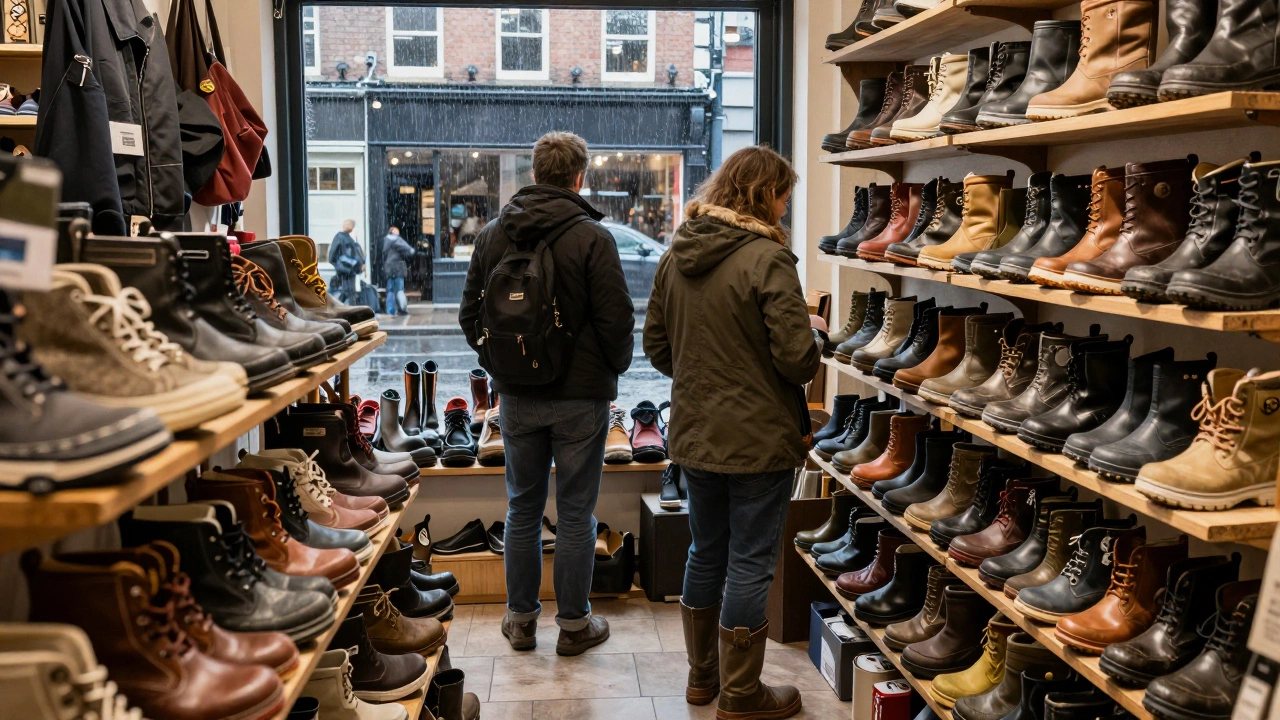
Another difference? Weather. Scotland’s damp climate means waterproof trainers are common. So are brands like Timberland and Clarks, which dominate Irish and Scottish markets alike. But Ireland’s rain is more relentless. Our trainers need to handle not just puddles, but the kind of soaking that turns cotton laces into soggy strings. That’s why waterproof membranes like GORE-TEX are a selling point in every Irish shoe store. You’ll find them in shops like Kepak Footwear in Drogheda or Foot Locker in Dundalk.
What’s in a Name? The Cultural Weight of Words
Language isn’t just about communication-it’s about belonging. When Irish teens say "trainers," they’re not just naming a shoe. They’re signaling: "I’m local. I get the weather. I know what works here."
Compare that to a tourist from New York asking for "sneakers" in Galway. They’ll get served-but they’ll also get a quiet nod of recognition, like, "Ah, you’re not from around here."
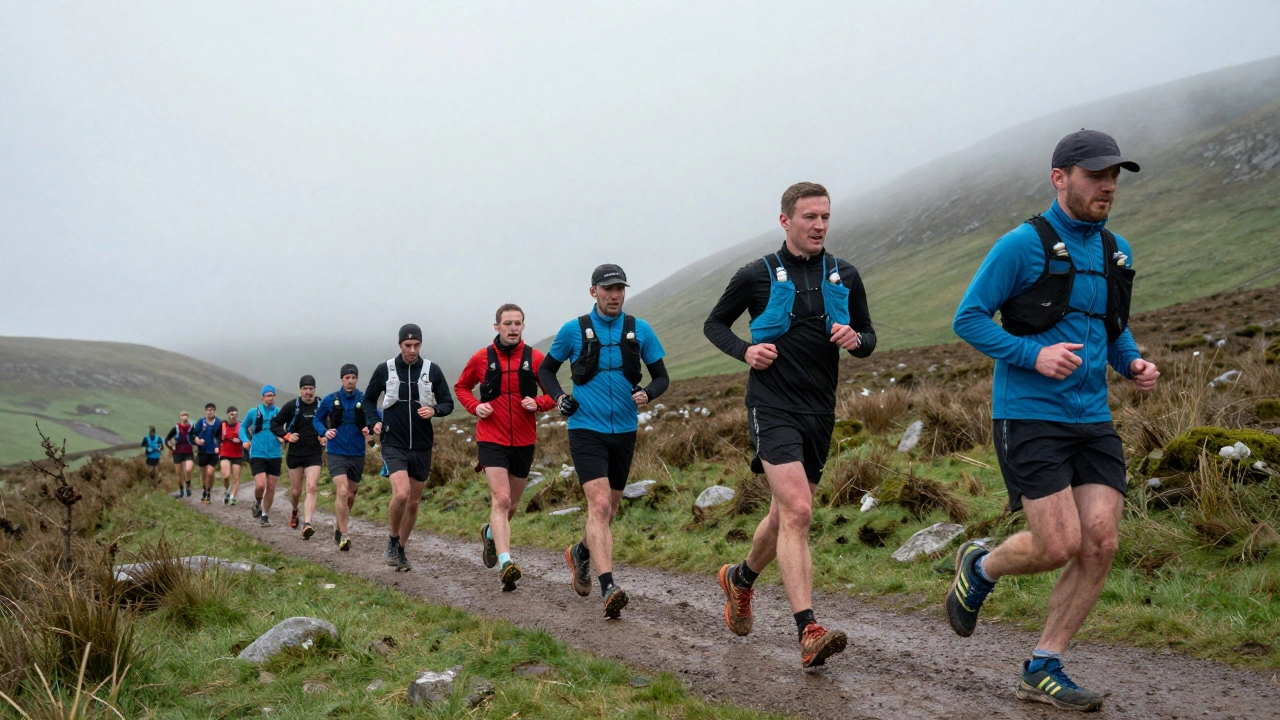
Even brands know this. When New Balance launched its Irish campaign in 2023, it didn’t use "sneakers." It used "trainers"-and showed them on runners tackling the Wicklow Way, not Manhattan sidewalks.
What Should You Call Them?
If you’re in Ireland, use "trainers." It’s not just correct-it’s expected. If you’re shopping online, search "trainers for women" or "men’s waterproof trainers." You’ll get 10 times more results than if you search "sneakers."
And if you’re buying for the Irish climate? Look for:
- Waterproof membranes (GORE-TEX or proprietary tech like Clarks’ C-Tech)
- Non-slip soles (for wet stone, mossy paths, or Dublin’s slippery pavements)
- Thick, cushioned midsoles (for long walks on uneven terrain)
- Quick-dry linings (because damp feet are no joke here)
Brands like ECCO, Geox, and Irish-made labels like Treadwell (based in Kilkenny) specialize in this. You won’t find them in big-box stores-but you’ll find them in local independent shops in places like Doolin or Ennis.
Why This Matters Beyond Words
Understanding local terms isn’t just about avoiding confusion. It’s about respecting culture. In Ireland, language is tied to place. The way we name our shoes reflects how we live: practical, weather-aware, community-rooted.
So next time someone asks, "What are sneakers called in Scotland?"-you can answer: "Trainees. And in Ireland? Same thing. But we know what they’re really for: surviving the rain."
Are sneakers and trainers the same thing?
Yes, they’re the same type of shoe-lightweight, rubber-soled, for casual wear or exercise. The difference is regional language. "Sneakers" is used in the U.S. and some parts of Canada. "Trainers" is used in Ireland, the UK, Scotland, and Australia. Functionally, they’re identical. But if you’re in Dublin and ask for sneakers, you might have to explain what you mean.
Do Irish people ever say "sneakers"?
Rarely, and usually only when talking about American brands or pop culture. You might hear "I bought new Air Jordans"-but then add, "I need new trainers for tomorrow’s walk." The word "sneakers" doesn’t fit into daily Irish speech. It sounds foreign, even if it’s understood.
What’s the best brand for trainers in Ireland?
It depends on your needs. For everyday wear, Clarks and ECCO dominate-they’re durable and waterproof. For budget options, Decathlon and Primark offer solid performance. If you’re hiking or walking long distances, Irish-made Treadwell or Scottish brand Berghaus are popular. And if you’re into street style, Nike and Adidas are everywhere-but make sure you pick a waterproof model. Most Irish winters will ruin a non-waterproof pair in two weeks.
Why don’t Irish shops sell "sneakers" as a category?
Because they don’t need to. Retailers follow local language. Online stores like Dunnes Stores or SuperValu use "trainers" in their filters, search bars, and product tags. If you search "sneakers," you’ll be redirected or get zero results. It’s not a mistake-it’s a reflection of how Irish consumers think.
Is there a difference between trainers for men and women in Ireland?
Not in function, but in style and fit. Women’s trainers often have narrower heels and more arch support, which matters for long days on uneven ground. Brands like Clarks and ECCO design specifically for Irish women’s foot shapes-something U.S. brands rarely consider. You’ll notice this if you’ve tried buying American sneakers here: they often feel too wide or lack cushioning for Irish terrain.