Ireland Jacket Layering Calculator
Adjust the sliders to match your current local conditions.
Recommended Gear
Feels like: 8°CBase Layer
Merino wool or synthetic wicking fabric to manage sweat.
Mid Layer
Fleece or light down for insulation.
Outer Shell
Waterproof/Windproof jacket with sealed seams.
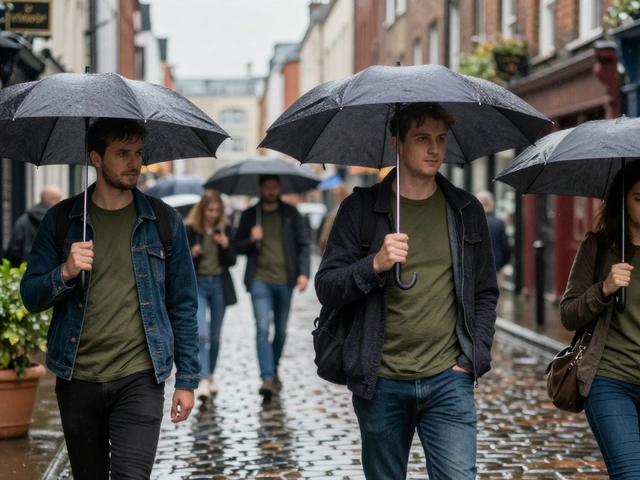
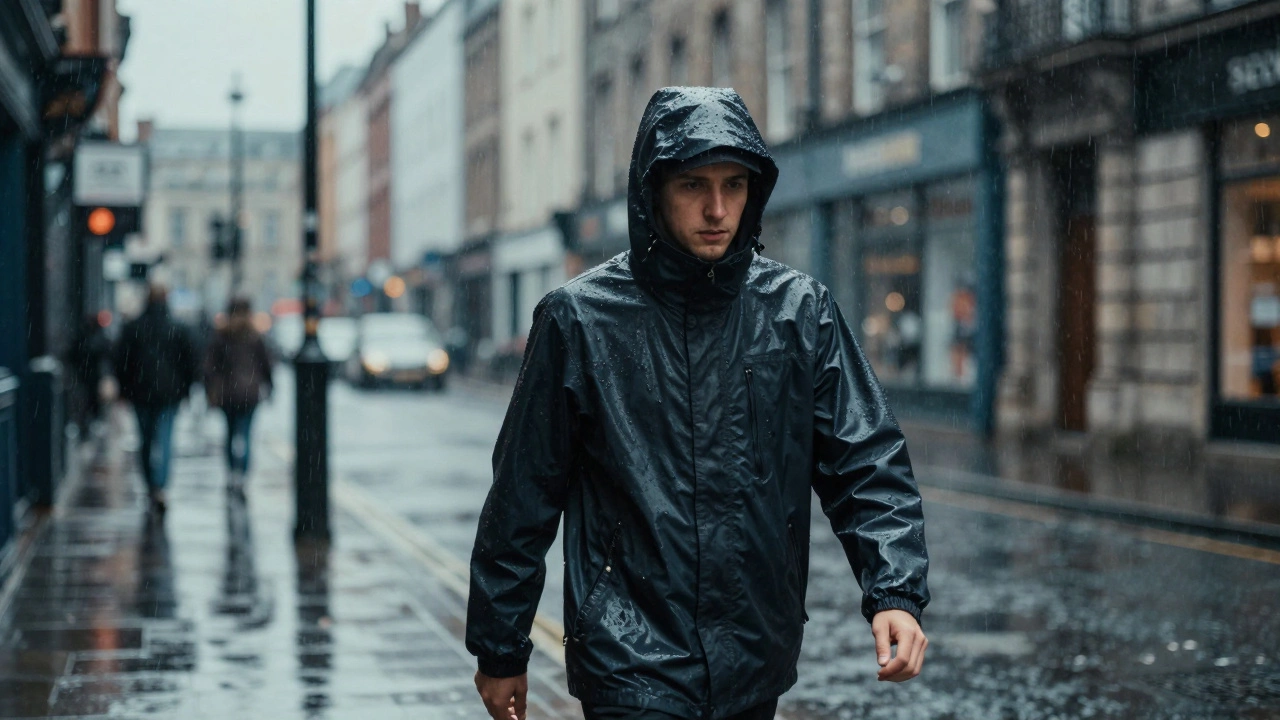
You step out onto O'Connell Street in Dublin, and within seconds, the damp chill seeps right through your shirt. It isn't just cold; it is wet, windy, and relentless. This is why asking what is the purpose of wearing a jacket on a cold day might seem like a basic question to some, but here in Ireland, it is a matter of survival-and comfort. A jacket isn't just fashion; it is your primary defense against one of the most unpredictable climates on Earth.
In Ireland, we don't deal with the dry, crisp cold of Canada or the polar extremes of Scandinavia. We deal with "Atlantic damp." The air holds moisture that strips heat from your body faster than dry air ever could. Without proper outerwear, you aren't just shivering; you are at risk of hypothermia, even when the thermometer reads a seemingly mild 8°C (46°F). The purpose of a jacket here goes beyond warmth-it is about managing moisture, blocking wind, and maintaining your core temperature in an environment that changes four times before lunch.
The Science of Staying Warm: Why Jackets Work
To understand why a jacket is non-negotiable in places like Galway or Donegal, you have to look at how your body loses heat. There are four main ways this happens: conduction, convection, radiation, and evaporation. A good jacket tackles all of them.
Insulation is the process of trapping air close to your body to retain heat. Your body heats the air around you. If that air escapes, you lose warmth. Materials like down feathers or synthetic fills create tiny pockets that trap this warm air. However, insulation alone fails if it gets wet. Wet down clumps together and loses its ability to trap air. That is why the shell of your jacket matters just as much as the filling.
Then there is Wind resistance, which is the ability of fabric to block air movement across the skin. Wind chill is a real factor in Ireland. A breeze of 20 km/h can make a 5°C day feel like -2°C. A tight-weave outer layer stops this convective heat loss. Finally, there is water resistance. Rain in Ireland doesn't always fall straight down; it often comes sideways, driven by gusts off the Atlantic. A jacket with a durable water repellent (DWR) coating ensures that rain beads up and rolls off rather than soaking into the fabric and chilling you from the outside in.
Ireland’s Unique Climate Challenges
If you are visiting from a continent with distinct seasons, you might be confused by our weather. One minute you are sweating in Dún Laoghaire, and the next, you are freezing on the Cliffs of Moher. This volatility demands versatility. The purpose of wearing a jacket here shifts depending on where you are and what you are doing.
| Region | Primary Challenge | Jacket Feature Needed |
|---|---|---|
| West Coast (Galway, Kerry) | High rainfall, strong winds | Waterproof membrane (e.g., Gore-Tex), sealed seams |
| East Coast (Dublin, Wicklow) | Variable conditions, urban dampness | Water-resistant shell, breathable lining |
| Northern Highlands (Donegal, Sligo) | Low temperatures, wind chill | Heavy insulation, windproof hood |
| Southeast (Cork, Waterford) | Mild but humid | Lightweight layering, moisture-wicking base |
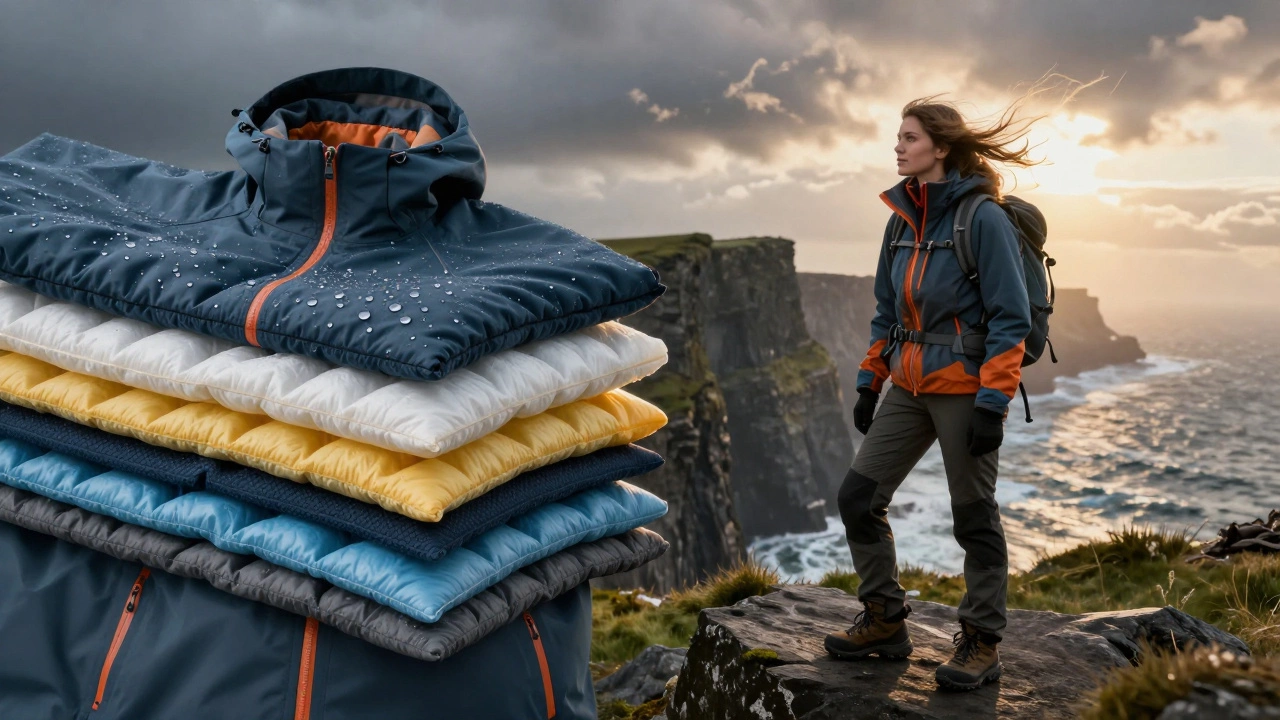
Living in Dublin, I’ve learned that a single heavy coat rarely suffices. Instead, the "layering system" is king. You start with a merino wool base layer to manage sweat, add a mid-layer like a fleece for warmth, and top it with a technical shell jacket. This allows you to adapt quickly. If you walk into a pub in Temple Bar, you can remove the shell without overheating. If you step back out into a sudden squall, you’re protected instantly.
Choosing the Right Jacket for Irish Conditions
Not all jackets are created equal. When shopping in stores like Brown Thomas or specialized outdoor retailers such as Decathlon or local brands like Regatta, you need to know what specifications matter. Here is what to look for:
- Waterproof Rating: Look for a rating of at least 10,000mm. This means the fabric can withstand a column of water 10 meters high before leaking. For typical Irish showers, 5,000mm might suffice, but for hiking the Wild Atlantic Way, you want higher.
- Breathability: Measured in grams per square meter per day (g/m²/24h). If your jacket traps sweat inside, you’ll get cold once you stop moving. Aim for a breathability rating above 10,000g if you plan to hike or cycle.
- Sealed Seams: Rain enters through needle holes in stitching. Taped or welded seams prevent this. Check the cuffs, hem, and shoulders.
- Hood Design: An adjustable hood with a stiff brim is essential. It keeps rain off your face and glasses. Avoid hoods that flop over in the wind.
Local heritage brands like Mackintosh have been perfecting rubberized cotton jackets since the 19th century. These are excellent for city wear-they are stylish and handle light rain well-but they lack the breathability needed for active pursuits. For hiking in Killarney National Park, a modern synthetic shell is superior. For a night out in Cork city center, a classic trench or waxed jacket offers both style and protection against drizzle.
Cultural Context: Jackets as Social Armor
In Ireland, clothing is also a social signal. While we are famously casual, there is an unspoken rule about being "sorted" for the weather. Arriving at a wedding in Tipperary soaked because you skipped a rain layer is seen as poor planning. Conversely, overdressing in a heavy parka during a mild spring day in Kilkenny can mark you as an outsider who doesn’t understand the subtleties of our climate.
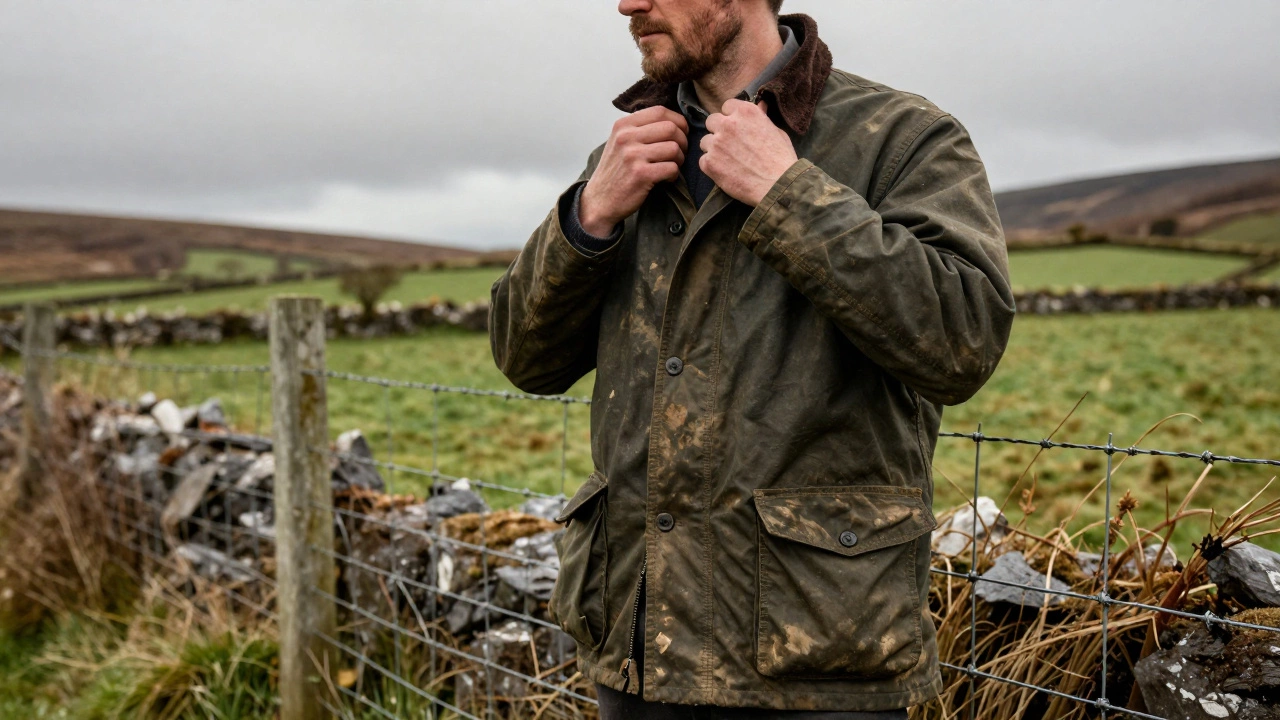
The jacket also plays a role in rural life. Farmers in Mayo or Leitrim wear durable, waterproof jackets not just for warmth but for practicality. These garments must withstand barbed wire, mud, and long hours outdoors. Brands like Barbour or Belstaff have deep roots in this agricultural heritage, offering waxed cotton jackets that age beautifully and become more water-resistant with use. This connection between utility and tradition makes the jacket a symbol of resilience in Irish culture.
Practical Tips for Maximizing Jacket Performance
Owning a good jacket is only half the battle. How you care for it determines its lifespan and effectiveness. Many people ruin their expensive waterproof jackets by washing them incorrectly. Here is how to keep yours performing:
- Wash Regularly: Dirt and oils clog the pores of breathable fabrics, reducing performance. Use a technical cleaner designed for waterproof gear, not regular detergent.
- Reapply DWR: Over time, the water-repellent coating wears off. If water soaks into the fabric instead of beading up, spray-on or wash-in DWR treatments can restore it.
- Tumble Dry Low: For down jackets, low-heat drying helps fluff the feathers and restore loft. For synthetic shells, it can reactivate the DWR coating.
- Avoid Fabric Softeners: These coat fibers and block breathability. Never use them on outdoor jackets.
Also, consider ventilation. Most technical jackets have pit zips-zippers under the arms that allow hot air to escape while keeping rain out. Learn to use them. On a brisk walk along the Liffey, opening these zips can prevent you from sweating excessively, which keeps you warmer overall.
Environmental Considerations
The production of waterproof jackets involves fluorinated chemicals (PFAS), which are persistent environmental pollutants. Many brands are now shifting to PFC-free membranes. As consumers in Ireland, we can support sustainability by choosing brands that prioritize eco-friendly materials and repairable designs. Companies like Patagonia and local initiatives promoting second-hand outdoor gear help reduce waste. Remember, a jacket that lasts ten years is better than three cheap ones that end up in landfill.
Do I really need a waterproof jacket in Ireland?
Yes. Rain in Ireland is frequent and often accompanied by wind. A waterproof jacket prevents your clothes from getting soaked, which is crucial for maintaining body heat. Even on days that don't look rainy, sudden showers are common.
What is the best type of insulation for Irish winters?
Synthetic insulation is generally better for Ireland's damp climate because it retains warmth even when wet. Down is warmer for its weight but loses effectiveness if it gets soaked unless it has a highly waterproof shell.
Can I wear a denim jacket in cold Irish weather?
Denim offers little insulation and no wind or water resistance. It is suitable only as a fashion layer over heavier clothing in mild conditions. For actual cold protection, choose a dedicated insulated or layered jacket.
How do I know if my jacket is still waterproof?
Sprinkle water on the fabric. If it beads up and rolls off, your DWR coating is working. If the fabric darkens and absorbs the water, it needs re-treatment. Check seams for leaks during heavy rain.
Are local Irish brands good for outdoor jackets?
Yes. Brands like Mackintosh and Barbour (though British, widely used) have historical ties to Irish weather needs. Local retailers also stock high-quality international brands tailored for Atlantic conditions.