Leather Shoe Value Calculator
Shoe Details
Analysis Results
Walking down Grafton Street on a rainy Tuesday or navigating the cobblestones of Galway’s Latin Quarter, you quickly realize that your choice of footwear matters. It isn’t just about looking sharp for a dinner in Temple Bar; it’s about survival against the elements and comfort during long days exploring the Wild Atlantic Way. So, when people ask, "what is the number one shoe in the world?" the answer depends heavily on where you stand-and in this case, where you live. For those in Ireland, the title doesn't go to a flashy sneaker from a global trend cycle. It goes to the sturdy, timeless, and impeccably crafted leather dress shoe, specifically those built with Goodyear welting.
The Verdict: Why the Goodyear Welted Shoe Reigns Supreme
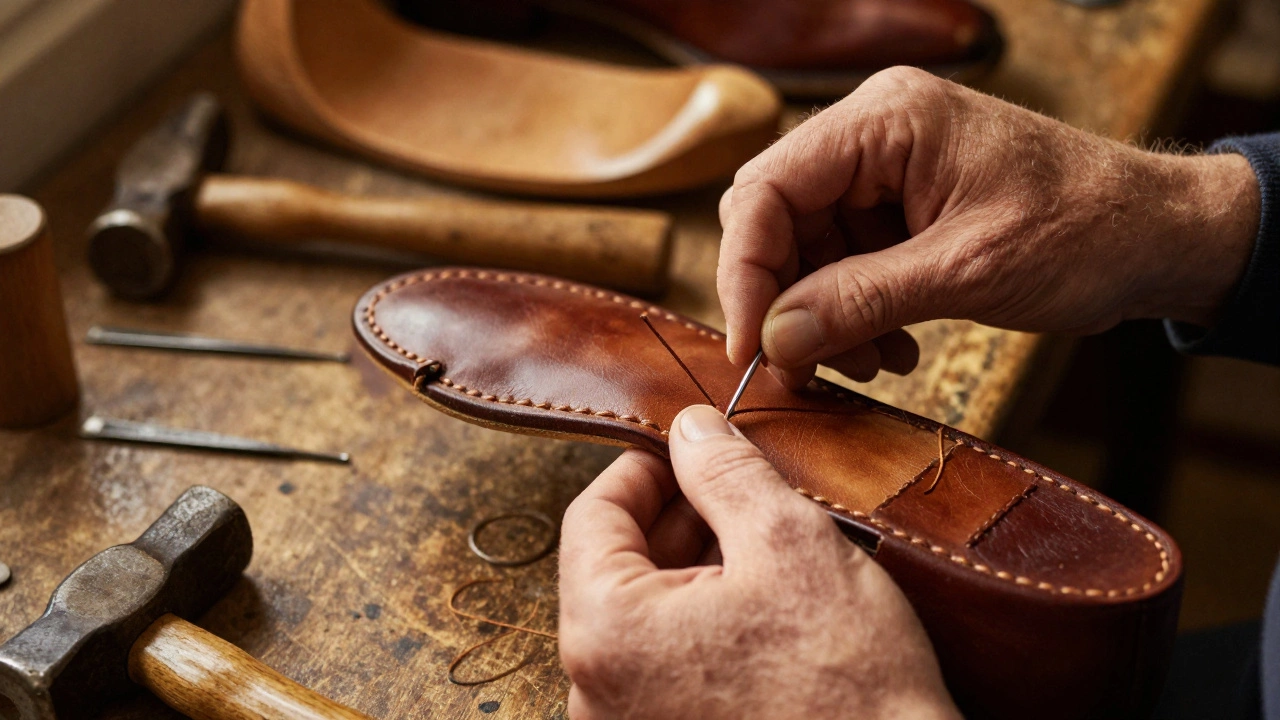
If there is a single contender for the top spot in global footwear history, it is the Goodyear welted shoe. This construction method, invented by Charles Goodyear Jr. in 1869, revolutionized how we build durable footwear. Instead of gluing the upper part of the shoe directly to the sole, a strip of leather (the welt) is stitched to both. The sole is then stitched to the welt. Why does this matter? Because if the sole wears out, you don’t throw the shoe away. You take it to a cobbler, replace the sole, and keep the upper. In Ireland, where quality over quantity has always been a cultural staple, this repairability is king.
This style dominates the high-end market in Dublin and Cork because it balances formal elegance with rugged durability. Whether you are attending a wedding in Kildare or walking through the streets of Limerick, a well-made leather shoe offers a level of sophistication that synthetic materials simply cannot match. The "number one" status comes from its longevity. A pair of quality Goodyear welted shoes can last decades, making them the most cost-effective and sustainable choice in the long run.
The Irish Context: Weather, Terrain, and Tradition
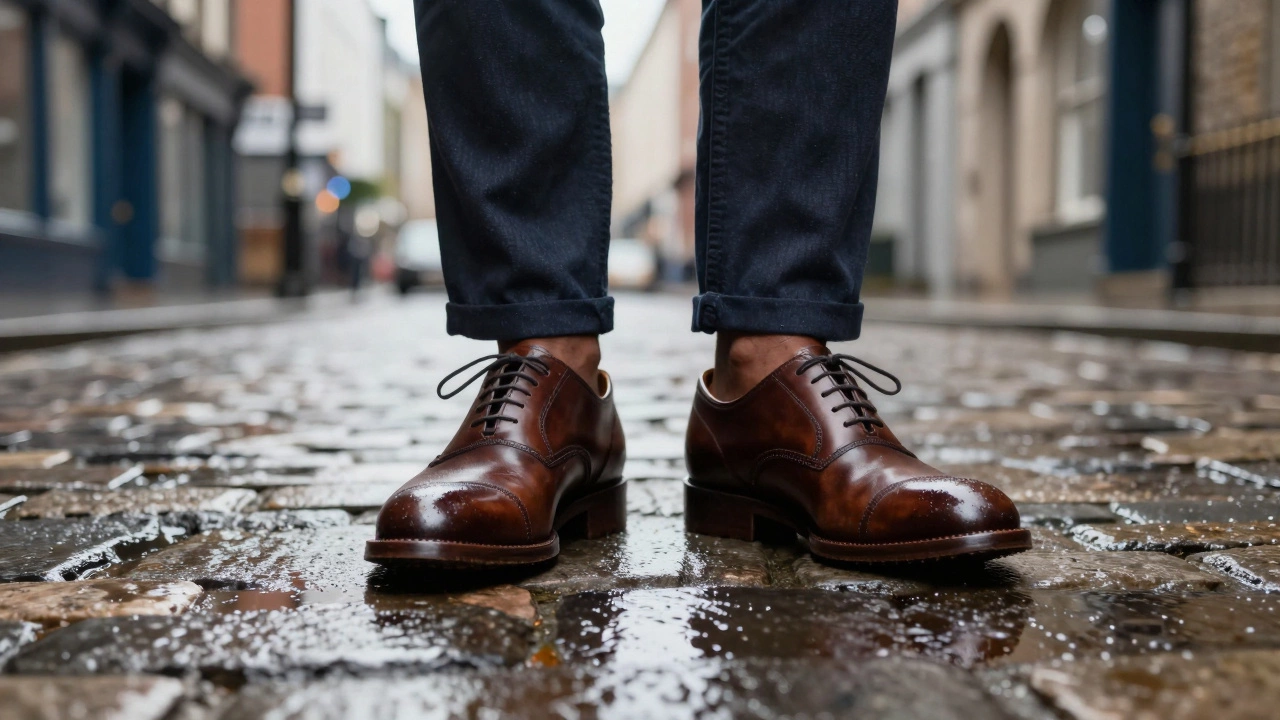
You cannot talk about the best shoes without talking about the weather. Ireland is famous for its rain. Not just occasional drizzles, but persistent, soaking downpours that can ruin cheap leather in weeks. This environmental factor shapes our footwear choices significantly. The "number one shoe" here must be water-resistant and capable of handling mud, especially if you plan to venture outside the city limits.
Consider the geography. If you are driving from Dublin to Dingle, you might step out onto uneven, wet terrain. Standard dress shoes with smooth soles will slip. That is why the Irish preference leans towards boots or shoes with a robust tread, often made from full-grain leather. This type of leather retains the natural grain of the hide, making it stronger and more breathable than corrected leather. Brands like Clarks, founded in Street, Somerset but deeply rooted in British-Irish trade history, have long understood this need for practical yet stylish footwear. Their Desert Boots, while iconic, are often too casual for the "number one" formal title, but their leather loafers and oxfords hold a strong place in the local wardrobe.
Furthermore, Ireland has a rich tradition of shoemaking. While much of the mass production has moved overseas, the appreciation for craftsmanship remains. In cities like Cork and Galway, independent cobblers still thrive, repairing and resoling shoes for locals who value heritage. This cultural respect for repairability elevates the status of traditional leather shoes above disposable fashion trends.
Top Contenders: Global Giants vs. Local Heroes
When searching for the ultimate shoe, several brands consistently rise to the top. Here is how they stack up in the Irish market:
| Brand | Origin | Key Feature | Best For | Price Range (EUR) |
|---|---|---|---|---|
| Church's | UK (Cobbs of St. John's) | Classic Goodyear Welting | Formal Business & Weddings | €400 - €600 |
| John Lobb | France/UK | Bespoke Craftsmanship | Ultra-Luxury & Custom Fit | €1,500+ |
| Clarks | UK | Cushion Comfort & Durability | Everyday Wear & Walking | €80 - €150 |
| Allen Edmonds | USA | Wide Width Options | Comfort-Seeking Professionals | €300 - €500 |
| Meermin | Spain | Affordable Quality | Budget-Conscious Enthusiasts | €150 - €250 |
Among these, Church's often claims the crown for many Irish professionals. Available in major department stores like Brown Thomas in Dublin, Church's offers a perfect blend of classic design and reliable performance. Their shoes handle the transition from office to pub seamlessly. However, for pure comfort during long walks, Clarks remains a household name in Ireland, trusted by generations for their ability to withstand daily wear and tear.
Choosing the Right Style for Your Lifestyle
The "number one shoe" isn't a one-size-fits-all solution. Your lifestyle dictates which specific type of leather shoe earns that title for you. Let’s break it down by common scenarios in Ireland:
- The Corporate Professional: If you work in financial services in Dublin's Docklands, you need a sleek Oxford or Derby shoe. Black or dark brown calfskin is standard. These shoes signal authority and professionalism. Look for brands like Loake or Grenson, which offer excellent value and style.
- The Creative Freelancer: Working from a café in Temple Bar or a studio in Belfast? A suede Chelsea boot or a brogue adds character without being too formal. Suede is stylish but requires careful maintenance in wet weather, so invest in a good waterproof spray.
- The Weekend Explorer: Planning a hike in Wicklow or a trip to the Cliffs of Moher? You need a leather boot with a Vibram sole. Brands like Red Wing or Blundstone (popular in rural Ireland) provide the grip and support needed for uneven ground.
For most people, a versatile dark brown cap-toe Oxford serves as the ultimate all-rounder. It pairs well with suits, chinos, and even dark jeans, making it a smart investment for any wardrobe.
Maintenance: Keeping Your Shoes in Prime Condition
Owning the best shoe means nothing if you don’t care for it. In Ireland’s damp climate, neglect can lead to mold, cracked leather, and ruined soles. Here is how to maintain your leather shoes:
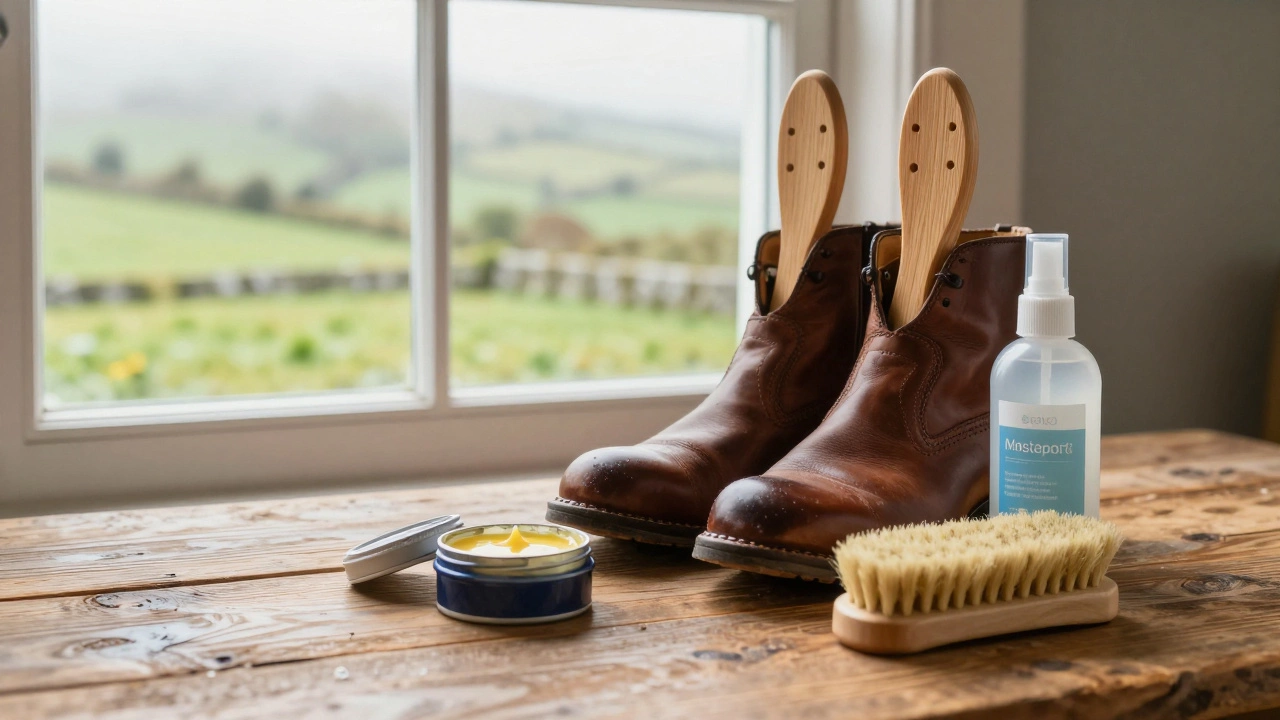
- Use Shoe Trees: After wearing your shoes, insert cedar shoe trees. They absorb moisture from the inside and help the leather retain its shape. This is crucial after a day of walking in humid conditions.
- Rotate Your Shoes: Never wear the same pair two days in a row. Leather needs time to dry out and recover its structure. Having at least two pairs ensures they stay fresh.
- Regular Polishing: Use a cream polish to nourish the leather and a wax polish for shine. Polish every few weeks, depending on how often you wear them. This protects the leather from water damage.
- Professional Resoling: When the soles wear thin, visit a skilled cobbler. In Ireland, shops like Shoe Revival in Dublin or local cobblers in smaller towns can restore your shoes to near-new condition.
Pro tip: Always apply a waterproofing spray before the first rainy season. Products like Saphir Invulnerabil create an invisible barrier against water without altering the look of the leather.
Where to Buy Quality Shoes in Ireland
Finding the right store can make or break your purchase. Here are some recommended spots across the country:
- Dublin: Visit Brown Thomas on Grafton Street for a wide range of luxury brands. For a more specialized experience, check out The Shoe Department or independent boutiques in Merrion Square.
- Cork: O'Neills is a historic department store offering excellent service and a curated selection of men’s and women’s footwear.
- Galway: Explore the independent shops around Shop Street for unique finds and personalized advice from local experts.
- Online: Websites like End Clothing and Mr Porter deliver to Ireland, offering a vast selection of international brands. Just ensure you check return policies carefully.
Remember, buying shoes online can be tricky due to fit issues. If possible, try on styles in-store first to determine your exact size and width. Different brands have different lasts (the mold used to shape the shoe), so a size 9 in one brand might feel tight in another.
Sustainability and Ethical Considerations
In today’s world, what makes a shoe "number one" also includes its ethical footprint. Fast fashion contributes significantly to waste and pollution. By choosing high-quality leather shoes that last for years, you are making a more sustainable choice. Additionally, look for brands that use responsibly sourced leather and ethical manufacturing practices. Some companies now offer vegetable-tanned leather, which uses natural tannins instead of harmful chemicals, reducing environmental impact.
Ireland has seen a growing interest in sustainable fashion. Supporting local cobblers and buying second-hand vintage shoes are also great ways to reduce waste. Many vintage stores in Dublin and Cork offer beautifully preserved leather shoes at a fraction of the original price.
Conclusion: Investing in Yourself
So, what is the number one shoe in the world? For the discerning individual in Ireland, it is the well-crafted, Goodyear welted leather shoe. It combines tradition, durability, and style in a way that no other footwear can. It respects the weather, supports your feet, and ages gracefully with you. Whether you choose a classic Oxford from Church's or a comfortable loafer from Clarks, investing in quality footwear is an investment in your daily life. It shows attention to detail, respect for craftsmanship, and a commitment to lasting value. Next time you’re shopping, skip the disposable trends and reach for the classics. Your feet-and your wallet-will thank you.
What is the most popular shoe brand in Ireland?
Clarks is arguably the most recognized and widely worn shoe brand in Ireland due to its long history, affordability, and focus on comfort. For higher-end fashion, Church's and Loake are very popular among professionals.
Are leather shoes suitable for Irish weather?
Yes, full-grain leather shoes are highly suitable if properly maintained. They should be treated with waterproofing sprays and polished regularly to protect against rain and humidity. Avoid suede in heavy rain unless treated specifically.
What is the difference between Oxford and Derby shoes?
Oxford shoes have closed lacing, where the quarters are sewn under the vamp, giving a sleeker, more formal look. Derby shoes have open lacing, with the quarters sewn on top of the vamp, making them more adjustable and slightly less formal. Derbies are often more comfortable for wider feet.
How often should I resole my leather shoes?
It depends on usage, but generally every 1-2 years for regular wear. Signs you need a resole include thinning soles, visible wear patterns, or reduced grip. Regular inspection by a cobbler can help determine the right time.
Where can I find a good cobbler in Dublin?
Dublin has several reputable cobblers, including Shoe Revival on South Great George's Street and independent shops in areas like Rathmines and Ballsbridge. Always ask for recommendations locally, as quality can vary.
Is it better to buy shoes online or in-store in Ireland?
For the first pair of a new brand, buying in-store is recommended to ensure proper fit. Once you know your size and preferred brand, online shopping can be convenient and often offers better prices. Stores like Brown Thomas and O'Neills provide excellent in-person service.
What type of leather is best for durability?
Full-grain leather is the most durable and highest quality. It retains the natural grain of the hide and develops a patina over time. Calfskin is softer and smoother, ideal for formal shoes, while cowhide is thicker and more rugged, suitable for boots.
Can I wear leather shoes in the rain?
You can, but you should minimize exposure. If your shoes get wet, let them dry naturally at room temperature with shoe trees inserted. Never place them near direct heat sources like radiators, as this can crack the leather.