Irish Footwear Translator & Sizing Guide
Not sure what to ask for in a Dublin shop? Or worried about your shoe size fitting? Use this tool to translate common American footwear terms into their Irish equivalents and check your size.
Vocabulary Translator
US to UK Shoe Size Converter
You walk into a shop on Grafton Street in Dublin or browse online from your kitchen in Cork, and you see a pair of comfortable athletic shoes. You want to buy them. But when you ask the sales assistant, "Do you have these sneakers in a size nine?", they might look at you with a polite but confused expression. Why? Because while "sneakers" is the standard term across the Atlantic, here in Ireland and the wider UK, we don't use that word. We call them trainers. This isn't just a minor linguistic quirk; it's a fundamental part of how we talk about footwear. If you're moving to Ireland, visiting for a holiday, or just curious about why our language differs so sharply from American English, understanding this distinction saves you awkward moments and helps you blend in.
The confusion often stems from pop culture. Hollywood movies are filled with characters talking about their "fresh kicks" or "sneakers." When an American tourist lands at Shannon Airport and asks for sneakers, they aren't wrong in a global sense, but they are out of sync with local usage. In Ireland, the word "trainer" dominates everyday conversation, retail signage, and even official product descriptions. It’s the default term for any athletic-style shoe, whether you’re wearing them for a run in Phoenix Park or just for comfort while shopping at Dundrum Town Centre. Knowing this one word changes how you interact with the entire retail landscape.
Why Do We Say Trainers Instead of Sneakers?
To understand the present, you have to look at the past. The term "trainer" has deep roots in British and Irish history, dating back to the late 19th and early 20th centuries. Originally, these shoes were designed specifically for training-athletic training. They were lightweight, flexible, and meant to help people exercise without injuring themselves. Over time, as these shoes became popular for casual wear, the name stuck. Unlike the American term "sneaker," which refers to the quiet rubber sole that allowed you to sneak up on someone, the British/Irish term focuses on the original function: physical activity.
This linguistic divide reflects broader cultural differences. While both regions share the English language, our vocabulary evolved separately after colonization ended and distinct national identities formed. In Ireland, we retained many British linguistic habits due to historical proximity and trade. So, if you are in Belfast or Limerick, you will hear "trainers" exclusively. Using "sneakers" marks you immediately as an outsider, likely from North America. It’s not a mistake that causes offense, but it does signal where you’re from instantly.
Regional Variations Within Ireland
While "trainers" is the universal term across the island, you might encounter slight variations depending on who you’re talking to and their age group. Older generations in rural parts of Kerry or Donegal might still refer to specific types of casual shoes by older terms, such as "plimsolls" for very thin-soled canvas shoes, though this is becoming rare. For the vast majority of the population, especially under the age of 50, "trainers" is the only word used.
There is also a subtle class distinction. In some contexts, particularly among younger urbanites in cities like Galway or Waterford, slang terms creep in. You might hear "runners" used colloquially, especially in Northern Ireland, where the influence of Scottish and Ulster dialects is stronger. However, "runners" can sometimes imply cheap, disposable footwear rather than quality athletic gear. If you go into a high-end store on Henry Street in Dublin asking for "runners," the staff might assume you want basic, low-cost options. If you want premium brands like Nike or Adidas, stick to "trainers." It sounds more precise and respectful of the product.
Shopping for Trainers in Ireland
If you’re planning to buy a pair, knowing the right terminology helps you navigate stores efficiently. Major retailers like Brown Thomas, Arnotts, and independent boutiques all label their sections as "Trainers" or "Athletic Footwear." You won’t find a section labeled "Sneakers." Online retailers shipping to Ireland, such as ASOS or JD Sports, also adapt their interfaces for the UK and Irish markets, using "trainers" in their filters and search categories.
| US Term | Ireland/UK Term | Context & Usage Notes |
|---|---|---|
| Sneakers | Trainers | Standard term for athletic/casual shoes. Used in all retail contexts. |
| Tennis Shoes | Plimsolls (or Canvas Trainers) | Plimsolls are usually thinner, cheaper canvas shoes. Not used for heavy sports. |
| Running Shoes | Running Trainers | Specific subtype of trainers designed for jogging or running. |
| Gym Shoes | Gym Trainers / Cross-trainers | Versatile shoes for gym workouts. Often called cross-trainers. |
| Slip-ons | Slip-on Trainers | Laceless casual shoes. Still referred to as trainers. |
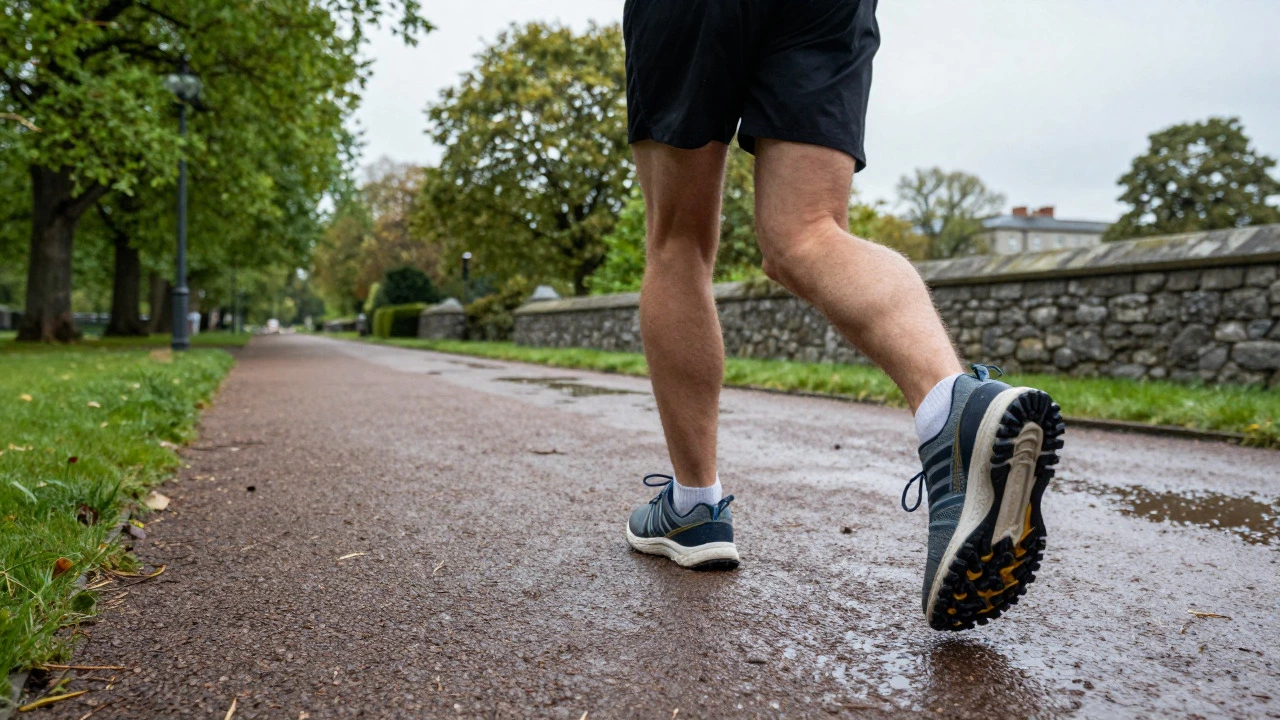
When you visit physical stores, pay attention to how assistants describe products. If you ask for something "comfortable for walking around Dublin," they will likely suggest cushioned trainers with good arch support. The Irish climate plays a huge role here. Our weather is famously unpredictable-rain can start during a sunny morning walk. Therefore, waterproof or water-resistant trainers are incredibly popular. Brands like Clarks, Ecco, and specialized lines from Nike with Gore-Tex technology sell well because they handle the damp conditions common in places like Connemara or the Wicklow Mountains.
Cultural Nuances and Slang
Ireland has a rich tradition of colorful language, and footwear is no exception. While "trainers" is the formal and correct term, friends might use slang. In Dublin, you might hear "togs" referring to clothes in general, but rarely for shoes specifically. However, "kicks" has gained traction globally through hip-hop culture and social media, so young people in areas like Ranelagh or Rathmines might say, "Nice kicks," meaning nice trainers. This is informal and friendly, but don’t use it with a shop assistant unless you’ve established a rapport.
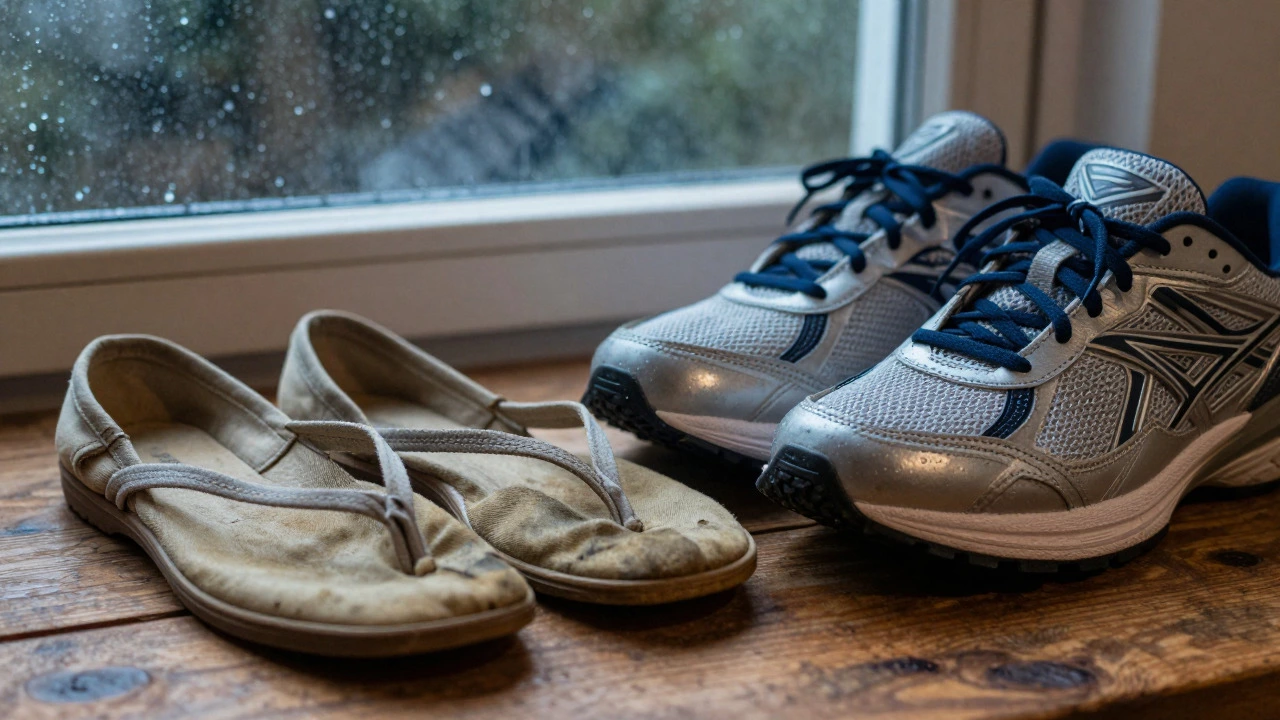
Another nuance involves football culture. Given the massive popularity of Gaelic games and soccer in Ireland, specific types of trainers are associated with sports. Hurling boots or soccer boots are distinct from casual trainers. If you mix these up, you’ll get funny looks. A trainer is for street wear or light gym use. A boot is for playing sport on grass or synthetic pitches. Asking for "soccer sneakers" would be confusing; ask for "soccer boots" or "football boots." This distinction is taken seriously by anyone involved in local sports clubs, whether you’re in a small village club in Tipperary or a large academy in Cork City.
Practical Advice for Visitors and Expats
If you’re moving to Ireland or visiting for an extended stay, adapting your vocabulary is part of settling in. Here are a few tips to ensure you communicate clearly:
- Use "Trainers" in Retail: Always use this word when buying shoes. It shows you respect local norms.
- Avoid "Sneakers" in Formal Settings: If you’re writing an email to a school uniform supplier or a workplace dress code policy, use "trainers." "Sneakers" might seem unprofessional or overly American.
- Check Weather-Appropriate Options: Ask for "waterproof trainers" if you plan to walk outdoors frequently. The rain in Ireland is persistent, and wet feet are a common complaint for newcomers.
- Understand Size Differences: Ireland uses UK sizing. If you’re from the US, remember that US sizes are typically two numbers larger than UK sizes (e.g., US 10 is UK 8). Confirm this with the staff, as conversion errors are common.
It’s also worth noting that while "trainers" is the dominant term, the rise of e-commerce has blurred some lines. Amazon UK and other international sites sometimes use mixed terminology. However, local Irish businesses maintain strict adherence to "trainers." Supporting local shops in towns like Kinsale or Westport means engaging with local language, which builds community connections.
Frequently Asked Questions
Is it rude to say sneakers in Ireland?
No, it is not rude. People will understand exactly what you mean. However, it identifies you as a foreigner, usually from North America. Locals may politely correct you or simply answer your question using the word "trainers." Using the local term is seen as a sign of cultural awareness and respect.
Are plimsolls the same as trainers?
Not exactly. Plimsolls are a specific type of casual shoe with a thin rubber sole and canvas upper, originally designed for beach wear or light exercise. Trainers is a broader category that includes modern athletic shoes with thick soles, advanced cushioning, and various materials. All plimsolls could be considered a type of trainer, but not all trainers are plimsolls.
Can I wear trainers to work in Ireland?
This depends entirely on the workplace. In tech companies, creative agencies, and many casual offices in Dublin or Cork, smart trainers are increasingly acceptable. However, in traditional sectors like banking, law, or government roles, trainers are generally too casual. Always check the company dress code. Smart leather trainers are often a middle-ground option.
Do Irish people use the word 'shoes' instead of trainers?
People often use "shoes" as a generic term. If someone says, "I need new shoes," they might mean trainers, boots, or formal shoes. Context matters. If they are going to the gym, "shoes" implies trainers. If they are going to a wedding, it implies formal footwear. To be clear, specifying "trainers" removes ambiguity.
Is there a difference between UK and Irish usage of 'trainers'?
The usage is virtually identical across the UK and Ireland. Both countries use "trainers" as the standard term for athletic footwear. Minor regional slang exists (like "runners" in parts of Northern Ireland), but the core vocabulary is shared due to historical and economic ties.