Activewear Value & Budget Calculator
Your Usage Profile
Comparison Results
Walking down Grafton Street in Dublin or browsing the boutiques in Dundrum Town Centre, you’ve likely noticed it: a pair of Lululemon leggings often retails for over €100. In Ireland, where the average weekly grocery bill hovers around €70-€80, spending that much on a single pair of trousers feels steep. It’s not just about vanity; it’s a genuine question for anyone trying to balance their budget while staying active in our unpredictable weather. Why does this Canadian brand command such high prices in the Irish market?
The short answer is that you aren’t just paying for fabric. You are paying for proprietary technology, ethical manufacturing standards, a specific retail experience, and a marketing machine that has successfully positioned itself as a lifestyle status symbol. But is it worth it? Let’s break down exactly where your money goes when you buy into the Lululemon ecosystem in Ireland.
The Fabric Technology: Nulu, Luon, and Beyond
At the core of the price tag is the material itself. Most fast-fashion brands use standard polyester or nylon blends. Lululemon invests heavily in R&D to create proprietary fabrics like Nulu, which they claim feels "barely there," and Luon, known for its sweat-wicking properties and structure. These fabrics are engineered to be four-way stretch, meaning they move with your body whether you’re hiking the Wicklow Mountains or commuting on the DART from Malahide to City West.
This isn’t just marketing fluff. The production of these specialized textiles requires advanced machinery and strict quality control. When you buy a pair of Align pants, you are paying for a fabric that resists pilling (the little balls of fuzz that form on cheap sweaters) and maintains its shape after dozens of washes. For an Irish consumer who values longevity due to the higher cost of living, this durability is a key selling point, even if the upfront cost is high.
Ethical Manufacturing and Labor Costs
One of the biggest factors driving up the price is where and how the clothes are made. Unlike many competitors who source from factories with lower labor standards, Lululemon has a strict Code of Conduct for its suppliers. They audit factories regularly to ensure fair wages, safe working conditions, and reasonable hours. Most of their products are manufactured in countries like Vietnam, China, and Bangladesh, but under stricter ethical guidelines than the industry average.
In Ireland, there is a growing consciousness around ethical consumption. We see this in the rise of local brands and the popularity of second-hand shops in areas like Temple Bar or the Smithfield Market. When you pay more for Lululemon, part of that premium covers the cost of paying factory workers a living wage rather than the minimum wage. This aligns with the values of many Irish consumers who are increasingly wary of the environmental and social impact of fast fashion giants like Primark or H&M.
The Retail Experience and Brand Positioning
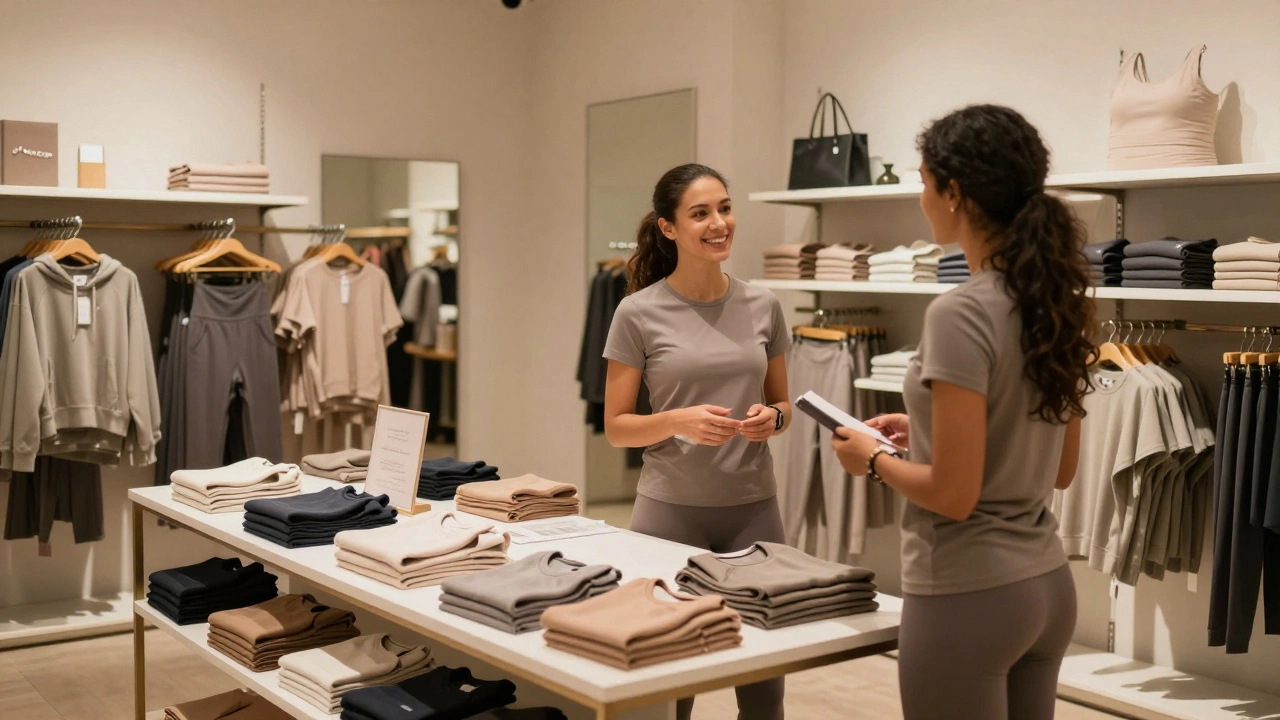
Have you ever walked into a Lululemon store in Stillorgan or the Parrys Mall? It doesn’t feel like a typical clothing shop. There are no racks of hangers cluttered with stock. Instead, items are folded neatly on tables, and the lighting is warm and inviting. Staff members, known as Educators, are trained to offer personalized advice on fit and function, often sharing their own experiences with yoga or running.
This curated experience is expensive to maintain. Renting prime retail space in Dublin’s shopping districts, training staff extensively, and maintaining high aesthetic standards all add to the overhead costs. Lululemon positions itself not just as a seller of gym wear, but as a provider of a wellness lifestyle. They host free yoga classes, community runs, and events, building a loyal tribe. In Ireland, where community connection is highly valued, this strategy resonates deeply. You are paying for access to this community and the prestige associated with the brand.
| Brand | Avg. Price (Leggings) | Key Selling Point | Availability in Ireland |
|---|---|---|---|
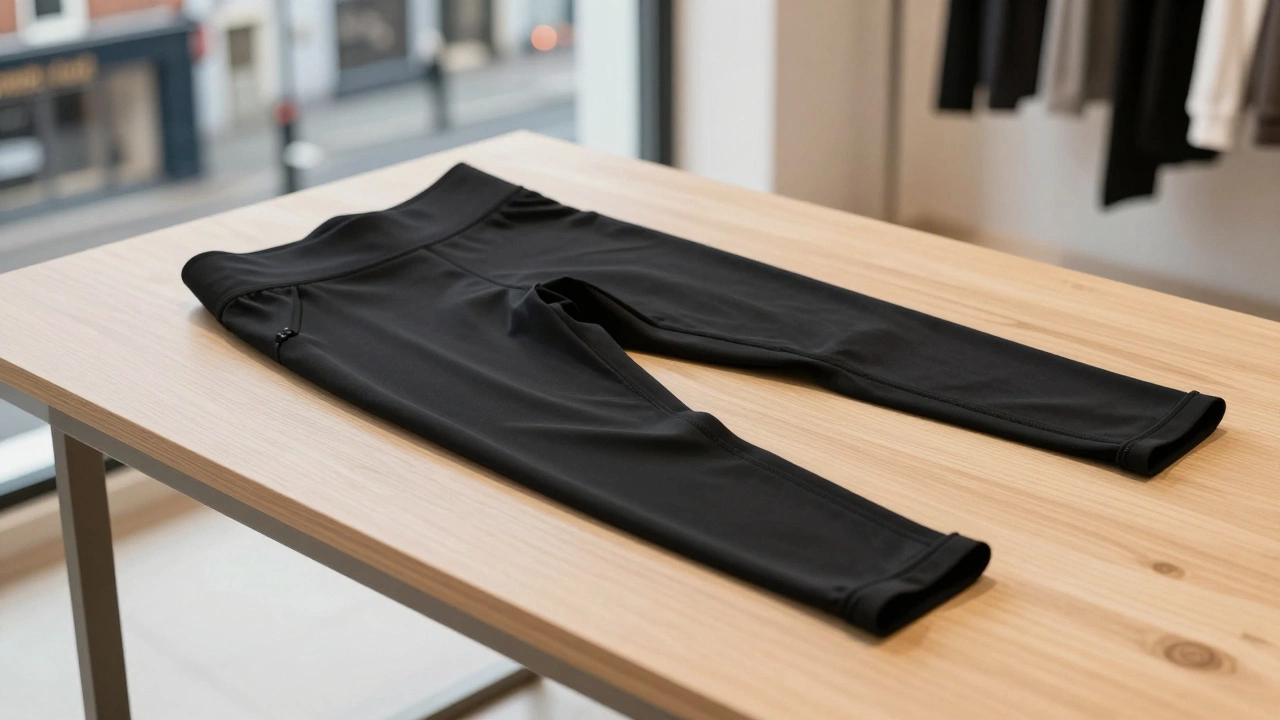
| Lululemon | €98 - €128 | Premium fabric tech, ethical sourcing | Dublin, Cork, Galway, Kilkenny |
| Decathlon (Kalenji/Domyos) | €15 - €35 | Affordability, functional basics | Nationwide (Dublin, Limerick, etc.) |
| Nike | €50 - €80 | Brand recognition, performance tech | All major towns/cities |
| Primark | €10 - €20 | Lowest price, trendy styles | Nationwide |
Marketing and the "Status" Factor
Let’s be honest: there is a status element to wearing Lululemon. In Ireland, as in many places, certain brands have become shorthand for a particular lifestyle-healthy, affluent, and mindful. Lululemon spends millions on marketing, influencer partnerships, and digital advertising. When you see a local Instagrammer posting from a café in Merrion Square wearing their gear, that’s paid visibility working its magic.
This marketing creates perceived value. Even if the physical product is similar to a cheaper alternative, the psychological benefit of owning a "premium" brand drives demand. High demand allows them to keep prices high without losing customers. It’s a classic economic principle, but one that plays out visibly on our streets. If you want to signal that you invest in yourself and your health, Lululemon is currently the uniform of choice in urban Ireland.
Is It Worth It for the Irish Consumer?
So, should you shell out €120 for leggings? It depends on your priorities. If you work out intensely several times a week, value sustainability, and want garments that last for years, Lululemon offers strong value per wear. Their warranty policy, which allows returns for defects even after months of use, adds peace of mind.
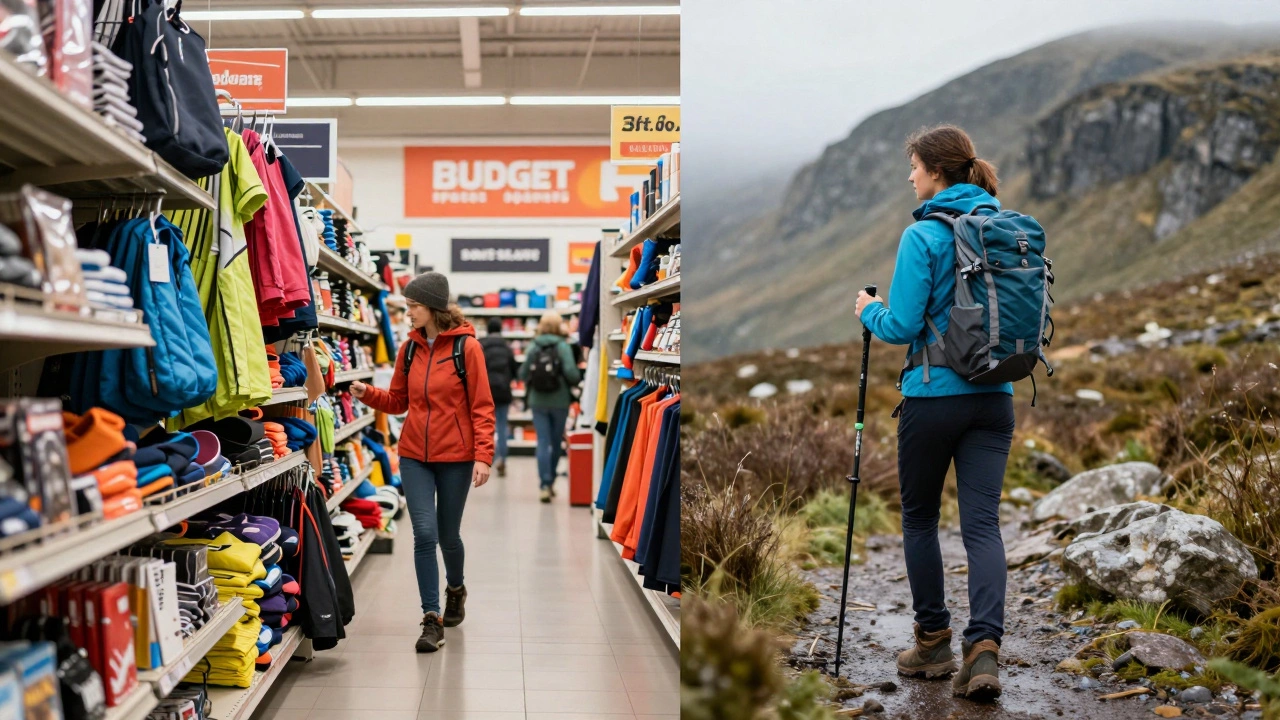
However, if you’re looking for casual comfort or occasional gym visits, there are plenty of excellent alternatives in Ireland. Decathlon offers incredible value for money with technical fabrics that perform well at a fraction of the cost. Local Irish brands like Rylee + Cru (for kids) or various independent designers on Etsy provide unique, ethically made options. Even mid-range brands like Nike or Adidas often go on sale, offering similar performance tech for less.
Consider your climate too. Ireland’s damp, cool weather demands layers. While Lululemon’s outerwear is top-tier, you might find that investing in a high-quality waterproof jacket from a specialist outdoor retailer like Snow + Rock or McIlroy Marine serves you better for hiking the Ring of Kerry than a pricey windbreaker.
Tips for Saving Money on Premium Activewear
- Check the Outlet: Lululemon has outlet stores in locations like Blanchardstown and Cork. Here, you can find previous season’s colors and styles at significant discounts.
- Buy Second-Hand: Platforms like Vinted and Depop are huge in Ireland. Search for "Lululemon" and you’ll find gently used items for 30-50% off retail. This is also a more sustainable choice.
- Wait for Sales: End-of-season sales in January and July often see markdowns of 20-40%. Sign up for their newsletter to get early access.
- Focus on Staples: If you do buy new, invest in versatile pieces like black leggings or a neutral tank that match everything, rather than trend-driven prints.
The Future of Activewear Pricing in Ireland
As inflation continues to affect the cost of living in Ireland, we may see a shift in consumer behavior. More people are turning to thrifting and repairing old clothes rather than buying new. Brands that fail to justify their price tags through genuine quality and ethics will lose ground. Lululemon’s focus on durability and repair programs (they offer free repairs for minor issues) helps them stay relevant in this changing landscape.
Ultimately, the high price of Lululemon is a mix of real costs (fabric, labor, rent) and perceived value (brand status, community). Whether it’s worth it is a personal decision based on your budget and values. But now you know exactly what you’re paying for-and you have the tools to make a smarter choice, whether that’s splurging on a new pair of Aligns or grabbing a bargain at Decathlon.
Where can I buy Lululemon in Ireland?
Lululemon has physical stores in major cities including Dublin (Grafton Street, Dundrum, Stillorgan), Cork (English Market), Galway (Quay Street), and Kilkenny (The Mall). They also ship nationwide via their online store.
Does Lululemon offer student discounts in Ireland?
Yes, Lululemon offers a 10% discount for students. You can verify your student status through their website using services like Student Beans or UNiDAYS, which are popular among Irish university students.
Are Lululemon leggings suitable for rainy Irish weather?
While Lululemon leggings are water-resistant to some degree, they are not fully waterproof. For heavy rain, especially during hikes in places like the Burren or Killarney National Park, it’s better to layer them with a dedicated waterproof jacket or rain pants.
How does Lululemon compare to Nike in terms of price and quality?
Lululemon is generally more expensive than Nike. Nike offers a wider range of price points and is often seen as more focused on athletic performance, while Lululemon emphasizes comfort and lifestyle aesthetics. Both brands offer high quality, but Lululemon’s fabrics are often considered softer and more luxurious for low-impact activities like yoga.
Can I return Lululemon items bought online to a store in Ireland?
Yes, Lululemon allows returns of online purchases to any physical store in Ireland within 30 days, provided the items are unworn and have tags attached. This makes shopping convenient for those who prefer to try things on before keeping them.