Sleeveless Jacket Identifier
Answer these questions to find out the correct name for your sleeveless garment.
Select options and click "Identify Garment" to see the result.
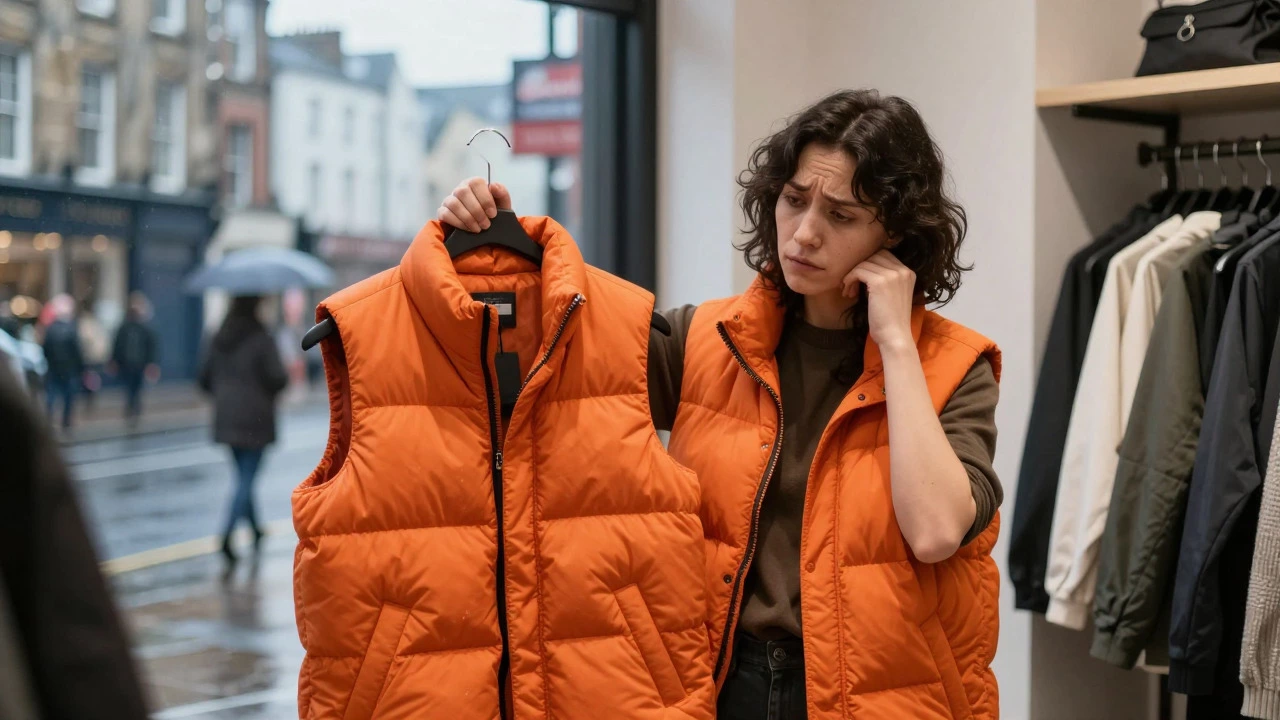
You’re standing in the changing room of a shop on Grafton Street, holding up a garment that looks like a jacket but has completely disappeared where the arms should be. It’s warm enough for a brisk walk along the Liffey, stylish enough for a dinner in Temple Bar, but you have no idea what to call it. Is it a vest? A gilet? A waistcoat? In Ireland, this confusion is common because we borrow terms from American English, British English, and our own local dialect.
If you are looking for the specific name for a jacket with no sleeves, the answer depends entirely on what it is made of and how you plan to wear it. Generally, these garments fall into three main categories: the gilet, the waistcoat, and the vest. Understanding the difference will save you from awkward moments when asking staff for help or searching online stores.
The Gilet: The Essential Irish Outerwear Layer
When most people in Ireland ask about a "jacket with no sleeves," they are usually referring to a gilet (pronounced zhuh-LAY). This is a sleeveless jacket designed primarily for warmth. Unlike a formal waistcoat, a gilet is an outer layer. It often features a zip or buttons down the front, pockets, and sometimes a hood.
In Ireland, the gilet is a cultural staple. Our weather is unpredictable; you can experience sun, rain, and wind within the same hour. A heavy coat might be too hot if the sun comes out, but a t-shirt is never enough. The gilet bridges this gap perfectly. You see them everywhere-from farmers working in County Kerry to commuters waiting for the DART in Dublin. Brands like O’Neill’s and international outdoor retailers stock them heavily because they are practical for hiking the Wicklow Mountains or walking the Cliffs of Moher without restricting arm movement.
Gilets come in various materials:
- Puffer Gilets: Filled with synthetic insulation or down. These are lightweight and packable, ideal for layering under a waterproof shell during rainy seasons.
- Fleece Gilets: Made from soft, brushed fabric. Great for casual wear around the house or light outdoor activities.
- Quilted Gilets: Often made from cotton or nylon with a stitched pattern. These offer a more structured look and are popular in smart-casual settings.
If you need something to keep your core warm while allowing your arms to move freely for gardening, fishing, or driving, the gilet is the correct term to use.
The Waistcoat: Formal Sleeveless Jacket
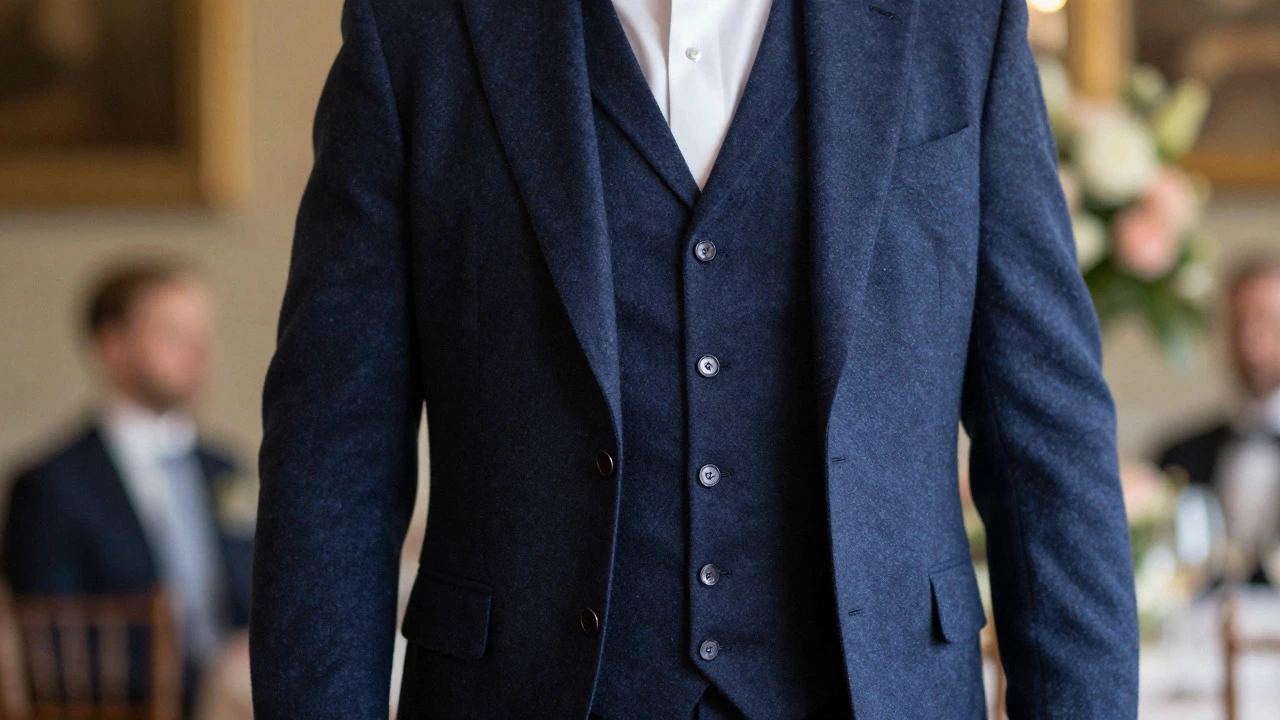
If the sleeveless garment is tailored, made from suit fabric (like wool or tweed), and worn as part of a three-piece suit, it is called a waistcoat. In American English, this is often called a "vest," but in Ireland and the UK, "vest" usually refers to underwear. Calling your formal suit piece a "vest" in a Dublin tailor shop might lead to some confused looks.
The waistcoat serves a different purpose than the gilet. It is not typically worn as outerwear against the elements. Instead, it adds warmth and structure to a suit ensemble. You’ll see waistcoats at weddings in country houses across Munster, at business meetings in financial hubs like Leopardstown, or at traditional music sessions where men dress in their best attire.
A key feature of a waistcoat is that it should always cover the waistband of your trousers. It usually fastens with buttons and has a V-neck shape. If you are buying a suit in Ireland, many shops offer the option to purchase the waistcoat separately, allowing you to mix and match colors. For example, a grey suit paired with a navy waistcoat is a classic combination seen frequently in Irish professional circles.
The Vest: Casual and Athletic Sleeveless Tops
The term vest is used in Ireland for lighter, more casual sleeveless tops. However, its meaning shifts depending on context. In everyday speech, an "undershirt" or "singlet" is often called a vest. But in fashion and sportswear, a vest refers to a sleeveless top worn over other clothing.
Think of the mesh vests worn by athletes during training sessions at Croke Park or the Denzil Connell Memorial Stadium. These are athletic vests. In streetwear, you might see denim vests or leather vests worn by bikers or fans attending concerts at the 3Arena. These are fashion statements rather than functional warmth layers like the gilet.
If you are shopping for a casual, sleeveless top to wear over a t-shirt in summer, you are likely looking for a vest. Retailers like JD Sports or Sport Direct in Ireland will categorize these under "Vests" or "Sleeveless Tops." They are breathable, allow for maximum mobility, and are perfect for Ireland’s occasional warm spells in July and August.
Comparison: Which One Do You Need?
| Garment Name | Primary Use | Material Examples | Formality Level | Best For Weather |
|---|---|---|---|---|
| Gilet | Warmth, Outdoor Activity | Down, Synthetic Fill, Fleece | Casual to Smart-Casual | Cool, Windy, Rainy (Layered) |
| Waistcoat | Formal Attire, Suit Component | Wool, Tweed, Silk | Formal | Indoor, Mild Outdoor |
| Vest | Casual Wear, Sports, Underwear | Cotton, Mesh, Denim, Leather | Casual to Very Casual | Warm, Hot |
Why Sleeveless Jackets Are Popular in Ireland
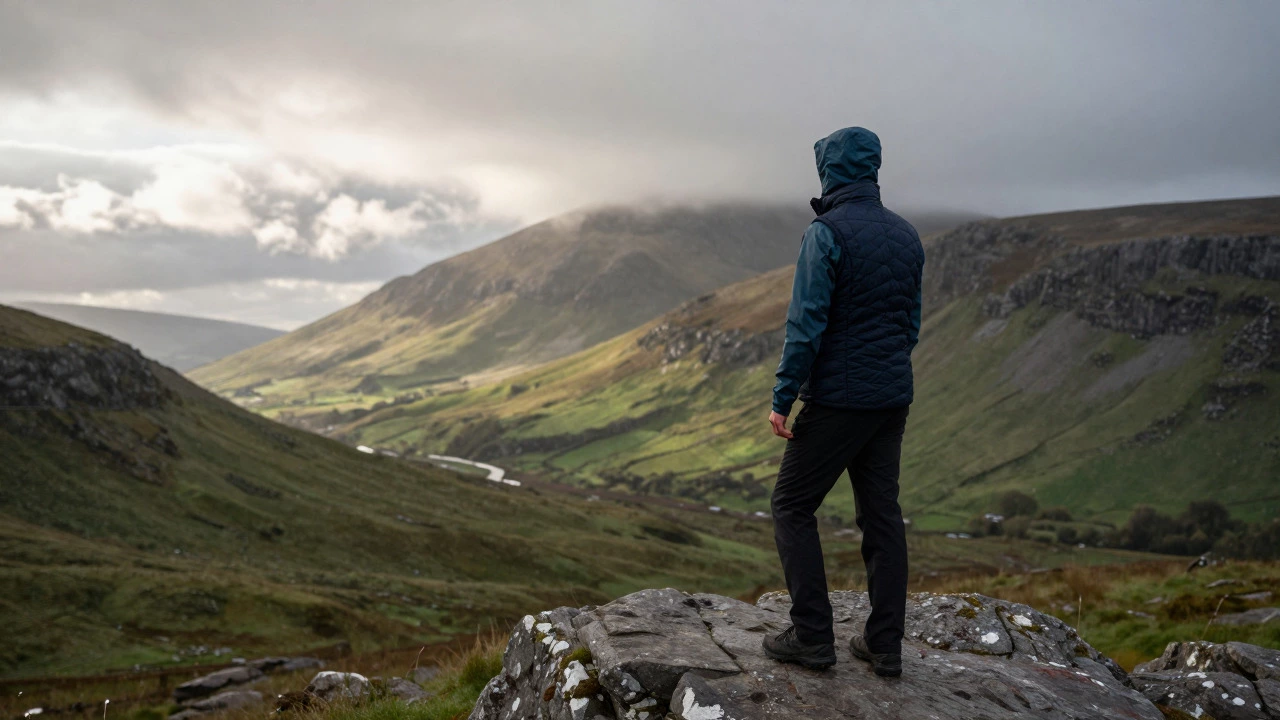
Ireland’s climate plays a huge role in the popularity of sleeveless jackets. We don’t have extreme cold like Scandinavia, nor do we have consistent heat like Spain. Instead, we have damp chill. The cold penetrates through wet clothes, making core temperature regulation crucial. A gilet keeps your torso warm, which helps maintain overall body heat, even if your arms are exposed. This is why you’ll see hikers on the Slieve League cliffs wearing gilets over waterproof jackets-they provide an extra layer of insulation without bulk.
Additionally, Irish culture values practicality. Garments that serve multiple purposes are highly regarded. A gilet can be worn to work, then taken off and packed away for a weekend trip to Galway. Its versatility makes it a cost-effective choice for consumers who want to maximize their wardrobe utility.
Where to Buy Sleeveless Jackets in Ireland
Finding the right sleeveless jacket is easy thanks to Ireland’s diverse retail landscape. For high-quality outdoor gilets, head to specialized stores like Mountain Warehouse or Decathlon, which have locations in major towns including Cork, Limerick, and Dundalk. These brands offer durable options suitable for Ireland’s rugged terrain.
For fashion-forward vests and waistcoats, department stores such as Dunnes Stores and Penneys (formerly Primark) provide affordable choices. Dunnes Stores, in particular, has a strong reputation for quality basics and seasonal styles that resonate with Irish shoppers. Online retailers like ASOS and Zara also deliver quickly to all Irish postcodes, offering a wide range of designs.
If you’re looking for bespoke waistcoats, consider visiting local tailors in cities like Dublin, Galway, or Belfast. Many still practice traditional craftsmanship, creating custom-fit pieces that last for years. Supporting local businesses ensures you get a product tailored to your exact measurements and style preferences.
Caring for Your Sleeveless Jacket
To extend the life of your sleeveless jacket, follow proper care instructions. Gilets filled with down or synthetic insulation require gentle washing cycles and thorough drying to maintain loft. Avoid using fabric softeners, as they can coat fibers and reduce warmth. Waistcoats made from wool should ideally be dry-cleaned to prevent shrinking. Denim and cotton vests can usually be machine-washed on cold settings.
Storage matters too. Hang gilets and waistcoats on sturdy hangers to preserve their shape. Avoid cramming them into small spaces, which can crease fabrics permanently. Regularly check zippers and buttons for signs of wear, especially on frequently used outdoor gilets.
Is a gilet the same as a vest?
Not exactly. In Ireland, a gilet is a warm, insulated sleeveless jacket worn as outerwear. A vest is typically a lighter, non-insulated sleeveless top used for casual wear, sports, or as underwear. The key difference is function: gilets provide warmth, while vests offer style or breathability.
What is a waistcoat called in America?
In American English, a waistcoat is commonly referred to as a "vest." However, in Ireland and the UK, "vest" usually means an undershirt. To avoid confusion, use "waistcoat" when discussing formal suit components.
Can I wear a gilet in the rain?
Yes, but it depends on the material. Many modern gilets are water-resistant or can be layered under a waterproof jacket. Pure fleece gilets absorb moisture, so pair them with a shell layer during heavy Irish rains. Look for gilets labeled "water-repellent" for better protection.
Are sleeveless jackets appropriate for work in Ireland?
It depends on your workplace dress code. A tailored waistcoat is perfectly acceptable in formal office environments. A smart quilted gilet may be suitable for creative industries or casual Fridays. Athletic vests are generally too informal for most professional settings unless specified otherwise.
How do I choose between a puffer gilet and a fleece gilet?
Choose a puffer gilet if you need maximum warmth in cold, windy conditions-it traps heat efficiently. Opt for a fleece gilet if you prefer a softer feel, easier care, and moderate warmth for indoor use or mild outdoor activities. Puffers are bulkier but warmer; fleeces are lighter and more flexible.