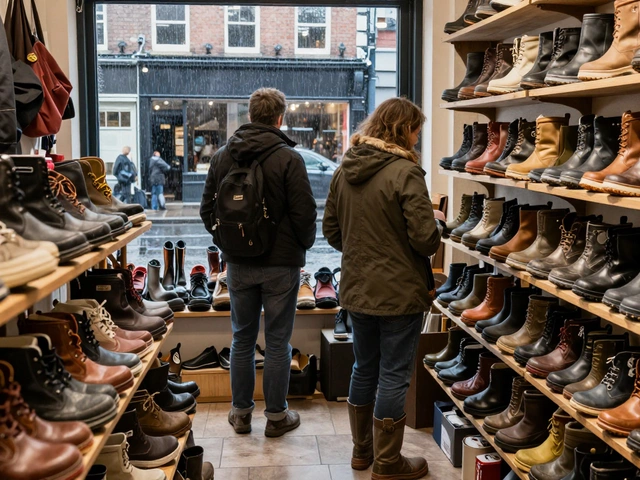
Global Shoe Terminology Translator
Select your destination or current location to see what locals call casual athletic footwear. This helps you avoid confusion when shopping or chatting with locals.
USA / Canada
North America
Ireland / UK
British Isles
Australia / NZ
Oceania
France
Continental Europe
Please select a region above to see the local terminology.
💡 Shopping Tip:
When searching online, match the term to the retailer's location. A US site may not index products under "trainers," leading to missed inventory. Always check size charts carefully as US/EU/UK sizing differs significantly.
If you’ve ever walked into a shoe shop in Dublin or Cork and asked for trainers, you know the look on an American tourist’s face. They’re confused. To them, you just asked for shoes used for physical training, not everyday casual wear. This isn’t just a semantic quirk; it’s a linguistic divide that trips up travelers, expats, and anyone shopping across the Atlantic. The core question-do Americans say trainers or sneakers?-has a simple answer: Americans overwhelmingly use "sneakers," while people in Ireland, the UK, and much of Europe stick with "trainers." But why does this split exist, and what should you call your kicks when you’re crossing borders?
The Great Transatlantic Shoe Split
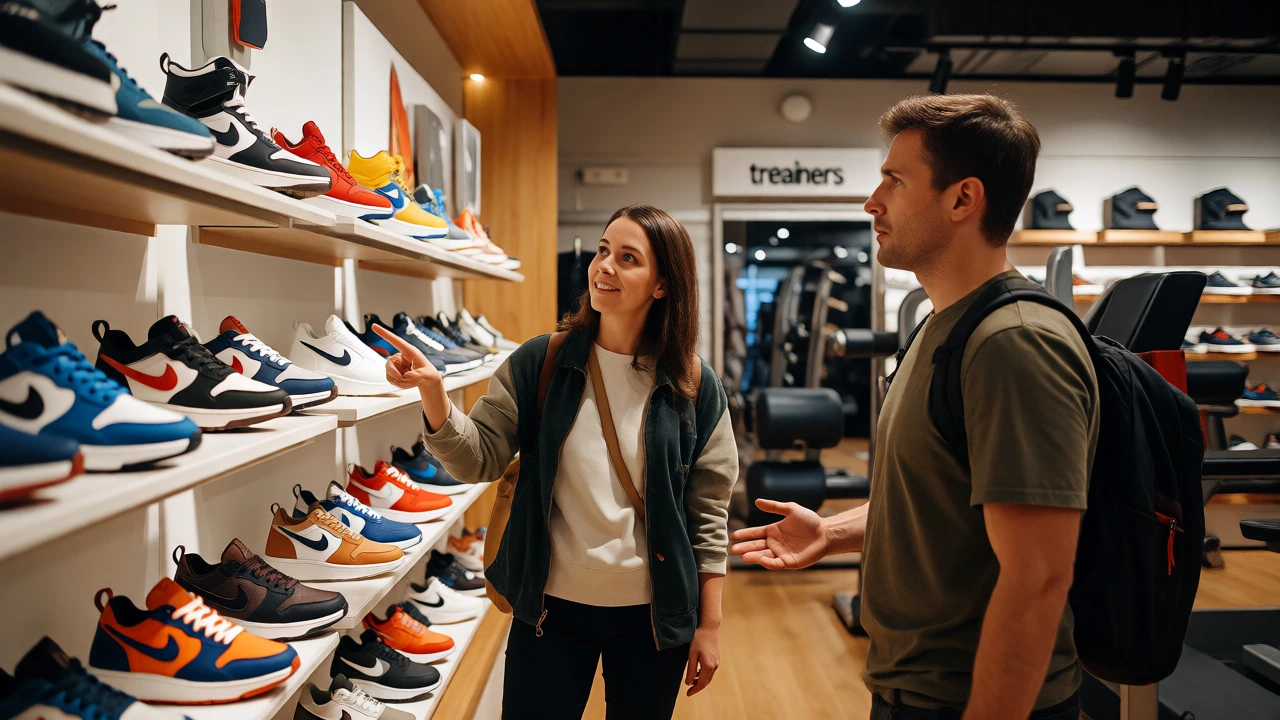
Let’s cut to the chase. In the United States, if you walk into a Nike store in New York or a Foot Locker in Chicago and ask for "trainers," the staff might politely correct you. They’ll point you toward the running section or the gym gear aisle. For the average American, "trainers" implies performance-specific footwear designed for athletic activity, like lifting weights or running marathons. It sounds functional, almost clinical.
In contrast, here in Ireland, from Grafton Street in Dublin to the boutiques in Galway, "trainers" is the default term for any sneaker-style shoe. Whether you’re wearing classic Converse Chuck Taylors for a night out in Temple Bar or high-end Balenciaga Triple S for comfort, they are trainers. We don’t distinguish between gym shoes and fashion shoes in our vocabulary the way Americans do. If you try to buy "sneakers" in a local Irish independent shop, you might get blank stares. While the term is gaining traction due to global media and e-commerce platforms like ASOS or Amazon, it still feels foreign to many native speakers.
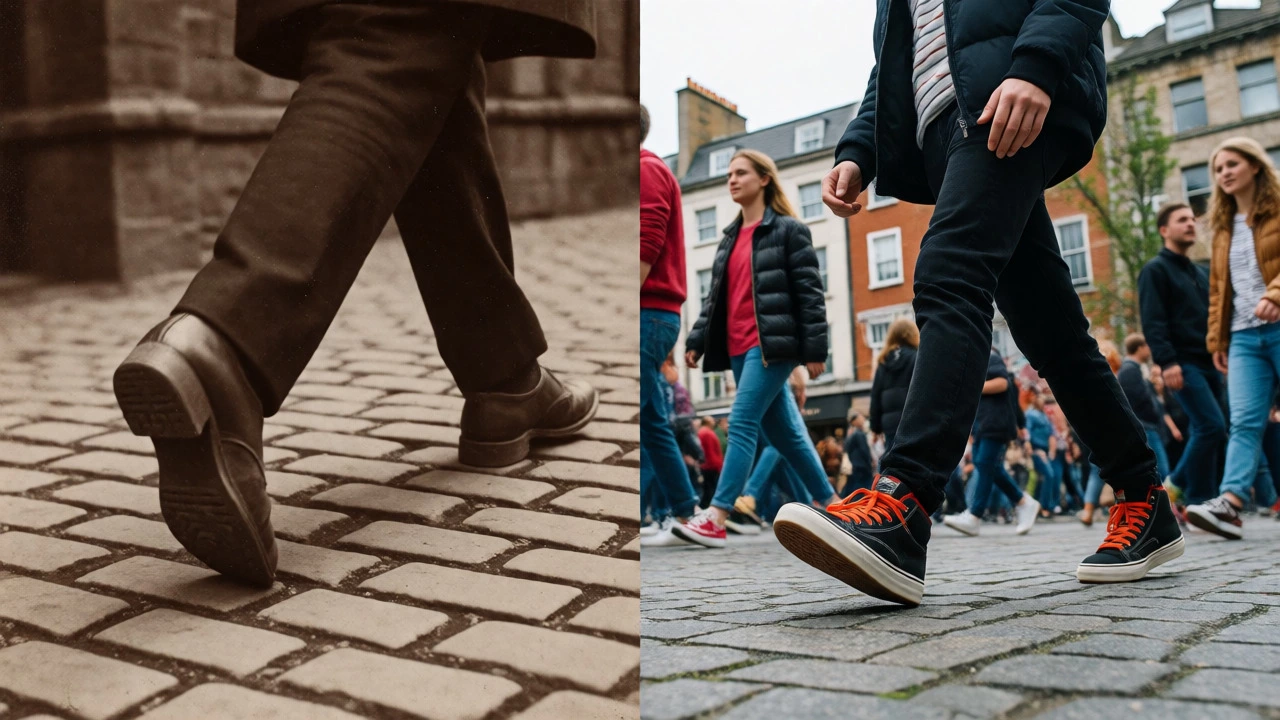
This divergence isn’t random. It stems from how each culture adopted and adapted these items historically. Understanding this helps you navigate both markets without looking like a fish out of water.
Why Americans Say "Sneakers"
To understand the American preference, we have to look at the etymology. The word "sneaker" dates back to the late 19th century. It originated because these new rubber-soled shoes allowed wearers to move quietly, or "sneak" around, unlike the hard leather soles of traditional dress shoes. By the early 1900s, companies like Keds popularized the term. It stuck because it described a key feature: silence and stealth.
Americans also love regional variations within their own country. In the Northeast, particularly around Boston and New York, you might hear "tennis shoes." In the Midwest, some older generations still refer to them as "gym shoes." But "sneakers" remains the universal umbrella term. It’s casual, recognizable, and deeply embedded in pop culture. Think about hip-hop history-Run-DMC literally wrote a song called "My Adidas," but the broader genre celebrated "sneakers" as cultural artifacts. When an American says they’re buying sneakers, they mean everything from beat-up Vans to limited-edition Jordans.
For an Irish person moving to the US, this shift can be jarring. You might go to a mall in Los Angeles asking for trainers and feel like you’re speaking a different language. It’s not that Americans don’t understand you; it’s that the word doesn’t register as a standard category label for them. They associate "trainer" strictly with coaching or specific athletic utility.
The Irish Preference for "Trainers"
So, why do we in Ireland cling to "trainers"? The term likely arrived via British English influence. Historically, the UK adopted "trainers" as a shortened form of "training shoes." Since Ireland shares a close linguistic and cultural bond with Britain, the term permeated daily speech here decades ago. It became the standard label for any low-top, lace-up shoe with a rubber sole.
In Ireland, the distinction between function and fashion is blurred in our language. A pair of Stan Smiths worn to a pub in Cork is still a trainer. A pair of Asics Gel-Kayanos worn for the morning run along the Phoenix Park perimeter is also a trainer. We don’t need separate words because the aesthetic lineage is the same. This linguistic simplicity serves us well locally. However, it creates friction when dealing with international brands.
Consider the experience of shopping online from Ireland. Many global sites now offer dual labeling, showing "Sneakers/Trainers" to capture both audiences. But if you’re browsing a US-based site, you’ll only see "sneakers." If you’re on a UK or Irish site, you’ll see "trainers." Knowing which term yields better search results is crucial. If you type "men's trainers" into a US retailer’s search bar, you might find fewer options than if you typed "men's sneakers." It’s a small hack, but it saves time and frustration.
Regional Nuances Within the US
While "sneakers" dominates the US, it’s not monolithic. Geography plays a role in what Americans call their footwear. This matters if you’re traveling to specific parts of America or interacting with locals there.
| Region | Common Term | Context/Nuance |
|---|---|---|
| Northeast (NY, Boston) | Tennis Shoes / Sneakers | Older generations often use "tennis shoes" regardless of sport played. |
| Midwest | Gym Shoes / Sneakers | "Gym shoes" is common among school-aged kids and parents. |
| South | Sneakers | Strongly favors "sneakers"; "tennis shoes" is less common. |
| West Coast | Sneakers | Heavily influenced by skate and surf culture; uses brand names frequently. |
Notice that even in regions where "tennis shoes" is common, it rarely refers to actual tennis gear. It’s just a colloquialism for casual athletic footwear. If you’re an Irish student studying abroad in Ohio, don’t be surprised if your roommate calls his Nikes "gym shoes." He’s not talking about the weight room; he’s talking about his weekend kicks.
What About Other Countries?
The transatlantic split is the most famous, but it’s not the only one. If you’re traveling beyond the US and Ireland, you’ll encounter more terms. This is vital knowledge for the modern traveler who moves through multiple cultures.
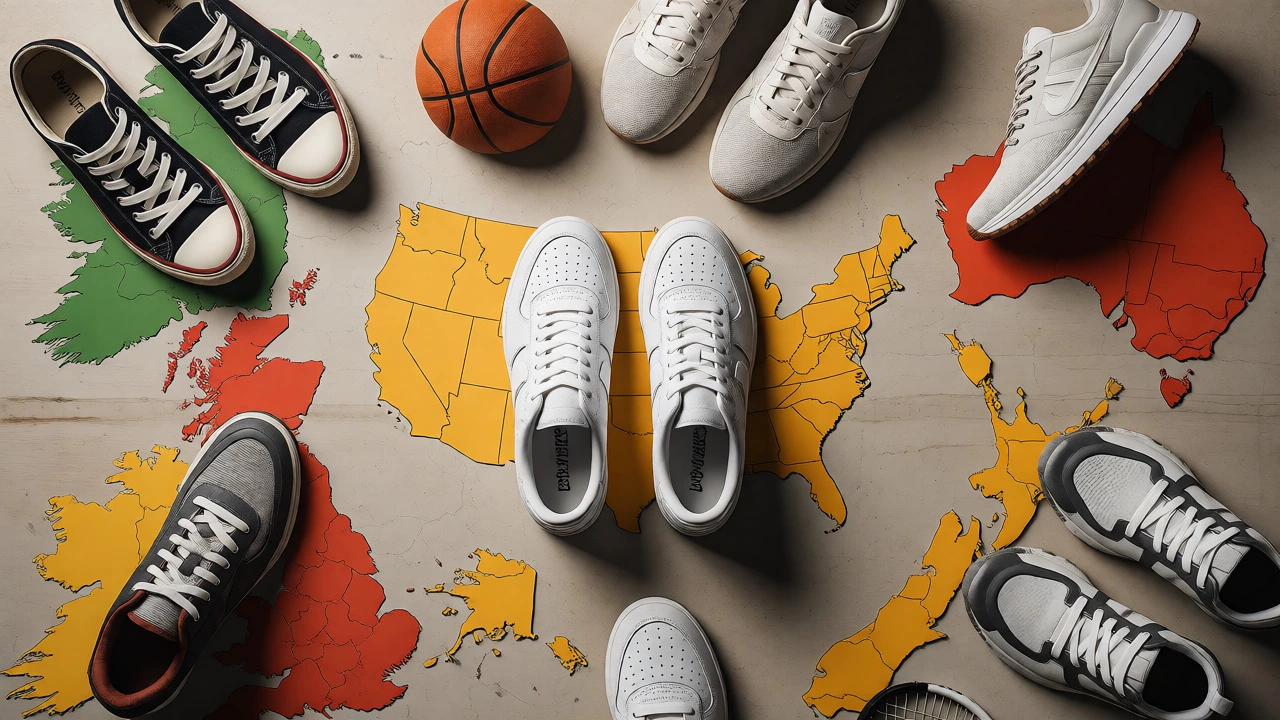
In Australia and New Zealand, "runners" is the dominant term. If you ask for trainers in Sydney, people will understand you, but "runners" is the local vernacular. It’s another legacy of colonial language patterns, similar to Ireland’s tie to British English.
In Canada, the usage mirrors the US. Canadians say "sneakers." Given the proximity and cultural exchange, this makes sense. However, Canadian retailers often acknowledge "trainers" due to tourism and immigration from the UK and Ireland.
Germany and France present a different challenge. Germans often use the loanword "Turnschuhe" (literally turning/gymming shoes) or simply adopt the English "Sneaker." In France, "baskets" is the common term, derived from the brand Spalding Basketballs. If you’re shopping in Paris, ask for "baskets," not sneakers or trainers.
Shopping Tips for Cross-Border Buyers
If you’re an Irish resident planning to buy footwear from the US, or an American visiting Ireland, here’s how to bridge the gap practically.
- Search Engine Strategy: When shopping on US sites like Zappos or Nordstrom, always use "sneakers." On Irish sites like Brown Thomas or Arnotts, use "trainers." Mixing them up can lead to zero results.
- Size Conversion: Beyond terminology, sizing differs. US sizes are generally two numbers smaller than UK/EU sizes for men, and slightly different for women. Always check the size chart, not just the term.
- Brand Specifics: Some brands market differently. Nike’s US site categorizes lifestyle shoes under "Sneakers." Their European site often uses "Lifestyle" or "Trainers." Look at the URL structure if unsure.
- Return Policies: International returns can be pricey. If you’re ordering from the US to Ireland, factor in customs duties. Using a forwarder service might help, but ensure they understand the product description correctly to avoid delays.
For Irish shoppers, remember that the term "sneaker" is becoming more acceptable in urban centers like Dublin, especially among younger demographics influenced by TikTok and Instagram. However, in rural areas or among older generations, sticking to "trainers" ensures clear communication.
The Rise of Global Homogenization
Is the divide disappearing? Not entirely, but the lines are blurring. Global social media has exposed Americans to the term "trainers" and Europeans to "sneakers." A teenager in Dublin might use "sneakers" ironically or to sound trendy. An influencer in LA might use "trainers" to signal sophistication or European flair.
However, deep-seated linguistic habits die hard. Language is tied to identity. For Americans, "sneakers" feels homegrown. For the Irish, "trainers" feels natural. Neither term is wrong, but using the local dialect shows respect and awareness. It’s a small detail, but in fashion, details matter. Wearing the right shoe is half the battle; calling it by the right name is the other half.
As e-commerce continues to merge markets, we might see hybrid terms emerge. But for now, if you’re in the US, keep it casual and say sneakers. If you’re in Ireland, keep it classic and say trainers. Your feet-and your conversation partners-will thank you.
Do Americans understand the word trainers?
Yes, most Americans will understand what you mean by context, but they won't use the word themselves. They may assume you are looking for specialized gym equipment or athletic gear rather than casual streetwear.
Is "sneakers" considered slang in Ireland?
It is increasingly recognized due to global media, but it is not the standard term. Most Irish people prefer "trainers." Using "sneakers" might mark you as someone heavily influenced by American culture or living abroad.
Which term is more formal, trainers or sneakers?
Neither is inherently formal. Both are casual terms. In professional contexts, you might refer to "athletic footwear" or "casual shoes," but neither trainers nor sneakers is appropriate for describing formal dress shoes like Oxfords or Derbies.
Why do Australians say runners?
Australia, like Ireland, was influenced by British English but developed its own colloquialisms. "Runners" evolved as a shortened form of "running shoes" and became the generic term for all sneaker-style footwear in Australian English.
Can I use the terms interchangeably when shopping online?
Not always. Search algorithms on major retailers are often region-specific. A US site may not index products under "trainers," leading to missed inventory. Always match the term to the retailer's location for the best results.