Irish Weather Layer Finder
Not sure what to wear? Select your current scenario to find the perfect outer layer for the Emerald Isle.
The Recommendation
Your specific recommendation will appear here.
The Quick Breakdown: Length and Layering
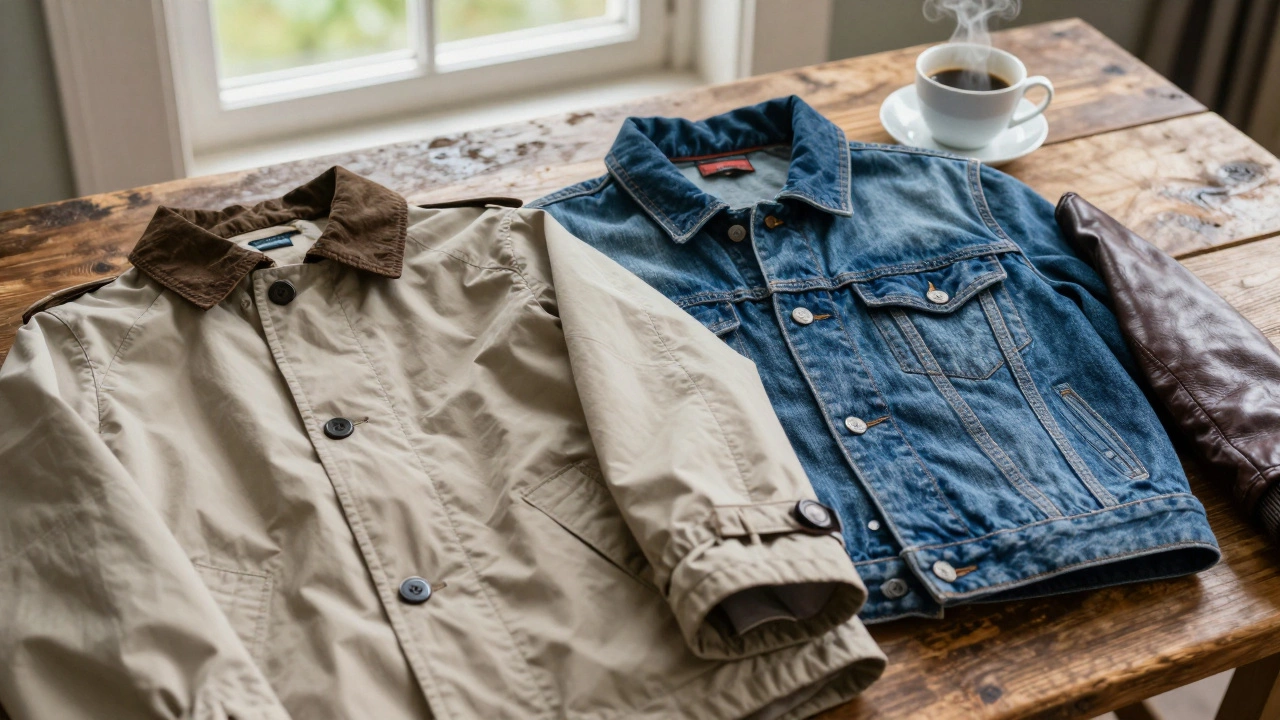
If you want the shortest answer possible, look at the hem. A jacket is generally shorter, usually ending at the waist or hip. It's designed for versatility and ease of movement. A coat, on the other hand, is longer, often extending to the mid-thigh or even the knees. It's built for maximum protection against the elements.
But it's not just about length. Think about the intent. A jacket is often an "extra" layer you throw on over a sweater. A coat is a primary shield. If you're heading out for a quick coffee run in Galway, a jacket does the trick. If you're spending three hours watching a match at Croke Park in January, you're going to want a coat. One focuses on style and light utility; the other focuses on survival and warmth.
When to Wear a Jacket in Ireland
Jackets are the workhorses of the Irish wardrobe. They are perfect for that weird transition period in September or the mild "spring" days in April where the sun appears for exactly ten minutes. Because they are shorter, they don't restrict your legs, making them ideal for commuting on the DART or walking the dog through Phoenix Park.
Common types of jackets you'll see across the country include:
- Bomber Jackets: Great for a casual look, though they offer very little protection against a sudden Atlantic squall.
- Denim Jackets: Popular for summer evenings in Cork, though they're practically useless once it starts raining.
- Leather Jackets: A staple for nightlife in Temple Bar, providing a bit of wind protection and a lot of style.
- Windbreakers: The ultimate "just in case" layer for hikers tackling the Kerry Cliffs.
The key here is the weight. Most jackets use lighter materials and are designed to be breathable. If you can fit it into a small backpack, it's probably a jacket. If it takes up half your wardrobe space, it's moving into coat territory.
The Heavy Hitters: Understanding Coats
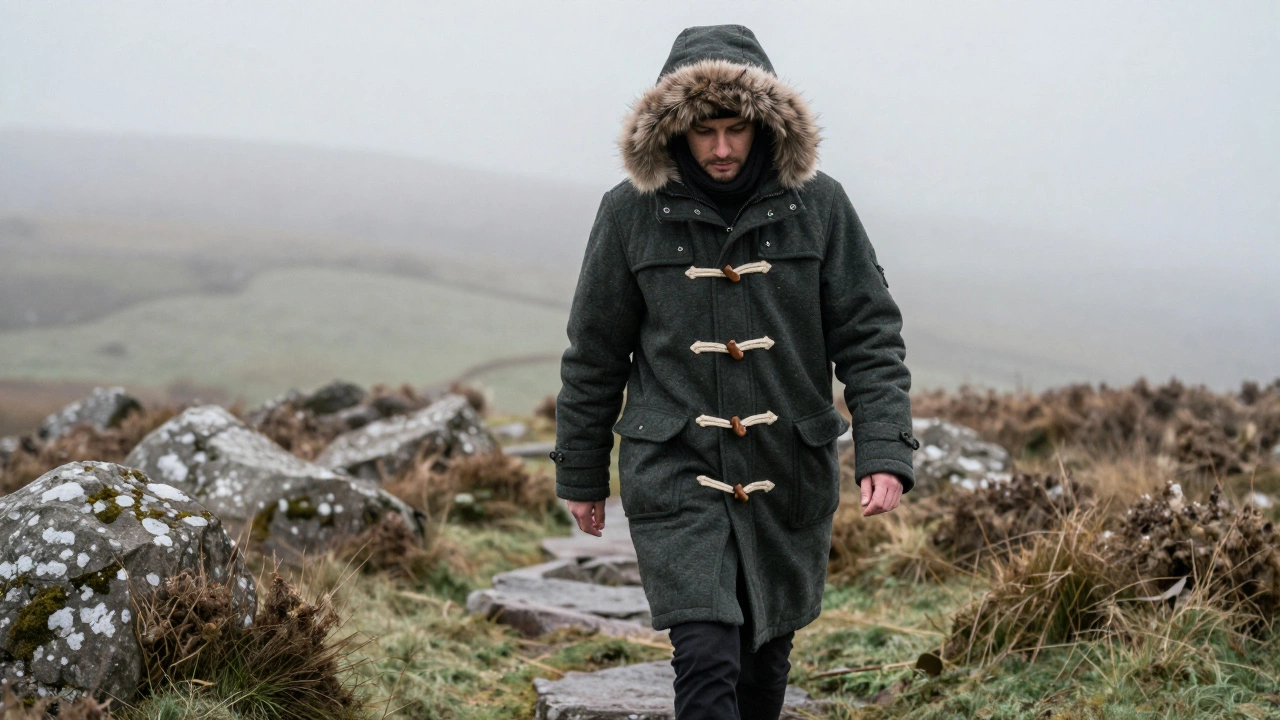
When the temperature drops toward freezing and the dampness of the Irish air starts to seep into your bones, a jacket isn't going to cut it. This is where the coat comes in. Coats are designed to trap heat and block out the wind. They usually feature heavier fabrics like wool, heavy-duty nylon, or insulated padding.
In the Irish market, you'll find a few non-negotiable coat styles:
- Overcoats: These are the formal heavyweights. Think wool blends that go over a suit for a business meeting in the IFSC. They provide a polished look while keeping the wind off your thighs.
- Parkas: These are the gold standard for Irish winters. With a long length and often a faux-fur hood, they are designed to withstand the biting winds of the West Coast.
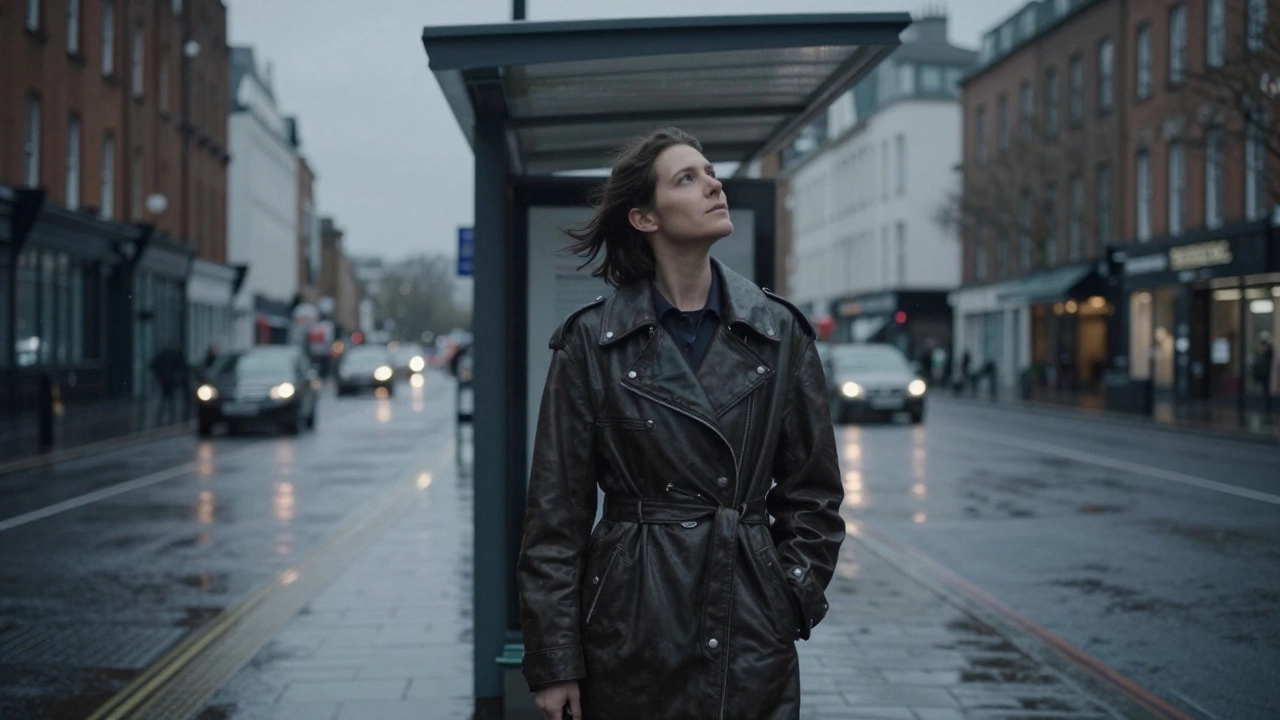
- Trench Coats: A classic for a reason. They are the perfect middle ground-water-resistant and long enough to keep you dry, making them a staple for Dublin professionals.
- Duffle Coats: That chunky, woolly look with toggle closures. They're cozy, traditional, and perfect for a walk through the Burren in February.
| Feature | Jacket | Coat |
|---|---|---|
| Typical Length | Waist or Hip | Mid-thigh to Knee |
| Primary Purpose | Light warmth / Style | Cold weather protection |
| Weight | Light to Medium | Heavy |
| Ideal Season | Spring, Autumn, Summer | Winter, Late Autumn |
| Common Fabrics | Denim, Leather, Polyester | Wool, Heavy Down, Gore-Tex |
The "Irish Hybrid": The Raincoat
Now, we have to talk about the elephant in the room: the raincoat (or the "mac"). In Ireland, the line between a jacket and a coat often blurs here. A short waterproof shell is technically a jacket, but if it's the only thing keeping you from soaking through while walking the streets of Killarney, it feels like a coat.
The secret to mastering the difference between jacket and coat in a local context is understanding "water-resistance" versus "waterproof." A light jacket might be water-resistant, meaning it handles a light drizzle for ten minutes. A proper coat, especially one made with Gore-Tex or treated nylon, is waterproof, meaning it can handle a full-blown Atlantic storm without letting a drop inside.
Choosing the Right Layer for Your Activity
If you're not sure which one to grab, think about your "job for the day." Are you commuting? Are you hiking? Are you going to a fancy event? Here is a simple decision tree for the typical Irish day:
- The "Quick Trip": If you're just popping to the shops in Dundrum and the sun is out (but it's still 12 degrees), go for a jacket. A denim or bomber jacket works well here.
- The "Outdoor Adventure": If you're heading to the Ring of Kerry or hiking the Wicklow Mountains, you need a waterproof jacket layered over a fleece. It keeps you agile while blocking the wind.
- The "Winter Slog": If it's January and you're waiting for a bus in the rain, you need a coat. A long parka or a wool overcoat will stop the chill from hitting your legs, which is where the cold really settles in.
- The "Business Professional": For a corporate environment in the city center, a long trench coat or wool overcoat is the standard. It looks professional and keeps you warm during the walk from the car park to the office.
Common Mistakes to Avoid
One of the biggest mistakes people make in Ireland is relying on a "fashion jacket" when the weather demands a "functional coat." A leather jacket looks great, but in a proper Irish downpour, it can actually become heavy and cold. Similarly, wearing a heavy wool coat in May might lead to overheating the second you step into a crowded shop or a warm pub.
Another pitfall is ignoring the wind-chill factor. A jacket might feel warm enough inside your house, but once you hit the coast in Howth or Clifden, the wind will cut right through a light fabric. This is why layering is the real secret. Start with a light t-shirt, add a sweater, and then top it with either a jacket (for mild days) or a coat (for cold days). This allows you to peel off layers as you move from the freezing outdoors to the cozy heat of a local café.
Can a jacket be considered a coat?
In casual conversation, yes. However, technically, a jacket is shorter and lighter. If it's designed for extreme cold and extends past the waist, it's generally classified as a coat. In Ireland, we often use "coat" for anything we wear in the dead of winter and "jacket" for anything used in the shoulder seasons.
Is a raincoat a jacket or a coat?
It depends on the length! A waist-length waterproof shell is a raincoat-jacket. A long, flowing mac that hits your knees is a raincoat-coat. Both serve the purpose of keeping you dry, but the longer version (the coat) provides more protection for your clothing underneath.
What is the best material for a coat in the Irish winter?
For maximum warmth, wool or down-filled nylon is best. Wool is great for a classic look and natural warmth, while down-filled parkas are superior for blocking freezing winds. For rain protection, look for synthetic materials treated with DWR (Durable Water Repellent) or membranes like Gore-Tex.
Do I need both a jacket and a coat?
Given Ireland's varied weather, having both is highly recommended. You'll need a light jacket for the spring and autumn months and a heavy coat for the winter. If you can only buy one, a versatile mid-length waterproof parka is often the best "all-rounder" for the Irish climate.
How do I stop my coat from getting soaked in the rain?
If you have a wool coat, use a fabric protector spray designed for wool. For synthetic coats, ensure the DWR coating is still active; if water stops beading on the surface and starts to soak in, it's time to treat it with a waterproofing spray or wash it with a specialized technical cleaner.
Next Steps for Your Wardrobe
If you're currently auditing your wardrobe, start by checking the condition of your waterproofs. If your light jacket is leaking at the seams, it's time for an upgrade. If you're moving to Ireland from a warmer climate, prioritize a high-quality, long coat first-you'll regret not having one the first time a January cold snap hits. For those who prefer a minimalist approach, invest in a "3-in-1" system: a waterproof outer shell (the jacket) and a detachable insulated inner (the coat) that can be worn separately or together depending on the day's forecast.