Foot Pain Relief & Shoe Audit Tool
1. Your Work Profile
Enter your details to calculate your foot strain score.
Based on Irish workplace conditions and biomechanics.Quick Recovery Protocol
Roll a frozen water bottle under your arch for 15 mins after work. Reduces inflammation and massages the fascia.
Hands on wall, step back, heel down. Hold 30s. Do twice daily to relieve Achilles tension.
Never wear the same pair two days in a row. Foam needs 24-48h to decompress and regain shock absorption.
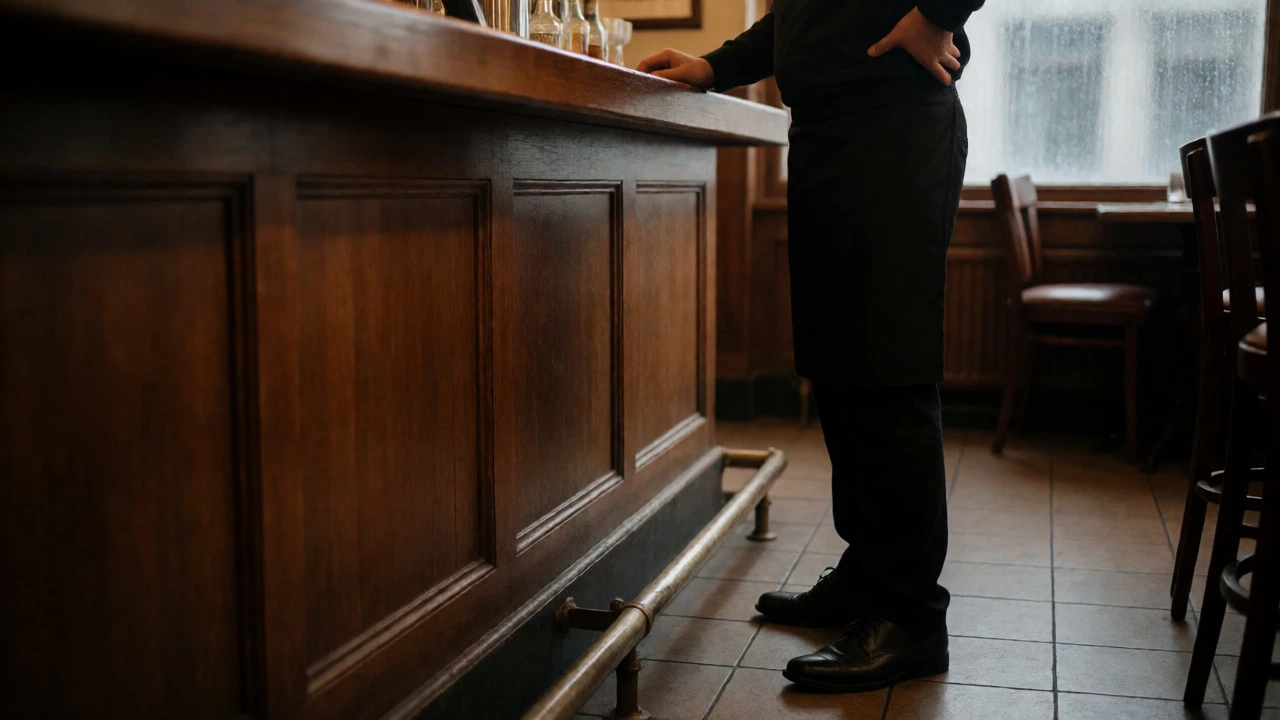
You know the feeling. It’s 4 PM on a Tuesday in Dublin, you’ve been on your feet since opening time, and your heels feel like they’re being hammered by tiny mallets. Whether you’re pulling pints in Temple Bar, stocking shelves in a Tesco Superstore in Cork, or working the floor at Brown Thomas in Grafton Street, standing all day is brutal on the body. The damp Irish weather doesn’t help either; wet streets mean cold feet, which tightens muscles and worsens pain. But you don’t have to just grit your teeth and suffer until the weekend. There are practical, proven ways to get rid of foot pain from standing all day, tailored for our specific environment here in Ireland.
Why Your Feet Hurt More Than You Think
Plantar Fasciitis is often the culprit behind that sharp heel pain in the morning. It’s an inflammation of the thick band of tissue that runs across the bottom of your foot. In Ireland, we face unique challenges. Our historic city centres, like those in Galway or Limerick, are paved with cobblestones. While beautiful, these uneven surfaces force your feet to constantly adjust balance, straining ligaments far more than flat concrete would. Combine this with the fact that many Irish workplaces enforce strict dress codes-think black leather shoes that offer zero arch support-and you have a recipe for chronic discomfort. Your feet aren't just tired; they are structurally under stress.
The Shoe Audit: What’s Actually On Your Feet?
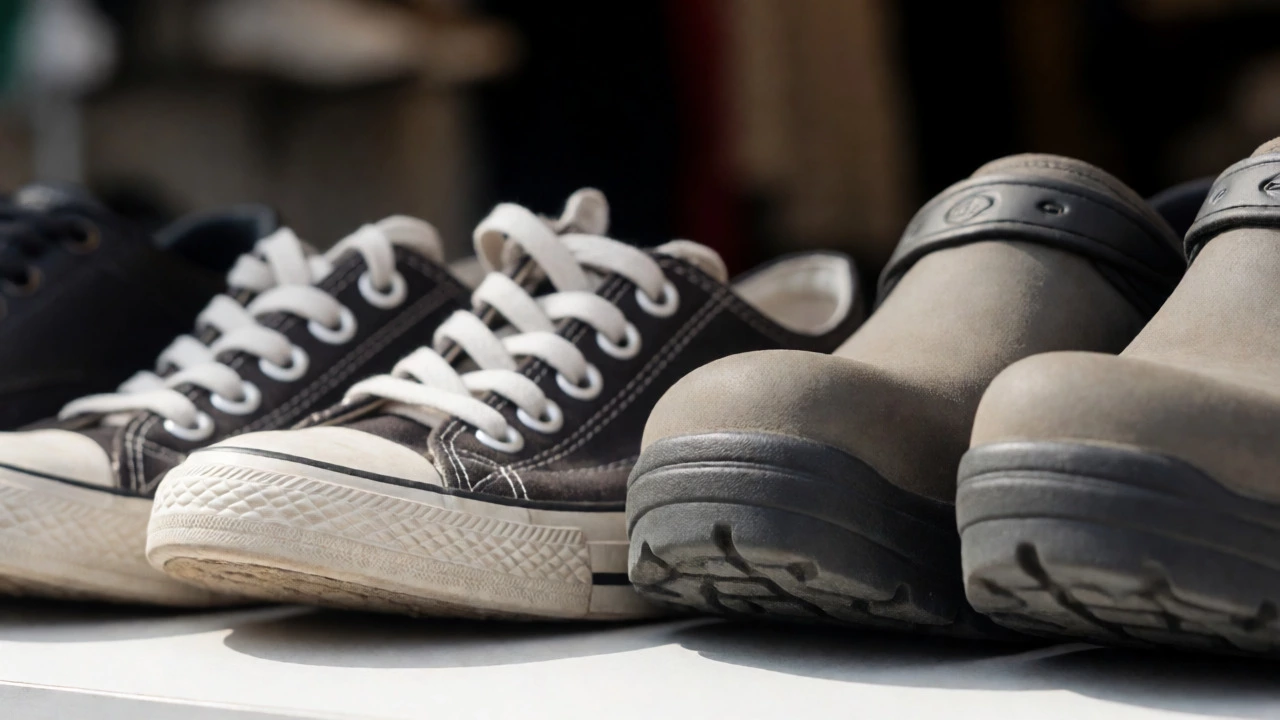
Let’s be honest about what we wear to work. For decades, the default choice for service workers was the cheap, stiff leather shoe bought from a discount store. It looks professional, but it’s a torture device. If your current shoes look identical after six months, they are dead weight. The midsole foam has compressed, losing its ability to absorb shock. In Dublin’s tech hubs or retail districts, you’ll see a shift towards ergonomic footwear, but many still cling to style over substance.
You need to inspect your soles. Are they worn down on one side? That indicates misalignment. Do they feel thin when you press your thumb into them? They lack cushioning. Here in Ireland, brands like Clarks (founded right here in the UK/Ireland region) and specialized orthopaedic providers like Scholl are popular, but generic supermarket shoes rarely provide the necessary support for eight-hour shifts. If you’re wearing canvas sneakers because they’re light, you might be sacrificing support for breathability, leading to arch collapse.
Practical Fixes for the Workday
You can’t always change your employer’s dress code, but you can hack your setup. Start with insoles. A standard pair of gel insoles from Boots or a pharmacy chain can make a massive difference. Look for ones with deep heel cups to stabilize the fat pad under your heel. This is crucial if you work on hard tile floors common in Irish hospitality venues.
Another trick used by nurses and warehouse staff across the country is the "two-shoe rotation." Never wear the same pair of work shoes two days in a row. Foam needs 24-48 hours to decompress and return to its original shape. Keeping a second pair in your locker means every shift starts with fresh cushioning. It’s a small habit that pays huge dividends in long-term foot health.
| Shoe Type | Support Level | Durability | Best For | Irish Context Note |
|---|---|---|---|---|
| Standard Leather Dress Shoes | Low | High | Office/Casual Fridays | Poor water resistance; gets heavy when wet. |
| Cheap Canvas Sneakers | Very Low | Low | Light Retail | Absorbs rain instantly; causes cold feet in winter. |
| Ergonomic Work Clogs | High | Medium | Hospitality/Nursing | Excellent for slippery kitchen floors; easy to clean. |
| Orthopaedic Walking Shoes | Very High | High | Retail/Warehousing | Bulky but saves knees and backs during long shifts. |
Stretching and Recovery: Beyond the Sofa
When you get home, collapsing onto the couch feels good, but it’s not helping your recovery. Your calves tighten up while you stand, pulling on the Achilles tendon and the plantar fascia. You need to stretch before you rest. Try the wall calf stretch: place your hands on a wall, step one foot back, keep the heel down, and lean forward. Hold for 30 seconds. Do this twice a day. It sounds too simple to work, but consistent stretching reduces tension significantly.
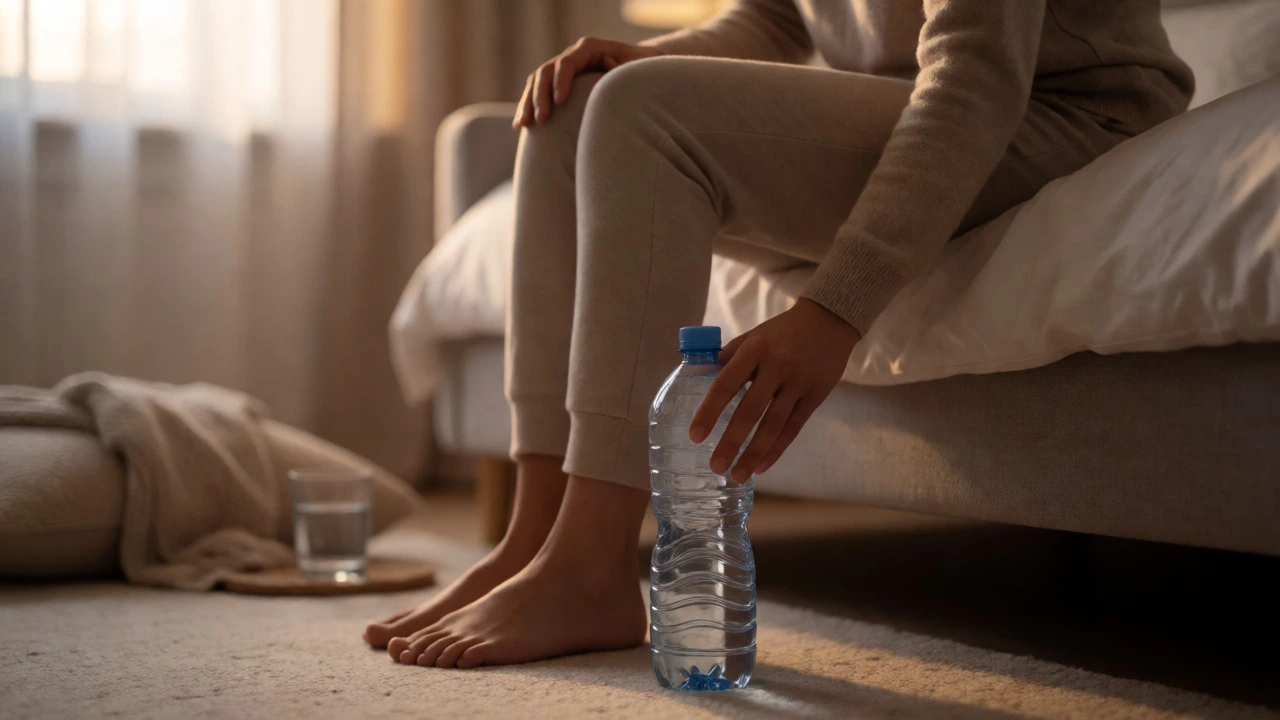
For immediate relief after a shift, try the frozen bottle trick. Freeze a plastic water bottle and roll your foot over it for 15 minutes. This combines massage with cryotherapy, reducing inflammation. Many physiotherapists in Dublin recommend this as a first-line defence against acute flare-ups. Also, consider elevating your legs above heart level for ten minutes. It helps drain fluid buildup, which is common after hours of standing still.
Navigating the Irish Healthcare System for Foot Pain
If the pain persists despite changing shoes and stretching, you might need professional help. In Ireland, you can visit your GP, but referrals to podiatrists can sometimes take time depending on where you live. Private podiatry clinics are widespread in cities like Dublin, Cork, and Galway. A podiatrist can assess your gait-the way you walk-and prescribe custom orthotics if needed. These aren’t just fancy insoles; they are medical devices designed to correct specific biomechanical issues.
Don’t ignore persistent pain. Ignoring it can lead to knee, hip, and back problems. The kinetic chain connects everything from your toes to your spine. If your feet are rolling inward (overpronation), your knees twist slightly with every step. Over years, this wears down cartilage. Investing in a proper assessment now saves you expensive joint issues later.
Lifestyle Tweaks for Long-Term Comfort
Your weight plays a role, too. Every extra pound puts four pounds of pressure on your knees and significant strain on your feet. Maintaining a healthy weight through diet and low-impact exercise like swimming-which is great given our abundance of pools and lakes-reduces the load on your skeletal structure. Hydration is also key. Dehydrated tissues are less elastic and more prone to injury. Keep a water bottle at your station; it’s easy to forget to drink when you’re busy serving customers or packing orders.
Finally, listen to your body. If you feel sharp pain, stop and sit down if possible. Pushing through structural pain usually makes it worse. Use breaks wisely. Instead of scrolling through your phone, use those five minutes to walk around gently or stretch. Movement keeps blood flowing, preventing stiffness from setting in.
How long does it take for foot pain to go away?
It depends on the cause. Simple fatigue might resolve overnight with rest and elevation. Conditions like plantar fasciitis can take weeks or even months to fully heal. Consistency with stretching and proper footwear is critical. If pain lasts more than two weeks despite home care, see a podiatrist.
Are expensive shoes worth it for standing all day?
Generally, yes. Cheaper shoes often use lower-quality foams that compress quickly. Higher-end ergonomic shoes typically feature better arch support, durable outsoles, and breathable materials. However, the most expensive shoe isn't always the best fit. Prioritize comfort and support features over brand names. Try them on in the afternoon when your feet are naturally swollen.
Can compression socks help with foot pain?
Yes, compression socks can improve circulation and reduce swelling, especially if you stand in one spot for long periods. They help prevent varicose veins and reduce leg fatigue. Look for graduated compression levels suitable for daytime wear. Many healthcare workers in Ireland swear by them for 12-hour shifts.
What is the best surface to stand on?
Anti-fatigue mats are ideal for stationary work positions. They provide cushioning that hard floors lack. If you move around, such as in retail, the surface matters less than your shoe's sole. Avoid standing directly on concrete or thin tile without supportive footwear. Grass or carpet offers natural cushioning but may lack stability.
Should I ice my feet every night?
Icing is effective for acute inflammation or after particularly bad days. It numbs pain and reduces swelling. However, for chronic maintenance, gentle heat or warm baths might be more relaxing and promote blood flow. Alternate between ice for pain and heat for relaxation based on your symptoms.