Irish Summer Style Quiz
Think you know how to dress for Ireland's 'four seasons in one day'? Take this quick quiz to test your readiness for the Irish summer.
1. Which natural fiber is recommended as the top choice for breathability in humid Irish summers?
2. What is the "Irish Sandwich" method of layering?
3. Why are midi dresses often preferred over maxi dresses for city walking in Ireland?
4. Which footwear is specifically advised against in damp Irish mornings due to staining risks?
5. What is a key accessory recommendation for carrying essentials like umbrellas and sunscreen?
It’s a universal truth among those of us living here: you don’t pack for the forecast; you pack for the vibe. If you’ve ever stood on Grafton Street or walked along the Salthill promenade wondering how locals look so put-together while the sky threatens rain every ten minutes, you’re not alone. Dressing stylishly in Ireland during the warmer months isn’t about chasing trends that work in London or New York. It’s about mastering the art of layering with lightweight fabrics and choosing pieces that survive our unique blend of sunshine and sudden showers.
Summer in Ireland is short, precious, and notoriously unpredictable. The temperature might hit twenty degrees at noon and drop back to fifteen by dinner. This means your wardrobe needs to be versatile. You aren’t just dressing for heat; you’re dressing for change. The key is selecting items that transition seamlessly from a sunny afternoon in Dublin to a breezy evening in Galway without needing a full outfit change.
The Fabric Equation: Why Linen and Cotton Win
If there is one rule to live by when building an Irish summer wardrobe, it’s this: choose natural fibers. Synthetic materials like polyester trap heat and moisture, which feels awful when the humidity rises. In contrast, Linen is a breathable fabric made from flax plant fibers that allows air to circulate freely, keeping you cool even in humid conditions. It wrinkles easily, yes, but in the Irish context, that rumpled look reads as relaxed and chic rather than sloppy.
Cotton is another staple, particularly organic cotton, which has become increasingly popular among Irish consumers who care about sustainability. Brands like Priya and local independent labels in Dublin’s Temple Bar district have championed ethical sourcing, making it easier to find high-quality basics that last beyond a single season. When shopping, check the label. If it’s more than 50% synthetic, leave it on the rack unless you plan to stay indoors in heavy air conditioning-which, let’s be honest, is rare in most Irish homes.
Mastering the Art of Layering
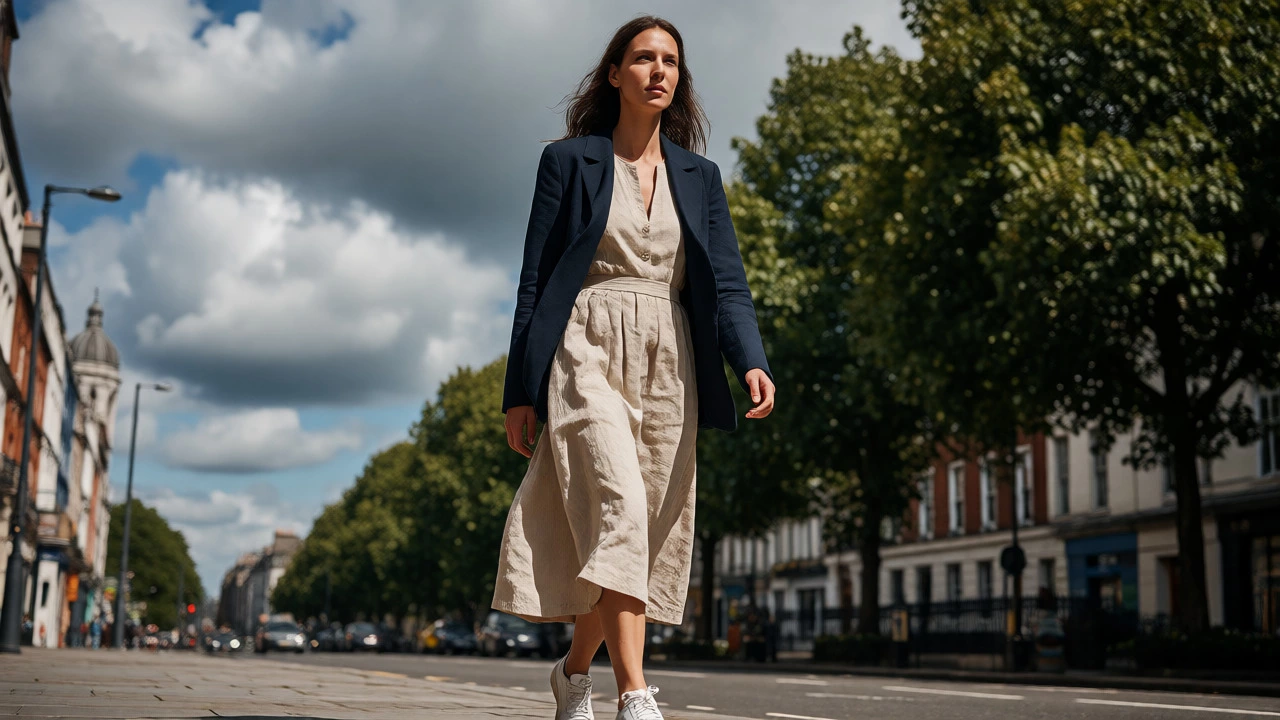
You can’t go out without a backup plan. The wind off the Atlantic can cut through a thin dress in seconds. That’s where smart layering comes in. Forget heavy wool coats; they belong in winter. Instead, invest in a structured blazer in a light color like beige or navy, or a fine-knit cardigan. These pieces add polish and warmth without bulk.
Consider the "Irish Sandwich" method: start with a breathable base (like a cotton tee), add a mid-layer (a silk scarf or light vest), and finish with an outer shell (a denim jacket or trench). This approach works perfectly for events like the Galway Races or outdoor festivals in Cork, where the weather can shift rapidly. A denim jacket, specifically, is a non-negotiable item. It pairs with everything from floral midi dresses to tailored trousers and provides just enough insulation when the sun goes down.
Dresses That Work for Real Life
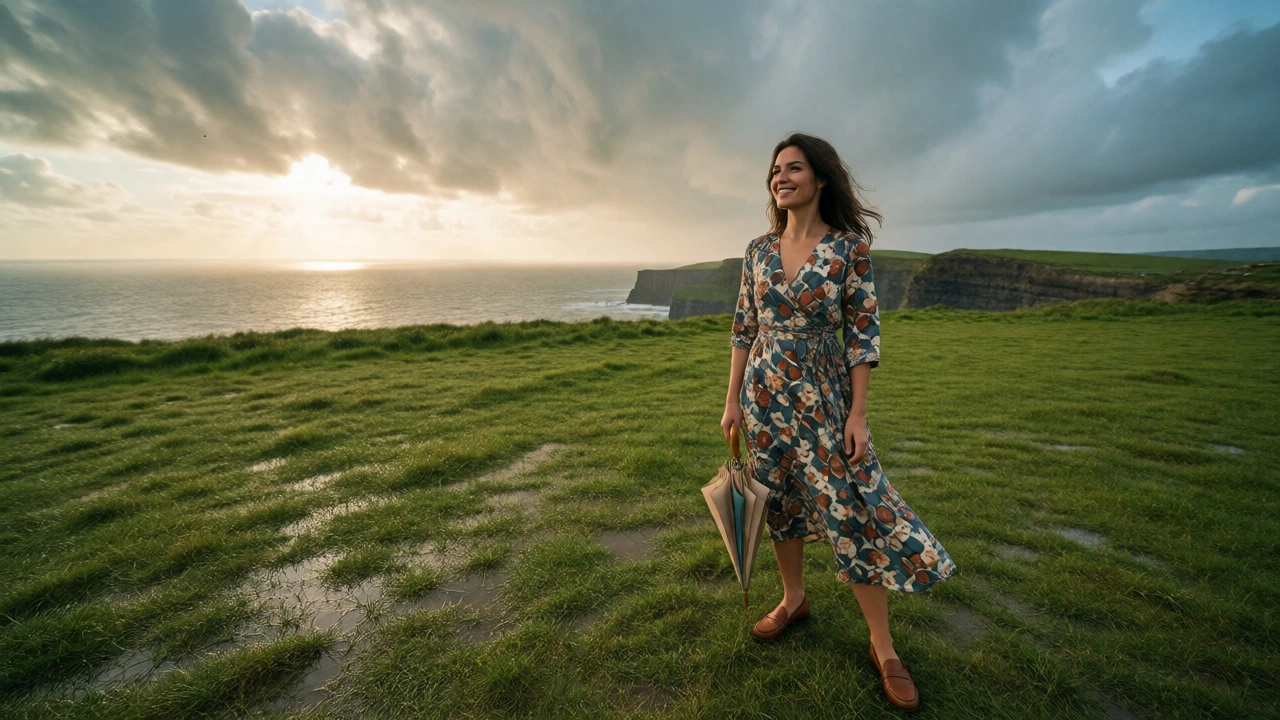
Since we are focusing on dresses, let’s talk specifics. Maxi dresses are fantastic for hiding legs if you’re worried about chafing in the humidity, but they can drag on wet pavement. Midi lengths are safer and generally more flattering for the average height. Look for wrap dresses, which allow you to adjust the fit depending on bloating or comfort levels-a practical feature when you’re enjoying a hearty pub meal after a day of sightseeing.
Floral prints remain a perennial favorite, but steer clear of overly busy patterns that clash with the lush green landscapes of Kerry or Wicklow. Solid colors in earthy tones-sage green, terracotta, slate blue-blend beautifully with the Irish environment and make accessorizing easier. For a night out in Dublin, slip dresses are trending, but pair them with a chunky knit or a leather jacket to ground the look and keep it appropriate for our cooler evenings.
| Fabric | Breathability | Drying Time | Best Use Case |
|---|---|---|---|
| Linen | High | Fast | Daytime casual, beach walks |
| Cotton Poplin | Medium-High | Moderate | Office wear, smart casual |
| Viscose/Rayon | Medium | Slow | Evening wear (avoid rain) |
| Silk | High | Fast | Special occasions, indoor events |
Footwear: Comfort Meets Style
Ireland’s terrain varies wildly. Cobblestones in Kinsale are charming but brutal on thin heels. Grassy fields at music festivals require sturdy soles. Your shoes need to handle uneven surfaces and potential puddles. White sneakers have dominated recent years for good reason-they’re clean, comfortable, and pair with almost any dress. However, consider adding a pair of leather loafers or espadrilles to your rotation. Espadrilles offer a slight lift and a summery aesthetic without sacrificing stability.
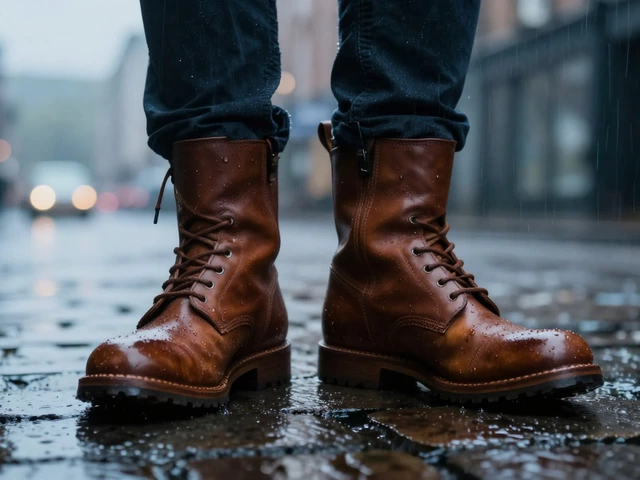
Avoid suede in summer unless you’re prepared to protect it heavily. Our damp mornings can stain suede instantly. Leather sandals with adjustable straps are a better bet because you can tighten them if your feet swell slightly in the heat. Remember, you’ll likely be walking more than you think, whether you’re exploring the Cliffs of Moher or navigating city streets. Comfort is the ultimate luxury.
Accessories for the Unpredictable Sky
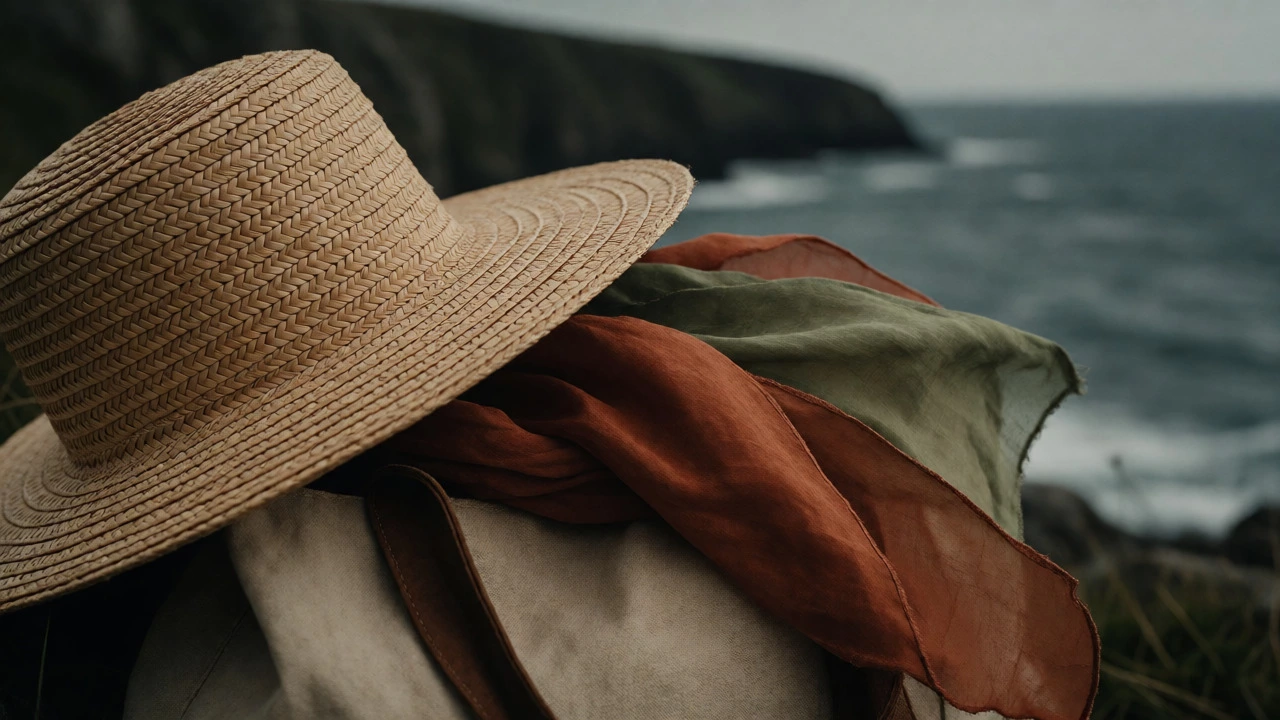
Accessories do the heavy lifting in Irish styling. A wide-brimmed hat protects your face from UV rays during those rare hot spells but looks equally stylish against a grey backdrop. Sunglasses are essential year-round here; the glare from water and white clouds can be intense. Choose polarized lenses if you spend time near coastal areas like Donegal or Clare.
Scarves are underrated tools. A lightweight silk scarf can serve as a hair tie, a neck warmer, or a belt substitute. It adds a pop of color to neutral outfits and offers protection against wind chill. Tote bags are preferable to small clutches because you need space for essentials: a compact umbrella, sunscreen, and perhaps a spare jumper. Look for canvas or leather totes that age well; brands like Carry All, based in Limerick, produce durable, minimalist bags that align perfectly with the understated Irish aesthetic.
Local Brands and Where to Shop
Supporting local doesn’t just feel good; it often results in better fits for European body types. While global chains like Zara and H&M are ubiquitous, Irish designers understand the climate nuances better. Check out Monsoon, which has a strong presence in Irish high streets and offers affordable, trendy options suitable for our weather. For higher-end pieces, explore boutiques in Dublin’s George’s Street Arcade or independent shops in Cork’s English Market area.
Sustainable fashion is gaining traction across the island. Thrifting is huge in cities like Dublin and Belfast, offering unique vintage finds that stand out from mass-produced items. Platforms like Depop and local charity shops often carry high-quality pre-loved garments at a fraction of the retail price. Buying second-hand reduces waste and ensures your outfit won’t be seen on everyone else at the next festival.
Practical Tips for Staying Stylish
- Embrace Neutrals: Beige, white, grey, and navy reflect sunlight and mix effortlessly. They also hide dirt better than bright whites during muddy country walks.
- Invest in a Raincoat: Not a bulky poncho, but a stylish, waterproof trench coat. It’s fashionable and functional.
- Watch the Hemlines: Ensure your dresses aren’t too long if you’re wearing flat shoes. Dragging hems get dirty quickly on urban pavements.
- Layer Smartly: Keep a lightweight pashmina in your bag. It weighs nothing but saves you from shivering during evening events.
- Protect Your Skin: SPF is crucial even on cloudy days. Sun damage happens faster than you think under UV penetration through clouds.
Ultimately, dressing stylishly in Ireland’s summer is about confidence and adaptability. It’s about knowing that the weather will change, and being dressed appropriately for whatever it decides to do next. By prioritizing quality fabrics, versatile layers, and comfortable footwear, you create a wardrobe that serves you well, whether you’re grabbing coffee in Dublin or hiking in the West. Don’t overthink it-keep it simple, keep it natural, and enjoy the fleeting warmth.
What is the best fabric for summer dresses in Ireland?
Linen and cotton are the best choices. They are breathable, absorb moisture, and dry relatively quickly, which is ideal for Ireland's humid and rainy summers. Avoid heavy synthetics that trap heat.
Can I wear maxi dresses in Irish summer?
Yes, but be mindful of length. Maxi dresses can drag on wet ground. Opt for styles with slits or ensure they are hemmed correctly for your height. Pair them with sturdy footwear to avoid slipping on cobblestones or grass.
Do I need a raincoat if I'm wearing a dress?
Absolutely. Irish weather is unpredictable. A lightweight, stylish trench coat or waterproof jacket is essential. It protects your dress from sudden showers and keeps you warm when temperatures drop unexpectedly.
What shoes go best with summer dresses in Ireland?
White sneakers, leather loafers, and espadrilles are excellent choices. They provide comfort for walking on uneven surfaces and offer enough coverage to protect against minor splashes or mud.
Are there specific Irish brands recommended for summer wear?
Look for local designers and sustainable brands available in independent boutiques in Dublin, Cork, and Galway. International brands like Monsoon and Zara are widely available, but supporting local often yields better quality and unique designs suited to the Irish climate.