Irish Summer Black Outfit Comfort Checker
Think you can't wear black in July? In Ireland's mild climate, it's often perfectly fine. Use this calculator to see if your planned outfit will keep you cool or leave you sweating.
Awaiting Selections
Select your weather, fabric, and fit options above to see if black is a good choice for your day.
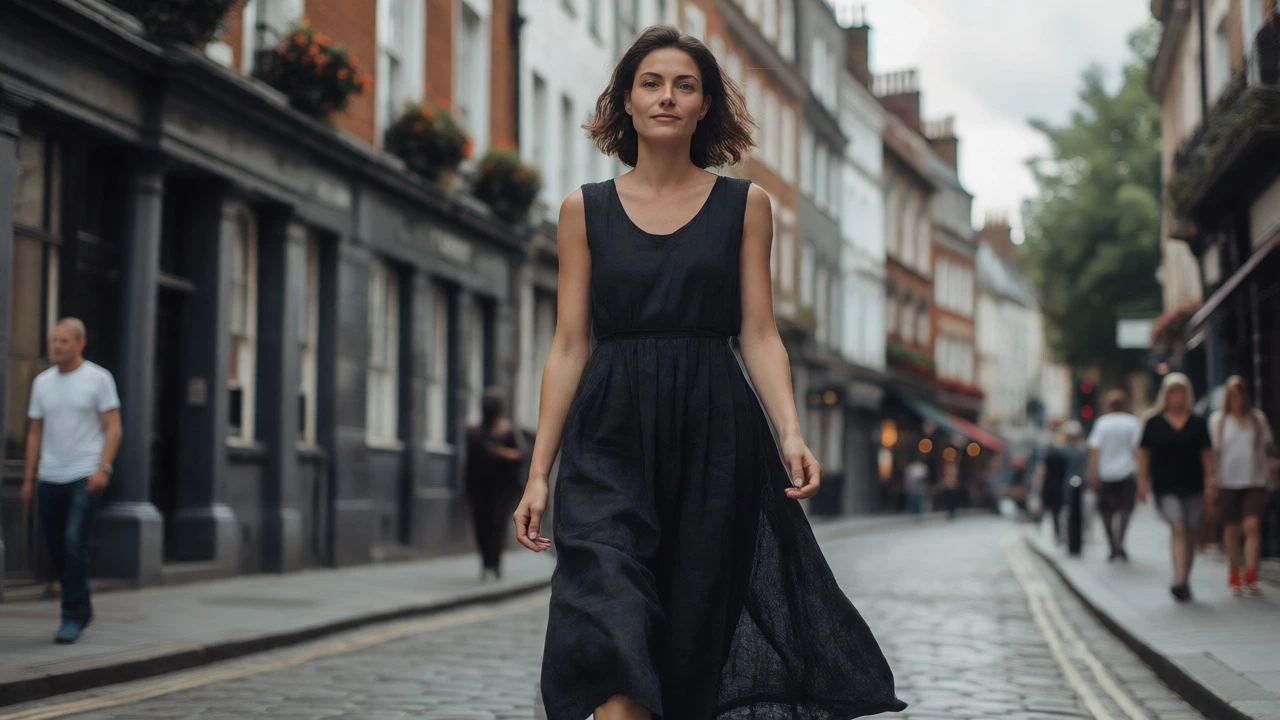
You’ve probably heard the old rule: no black after Labour Day. Or maybe you grew up hearing that wearing black in July is a one-way ticket to heatstroke. But here’s the thing about living in Ireland - our summers are rarely the scorching, relentless kind that make dark colours feel like a punishment. If you’re standing on Grafton Street in Dublin or walking along the promenade in Bray, you’ll see plenty of people rocking all-black outfits even when the sun is out. So, can you wear black in summer? Absolutely. The real question isn’t whether you *can*, but how to do it without melting.
The Irish Climate Factor
Let’s be real about the weather. In most parts of the world, "summer" means 30°C+ and humidity that sticks your shirt to your back. Here? We’re often happy with 20°C and a bit of sunshine before the rain rolls in from the Atlantic. According to Met Éireann, average summer temperatures in Ireland hover between 15°C and 20°C. That’s not exactly Sahara territory. This moderate climate changes the physics of what we wear. Black absorbs heat, yes, but if the ambient temperature isn’t extreme, you won’t overheat as quickly as someone sweating through a white linen suit in Seville.
Think about those unpredictable Irish days. One minute you’re in a T-shirt, the next you need a layer because a cloud has passed over and the wind picked up off the sea. A black dress or top gives you that flexibility. It looks polished enough for a sudden meeting at the office near Ballsbridge, yet casual enough for a pub lunch in Temple Bar later. The key is understanding that our variable weather makes versatile, darker tones actually quite practical.
Fabric Is More Important Than Colour
If you’re worried about overheating, stop blaming the colour and start looking at the material. Wearing a thick polyester black dress in a crowded train station will make you miserable, regardless of the season. But a lightweight cotton or linen blend? That breathes. When shopping for summer dresses in the Irish market, check the label first, not the colour swatch.
Natural fibres are your best friends here. Cotton, linen, and viscose allow air to circulate against your skin. Synthetic blends, especially those with high nylon or polyester content, trap heat and sweat. If you love the look of black silk, go for it, but keep it loose. Tight synthetic fabrics in black are a recipe for discomfort during a long day at work in Cork or Galway.
| Fabric Type | Breathability | Best For | Irish Context Tip |
|---|---|---|---|
| Linen | High | Casual lunches, coastal walks | Wrinkles easily, which fits the relaxed Irish vibe perfectly. |
| Cotton Poplin | Medium-High | Office wear, city strolling | Holds shape well; great for Dublin’s windy streets. |
| Viscose/Rayon | Medium | Evening drinks, dates | Drapes beautifully; avoid if it’s humid (rare, but possible). |
| Polyester Blend | Low | Rainy days only | Can feel clammy; good for waterproof outer layers. |
Style Hacks to Keep Cool
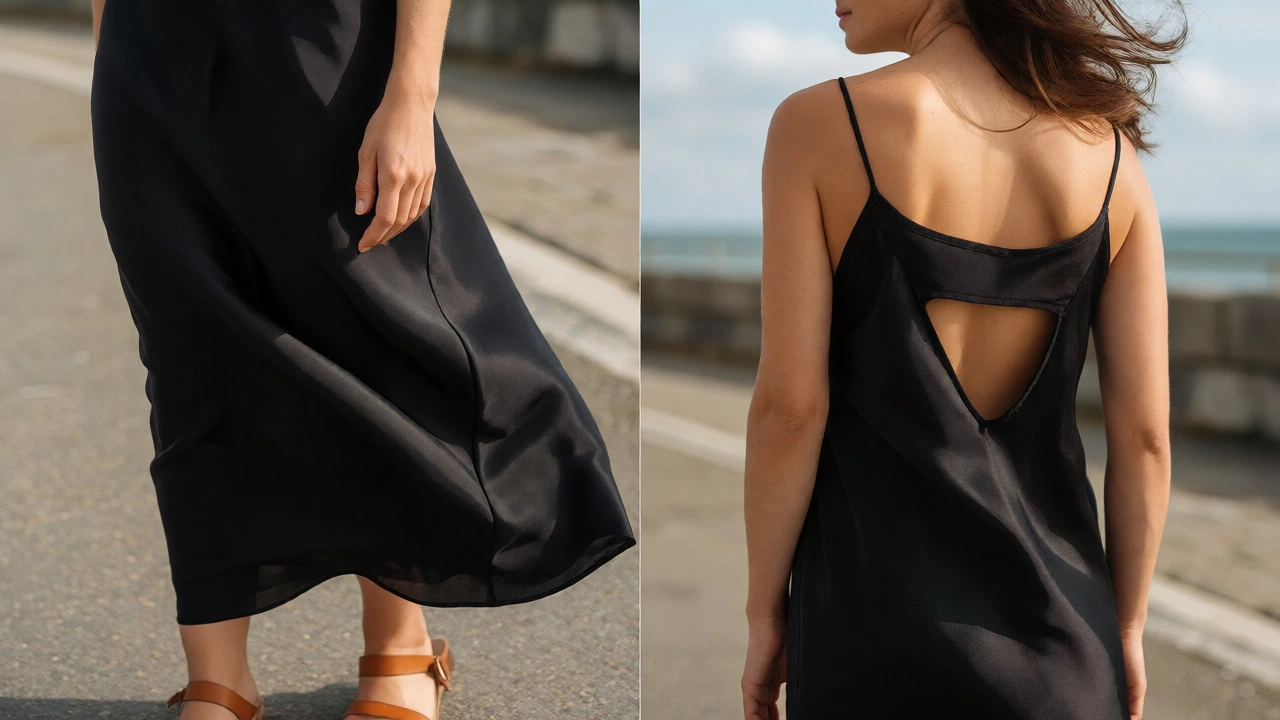
Just because you’re wearing black doesn’t mean you have to cover up entirely. The trick is strategic exposure. A sleeveless black midi dress keeps your core cool while showing some arm, which helps with airflow. Pair it with sandals rather than closed-toe shoes. If you’re heading to a festival like Electric Picnic or just a night out in Belfast, consider a slip dress. These are typically made from satin or silk, which slide over the skin and don’t cling when you get warm.
Another pro tip: fit matters. A tight black bodycon dress traps heat against your body. An A-line or shift silhouette allows air to move between the fabric and your skin. Look for cut-outs or open backs if you want to add ventilation without losing the sleek aesthetic. In Ireland, where fashion tends to lean towards understated chic, these subtle details show effort without trying too hard.
Accessories and Layering
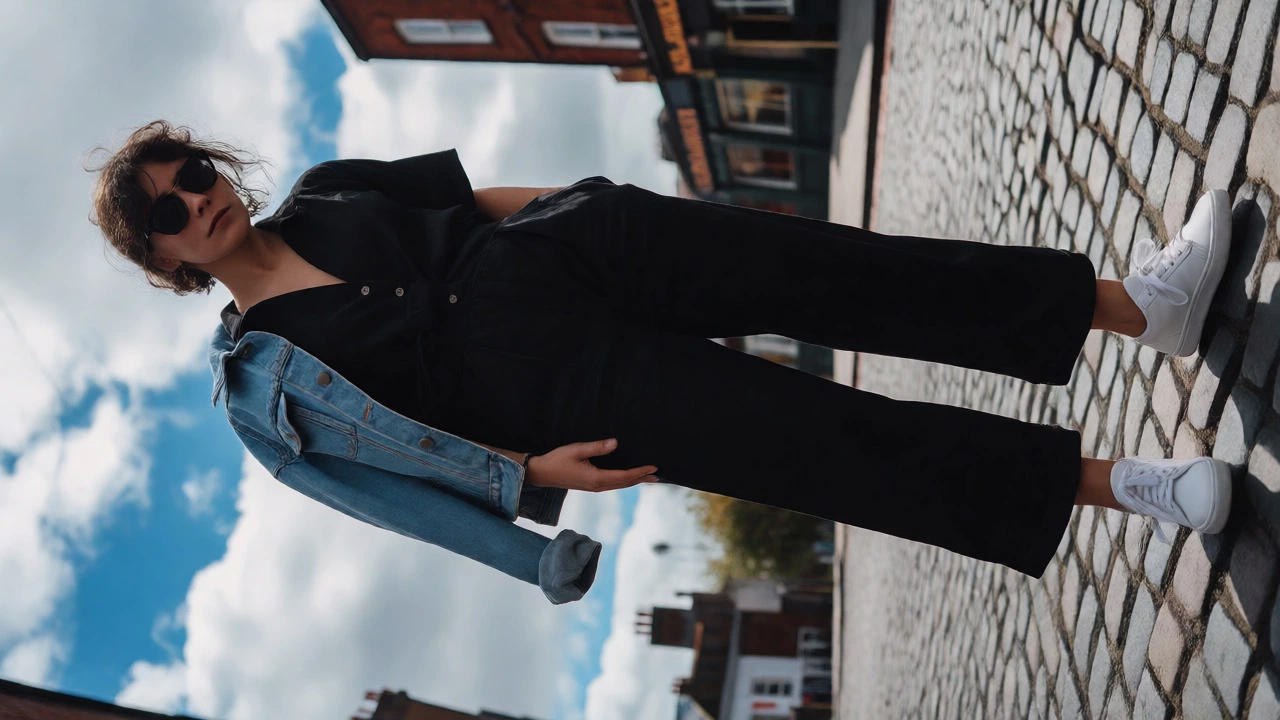
Since Irish summers are famous for their four-seasons-in-one-day reputation, accessories play a huge role. A black outfit acts as a neutral canvas, making it easy to swap accessories based on the weather. On a sunny afternoon, throw on a wide-brimmed hat and sunglasses. If the clouds roll in, a light denim jacket or a sheer cardigan in a contrasting colour breaks up the darkness and adds warmth.
Shoes are another area where you can lighten the load. White sneakers or tan leather sandals pair effortlessly with black dresses, creating a visual break that feels lighter. Avoid heavy boots unless the forecast predicts rain all day. If you’re commuting by Luas or bus, comfort is king, so choose footwear that handles cobblestones and wet pavements gracefully.
When to Skip Black
Are there times when black is a bad idea? Sure. If you’re spending an entire day outdoors at a wedding in County Clare under direct sunlight with no shade, you might regret choosing a heavy black gown. Similarly, if you’re planning a hike in Wicklow Mountains, stick to technical fabrics in lighter colours to reflect the sun. But for urban settings, indoor events, or cloudy days, black remains a stylish, safe, and sophisticated choice.
Also, consider the occasion. While black is acceptable for almost any event in modern Irish society, very bright, festive occasions like a garden party might call for pastels or florals to match the mood. But even then, a black jumpsuit with bold jewellery works wonders.
Final Thoughts
Forget the rigid rules of the past. Fashion is about feeling confident and comfortable in your environment. Given Ireland’s mild, changeable summers, black is not just wearable - it’s practical. Focus on breathable fabrics, loose fits, and smart layering, and you’ll look sharp whether you’re dodging raindrops in Dublin or enjoying a rare heatwave in Kinsale.
Does black really make you hotter?
Technically, black absorbs more solar radiation than white. However, this effect is significantly reduced in loose-fitting garments where convection (air movement) carries heat away from the body. In Ireland's moderate temperatures, the difference is often negligible compared to the impact of fabric type.
What is the best fabric for a black summer dress?
Linen and lightweight cotton are the top choices. They wick moisture and allow airflow. Viscose is also good for drape but less durable. Avoid heavy synthetics like polyester unless they are specifically designed as moisture-wicking sportswear.
Is black appropriate for Irish weddings?
Yes, black is widely accepted at Irish weddings, especially for evening receptions or formal daytime events. Just ensure the dress code aligns with the invitation. Adding colourful accessories can soften the look if you're concerned about appearing too somber.
How do I keep my black clothes from fading?
Wash inside out in cold water and use detergents formulated for darks. Avoid prolonged exposure to direct sunlight when drying, as UV rays break down dye molecules. Hanging them in a shaded area is ideal.
Can I wear black to work in Dublin?
Absolutely. Black is a staple in corporate wardrobes globally, including Dublin. It projects professionalism and pairs easily with blazers or scarves. Just ensure your outfit is clean, pressed, and fits well to maintain a polished appearance.