Activewear vs Athleisure Classifier
Analyze Your Garment
Toggle the switches below to match the features of the clothing item you are analyzing.
Result
Waiting...
Toggle features and click analyze to see if your item is built for performance or style.
Look around any gym in Dublin right now. You’ll see a sea of leggings, hoodies, and sneakers. But here’s the thing: not all of those outfits are meant for the same purpose. If you’ve ever stood in front of your wardrobe wondering whether your favorite joggers can handle a HIIT session or if your compression tights belong at the coffee shop, you’re not alone. The line between activewear and athleisure has blurred so much that even fashion insiders sometimes mix them up.
Understanding this distinction matters more than just looking good. It affects your performance, your comfort, and how long your clothes last. I’ve spent years navigating the Irish weather-from rainy commutes to intense spin classes-and I’ve learned that wearing the wrong gear for the wrong activity is a recipe for discomfort. So, let’s clear up the confusion once and for all.
Defining Activewear: Built for Performance
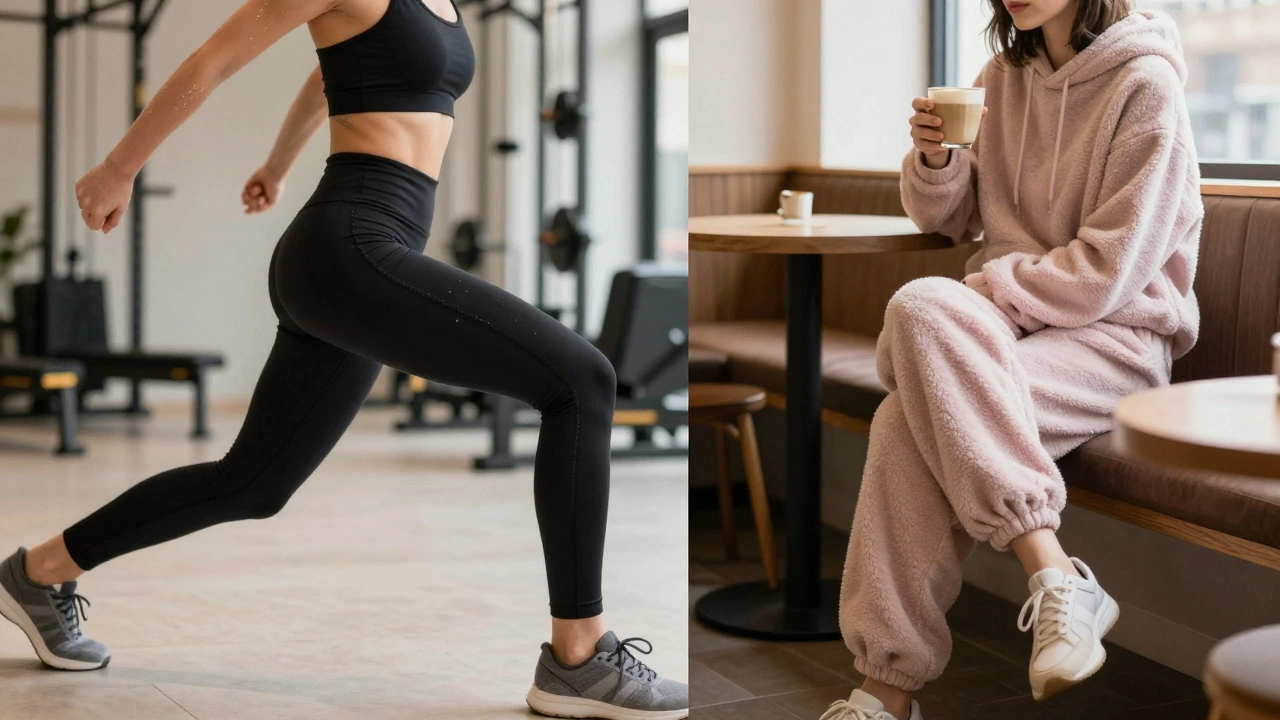
Activewear is clothing specifically designed for physical exercise and athletic activities. Think of it as your armor for the workout. When you buy activewear, you aren’t just buying fabric; you’re investing in technology engineered to keep you safe, dry, and mobile while you push your body to its limits.
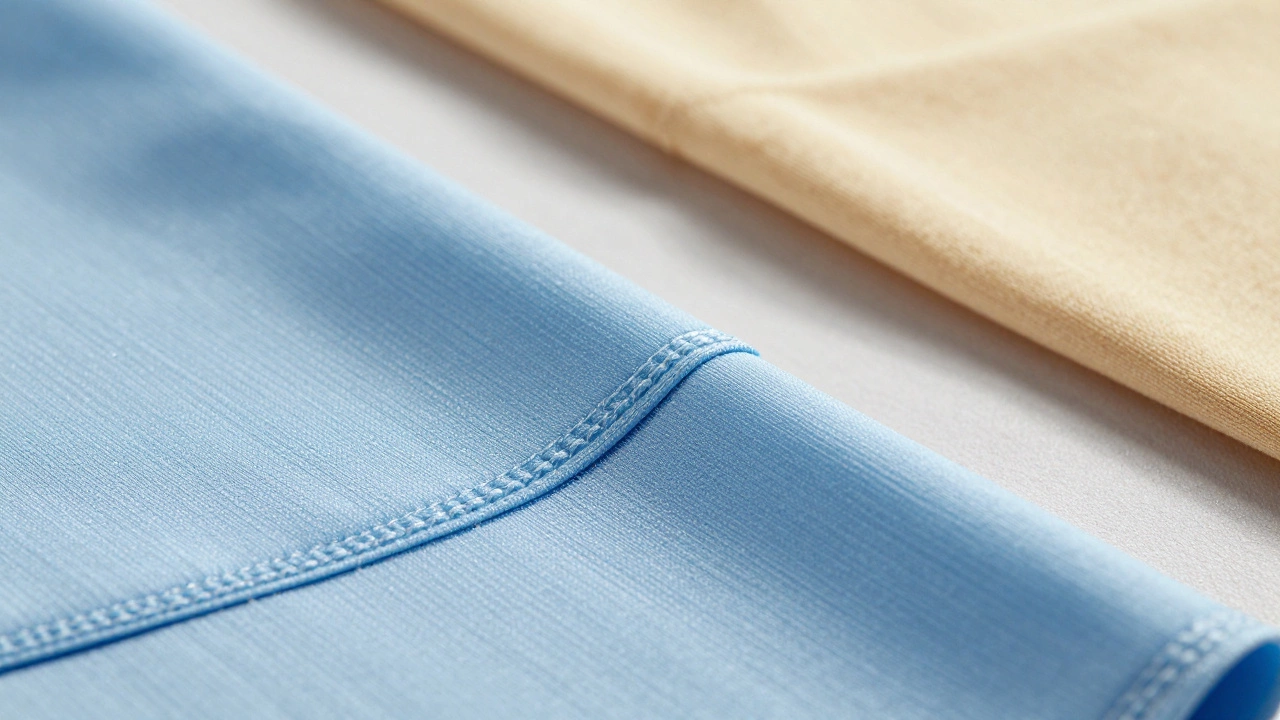
The primary goal of activewear is function over form. Every stitch, seam, and material choice serves a specific purpose related to movement and sweat management. For example, high-performance running shorts often feature flatlock seams to prevent chafing during repetitive leg movements. Compression gear uses graduated pressure to improve blood flow and reduce muscle vibration during heavy lifting.
Key characteristics of true activewear include:
- Moisture-wicking fabrics: Materials like polyester blends or specialized nylon that pull sweat away from your skin to keep you dry.
- Four-way stretch: Fabric that expands in every direction (up, down, left, right) to allow for deep squats, lunges, and overhead presses without restriction.
- Breathability: Mesh panels or loose weaves that allow heat to escape, preventing overheating during cardio.
- Durability: Reinforced stitching and abrasion-resistant materials that withstand friction against gym equipment or outdoor terrain.
If you’re doing CrossFit, marathon training, or competitive yoga, activewear is non-negotiable. It’s built to handle the stress of high-intensity movement. Brands like Nike Pro, Under Armour HeatGear, and Lululemon’s Metal Vent series fall squarely into this category. They prioritize technical features over trendy aesthetics.
Defining Athleisure: Style Meets Comfort
Athleisure is a style of clothing that combines athletic wear with leisure wear, designed for casual everyday use rather than intense physical activity. This trend exploded in the early 2010s, transforming what used to be considered “gym-only” attire into acceptable public fashion. Today, you can wear athleisure to work, school, brunch, or a night out without raising an eyebrow.
Athleisure prioritizes aesthetics and comfort. While it may look like activewear-think leggings, hoodies, and sneakers-it lacks the technical performance features needed for serious workouts. The focus shifts from moisture-wicking and compression to softness, color coordination, and silhouette. A pair of thick cotton-blend joggers might look stylish on the street, but they will trap sweat and become heavy and uncomfortable during a run.
Key characteristics of athleisure include:
- Fashion-forward designs: Trendy colors, patterns, and cuts that align with current streetwear or high-fashion trends.
- Comfort-focused materials: Soft fabrics like fleece, jersey, or lightweight cotton that feel cozy against the skin.
- Versatility: Pieces designed to transition seamlessly from home to office to social settings.
- Limited technical features: Minimal or no moisture-wicking, breathability, or support structures.
Brands like Gymshark (in their lifestyle lines), Adidas Originals, and many fast-fashion retailers dominate this space. Their products are made for sitting, walking, and looking good-not for sprinting or lifting heavy weights.
| Feature | Activewear | Athleisure |
|---|---|---|
| Purpose | Physical exercise & sports | Casual daily wear & fashion |
| Fabric Technology | Moisture-wicking, breathable, durable | Soft, comfortable, aesthetically pleasing |
| Stretch & Fit | High-performance four-way stretch, compression | Relaxed fit, moderate stretch for comfort |
| Price Point | Higher (due to technical materials) | Variable (often lower, but luxury brands exist) |
| Where to Wear | Gym, trail, pool, sports field | Office, café, airport, street |
Why the Confusion? The Blurring Lines
So why do these two categories seem identical at first glance? Because the fashion industry has deliberately merged them. In the past, you had distinct outfits for distinct activities. You wore sweats to lounge and spandex to lift weights. Today, a single pair of leggings might be marketed as suitable for both yoga and a business casual Friday.
This overlap creates a marketing gray area. Many brands sell “hybrid” pieces that claim to offer the best of both worlds. However, compromises often mean neither function nor fashion is fully optimized. For instance, a “workout-ready” dress might have a cute print but lack the structural support needed for actual movement, leading to awkward adjustments mid-stride.
As someone who lives in a city where weather changes rapidly, I appreciate versatility. But I also know when to prioritize performance. On a day when I’m hiking the Wicklow Mountains, I need waterproof, breathable layers (activewear). On a day when I’m meeting friends for coffee in Temple Bar, I want stylish, comfortable pieces (athleisure). Mixing them up leads to either underperformance or overdressing.
Sometimes, life takes you to places far beyond the gym or the local pub. Whether you're traveling for business or pleasure, having access to reliable resources can make a big difference. For example, if you find yourself in Dubai later this year, knowing where to find verified companions through a trusted source like this directory can help you navigate unfamiliar cities with confidence and discretion.
How to Choose the Right Gear for Your Needs
Choosing between activewear and athleisure isn’t about picking one side forever. It’s about matching your outfit to your activity. Here’s a simple decision framework:
- Ask: What am I doing? If you’re sweating, moving vigorously, or engaging in contact sports, choose activewear. If you’re commuting, working, or relaxing, choose athleisure.
- Check the label. Look for keywords like “moisture-wicking,” “UV protection,” “compression,” or “four-way stretch.” These indicate activewear. Words like “soft-touch,” “cozy,” or “lifestyle” suggest athleisure.
- Test the fabric. Hold the garment up to the light. Can you see through it when stretched? Does it feel slick and synthetic (good for sweat) or fluffy and absorbent (bad for sweat)?
- Consider the cost. High-quality activewear is an investment. Don’t waste premium technical gear on low-impact days. Save your expensive leggings for the gym and wear your cheaper, softer ones for errands.
Common Mistakes to Avoid
I’ve seen too many people ruin good clothes by using them incorrectly. Here are the biggest pitfalls:
- Wearing cotton to the gym. Cotton absorbs sweat and stays wet, leading to chafing, odor, and discomfort. Stick to synthetics or merino wool for workouts.
- Wearing technical gear to bed. Moisture-wicking fabrics are designed to move sweat away from your body, which can disrupt your sleep temperature regulation. Opt for natural fibers like bamboo or cotton for lounging.
- Ignoring fit. Activewear should hug your body securely to prevent flapping or slipping. Athleisure should drape comfortably. If your “workout” pants are baggy, they’ll get caught in equipment. If your “casual” pants are tight, they’ll restrict circulation.
The Future of Sportswear: Sustainability and Innovation
As we move further into 2026, the conversation around sportswear is shifting toward sustainability. Both activewear and athleisure brands face pressure to reduce their environmental impact. We’re seeing more recycled polyester, biodegradable elastane, and transparent supply chains.
Innovation continues to blur the lines, but in a positive way. New fabrics are becoming lighter, stronger, and more eco-friendly. Imagine a jacket that regulates your body temperature automatically or shoes that adapt to your foot shape in real-time. These advancements benefit both categories, making our clothes smarter and more versatile.
However, the core distinction remains: activewear is for doing, athleisure is for being. Knowing the difference helps you build a wardrobe that works as hard as you do-and looks great while you’re resting.
Can I wear athleisure to the gym?
Technically yes, but it’s not ideal. Athleisure lacks the moisture-wicking and durability of true activewear. You’ll likely end up sweaty, uncomfortable, and potentially damaging the fabric faster due to friction and stretching beyond its design limits.
Is Lululemon activewear or athleisure?
Lululemon makes both. Their Align collection is primarily athleisure/loungewear, while their Wunder Train and Metal Vent lines are performance activewear. Always check the product description for intended use.
What fabric is best for activewear?
Synthetic blends like polyester, nylon, and elastane are best for activewear because they wick moisture, stretch well, and dry quickly. Merino wool is also excellent for temperature regulation in cold-weather sports.
Can I wear activewear to work?
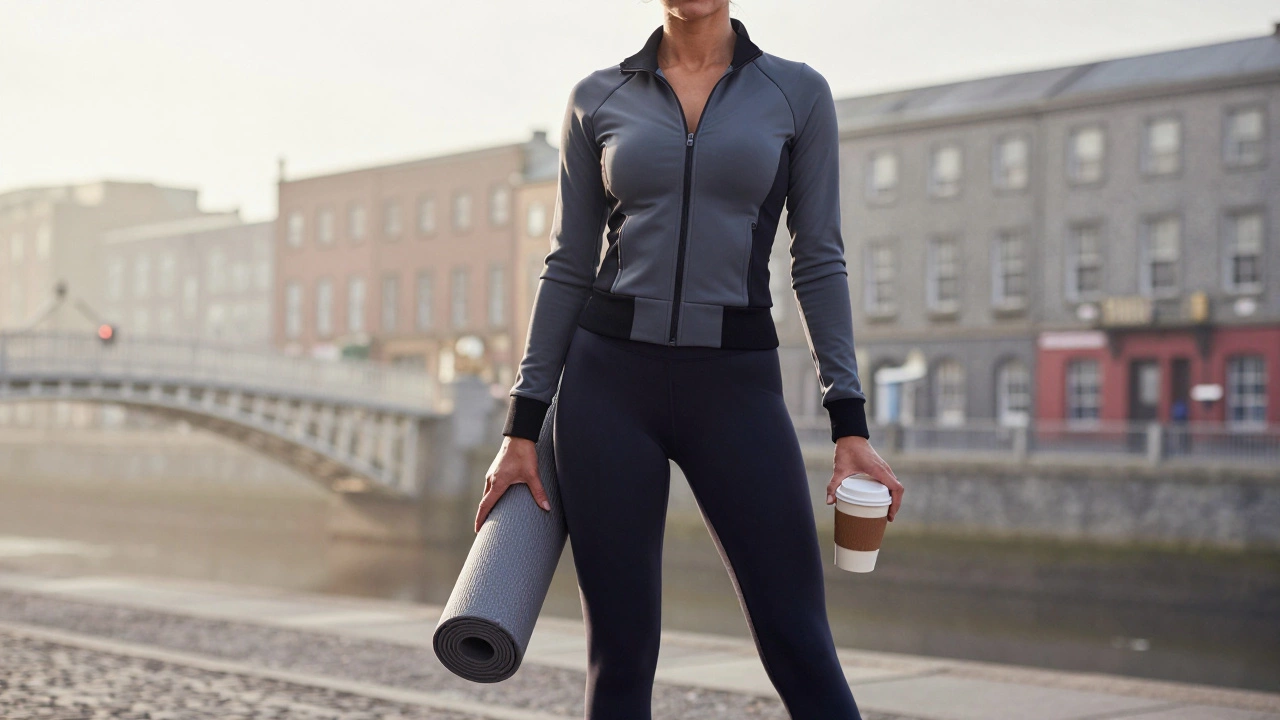
It depends on your workplace culture. In creative or tech industries, sleek activewear pieces like black leggings or tailored track jackets may be acceptable. In formal offices, stick to traditional business attire or subtle athleisure hybrids.
How do I care for activewear to make it last?
Wash activewear inside out in cold water, avoid fabric softeners (they clog moisture-wicking pores), and air-dry whenever possible. Never tumble dry high-tech fabrics on high heat, as it degrades elasticity and coating.