
Trainer vs. Sneaker Terminology Checker
Configure Your Search
Results
Select your location and intended use to see the correct terminology and technical specifications.
Walk into any shoe store in Dublin or London, and you’ll likely see the word trainers plastered across signs. Step into a shop in New York or Los Angeles, and that same sign will read "sneakers." If you’re standing there wondering why the exact same rubber-soled shoe has two completely different names depending on which side of the Atlantic you’re on, you are not alone. Language evolves with culture, and footwear is no exception. But beyond the simple name swap, understanding what constitutes a trainer helps you pick the right pair for your lifestyle, whether you are actually training for a marathon or just grabbing coffee.
The confusion usually stems from the fact that these shoes have blurred lines. Originally designed strictly for physical exercise, they have become the default casual footwear for billions of people worldwide. When we ask "what shoe is called a trainer?", we are really asking about a specific category of athletic-inspired footwear that prioritizes comfort, cushioning, and versatility over formal aesthetics. To make sense of it all, we need to look at the history, the regional differences, and the subtle distinctions that separate a true trainer from its cousins like running shoes, gym shoes, and high-tops.
The Origin Story: From Track Fields to Street Corners
To understand the term "trainer," we have to look back at the early 20th century. The word comes directly from "training." In the 1930s and 40s, athletes needed specialized footwear that offered better grip and support than standard leather boots or heavy work shoes. These were literal tools for training. Companies like Converse and later Adidas began producing canvas and rubber hybrids specifically for track and field events. They were lightweight, flexible, and allowed for natural foot movement.
In the United Kingdom, Ireland, Australia, and much of Europe, the functional name stuck. Because the primary purpose was physical preparation, they became known as trainers. In the United States, however, the marketing angle shifted slightly. Early ads emphasized the quiet nature of the rubber soles-how they let athletes sneak up on opponents or move silently during drills. Thus, "sneakers" was born. Both terms describe the same core object: a soft-soled shoe designed for sports or informal wear. The divergence is purely linguistic, rooted in how different cultures marketed the utility of the product.
As decades passed, the line between performance gear and everyday fashion dissolved. By the 1980s, hip-hop culture in America elevated sneakers to status symbols. Simultaneously, British football (soccer) culture made trainers a staple of street style. Today, when someone says they are wearing trainers, they might be referring to a $200 pair of designer kicks that have never touched a treadmill. This cultural shift is crucial to understanding modern footwear categories.
Regional Differences: Trainers vs. Sneakers vs. Runners
If you are shopping online or traveling, knowing the local terminology saves you time. Here is how the naming conventions break down globally:
- United Kingdom & Ireland: The universal term is "trainers." You might also hear "gym shoes" if referring strictly to indoor court shoes, but "trainers" covers everything from Nikes to Vans.
- United States & Canada: "Sneakers" is the dominant term. "Running shoes" is used for performance-specific models, while "tennis shoes" is an older term still used by some demographics.
- Australia & New Zealand: Like the UK, "trainers" is common, though "runners" is frequently used for athletic styles.
- France: They use "baskets," derived from basketball.
- Germany: The term is "Turnschuhe," literally meaning "gymnastics shoes."
This isn't just trivia. It affects search results and product availability. If you are looking for a specific model on an international site, using the wrong keyword might lead you to dress shoes instead of athletic ones. For example, searching for "athletic shoes" in the US yields broad results, while "trainers" in the UK often filters out formal loafers automatically.
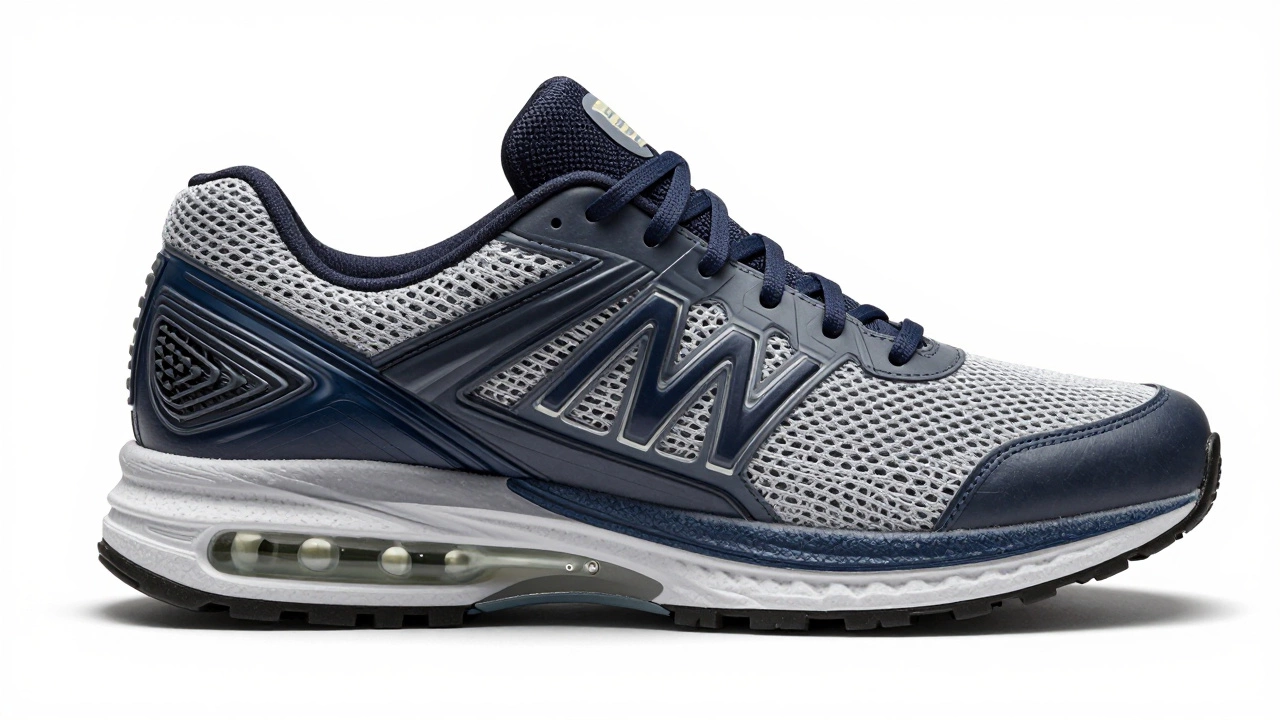
Anatomy of a Trainer: What Makes It Different?
Not every casual shoe is a trainer. A loafer, a boot, or a sandal serves different purposes. A trainer has specific structural elements that define it. Understanding these parts helps you evaluate quality and suitability.
| Component | Function | Material Examples |
|---|---|---|
| Outsole | Traction and durability | Rubber, EVA foam |
| Midsole | Cushioning and shock absorption | Polyurethane, Air units, Gel |
| Upper | Fit, breathability, and structure | Mesh, Leather, Suede, Knit |
| Insole | Comfort and arch support | Foam, Memory foam |
| Heel Counter | Stability and ankle protection | Hardened plastic or foam |
The midsole is the heart of the trainer. This is where the technology lives. Brands invest heavily here, creating proprietary foams like Nike’s React or Adidas’s Boost. This layer absorbs impact when you walk or run, protecting your joints. Without a proper midsole, the shoe is just a flat sole with fabric on top-which brings us to the distinction between trainers and plimsolls or canvas shoes. While Vans or Converse Chuck Taylors are often grouped with trainers in casual conversation, purists argue they lack the technical cushioning of a true athletic trainer. They are lifestyle shoes, whereas a modern trainer retains engineering features for movement.
Types of Trainers: Finding Your Fit
Within the broad umbrella of trainers, several subcategories exist. Choosing the wrong type can lead to discomfort or even injury if you are using them for their intended sport.
Running Trainers
These are built for forward motion. They feature extra cushioning in the heel and forefoot to absorb the repetitive impact of hitting pavement. They often have a curved shape to encourage a rolling gait. If you plan to jog, look for keywords like "stability," "neutral," or "cushioned."
Court Trainers
Designed for lateral movement, these shoes have flatter soles and wider bases. Think tennis or basketball. They prioritize grip and side-to-side stability over vertical cushioning. Wearing running trainers for tennis can cause ankle rolls because the high heels of running shoes destabilize lateral cuts.
Lifestyle Trainers
This is the most popular category today. These shoes take the aesthetic of athletic footwear but prioritize style and all-day comfort over performance metrics. Brands like New Balance, Asics, and retro Nike models fall here. They are versatile enough for the office (if the dress code allows) and the weekend market.
Trail Trainers
For off-road adventures, trail trainers feature aggressive lug patterns on the outsole for mud and rock grip. They often include protective toe caps and waterproof membranes like Gore-Tex. Using road trainers on a hiking trail will leave you slipping and sliding within minutes.
Why Terminology Matters for Shopping
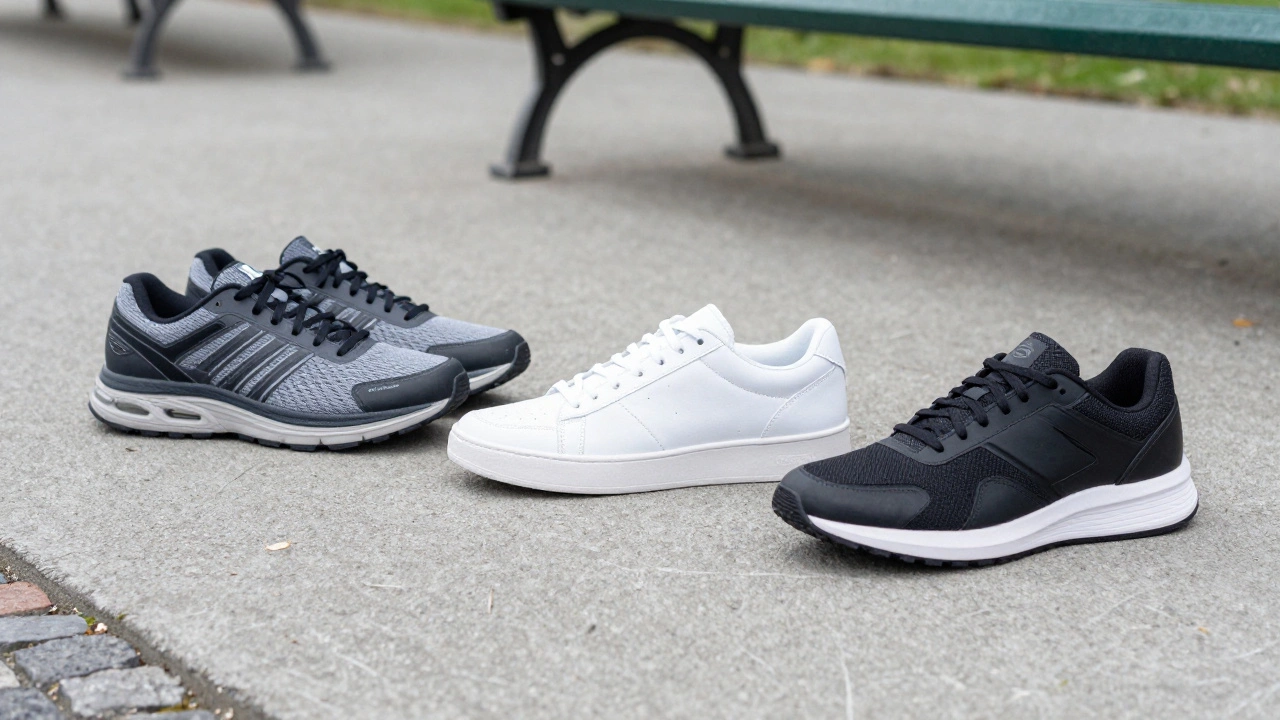
You might wonder why this semantic debate matters. Isn’t a shoe just a shoe? Actually, yes, but the label dictates the design intent. If you buy a "running trainer" expecting it to look sleek with a suit, you might be disappointed by its bulky, aerodynamic shape. Conversely, buying a "lifestyle trainer" for a 10k run could result in knee pain due to insufficient shock absorption.
When browsing retailers, pay attention to the description. Does it mention "arch support" and "impact protection"? That’s a performance trainer. Does it highlight "premium leather" and "classic silhouette"? That’s a lifestyle trainer. Knowing the difference ensures you get value for money. Performance trainers degrade faster because the foam compresses over time. Lifestyle trainers last longer because they aren’t subjected to high-impact forces.
Also, consider the fit. Athletic trainers often require a thumb’s width of space in the toe box to allow for foot swelling during exercise. Casual trainers can fit snugger. If you are switching between types, don’t assume your size remains identical across categories. A size 9 in a running trainer might feel tight compared to a size 9 in a skate-style trainer.
Care and Longevity
Regardless of what you call them, keeping your trainers fresh requires basic maintenance. Sweat and dirt break down materials over time. Here are simple steps to extend their life:
- Air them out: Never wear the same pair two days in a row. Moisture needs to evaporate to prevent odor and material degradation.
- Remove insoles: When cleaning, take out the insoles. Wash them separately with mild soap and water. This prevents mold growth inside the shoe cavity.
- Brush off dirt: Use a soft brush to remove dried mud before it sets into the mesh or suede. Wetting dry dirt turns it into sludge that stains deeper.
- Avoid the dryer: Heat warms glue and shrinks materials. Always air dry trainers away from direct sunlight, which can fade colors and crack leather.
Investing in a good pair of trainers is worth it, but only if you care for them. A well-maintained pair can last years, while neglected ones may fall apart in months. Remember, the best trainer is the one that fits your foot and your life, regardless of what the label says.
Are trainers and sneakers exactly the same thing?
Yes, functionally they are the same. "Trainers" is the term predominantly used in the UK, Ireland, and Australia, while "sneakers" is the standard term in the US and Canada. Both refer to casual, athletic-style shoes with rubber soles. The difference is purely regional language usage, not design or construction.
Can I wear running trainers for walking?
You can, but it might not be ideal for long periods. Running trainers are designed for forward momentum and often have a significant heel drop (the height difference between heel and toe). For pure walking, a shoe with less cushioning and a flatter profile may provide better stability and reduce strain on your calves.
What is the difference between a trainer and a gym shoe?
In many regions, these terms are interchangeable. However, technically, "gym shoes" often refers to cross-trainers designed for weightlifting and varied exercises, featuring a flat, stable sole. "Trainers" is a broader term that includes running, walking, and lifestyle shoes. If you are lifting heavy weights, avoid highly cushioned running trainers as they can compromise balance.
Why do trainers cost so much more than regular shoes?
High-end trainers involve significant research and development in materials science. The foams, knit technologies, and ergonomic designs are engineered to improve performance and prevent injury. Additionally, brand value, marketing, and limited-edition collaborations drive prices up. You are paying for both technological innovation and cultural status.
How often should I replace my trainers?
If you use them for running, experts recommend replacing them every 300 to 500 miles. For casual wear, it depends on visible wear and tear. Look for worn-out treads, compressed midsoles that no longer bounce back, or holes in the upper. Even if they look fine, if they cause joint pain, the cushioning has likely failed.