Irish Evening Wear Style Planner
Answer three simple questions to get a tailored outfit recommendation suitable for Irish venues and weather.
What is the occasion?
Which style category do you identify with?
When is the event?
Your Recommended Outfit
You’ve been invited to a wedding in the Dáil, a gala at the RDS, or perhaps a smart dinner in Dublin’s Temple Bar. The invitation says “black tie” or “evening wear,” and suddenly you’re staring at your wardrobe wondering if that little black dress from last Christmas actually counts. If you are navigating social events in Ireland, understanding what constitutes proper evening wear is less about rigid rules and more about respecting the occasion while staying comfortable enough to enjoy it.
In Ireland, our climate and cultural habits shape how we approach formal dressing. We don’t have the sweltering heat of Mediterranean summers or the freezing winters of Scandinavia, but we do have unpredictable weather that can turn a perfect evening into a damp one by the time you reach the venue. This means your choice of evening wear needs to be practical as well as stylish. Let’s break down exactly what this means for men, women, and non-binary folks, with specific examples that fit the Irish context.
The Classic Black Tie Look
When people ask for an example of evening wear, the most standard answer is black tie attire. This is the gold standard for formal events in Ireland, whether it’s a state function, a high-end charity ball, or a sophisticated wedding in a castle like Ashford Castle or Ballynahinch Castle.
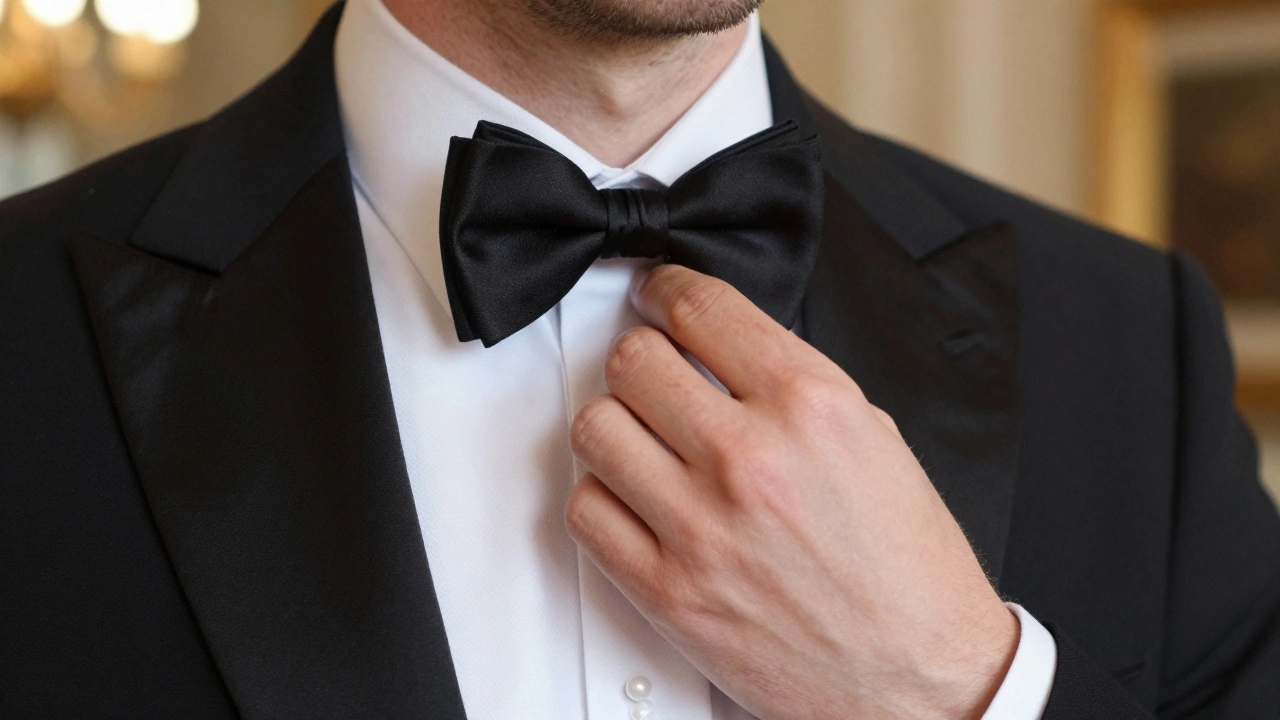
For men, this means a tuxedo. Not just any suit, but a specific type of jacket with satin or grosgrain lapels. You pair this with matching trousers that have a satin stripe down the side. A white dress shirt with studs (not buttons) and a black bow tie complete the look. In Ireland, where venues can range from historic libraries to modern hotels like the Shelbourne, this outfit works everywhere because it’s timeless.
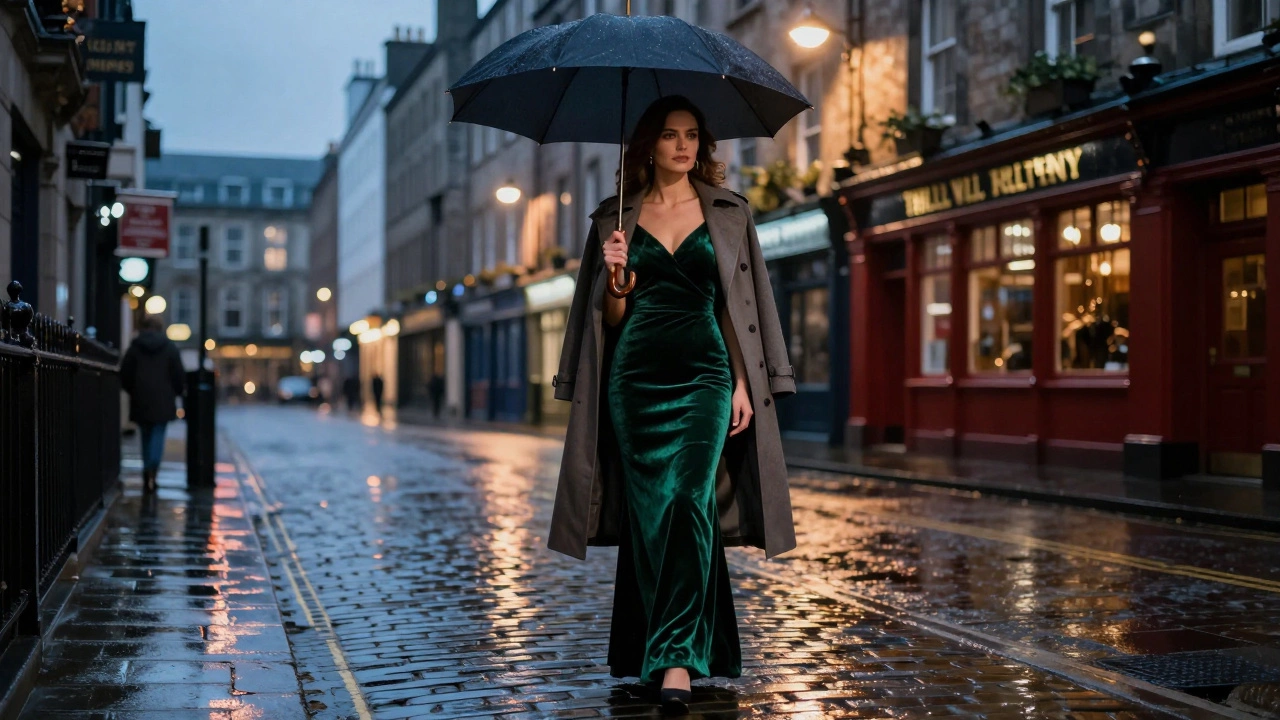
Women typically choose a floor-length gown. Think silk, chiffon, or velvet-fabrics that drape beautifully. Dark colors like navy, emerald green, or classic black are safe bets. If you’re attending an event in winter, velvet is not only stylish but also warmer, which is a practical consideration when you’re walking between cars and venues in Dublin or Cork during the colder months.
Cocktail Attire: The Versatile Option
If the invitation says “cocktail attire” or “semi-formal,” you have a bit more freedom. This is common for weddings in Ireland, especially those held in late spring or early autumn when the weather is mild but not guaranteed to be dry.
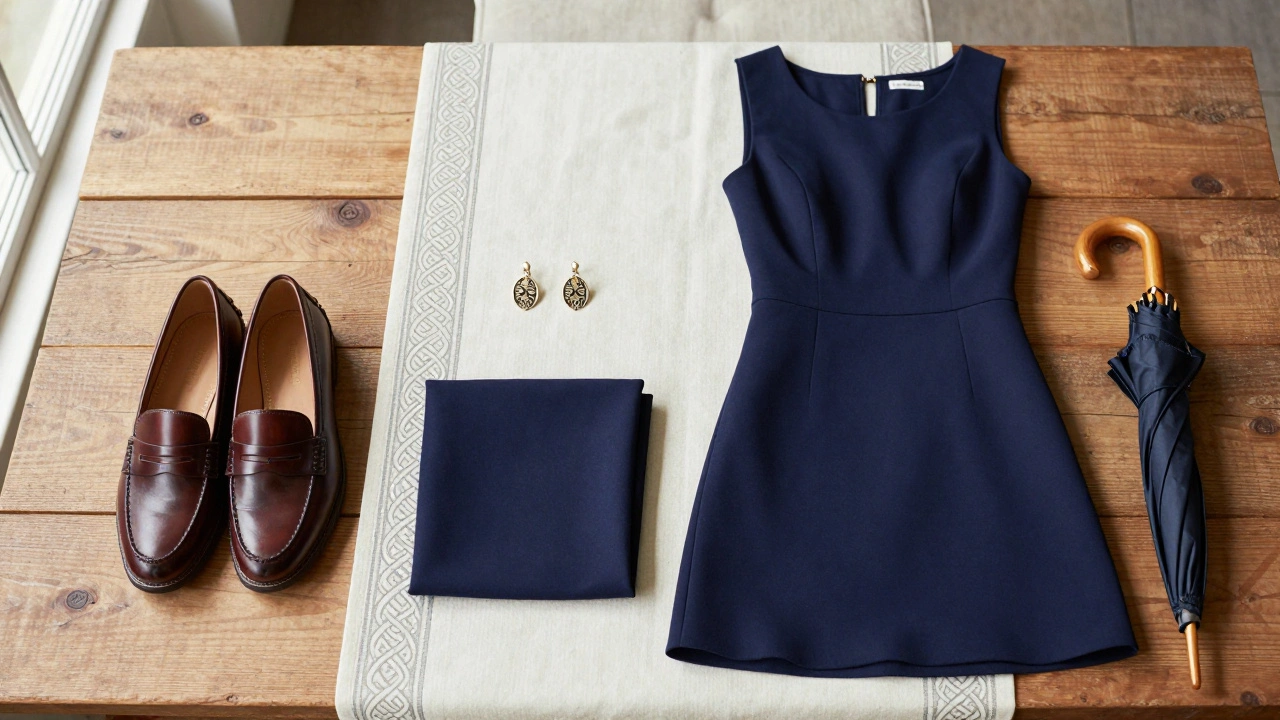
An excellent example of evening wear in this category is a knee-length or midi dress. For women, this could be a sleek sheath dress in a jewel tone or a floral print if the season allows. Fabric-wise, jersey or crepe are great choices because they move with you and don’t show every wrinkle. Pair it with heels that you can actually walk in on uneven cobblestones or grassy lawns-something very relevant if your reception is outdoors at a place like Kilternan House or a country estate in Galway.
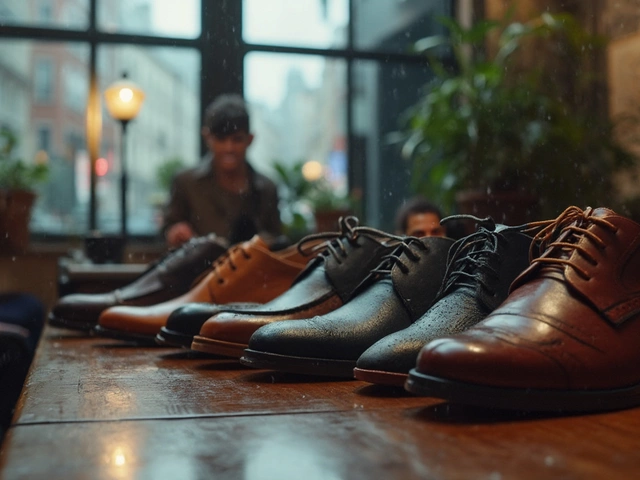
For men, a dark suit-navy or charcoal-is the go-to. Skip the tuxedo; instead, opt for a crisp white or light blue shirt and a conservative tie. Leather loafers or oxfords work well. The key here is looking polished without being overly stiff. It’s smart, but it doesn’t scream “I’m trying too hard.”
Irish Weather: The Unseen Factor
No discussion of evening wear in Ireland is complete without addressing the weather. We know it rains. It might rain gently, it might pour, but there’s always a chance. So, part of choosing your outfit is planning for the transition from street to venue.
Consider these practical tips:
- Footwear matters: If you’re wearing heels, bring flats or sturdy shoes in your bag. Cobblestone streets in cities like Dublin, Cork, and Limerick can be treacherous for stilettos. Even indoors, some older venues have uneven floors.
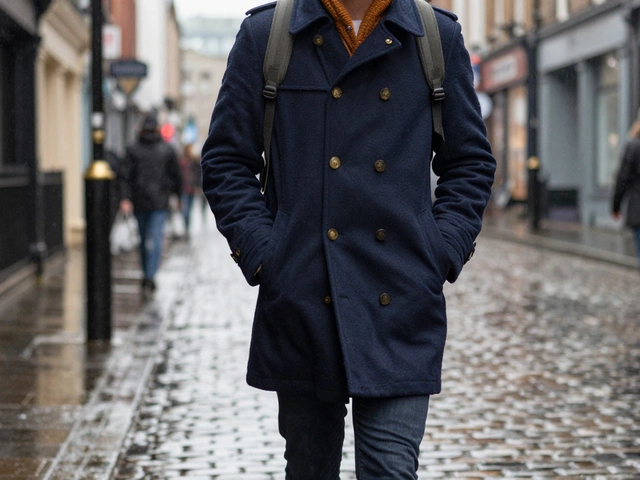
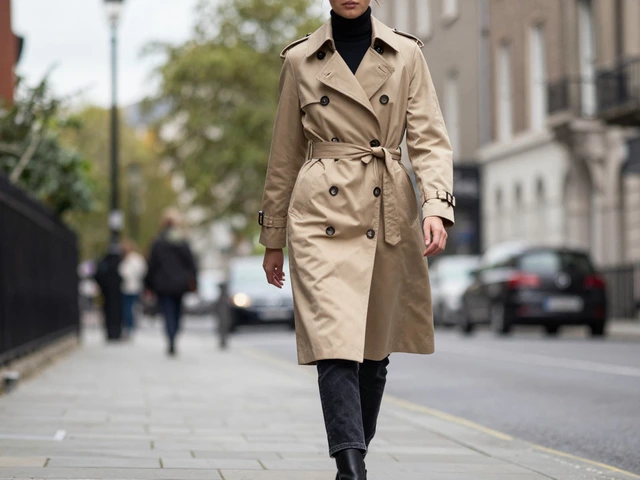
- Outerwear is essential: A tailored wool coat or a stylish trench coat isn’t just for warmth-it’s part of your ensemble. Make sure it fits over your dress or suit without adding bulk. In Ireland, investing in a good quality coat pays off because you’ll use it year-round.
- Fabric choice: Avoid lightweight linens in cooler months. Opt for heavier fabrics like wool blends, velvet, or thicker silks that provide insulation. These materials also tend to look more luxurious and hold up better against wind and drizzle.
Accessories That Elevate Your Look
Your base outfit gets you through the door, but accessories make you feel confident. In Ireland, understated elegance often wins over flashy displays.
For women, consider statement earrings or a delicate necklace rather than both. If your dress has intricate detailing, keep jewelry minimal. A clutch bag is practical for carrying essentials like phone, lipstick, and maybe a small umbrella-yes, really. Men should focus on their watch and cufflinks. A simple metal watch adds sophistication, while cufflinks can add a personal touch, especially if they feature Celtic knots or other Irish-inspired designs.
Hair and makeup should complement the outfit. Natural, polished looks work best for most occasions. Overly dramatic styles can feel out of place unless you’re attending a very specific themed event.
Where to Find Evening Wear in Ireland
Shopping for evening wear in Ireland offers plenty of options, from high-street stores to boutique designers. Here’s where to look:
- Dublin: Grafton Street and Henry Street have numerous boutiques offering designer labels. Stores like Brown Thomas and Joyce offer luxury options, while Zara and Mango provide affordable alternatives. For something unique, check out independent designers in areas like Smithfield or the Docklands.
- Cork: English Market area and Oliver Plunkett Street host several local boutiques. Brands like O’Neill & Sons offer traditional yet modern takes on formal wear.
- Online Options: Many Irish shoppers turn to online retailers like ASOS, Net-a-Porter, or even international brands with strong presence in Ireland. Just remember to factor in delivery times, especially around peak seasons like weddings in summer.
If you’re renting, companies like Borrowell or local bridal shops often offer evening gowns for hire, which is cost-effective if you won’t wear the dress again soon.
Common Mistakes to Avoid
Even experienced dressers sometimes slip up. Here are some pitfalls to avoid:
- Wearing white to a wedding: Unless you’re the bride, steer clear of white or ivory. It’s a universal rule, but particularly sensitive in Ireland where weddings are deeply cherished events.
- Ignoring the dress code: If it says black tie, don’t show up in jeans and a blazer. Conversely, if it’s casual chic, don’t overdress in full formal gear. Read the invitation carefully.
- Choosing impractical shoes: As mentioned, comfort is key. Painful feet will ruin your night faster than a slightly wrinkled dress.
- Over-accessorizing: Less is often more. Too many pieces can clutter your look and distract from the outfit itself.
Final Thoughts on Choosing Evening Wear
Ultimately, evening wear is about expressing yourself while respecting the event. In Ireland, where social gatherings blend tradition with modernity, finding the right balance is easy once you understand the basics. Whether you’re heading to a grand ball in Killarney or a cozy dinner in Belfast, your outfit should reflect confidence, comfort, and appropriateness.
Can I wear a short dress to a black-tie event?
Generally, no. Black-tie events expect floor-length gowns for women. However, some modern interpretations allow elegant cocktail-length dresses if paired with sophisticated accessories and confident styling. Always check the specific invitation guidelines.
What color suits are appropriate for evening wear?
Navy, charcoal gray, and black are the safest choices. Navy is particularly versatile in Ireland as it pairs well with various skin tones and complements indoor lighting. Avoid bright colors or patterns unless the event specifically encourages them.
Is it okay to wear sneakers with evening wear?
Only if the event is explicitly casual or creative-dress-code. Traditional evening wear requires formal footwear such as leather oxfords, loafers, or heels. Sneakers clash with the formality expected at most Irish social functions.
How do I handle rain when wearing a long gown?
Carry a compact umbrella and wear a waterproof coat until you enter the venue. Choose fabrics that resist water absorption, like treated silks or synthetic blends. Arrive via taxi or ride-share if possible to minimize exposure to wet conditions.
Are there any cultural considerations for evening wear in Ireland?
Yes, modesty and respect are valued. Avoid excessively revealing outfits unless the event specifies otherwise. Additionally, incorporating subtle Irish elements like Celtic knot jewelry or shamrock motifs can honor local heritage without appearing costumey.